Silver Forest Earrings: Sterling vs Argentium Material Guide
Discover the best metals for silver forest earrings. Compare Sterling, Argentium, and Fine silver for durability, tarnish resistance, and detail.

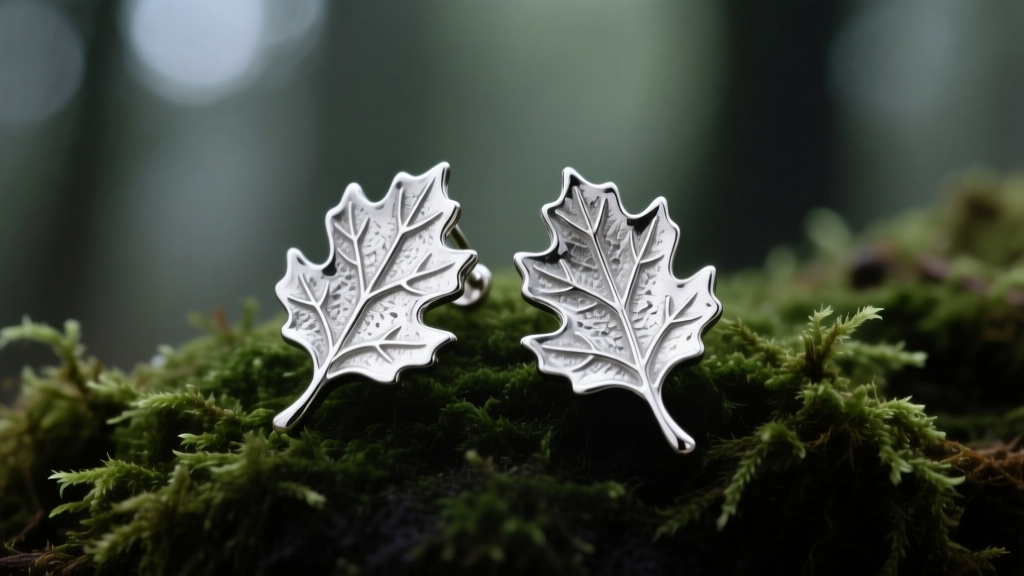
Nature-inspired jewelry has maintained a fierce grip on the accessories market, and as we move through 2026, the demand for highly detailed, organic motifs continues to surge. Among these, silver forest earrings—featuring intricate oak leaves, winding branches, and textured pinecones—remain a perennial favorite. However, the intricate topography of woodland jewelry presents unique metallurgical challenges. When a design features deep bark crevices, delicate leaf veins, and heavy acorn dangles, the specific silver alloy you choose dictates the piece's longevity, tarnish resistance, and structural integrity.
For collectors and everyday wearers alike, understanding the material science behind your jewelry is no longer optional; it is essential. This guide dissects the primary silver alloys used in nature-inspired earrings, offering a masterclass in material properties, gauge requirements, and maintenance protocols.
Decoding the Alloys: Sterling vs. Argentium vs. Fine Silver
The term "silver" is frequently misused as a catch-all, but in professional jewelry fabrication, the alloy composition fundamentally alters how a forest earring behaves over time. According to the Gemological Institute of America (GIA), pure silver is too soft for functional jewelry, necessitating the addition of alloy metals to provide structural rigidity.
| Property | Sterling .925 | Argentium .935 | Fine .999 |
|---|---|---|---|
| Composition | 92.5% Ag, 7.5% Cu | 93.5% Ag, Ge, Cu | 99.9% Ag |
| Vickers Hardness | 65 HV (Annealed) | 72 HV (Annealed) | 25 HV (Annealed) |
| Tarnish Resistance | Low (Copper reacts) | High (Germanium layer) | Moderate |
| Casting Porosity | Moderate risk | Low risk | High shrinkage risk |
| Avg. Price Premium | Baseline | +15% to +20% | +10% (but high labor) |
Sterling silver (.925) is the industry baseline. The 7.5% copper content provides necessary tensile strength, allowing artisans to draw wire for delicate branch stems. However, copper is highly reactive to sulfur and moisture, leading to the notorious black tarnish that plagues high-texture designs.
Enter Argentium silver. As detailed by jewelry supply authorities at Rio Grande, Argentium replaces a portion of the copper with germanium. This creates a transparent germanium dioxide layer on the surface that drastically slows tarnishing. For silver forest earrings with deep, unreachable crevices, Argentium is a superior, albeit slightly more expensive, investment.
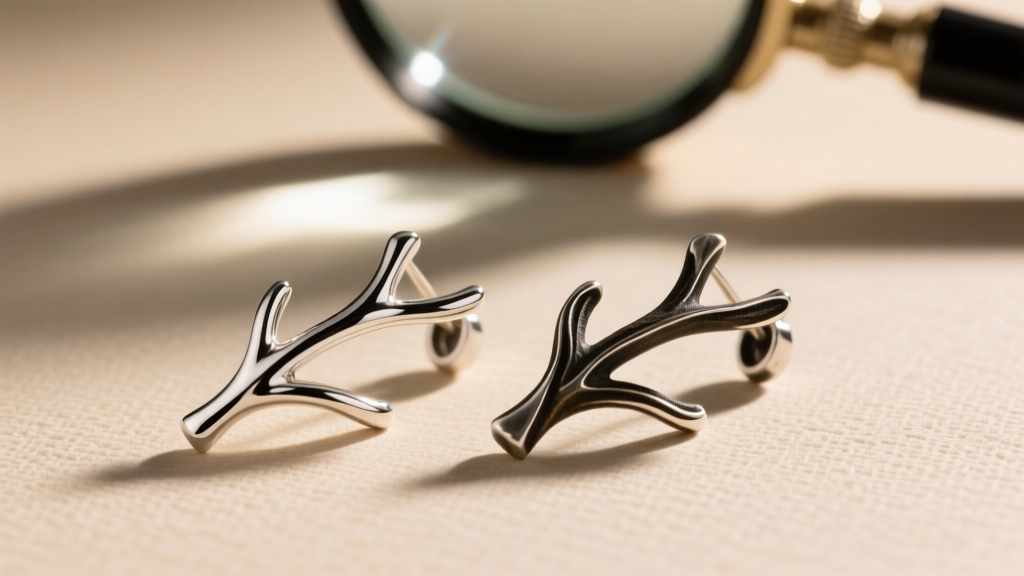
Structural Integrity in Delicate Branch and Leaf Designs
The aesthetic appeal of woodland earrings often lies in their perceived fragility, but structural failure is a common complaint in poorly engineered pieces. A frequent failure mode occurs in top-heavy dangle earrings where a heavy silver acorn or cluster of leaves is suspended from a thin branch. If the metal is too soft or too thin, the earring will permanently deform under its own weight or when snagged on clothing.
- Main Structural Branches: Should never be thinner than 18-gauge (1.02mm). Anything thinner risks permanent deformation when the earring is pulled.
- Leaf Veins and Tendrils: Can safely utilize 22-gauge to 24-gauge (0.64mm - 0.51mm) wire, provided they are strictly decorative and not load-bearing.
- Ear Wires and Posts: Standard 20-gauge (0.81mm) is ideal. Using 22-gauge wire for a heavy forest dangle will cause the wire to bend, potentially tearing the earlobe over time.
Furthermore, the method of fabrication matters immensely. Lost-wax casting is the standard for complex bark textures, but it can introduce microscopic porosity. If a cast branch is subjected to repeated bending, it will snap at a porous point rather than bend gracefully like die-struck or hand-forged wire. The solder joint where the earring post meets the flat backing pad is the most critical stress point. In forest motifs where the backing pad is disguised as a small leaf or acorn cap, the surface area for soldering is often reduced. Look for pieces that utilize a 'sandwich' solder joint or laser-welded posts. As noted in technical fabrication guides by Ganoksin, laser welding has revolutionized post attachments, increasing the sheer strength of the connection by up to 40% compared to standard butt-joints while minimizing thermal shock to adjacent delicate structures.
Tarnish Management in High-Crevice Nature Designs
The very textures that make silver forest earrings beautiful—rough bark, overlapping leaves, and porous mushroom caps—are notorious traps for sulfur, skin oils, and cosmetics. Traditional polishing cloths cannot reach into crevices smaller than 1mm, leaving dark, unsightly tarnish lines deep within the design.
When maintaining sterling silver woodland pieces, avoid aggressive liquid dips. These chemicals often leave microscopic residues in deep textures that eventually cause localized pitting and degrade the metal. Instead, utilize a specialized micro-brush with a mild abrasive paste. When storing your woodland collection, always include 3M anti-tarnish strips in an airtight polyethylene bag. This absorbs ambient sulfur compounds before they can react with the copper in sterling alloys.
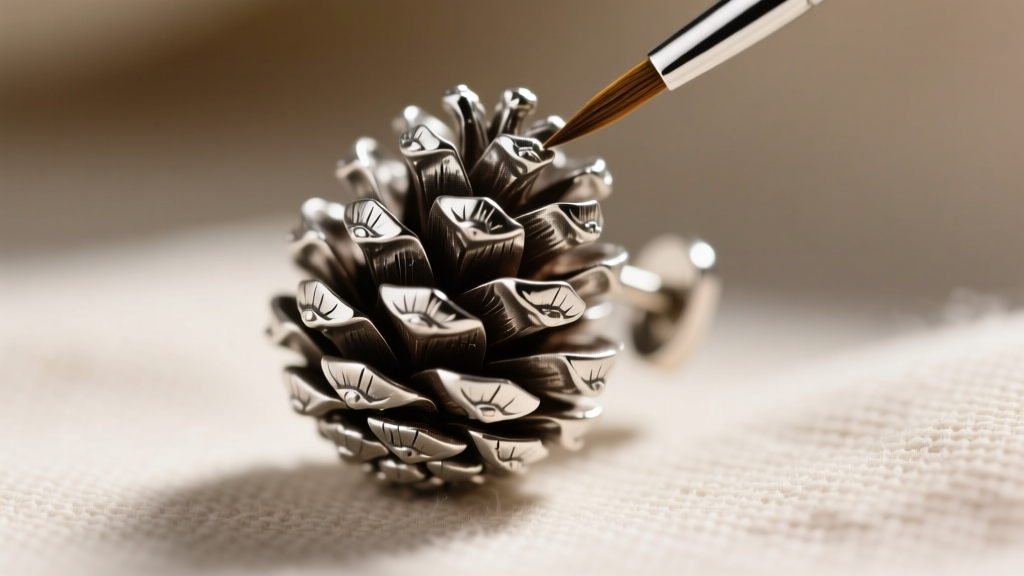
Caution is also required when considering ultrasonic cleaners. While they are excellent for shaking dirt out of deep bark textures, if your forest earrings feature inlaid moss agate, turquoise, or opal, ultrasonic vibrations can easily fracture these moisture-rich, relatively soft gemstones. For mixed-material pieces, manual micro-brushing and gentle soap baths are the only safe protocols.
Pricing Tiers and Market Expectations in 2026
When shopping for authentic, high-quality silver forest earrings, pricing is a reliable indicator of both material grade and fabrication effort. Mass-produced, hollow-cast sterling pieces typically range from $45 to $85. These often suffer from thin walls, high porosity, and weak post soldering that fails within a year of daily wear.
Mid-tier artisan pieces, featuring solid cast Argentium silver with hand-chased bark details and secure mechanical hinges for dangles, generally command between $120 and $250. At the apex of the market, bespoke fabrication involving intricate wire-weaving, granulation, and premium gemstone integration (such as ethically sourced tsavorite garnets for leaves or rutile quartz for wood knots) can easily exceed $400. Always verify the hallmark; genuine pieces will bear a ".925" or ".935" stamp, often accompanied by the maker's unique maker's mark.
Final Verdict: Choosing Your Perfect Pair
Selecting the right silver forest earrings requires balancing aesthetic desires with practical wearability. If you prefer a dark, oxidized patina that highlights the deep grooves of tree bark and shadowed leaf veins, traditional sterling silver is your best canvas, as it accepts liver of sulfur treatments beautifully and provides high contrast. However, if you desire bright, shining leaves and branches that require minimal maintenance and resist the elements of daily wear, the premium paid for Argentium silver is entirely justified by its metallurgical superiority and enhanced structural hardness.


