Every Type of Earrings Explained: A Beginner's Guide
Discover every type of earrings, from lobe studs to cartilage hoops. Learn gauge sizes, hypoallergenic metals, and how to choose the perfect fit.

The Foundation: Understanding Ear Anatomy and Earring Types
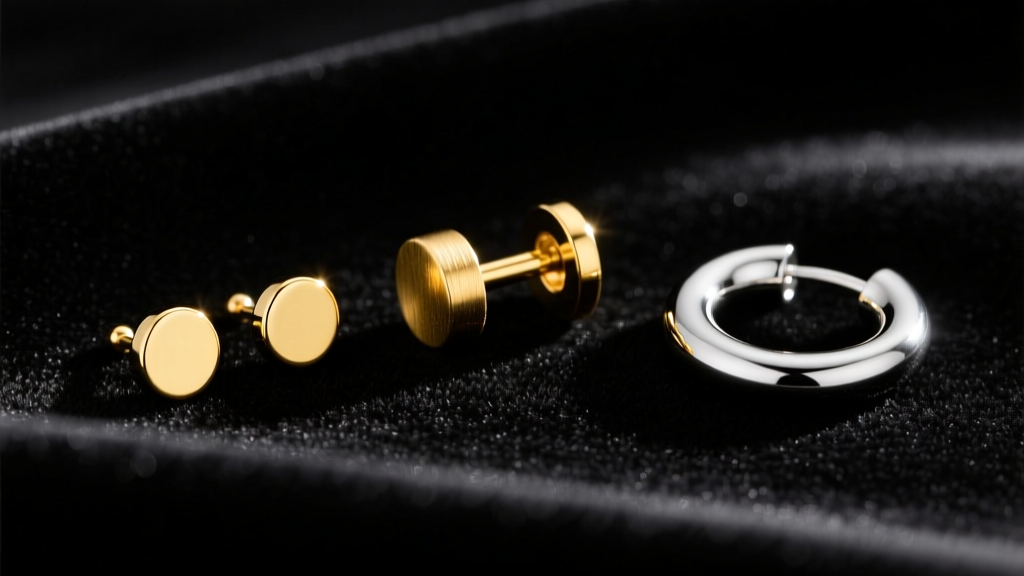
If you are stepping into the world of curated ear projects or simply buying your first pair of quality jewelry, the sheer volume of options can be paralyzing. The phrase type of earrings encompasses far more than just the visual silhouette; it dictates the mechanical closure, the wire thickness (gauge), and the required material grade for your specific piercing location. In 2026, the jewelry industry has firmly moved away from one-size-fits-all mall kiosk piercings, embracing highly specialized, anatomically correct jewelry. To make informed purchases, you must first divide the ear into two distinct zones: the vascular lobe and the avascular cartilage.
Standard earlobe piercings are typically performed at 20-gauge (0.81mm) or 18-gauge (1.02mm). Because lobe tissue is soft and highly vascular, it heals quickly and accommodates lightweight, friction-backed studs. Cartilage piercings—such as the helix, conch, tragus, and daith—are entirely different. Cartilage is dense, lacks direct blood supply, and is usually pierced at 16-gauge (1.29mm) or 14-gauge (1.63mm). Attempting to force a thin 20-gauge lobe stud into a 16-gauge cartilage hole creates the dreaded "cheese-cutter effect," where the thin wire slowly migrates and slices through the dense tissue under the weight of the jewelry.
Decoding Closures: Which Mechanism Fits Your Piercing?
When evaluating any type of earrings, the closure mechanism is the most critical factor for both security and tissue health. Externally threaded jewelry—where the screw pattern is on the post that passes through your skin—is now considered obsolete and harmful by professional piercers, as the sharp threads tear the delicate fistula (the healing tunnel of skin) upon insertion. Today, the market is dominated by two superior standards: internally threaded and threadless (press-fit) jewelry.
| Closure Type | Security Level | Best Piercing Location | Average Price Range |
|---|---|---|---|
| Friction Push-Back (Butterfly) | Low to Medium | Healed Standard Lobes | $15 - $40 |
| Internally Threaded Screw | High | Lobes, Flat, Conch, Helix | $35 - $120+ |
| Threadless (Press-Fit Tension) | Very High | All Cartilage & Lobe | $40 - $150+ |
| Hinged Clicker (Segment Ring) | High | Septum, Daith, Helix Hoops | $30 - $90 |
| Captive Bead Ring (CBR) | Medium (Requires Pliers) | Tragus, Orbital, Cartilage | $15 - $50 |
The Rise of Threadless Jewelry
Threadless jewelry, pioneered by brands like Neometal, utilizes tension rather than threads. The decorative end features a tiny titanium pin that you slightly bend before inserting into the hollow post. The natural tension of the bent metal pressing against the inside wall of the post creates a lock that is incredibly secure, yet easily removable by simply pulling the two pieces apart. This makes it the ultimate choice for flat and conch piercings where screwing a back on blindly behind the ear is frustrating.
Material Grades: What to Buy for Healing vs. Healed Ears
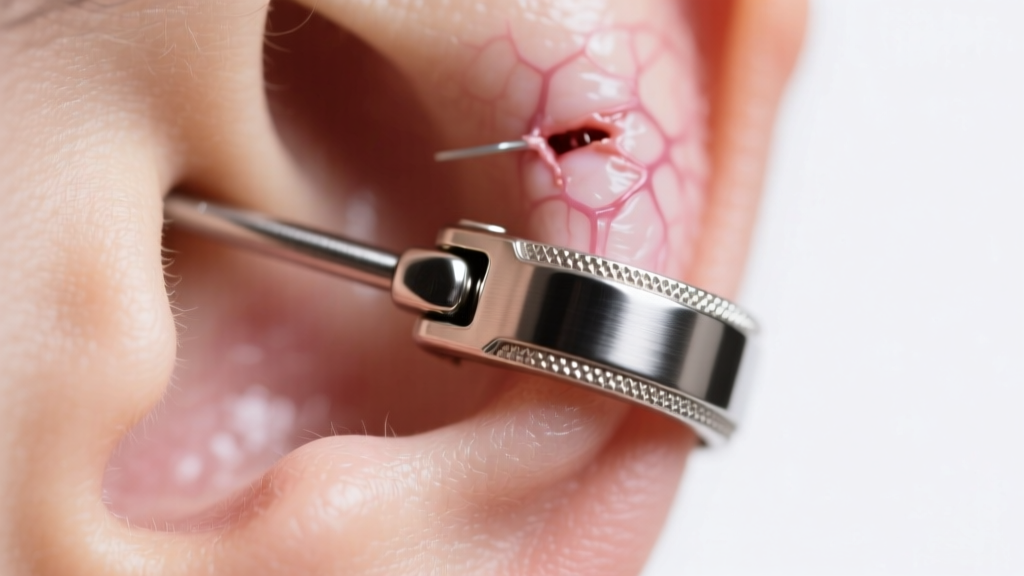
Not all metals are created equal, and your skin's reaction depends entirely on the alloy composition. The Association of Professional Piercers (APP) maintains strict guidelines on what constitutes body-safe jewelry. If you are buying jewelry for a fresh piercing or have a history of contact dermatitis, you must look for specific material certifications.
- Implant-Grade Titanium (ASTM F136): This is the gold standard for fresh piercings and sensitive ears. It is completely nickel-free, lightweight, and can be anodized to create vibrant colors without using paints or dyes that could flake off into the wound.
- Niobium (ASTM B392): Similar to titanium, niobium is highly biocompatible and nickel-free. It is softer than titanium, making it an excellent choice for seamless rings that need to be gently bent to fit the ear's contour.
- Solid 14k or 18k Gold: According to the Gemological Institute of America (GIA), gold must be alloyed with other metals for durability. For body jewelry, it must be alloyed with palladium or silver, never nickel or cadmium. Always verify that the gold is specifically marketed as "nickel-free body jewelry."
- Avoid "Surgical Steel" (316L): Despite the medical-sounding name, 316L stainless steel contains 8% to 10% nickel. While fine for fully healed, non-reactive lobes, it is a primary culprit for allergic reactions, itching, and weeping in cartilage piercings.
Sizing Matters: The Counter-Intuitive Math of Gauge
One of the most confusing aspects for beginners exploring every type of earrings is the gauge system. Wire gauge operates on an inverse scale: the higher the number, the thinner the metal. Understanding this math prevents you from buying jewelry that simply will not fit your piercing.
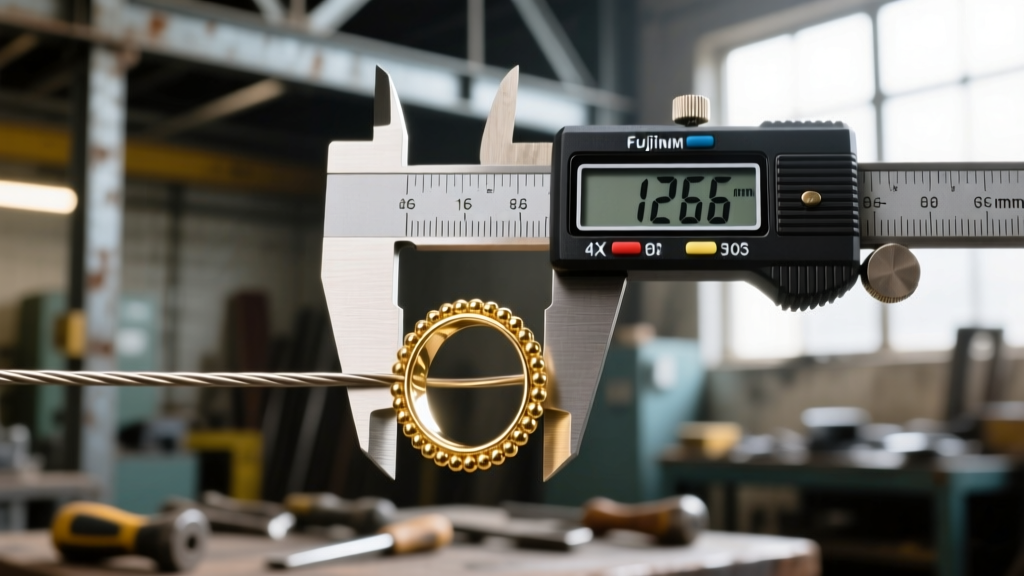
Here is the exact breakdown you need to bookmark before your next purchase:
- 20-Gauge (0.81mm): Standard for cheap fashion jewelry and older mall-kiosk lobe piercings. Rarely used in modern professional cartilage work.
- 18-Gauge (1.02mm): The standard for most healed earlobe piercings and some delicate nose studs.
- 16-Gauge (1.29mm): The universal standard for modern cartilage piercings (helix, flat, tragus, conch). If you visit a reputable studio today, they will almost certainly pierce your cartilage at 16G to ensure stability.
- 14-Gauge (1.63mm): Often used for industrial bars, daith piercings, and stretched lobes.
Beyond gauge, you must also consider the wearable length for posts or the inner diameter for hoops. A fresh helix piercing requires a longer post (usually 5/16" or 8mm) to accommodate swelling. Once healed, you must downsize to a snugger post (usually 1/4" or 6mm) so the jewelry does not snag on hair and clothing, which causes irritation bumps.
Pairing Earring Silhouettes with Face Shapes
When selecting dangles, drops, or statement hoops for healed lobes, the visual geometry of the jewelry should contrast and balance your natural facial structure.
The Contrast Rule: Never mirror your face shape with your earring silhouette. If you have a round face, avoid perfectly circular, chunky hoops that emphasize the curve. Instead, opt for angular, geometric drops or elongated rectangular dangles that draw the eye vertically and create the illusion of length.
For square faces characterized by strong jawlines, soft, curved silhouettes like medium-sized huggie hoops or teardrop dangles help soften the angles. Heart-shaped faces (wider forehead, narrow chin) are beautifully balanced by chandelier earrings or wide, bottom-heavy geometric shapes that add visual weight to the lower half of the face. Oval faces possess balanced proportions and can successfully pull off virtually any type of earrings, from tight ear cuffs to dramatic shoulder-dusting dangles.
Your Step-by-Step Purchasing Checklist
Before you click "add to cart" on any fine jewelry website, run through this quick diagnostic checklist to ensure you are buying the correct piece for your unique anatomy:
- Verify the Gauge: Check your piercing receipt or ask your piercer. Do not guess. Buying a 14G clicker for a 16G helix will result in a return.
- Measure for Hoops: If buying a hoop for a helix or tragus, take a photo of your ear next to a millimeter ruler. Most standard helix hoops require an 8mm or 9mm inner diameter. A 6mm will likely hug the tissue too tightly and cause pressure necrosis.
- Check the Threading: Ensure the product description explicitly states "internally threaded" or "threadless/push-pin." If it does not specify, assume it is externally threaded and avoid it.
- Confirm the Material: Look for "ASTM F136 Titanium" or "Nickel-Free 14k/18k Gold." Ignore vague terms like "hypoallergenic alloy" or "surgical steel" if you have sensitive skin.
By understanding the mechanics, materials, and measurements behind the jewelry, you transition from a passive consumer to an informed collector. Whether you are curating a multi-piercing ear project or simply upgrading your daily lobe studs, prioritizing anatomical fit and material safety ensures your piercings remain healthy, comfortable, and beautifully styled for decades.


