Earrings Feather Styles: A Material & Durability Guide
Compare materials for feather earrings including sterling silver, natural plumes, and resin. Discover weight, durability, and care tips for every style.

The Anatomy of Feather Earrings: Why Material Dictates Longevity
Feather motifs have remained a staple in bohemian, festival, and everyday minimalist jewelry collections for decades. However, when shopping for earrings feather designs, consumers often focus solely on the silhouette while ignoring the material composition. As we navigate the jewelry market in 2026, ethical sourcing and material transparency have become paramount. The physical properties of the base material dictate not only the weight and comfort of the earring but also its structural integrity, allergen profile, and lifespan. In this comprehensive guide, we break down the metallurgical and organic properties of the most common materials used in feather earrings, providing you with a practical framework for your next purchase.
Cast Metal Feather Earrings: Silver, Brass, and Vermeil
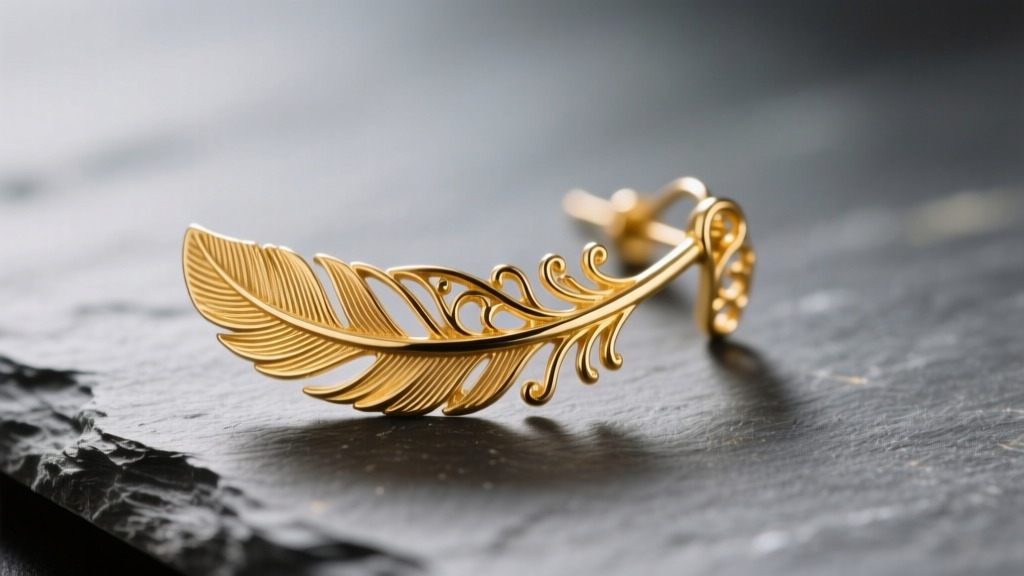
Metal castings are the most durable interpretation of the feather motif, allowing for intricate filigree work that mimics the delicate barbs and rachis of a real plume. However, not all metals perform equally against the skin's natural pH and environmental moisture.
925 Sterling Silver
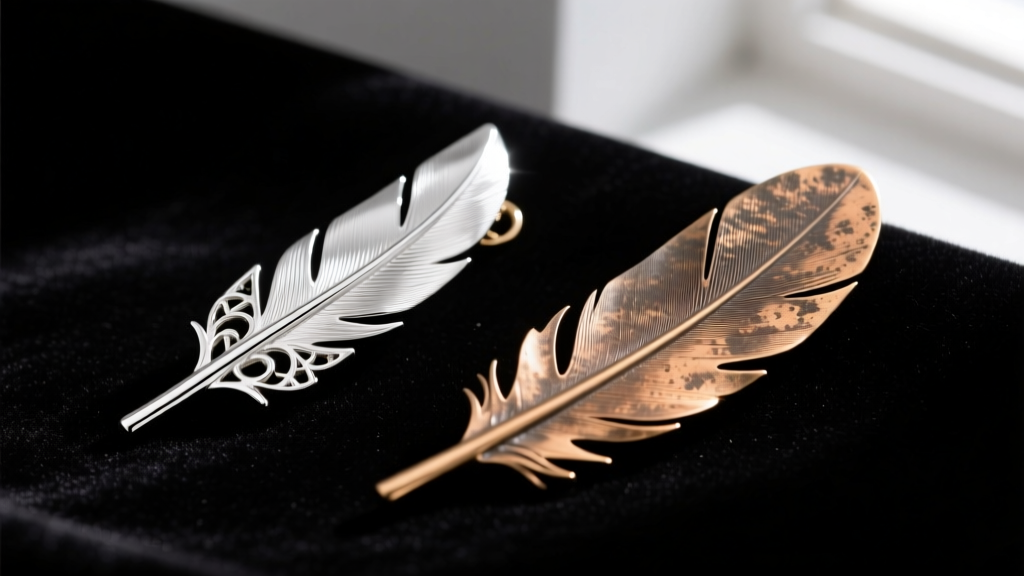
Sterling silver (92.5% pure silver, 7.5% copper alloy) is the industry standard for high-quality fashion jewelry. For feather dangles, 925 silver offers an excellent strength-to-weight ratio. A typical 2-inch sterling silver feather drop earring weighs between 3 to 5 grams, making it comfortable for extended wear on standard 20-gauge (0.81mm) lobe piercings. The primary failure mode for sterling silver is tarnishing (silver sulfide formation) when exposed to sulfur in the air or cosmetics. According to Jewelers of America, regular polishing with a treated cloth easily reverses this oxidation without stripping the metal.
Brass and Bronze Alloys
Brass (copper and zinc) is frequently used for budget-friendly feather earrings due to its low cost and excellent casting fluidity, which captures fine feather textures. However, bare brass has a high failure rate for sensitive ears. The copper content reacts with sweat and sebum, leading to the dreaded "green skin" effect (copper chloride formation). If purchasing brass feather earrings, ensure they are sealed with a clear e-coating or plated. Never wear bare brass in cartilage piercings or freshly healed lobes, as the nickel traces in some cheap alloys can trigger contact dermatitis, a risk heavily documented by the Association of Professional Piercers (APP).
Gold Vermeil
True vermeil requires a sterling silver base plated with at least 2.5 microns of 10k, 14k, or 18k gold. Vermeil feather earrings offer the luxurious warmth of gold without the prohibitive weight and cost of solid 14k gold. The vulnerability lies in the high points of the feather design; the delicate "tips" of the metal barbs experience the most friction and will wear through the gold plating first, exposing the silver beneath.
Natural and Ethically Sourced Feather Earrings
For authentic bohemian styling, nothing replicates the kinetic movement of genuine avian feathers. These earrings are exceptionally lightweight—often weighing less than 1 gram—making them ideal for stretched lobes or delicate cartilage piercings where heavy metals would cause migration or tearing.
Sourcing and Quill Integrity
Ethical jewelers source molted feathers (cruelty-free) from sanctuaries or aviaries, commonly utilizing pheasant, peacock, or guinea fowl plumage. Pheasant feathers offer a slender, elongated profile ideal for minimalist drops, while peacock herl provides an iridescent, fluffy volume. The critical structural weakness in natural feather earrings is the attachment point. If a jeweler uses a heavy metal crimp bead directly onto the fragile calamus (quill), the feather will inevitably snap. High-end artisans instead use a 24-gauge dead-soft wire wrap or a micro-bead cap glued with jeweler's epoxy to distribute the tension.
Moisture and Environmental Vulnerabilities
Natural feathers are highly hygroscopic. In high humidity, the barbs will cling together and lose their fluffy silhouette. To restore a natural feather earring, hold it over a steaming kettle for 3–5 seconds and gently stroke the barbs outward with your fingers. Never wear natural feather earrings in the rain or while swimming, as water exposure will permanently warp the central rachis.
Polymer Resin and Enamel Alternatives
When vibrant, waterproof color is required, jewelers turn to resin and enamel to create stylized feather earrings.
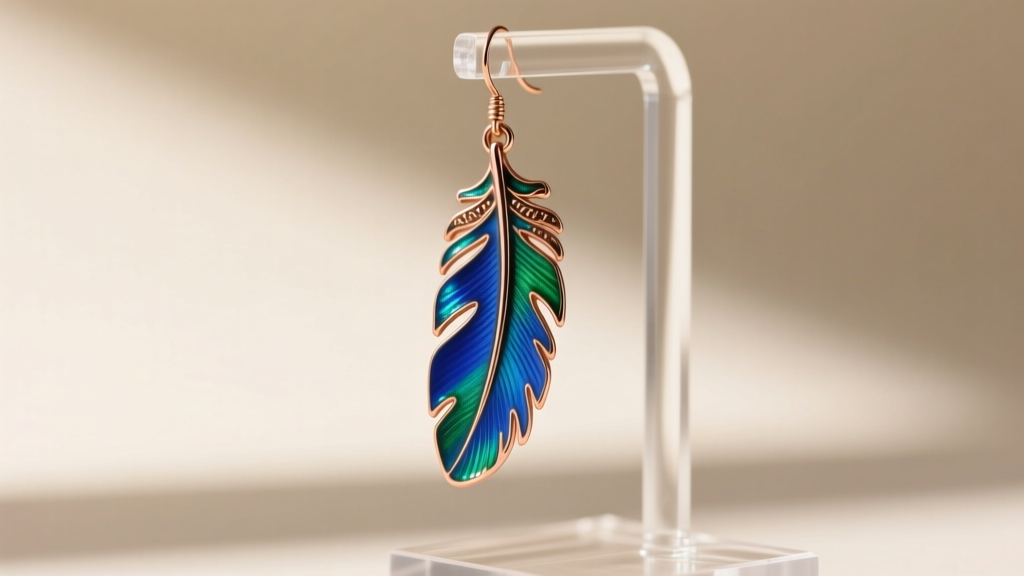
- Vitreous Enamel over Copper: Enamel involves fusing powdered glass to a metal base at high temperatures. Enamel feather earrings are scratch-resistant, waterproof, and maintain brilliant iridescent colors (like peacock blues and greens) indefinitely. They are, however, brittle; dropping them on tile can shatter the glass coating.
- UV and Epoxy Resin: Resin allows for embedded elements, such as real gold leaf or crushed turquoise, within a translucent feather mold. While lightweight and waterproof, lower-quality UV resins are prone to photo-oxidation, meaning clear resin will yellow after 12–18 months of direct sunlight exposure. Always seek cast epoxy resins with added UV inhibitors for longevity.
Material Comparison Matrix
| Material | Average Weight (per earring) | Moisture Resistance | Allergen Risk | Price Range (USD) |
|---|---|---|---|---|
| 925 Sterling Silver | 3.0 - 5.0g | Moderate (Tarnishes) | Very Low | $45 - $120 |
| Gold Vermeil | 3.0 - 5.0g | Low (Plating wears) | Low | $60 - $150 |
| Natural Feather | 0.2 - 0.8g | Very Poor (Warping) | Low (Hardware dependent) | $15 - $40 |
| Vitreous Enamel | 4.0 - 7.0g | Excellent | Low (If copper base) | $50 - $130 |
| Epoxy Resin | 1.5 - 3.0g | Excellent | Moderate (Uncured risks) | $25 - $75 |
Hardware and Post Considerations for Feather Motifs
The silhouette of a feather earring is inherently elongated, creating a pendulum effect that places unique stress on the earlobe. The choice of earring hardware is just as critical as the feather material itself.
The Center of Gravity Problem
Long metal feather dangles (over 2.5 inches) often suffer from a forward-leaning center of gravity, causing the earring to flip upside down or drag the lobe downward. To counteract this, look for designs that incorporate a "French wire" (fishhook) with a decorative front-facing coil, or leverback closures that lock securely behind the ear. Standard friction push-backs on straight posts are entirely unsuitable for heavy cast metal feather designs, as the kinetic movement will slowly work the backing off the post, leading to lost earrings. For lightweight natural or resin feather hooks, adding a small silicone stopper behind the metal backing provides essential security.
Wire Gauge Sizing
For standard lobe piercings, a 20-gauge (0.81mm) or 22-gauge (0.64mm) wire is appropriate for lightweight resin or natural feather hooks. However, if you are wearing heavy solid brass or thick sterling silver feather hoops, the wire must be 18-gauge (1.02mm) to prevent the metal from bending out of shape when taking the earrings on and off.
Care and Troubleshooting by Material
"The most common mistake clients make with intricate metal feather earrings is using liquid silver dips. These harsh chemicals strip the oxidized antiquing that jewelers intentionally apply to the filigree grooves to make the feather texture pop. Always use a dry, treated polishing cloth." — Master Bench Jeweler
To maintain your collection, store metal feather earrings in anti-tarnish ziplock bags with silica gel packets to control ambient moisture. If the delicate metal barbs of a silver or brass feather earring become bent or snagged, do not pull them with your fingers; instead, use nylon-jaw jewelry pliers to gently coax the wire back into alignment without marring the finish. For resin pieces, clean them with a damp microfiber cloth and mild soap—never use alcohol-based cleaners, which will cloud the polymer matrix. By matching the material properties to your lifestyle and local climate, your feather earrings will remain a dynamic, beautiful staple in your jewelry rotation for years to come.


