Decoding Earrings in French: A Guide to Wire & Clip Styles
Discover what to look for when buying earrings in French styles. Our guide covers French wire, omega clips, gauges, and hallmark authenticity.

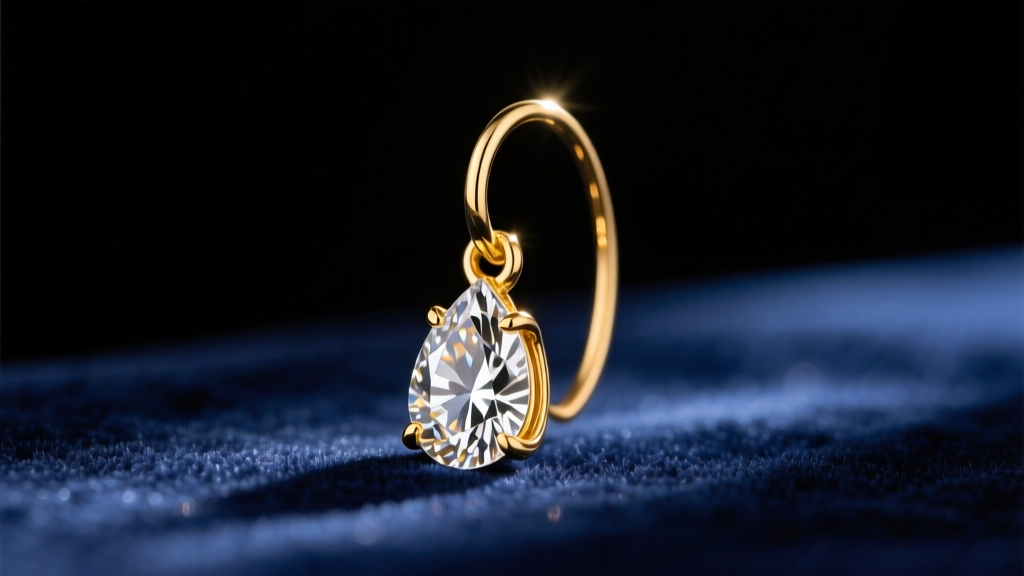
When collectors, stylists, and fine jewelry enthusiasts search for earrings in French styles, they are rarely just looking for a simple translation of boucles d'oreilles. Instead, they are seeking a specific lineage of mechanical ingenuity, ergonomic design, and metallurgical excellence that has defined Parisian jewelry houses for over a century. From the sweeping curve of the French wire to the complex, spring-loaded architecture of the French omega clip, understanding these distinct closure systems is critical for anyone investing in high-end or vintage ear adornments.
This comprehensive buying guide breaks down the exact specifications, gauge requirements, and hallmark authentications you need to know before purchasing French-style earrings in 2026. Whether you are evaluating a vintage Cartier clip or a contemporary artisan shepherd’s hook, knowing what to look for will save you from poor fits, bent metals, and counterfeit alloys.
The Anatomy of Parisian Design: What Defines the Style?
French jewelry design prioritizes a seamless transition between the earring's decorative face and its structural backing. Unlike standard friction backs (butterfly clutches) which can look bulky and trap debris, French closures are designed to be as elegant from the rear as they are from the front. The terminology itself is a marker of quality: crochets (hooks), dormeuses (sleeper hoops with leverbacks), and clips d'oreilles (hinged clips) all denote specific mechanical approaches to securing the earring to the lobe without sacrificing the drape or movement of the piece.
French Wire (Crochet) Earrings: The Buyer's Checklist
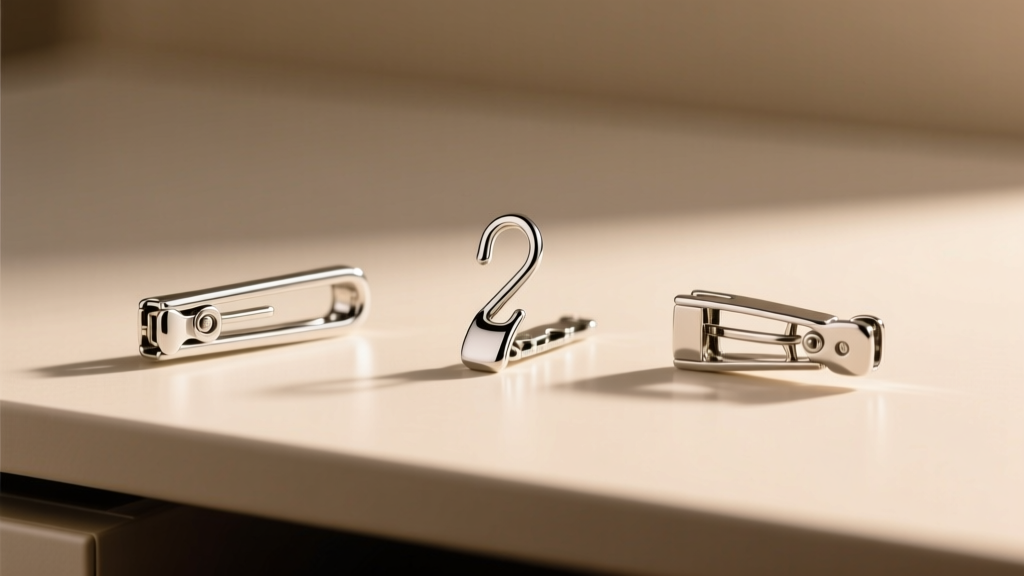
The French wire, often called a shepherd's hook or fishhook, is the most ubiquitous closure for drop and dangle earrings. However, not all wires are created equal. When evaluating French wire earrings, you must scrutinize the gauge, the alloy, and the security mechanism.
Gauge Thickness and Structural Integrity
The thickness of the wire dictates both comfort and durability. Look for the following gauge specifications:
- 20-Gauge (0.81mm): The industry standard for fine French wires. It provides the perfect balance of structural integrity to hold a 5-gram gemstone drop without bending, while remaining thin enough to slide comfortably through a standard lobe piercing.
- 22-Gauge (0.64mm): Often found in ultra-lightweight, delicate vintage pieces. While comfortable, 22g wires are prone to warping and require careful handling. Avoid this gauge for heavy chandelier styles.
- 18-Gauge (1.02mm): Rare in standard drops but necessary for heavy, statement-making chandelier earrings to prevent the wire from pulling through the lobe under the weight of the metal.
Security Modifications: Kidney Wires and Leverbacks
A traditional open French wire can easily slip out if caught on clothing. When buying, look for the French kidney wire, which features a thin, secondary catch wire that hooks into a small loop at the front, securing the earring. Alternatively, the dormeuse (leverback) utilizes a hinged wire that clicks securely into a front-facing latch, offering maximum security for high-value diamond drops.
French Clips and Omega Backs: Engineering Comfort
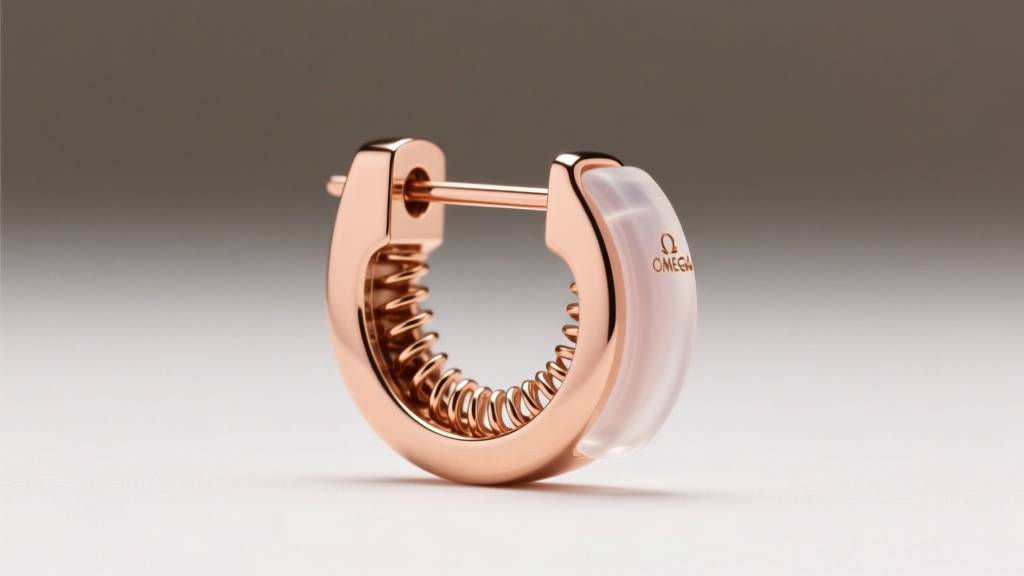
For non-pierced ears, or for heavy vintage designs that require additional support, the French clip (often integrated with an Omega back) is a masterpiece of micro-engineering. Unlike standard paddle clips that pinch the earlobe aggressively, a true French omega clip utilizes a hinged, spring-loaded mechanism that wraps around the ear wire, distributing pressure evenly.
What to Look For in Vintage and Modern Clips
When inspecting a French clip earring, test the hinge tension. The mechanism should open smoothly and snap shut with a firm, audible click. A loose hinge indicates worn internal springs, which will require a jeweler's intervention. Furthermore, modern retrofits and high-end contemporary French clips often include a clear, medical-grade silicone comfort pad on the inner paddle. If you are buying vintage pieces from the 1950s to 1980s that lack this pad, budget an extra $20 to $40 to have a jeweler add one, preventing the lobe throbbing associated with prolonged clip wear.
Hallmarks and Authenticity: The Poinçon de Garantie
You cannot discuss buying authentic French jewelry without addressing the Poinçon de Garantie (guarantee stamp). France has some of the strictest precious metal laws in the world. According to authoritative resources like Lang Antiques University and Invaluable's guide to French marks, French jewelry must bear specific maker's marks and state hallmarks.
- The Eagle Head (Tête d'Aigle): Stamped on all French gold jewelry that is 18k (750 parts per thousand) or higher. If a piece is marketed as authentic 18k French gold but lacks this microscopic stamp, it is likely a counterfeit or an import not assayed in France.
- The Dog Head (Tête de Chien): The official hallmark for 18k white gold and platinum in older vintage pieces, though modern platinum often uses a dog's head or a specific maker's lozenge.
- The Maker's Lozenge: A diamond-shaped stamp containing the jeweler's initials and a symbol (like a star or anchor). This is legally required and allows you to trace the piece back to its original Parisian workshop.
Comparison Matrix: French Closures vs. Standard Fittings
To understand the value proposition of French engineering, compare it to standard mass-market closures:
| Feature | French Wire / Omega Clip | Standard Post & Friction Back |
|---|---|---|
| Metal Purity Standard | Typically 18k Gold (750) or Platinum | Often 14k Gold (585) or Sterling Silver |
| Drape and Movement | Excellent; allows drops to swing freely | Rigid; restricts forward movement |
| Security | Moderate (Wire) to High (Omega/Lever) | High (if friction back is tight) |
| Earlobe Pressure | Evenly distributed (Omega) or Minimal (Wire) | Concentrated on a single puncture point |
| Average Price Range | $350 - $5,000+ (Fine/Designer) | $50 - $800 (Commercial Fine) |
Pricing Tiers and Final Buying Advice
When shopping for earrings in French styles, expect to pay a premium for the labor-intensive craftsmanship and higher metal purity. Entry-level artisan French wire drops in 18k gold typically start around $400 to $600. Vintage designer clips (such as those by Mauboussin, Boucheron, or Cartier) generally range from $2,500 to $15,000, heavily dependent on gemstone quality and provenance.
Always use a 10x jeweler's loupe to inspect the interior curves of the wire and the hinge of the clip for the eagle head hallmark. By prioritizing correct gauge thickness, secure mechanical modifications, and verified French assay marks, you ensure your investment is as structurally sound as it is aesthetically breathtaking.


