Earrings Omega Back Trends: 2026 Comfort & Style Guide
Explore 2026 earrings omega back trends, from heavy sculptural gold hoops to technical tension calibration and lobe comfort guides for luxury jewelry.

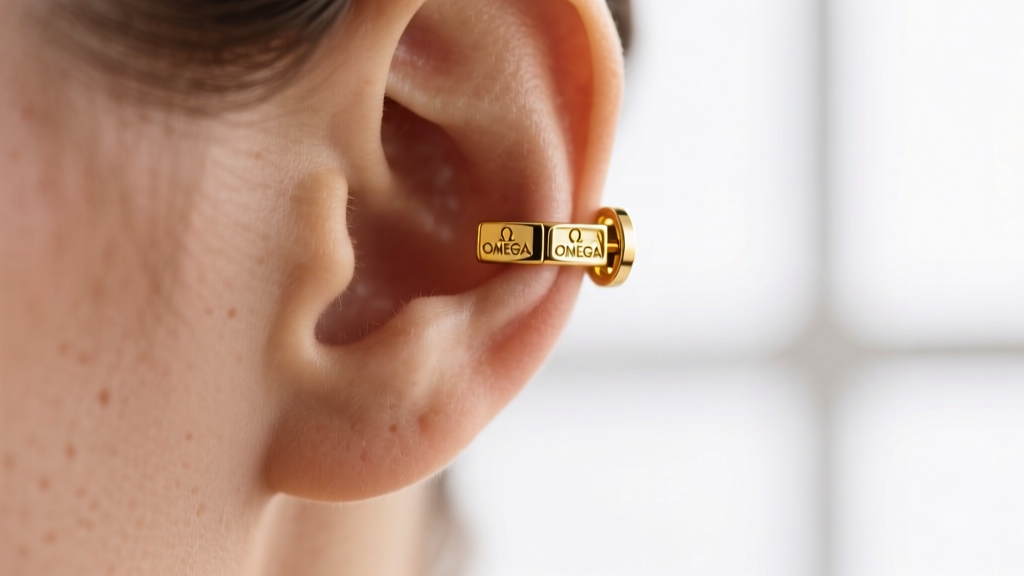
The Renaissance of the Omega Back in Modern Jewelry
For decades, the omega back was relegated to the realm of vintage clip-ons and heirloom pearl studs. However, as we navigate the jewelry landscape of 2026, the earrings omega back mechanism has experienced a massive renaissance. Driven by the resurgence of heavy, sculptural gold hoops and a consumer demand for ergonomic luxury, designers are re-engineering this classic closure to support substantial carat weights without sacrificing comfort. In this comprehensive style and trend analysis, we dissect the mechanics, material sciences, and styling frameworks defining the omega back revival.
The Anatomy of the Earrings Omega Back Mechanism
To understand why the omega back is dominating 2026 runways, we must first look at its engineering. Unlike a standard friction post and butterfly clutch, an omega back features a hinged, U-shaped wire (resembling the Greek letter omega, Ω) that snaps over a central post or directly onto the earlobe.
- The Hinge: A precision-machined barrel hinge that allows the wire to swing open and closed smoothly.
- The Tension Wire: The curved omega loop that provides the clamping force against the earlobe.
- The Catch (or Saddle): The grooved metal piece where the wire snaps into place, securing the earring.
When analyzing the current market for earrings omega back closures, we see a distinct shift toward hybrid designs. These feature a standard 18-gauge or 16-gauge pierced post for the front of the lobe, combined with an omega wire that wraps around the back of the lobe to distribute the weight of heavy drop elements or thick gold tubing.
2026 Trend Analysis: Sculptural Gold and Hybrid Silhouettes
The defining jewelry trend of 2026 is 'Architectural Volume.' Consumers are moving away from delicate, barely-there chains and embracing bold, liquid-metal silhouettes. This shift necessitates a stronger closure system.
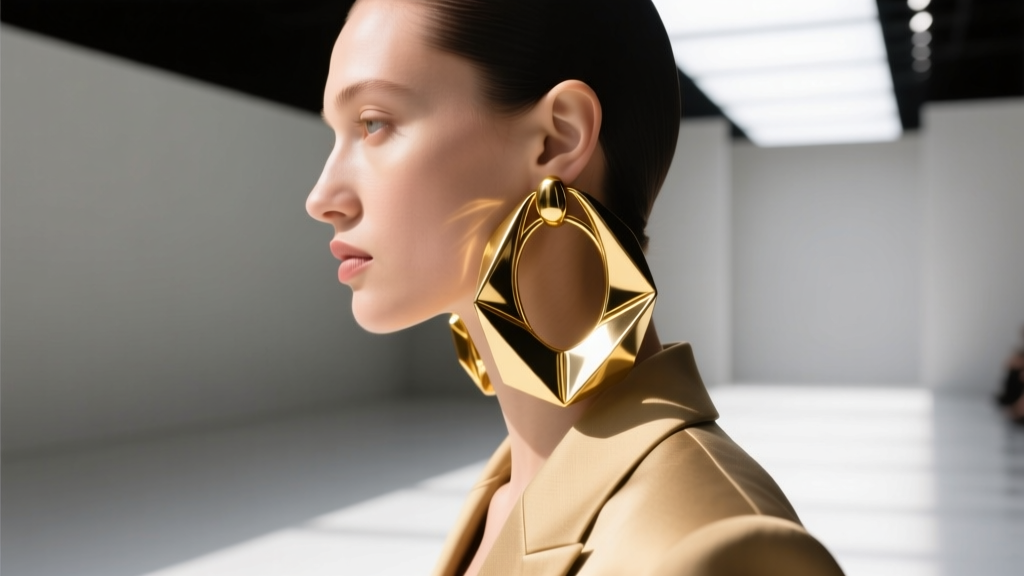
Trend 1: The Chunky Liquid Gold Hoop
Brands like Jennifer Fisher and Anita Ko have popularized thick, hollow-tube gold hoops that can weigh upwards of 12 grams per earring. A standard butterfly clutch will inevitably cause the earring to droop, stretching the piercing. The omega back acts as a structural scaffold, hugging the earlobe and keeping the hoop perfectly perpendicular to the face.
Trend 2: The Convertible Pierced-to-Clip-On
Inclusivity in jewelry design has led to the 'convertible omega.' This innovative finding features a removable front post, allowing the piece to be worn as a traditional pierced earring or as a high-tension clip-on for non-pierced ears. This dual-functionality is a major selling point for luxury houses looking to maximize their addressable market.
"The omega back is no longer just a nostalgic finding; it is a critical load-bearing component in modern heavy-gauge gold jewelry. Without it, the sculptural hoop trend would literally weigh down the consumer's earlobe." — Master Jeweler & CAD Specialist, Rio Grande Findings Division
Technical Deep Dive: Metal Alloys and Tension Fatigue
From an E-E-A-T perspective, the most common failure mode of an omega back is 'tension fatigue'—the point at which the omega wire loses its springiness and fails to snap securely against the saddle. This is entirely dependent on the metallurgy of the wire.
According to the Gemological Institute of America (GIA), pure 24k gold is far too soft for mechanical findings. Even 18k gold, while prized for its rich color on the front of the earring, lacks the Vickers hardness required for a high-tension omega wire. Therefore, elite jewelry manufacturers utilize specific alloys for the back mechanism.
| Metal Alloy | Hardness (Vickers) | Tension Retention | Best Use Case |
|---|---|---|---|
| 18k Yellow Gold | ~130 HV | Poor | Decorative fronts only; requires frequent tightening |
| 14k Yellow Gold | ~180 HV | Moderate | Standard luxury hoops; good balance of color and spring |
| Spring-Hard Beryllium Copper | ~380 HV | Excellent | High-tension clip-ons; usually rhodium or gold-plated |
| Platinum 950/Ru | ~135 HV | Excellent (Springy) | Ultra-fine heirloom pieces; naturally white and durable |
When shopping for fine jewelry, always check the specifications of the finding. A high-end piece will often feature an 18k gold front face with a 14k gold or platinum omega back wire to ensure the clasp remains secure for decades. For more technical specifications on jewelry findings and metallurgy, Rio Grande's findings catalog remains an industry-standard resource for jewelers and informed collectors.
Fit and Calibration: Accommodating Different Lobe Thicknesses
The human earlobe varies wildly in thickness, typically ranging from 3mm to 8mm. A poorly calibrated omega back will either pinch the lobe (causing ischemia and pain) or sit too loosely (allowing the heavy earring to wobble).
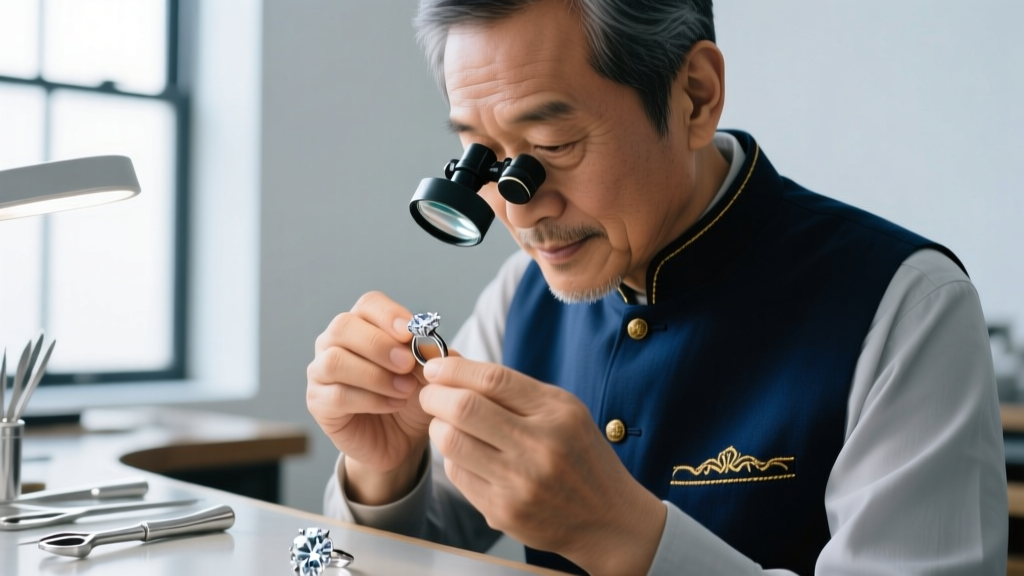
How to Adjust the Tension Wire
If your earrings omega back feels too tight or too loose, the tension wire can be carefully calibrated. Using nylon-jaw pliers to prevent marring the precious metal, a jeweler can gently bend the omega loop outward to increase the gap, or inward to decrease it. The ideal gap between the post and the closed omega wire should be exactly 1mm less than your lobe's thickness to allow for the clamping force without cutting off circulation.
The Silicone Pad Revolution
For those with highly sensitive lobes or those wearing exceptionally heavy vintage pieces, 2026 has seen a surge in the use of medical-grade silicone comfort pads (often referred to generically as BlingWraps). These slip over the central post and rest against the earlobe, providing a cushioned barrier that distributes the clamping force of the omega wire over a wider surface area, virtually eliminating pressure necrosis.
Market Pricing and Investment Value
Because the omega back requires more complex machining, a barrel hinge, and precise hand-assembly, earrings featuring this closure command a premium over standard post-and-clutch designs. Here is a breakdown of what to expect in the current market:
- Entry-Level Luxury (Vermeil/Brass): $150 – $350. Often uses plated beryllium copper wires. Great for trend-driven seasonal wear.
- Mid-Tier Fine Jewelry (14k Gold): $600 – $1,800. The sweet spot for everyday heavy hoops. Offers excellent tension retention and intrinsic gold value.
- High Jewelry & Heritage Brands (18k/Platinum): $3,500 – $12,000+. Think vintage Chanel, Cartier, or bespoke artisan goldsmiths. These pieces often feature hidden hinges and seamless integration into the earring's sculptural design.
Final Verdict: The Omega Back is Here to Stay
The revival of the earrings omega back is not a fleeting micro-trend; it is a necessary evolution in jewelry engineering dictated by the consumer's appetite for bolder, heavier, and more expressive ear styling. By understanding the metallurgy of the tension wire, the importance of proper lobe calibration, and the structural benefits it provides, collectors and stylists can confidently invest in heavy-gauge gold hoops that are as comfortable as they are visually striking. As we move further into 2026, expect to see even more seamless, hidden-hinge omega designs that blur the line between mechanical finding and wearable art.


