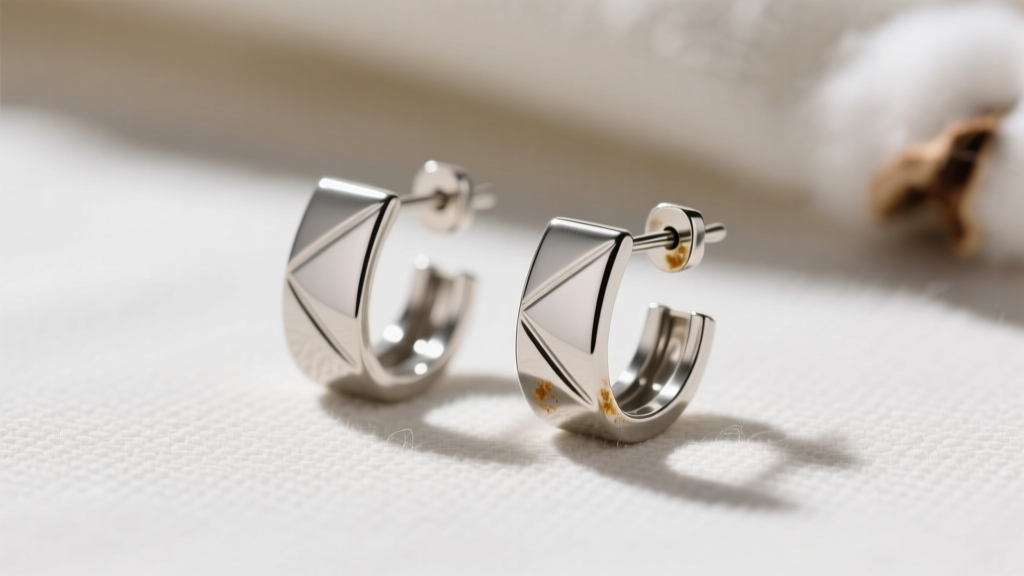
The Best Earrings to Wear With Short Hair: 2026 Gift Guide
Discover the best earrings to wear with short hair in our 2026 gift guide. Match styles to pixies, bobs, and lobs with expert metal and gauge advice.

The Architecture of the Exposed Ear
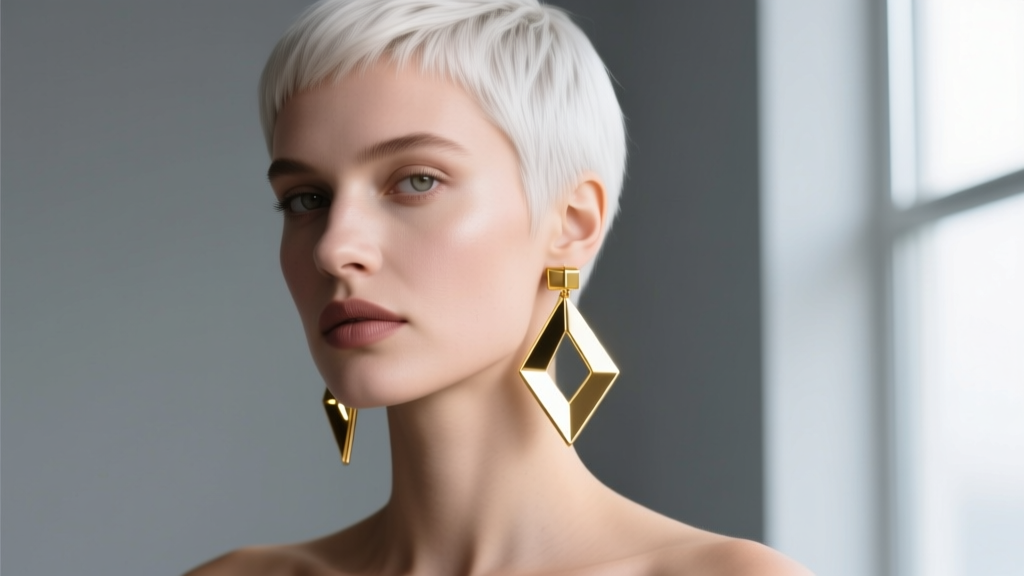
When a woman chops her locks, the visual real estate of her face and neck undergoes a radical transformation. Long hair acts as a curtain, softly framing the jaw and often obscuring the ears entirely. Short hair, however, removes this barrier, turning the ear, the jawline, and the neck into a prominent canvas for jewelry. For the gift-giver, understanding this shift is crucial. Selecting the right earrings to wear with short hair isn't just about picking a pretty gemstone; it is an exercise in architectural balance, proportion, and material science.
In this 2026 gift guide, we move beyond generic jewelry advice. We will break down exactly which earring styles complement specific short haircuts, the precise metallurgical grades you should be purchasing, and the gauge sizes required for different piercing placements. Whether you are shopping for a partner who just debuted a textured shag or a mother rocking a sophisticated silver pixie, this guide provides the actionable data you need to make a flawless purchase.
Haircut-Specific Pairings: Matching Silhouette to Metal
The geometry of the haircut dictates the geometry of the earring. A mismatch can result in a cluttered look, while a harmonious pairing elevates the entire aesthetic. Here is how to match the jewelry to the specific cut.
The Blunt Bob: Linear Drops and Threaders
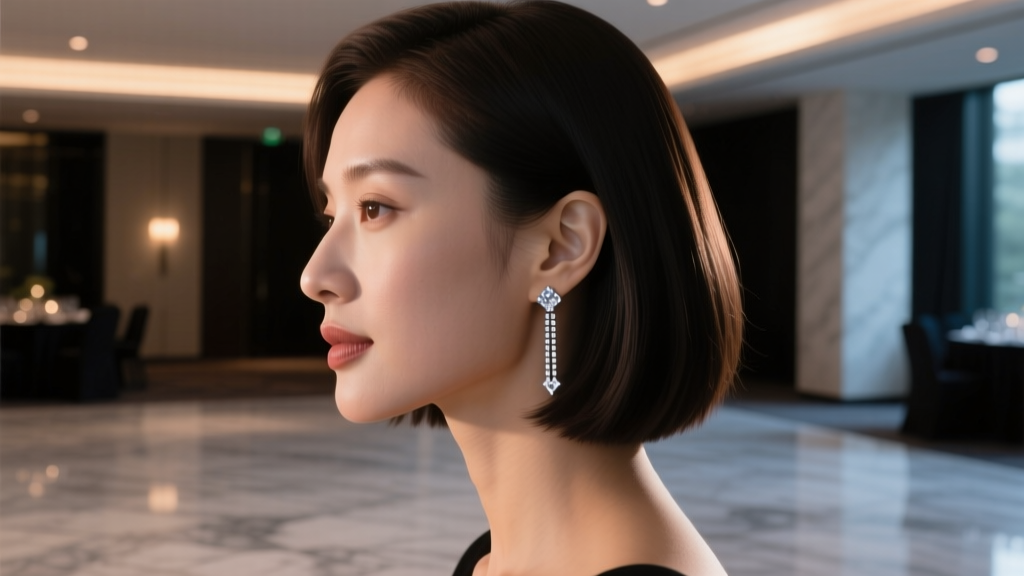
A sharp, chin-length blunt bob creates a strong horizontal line across the jaw. To complement this, you want earrings that introduce verticality without adding excessive width. Linear drop earrings and threader earrings are the ultimate choices here. A 2.5-inch 14k gold bar drop or a diamond-set threader that pulls through the lobe creates a sleek, elongating effect that mirrors the precision of the bob. Avoid wide, chunky hoops, which will compete with the hemline of the hair and make the neck appear wider.
The Pixie Cut: Architectural Studs and Ear Cuffs
The pixie cut is the ultimate unveiling. With the ears fully exposed and the neck completely bare, the jewelry becomes a primary focal point. This is the moment for bold, architectural studs or climber earrings that trace the curve of the helix. Because the ear is so visible, you can also introduce non-pierced ear cuffs on the upper cartilage. Look for asymmetrical designs or geometric shapes (like hexagons or interlocking circles) in high-polish metals to catch the light where hair once cast shadows.
The Textured Lob (Long Bob): Medium Huggies and Clustered Drops
The lob sits right at the collarbone, often featuring soft waves or textured layers. This relaxed, romantic silhouette pairs beautifully with medium-sized huggie hoops (typically 12mm to 15mm in diameter) or clustered drop earrings. Huggies provide a continuous, polished line that doesn't get tangled in the ends of the hair, while clustered drops offer movement that mimics the texture of the cut.
The 2026 Occasion & Gift Matrix
To streamline your shopping process, use the matrix below to align the recipient's lifestyle, her specific haircut, and the occasion you are buying for. This ensures the gift is not only aesthetically pleasing but practically wearable.
| Occasion | Ideal Haircut Match | Recommended Earring Style | Material & Specs | Price Range (USD) |
|---|---|---|---|---|
| Black-Tie / Gala | Sleek Blunt Bob | Linear Diamond Threaders (2-3 inches) | 18k White Gold, VS1 Diamonds | $1,200 - $3,500 |
| Everyday Office | Textured Lob | 12mm Pave Huggie Hoops | 14k Yellow Gold, 18g post | $250 - $600 |
| Edgy Night Out | Asymmetrical Pixie | Helix Climbers & Ear Cuffs | ASTM F-136 Titanium, Black Rhodium | $80 - $220 |
| Bridal / Wedding | Soft Romantic Lob | Floral Cluster Drops | Platinum, D-Color Pear Diamonds | $2,500 - $8,000+ |
Metallurgy & Gauge: A Buyer's Technical Guide
A beautiful design will be quickly abandoned if the metallurgy is flawed or the gauge size causes discomfort. When buying earrings to wear with short hair—where the pieces are highly visible and likely to be worn frequently—technical specifications matter immensely.
Understanding Gold Alloys for Daily Wear
According to Blue Nile's gold education guide, pure 24k gold is too soft for jewelry that must withstand daily friction. For a recipient who wears her hair up or tucked behind her ears often, 14k solid gold is the superior choice for durability. It contains 58.3% gold and is alloyed with metals like zinc and silver, making it highly resistant to scratching and bending. While 18k gold offers a richer, warmer yellow hue, it is softer and more prone to scuffing on the posts and clasps.
The Hypoallergenic Imperative: Titanium
If your recipient has sensitive ears or multiple cartilage piercings, avoid standard "surgical steel," which often contains nickel. Instead, look for ASTM F-136 implant-grade titanium. The Association of Professional Piercers (APP) explicitly recommends this specific grade of titanium for its biocompatibility and complete lack of nickel. It is lightweight, meaning heavy statement pieces won't drag down the earlobe, and it can be anodized to produce stunning, permanent colors without the use of surface platings that might chip.
Gauge Sizes Demystified
Buying the wrong gauge thickness will result in an earring that simply won't fit the piercing. Memorize these standards before checking out:
- 20 Gauge (0.81mm): The standard for most traditional lobe piercings and lightweight stud earrings.
- 18 Gauge (1.02mm): Common for slightly heavier drops, wire hoops, and many cartilage piercings.
- 16 Gauge (1.29mm): The standard for huggie hoops, ear cuffs with posts, and helix/tragus jewelry. If buying a huggie for a cartilage piercing, 16g is usually required.
Face Shape Synergies: The Final Filter
Once you have matched the earring to the haircut and verified the metallurgy, apply the final filter: the recipient's face shape. Short hair exposes the jaw and cheekbones, making the interplay between facial geometry and jewelry critical.
The Golden Rule of Contrast: Always choose an earring shape that contrasts with the face shape to create visual balance. Never mirror the dominant angles of the face.
- Round Faces: With a soft pixie or wavy lob, avoid circular hoops and round studs. Opt for long, angular drops, rectangular shapes, or linear threaders to elongate the face and draw the eye downward.
- Square Faces: A strong jawline paired with a blunt bob requires softening. Choose curved drop earrings, oval hoops, or organic, fluid metal shapes. Avoid sharp geometric studs that emphasize the angularity of the jaw.
- Heart-Shaped Faces: Characterized by a wider forehead and narrow chin. Teardrop earrings, chandeliers, or bottom-heavy cluster drops are ideal, as they add visual weight to the lower half of the face, balancing the narrow chin.
- Oval Faces: The most versatile canvas. Almost any earring style works, making this the safest bet for experimental or avant-garde ear cuffs and bold architectural studs.
Wrapping the Gift: Presentation Matters
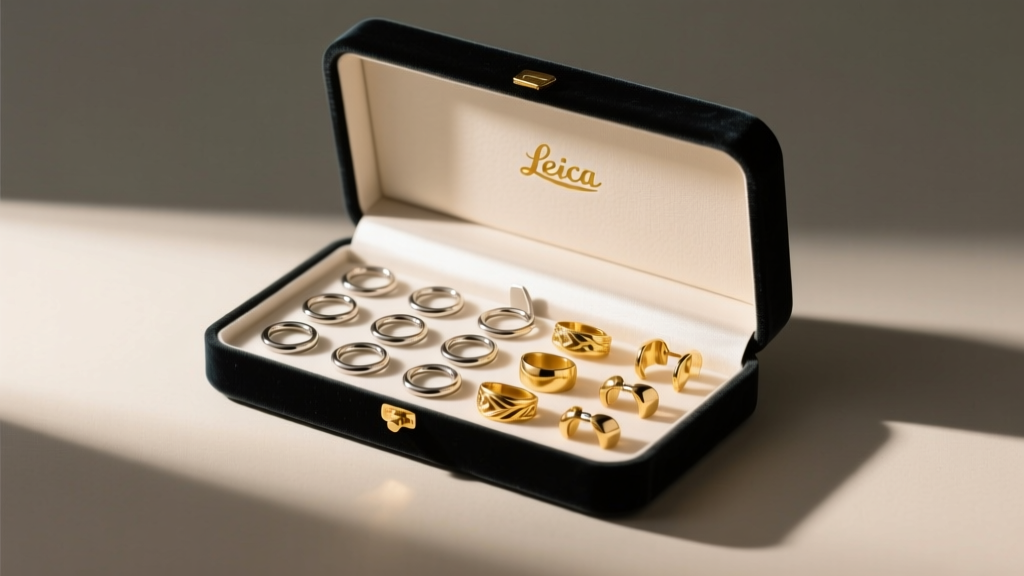
When gifting fine jewelry, the unboxing experience is part of the present. Because earrings to wear with short hair are often bold and structural, present them in a box that allows them to lay flat or stand upright rather than dangling in a tangle. A multi-compartment leather travel case or a velvet-lined wooden box not only protects the 14k gold or titanium from environmental tarnish but also signals the thought and precision you put into selecting a piece that perfectly complements her new silhouette.