The Ultimate Guide to Sterling Silver Ball Stud Earrings
Discover how to choose the perfect sterling silver ball stud earrings. Learn about silver grades, gauge sizes, backing types, and allergy tips.

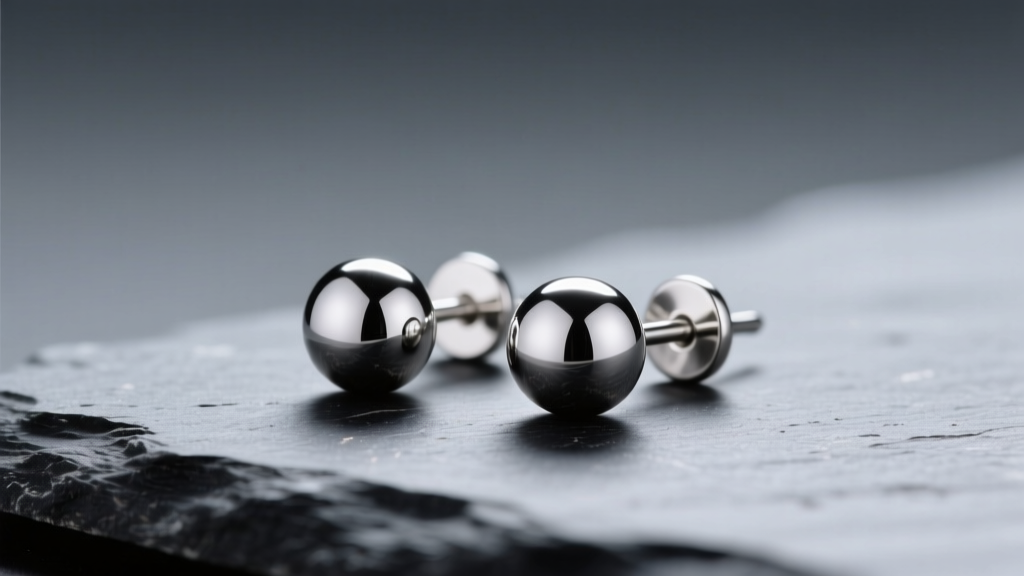
Why Sterling Silver Ball Studs Remain a Timeless Staple
When it comes to building a versatile, everyday jewelry wardrobe, few pieces offer the understated elegance and utility of sterling silver ball stud earrings. Whether you are curating a minimalist ear stack, seeking a hypoallergenic option for sensitive newly pierced lobes, or simply need a reliable pair for professional environments, spherical silver studs are the ultimate foundational piece. However, not all silver earrings are created equal. As we navigate the jewelry market in 2026, understanding the metallurgical nuances, structural variations, and backing mechanisms is crucial for making an informed purchase that balances comfort, longevity, and aesthetic appeal.
Decoding Silver Grades: .925 vs. Fine Silver vs. Argentium
The term 'silver' is frequently misused in fast-fashion jewelry. To ensure you are purchasing genuine sterling silver ball stud earrings, you must understand the alloy compositions. According to the Gemological Institute of America (GIA), pure silver (often stamped .999) is too soft for functional jewelry posts, as it will easily bend and lose its shape. Therefore, jewelers rely on alloys.
Standard Sterling (.925)
Standard sterling silver consists of 92.5% pure silver and 7.5% alloy metals, traditionally copper. While copper provides the necessary tensile strength for earring posts, it is also the culprit behind oxidation and tarnish. If you live in a humid climate, standard .925 sterling silver will require regular polishing to maintain its high-shine finish.
Argentium Silver (The Modern Upgrade)
For buyers seeking low-maintenance luxury, Argentium silver is the superior choice. This modern alloy replaces a portion of the copper with germanium, resulting in a metal that is highly resistant to tarnish and firescale. Argentium studs retain their brilliant white luster significantly longer than traditional sterling, making them worth the slight premium in price.
Sizing, Gauge, and Proportion
Selecting the correct diameter and post thickness is where many buyers make mistakes. The visual weight of a ball stud changes dramatically with just a single millimeter of difference, and the post gauge dictates both comfort and piercing health.
| Ball Diameter | Visual Impact | Best Application |
|---|---|---|
| 2mm - 3mm | Subtle, minimalist | Upper lobe, cartilage, helix, or second/third piercings |
| 4mm - 5mm | Classic, everyday | Standard primary lobe piercings, office wear, men's studs |
| 6mm - 8mm | Bold, statement | Evening wear, stretched lobes, or solo focal pieces |
Understanding Post Gauge
The 'gauge' refers to the thickness of the metal post that passes through your ear. The global standard for sterling silver ball stud earrings is 20-gauge (0.81mm). This thickness is delicate enough for comfort but sturdy enough to support a ball up to 5mm in diameter. If you are purchasing larger 6mm+ balls, or if you have piercings that tend to shrink or reject thin metals, look for 18-gauge (1.02mm) posts, which offer enhanced structural integrity and a more premium, weighty feel.
Backing Mechanisms: Security Meets Comfort
The backing of your earring is just as important as the front-facing sphere. The wrong backing can cause irritation, harbor bacteria, or result in lost jewelry. Here is how the three primary mechanisms compare in the current market:
- Butterfly Friction Backs: The most common and economical option. They slide onto a notched post and rely on tension. While easy to use, the crevices can trap dead skin and soap, requiring weekly cleaning to prevent contact dermatitis.
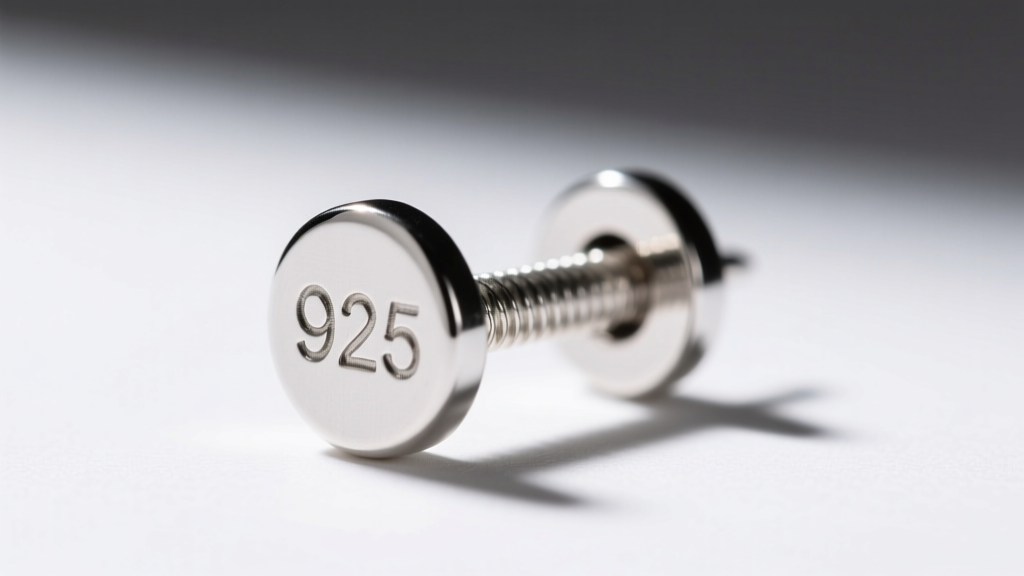
- Threaded Screw Backs: These feature a post with precision-cut threads and a backing that screws on. They are the gold standard for security, ideal for travel, sports, or sleeping, as they will not accidentally dislodge.
- Flat-Back (Labret) Threadless Ends: A favorite among professional piercers, this style uses a flat titanium or silver disc that sits flush against the back of the earlobe. The sterling silver ball front pushes into the hollow post via tension. This is the most comfortable option for side-sleepers and eliminates the 'poke' of traditional post ends.
Hypoallergenic Concerns and Nickel Traces
A common misconception is that sterling silver is universally hypoallergenic. While pure silver is inert, the 7.5% alloy in standard .925 silver can sometimes trigger reactions. In high-quality jewelry, this alloy is copper. However, in poorly regulated, mass-produced imports, manufacturers may use nickel or cadmium to cut costs. Nickel is a potent sensitizer, and prolonged exposure can lead to severe allergic contact dermatitis. The American Academy of Dermatology notes that nickel allergies are among the most common causes of allergic contact dermatitis worldwide.
Pro-Tip for Sensitive Ears: If you have known metal sensitivities, opt for sterling silver ball studs that are explicitly plated with a thick layer of rhodium or platinum. Rhodium is a noble metal in the platinum group that provides a brilliant, mirror-like finish and creates an inert barrier between the copper alloy and your skin. Alternatively, seek out brands that guarantee 'nickel-free' sterling or utilize Argentium alloys.
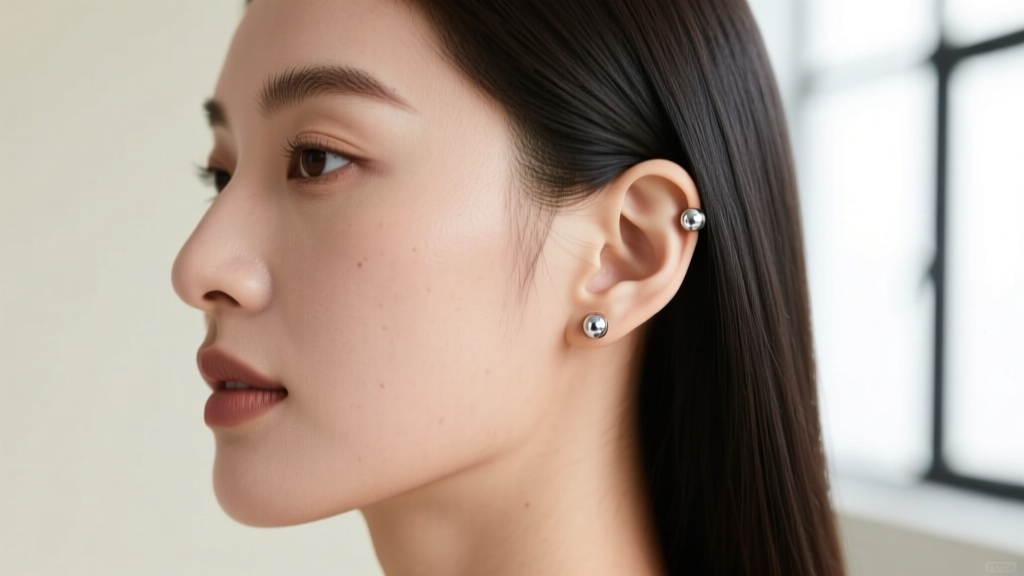
2026 Pricing Tiers and What to Expect
When shopping for sterling silver ball stud earrings, pricing generally correlates with manufacturing precision, alloy purity, and finishing techniques. Here is a realistic breakdown of what your budget should secure in the current market:
- $12 - $25 (Basic Commercial Grade): Standard .925 silver with butterfly backs. Often mass-cast with slight surface porosity. Prone to tarnishing within a few months.
- $30 - $55 (Premium & Plated): High-polish .925 silver with heavy rhodium plating, screw-back options, or Argentium silver. These feature laser-stamped hallmarks and seamless sphere casting.
- $60 - $120+ (Designer & Piercer Grade): Hand-finished, internally threaded or threadless flat-back systems. Often sold by specialized body jewelry brands, featuring perfectly calibrated tension settings and medical-grade finishing.
Care and Maintenance for Longevity
To keep your silver spheres looking pristine, avoid wearing them in chlorinated pools or hot tubs, as chlorine reacts aggressively with the copper alloy, causing irreversible darkening. For routine cleaning, bypass harsh liquid 'silver dips'—especially if your studs are rhodium-plated, as the chemicals can strip the plating. Instead, use a microfiber polishing cloth infused with gentle anti-tarnish agents. Store your studs in an airtight anti-tarnish pouch or a lined jewelry box with silica gel packets to control ambient moisture. By understanding these technical details and material grades, you can confidently invest in a pair of sterling silver ball studs that will serve as a flawless, comfortable staple in your daily rotation for years to come.


