Troubleshooting Gold Flower Earrings Studs: Care & Fixes
Learn how to troubleshoot, clean, and repair your gold flower earrings studs. Expert fixes for tarnish, loose stones, and bent posts.

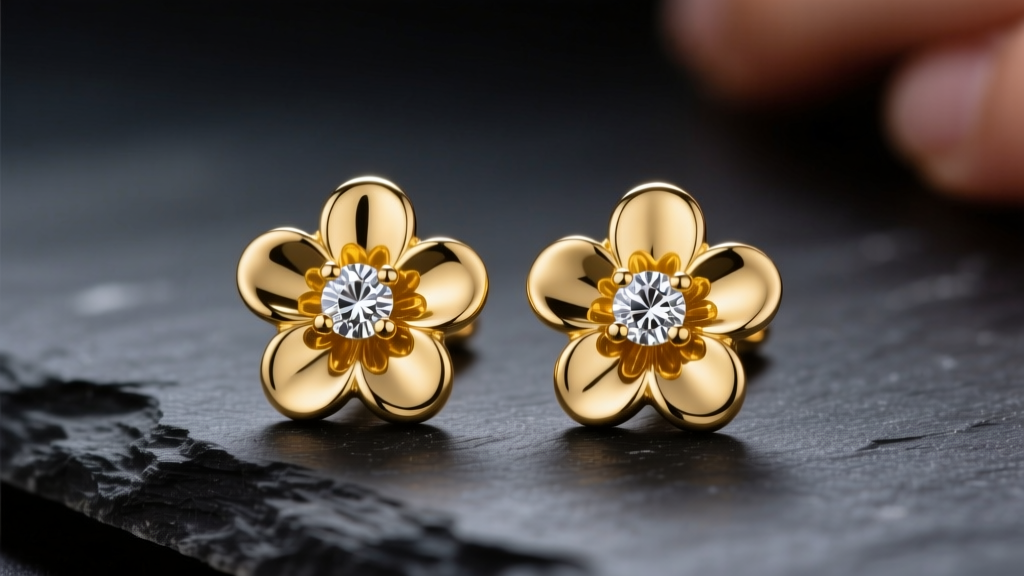
The Unique Vulnerabilities of Floral Stud Designs
When it comes to maintaining fine jewelry, gold flower earrings studs present a unique set of challenges that standard solitaire studs simply do not face. The intricate topography of a floral design—complete with overlapping petals, textured stamen details, and recessed gemstone settings—creates microscopic traps for dead skin cells, cosmetic residues, and environmental pollutants. While a smooth gold dome can be wiped clean in seconds, a 12-millimeter daisy or rose stud requires targeted intervention to maintain its luster and structural integrity.
Furthermore, the physics of a floral stud often work against its longevity. A wide, heavy flower head mounted on a standard lobe post creates significant rotational torque. Over time, this leverage leads to bent posts, stretched piercing holes, and loosened prongs. In this comprehensive 2026 troubleshooting guide, we will dissect the most common failure points of gold floral studs and provide bench-jeweler-approved solutions to restore and protect your investment.
Diagnosing and Treating Tarnish in Intricate Crevices
Pure 24-karat gold does not tarnish, but it is far too soft for jewelry manufacturing. Therefore, your gold flower earrings studs are likely crafted from 14k (58.5% gold) or 18k (75% gold) alloys. The secondary metals used in these alloys—primarily copper, silver, and zinc—are highly reactive. When copper-rich 14k yellow or rose gold is exposed to the sulfur compounds in sweat, lotions, and the atmosphere, it develops a dark, stubborn patina that lodges deep within the crevices of the floral petals.
According to the Gemological Institute of America (GIA), improper cleaning of alloyed gold can permanently scratch the surface or damage the central gemstone. To safely remove tarnish from a textured floral stud without utilizing harsh chemical dips, follow this precise protocol:
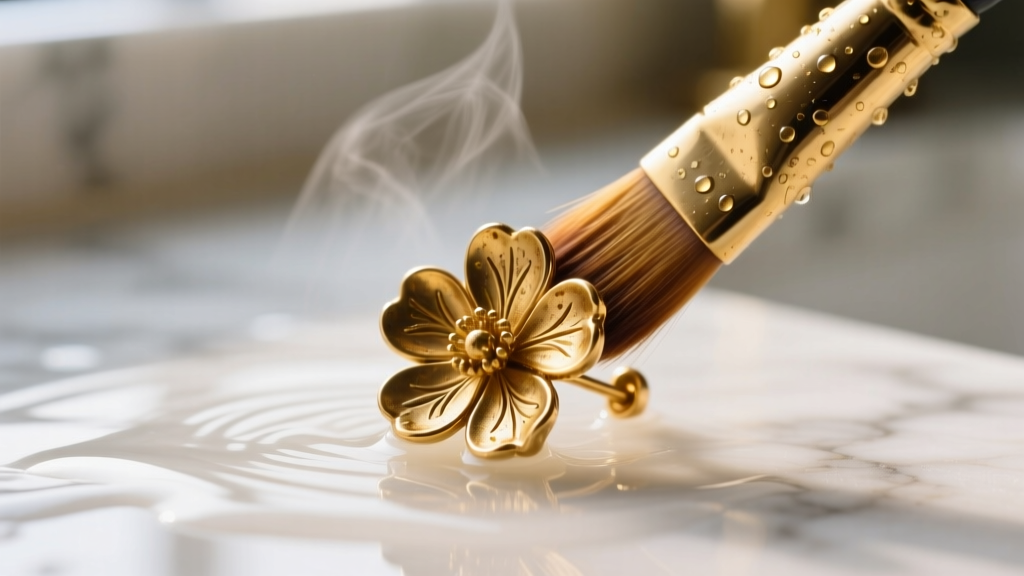
- The Soak: Mix three drops of mild, phosphate-free dish soap (such as Dawn) into a bowl of distilled water heated to exactly 95°F (35°C). Avoid hot water, which can shock temperature-sensitive gemstones like opals or emeralds often used in floral centers.
- The Agitation: Submerge the earrings for 15 minutes to soften the sebum and cosmetic buildup trapped beneath the petal layers.
- The Extraction: Use a brand-new, extra-soft baby toothbrush. Do not scrub back and forth; instead, use gentle, circular motions to lift the debris out of the petal grooves and prong settings.
- The Rinse and Dry: Rinse under a gentle stream of lukewarm distilled water. Pat dry with a lint-free microfiber cloth, and use a hairdryer on the "cool" setting to blow moisture out of the post and clutch mechanisms.
The White Gold Rhodium Dilemma and Skin Sensitivities
If your gold flower earrings studs are crafted from white gold, you are likely dealing with a rhodium plating issue. White gold is naturally a pale, yellowish-gray alloy. To achieve a brilliant, mirror-like silver finish, manufacturers electroplate the jewelry with rhodium, a member of the platinum group. However, the textured surface area of a floral design experiences uneven friction, causing the rhodium to wear off the high points of the petals much faster than on a smooth surface.
More critically, many white gold alloys contain nickel to achieve their color. When the rhodium barrier wears thin on the petals and the post, the nickel is exposed to the skin, triggering contact dermatitis. If your earlobes are itching or turning red specifically when wearing your white gold floral studs, the rhodium has likely compromised. The only permanent fix is to take the earrings to a professional jeweler for a thorough polishing and a fresh micro-thin layer of rhodium plating, which typically costs between $45 and $80 in 2026.
Mechanical Failures: Bent Posts and Drooping Petals
A frequent complaint among wearers of statement gold flower earrings studs is that the flower "droops" or points downward on the earlobe. This is rarely a defect in the earring itself, but rather a mismatch between the post gauge and the weight of the floral head.
Standard earring posts are manufactured in 20-gauge (0.81mm) or 18-gauge (1.02mm) thicknesses. To save on precious metal weight and manufacturing costs, many commercial jewelers solder 20G posts onto large 12mm to 15mm flower heads. When you sleep in these earrings, or even just pull a sweater over your head, the heavy flower head acts as a lever, permanently bending the thin 20G post. Once a post is bent, attempting to bend it back weakens the metal's crystalline structure, eventually leading to a clean snap at the solder joint.
Upgrading Your Clutch System for Heavy Florals
If your floral studs are drooping but the post is straight, the issue lies in your clutch (the earring back). Standard metal butterfly clutches offer a very narrow surface area against the back of the earlobe, providing insufficient support for a wide flower head. To troubleshoot this immediately:
- Silicone O-Rings: Swap the butterfly back for a medical-grade silicone O-ring or disc back. The wider surface area distributes the weight of the flower head evenly across the earlobe, forcing the stud to sit flush and upright.
- La Pousette Backs: For high-value gold flower earrings studs, consider upgrading to La Pousette (push-pull) locking backs. These grip the post with a mechanical spring mechanism, preventing the heavy flower from pulling the earring out of the piercing entirely.
Securing Loose Gemstones in Petal and Center Settings
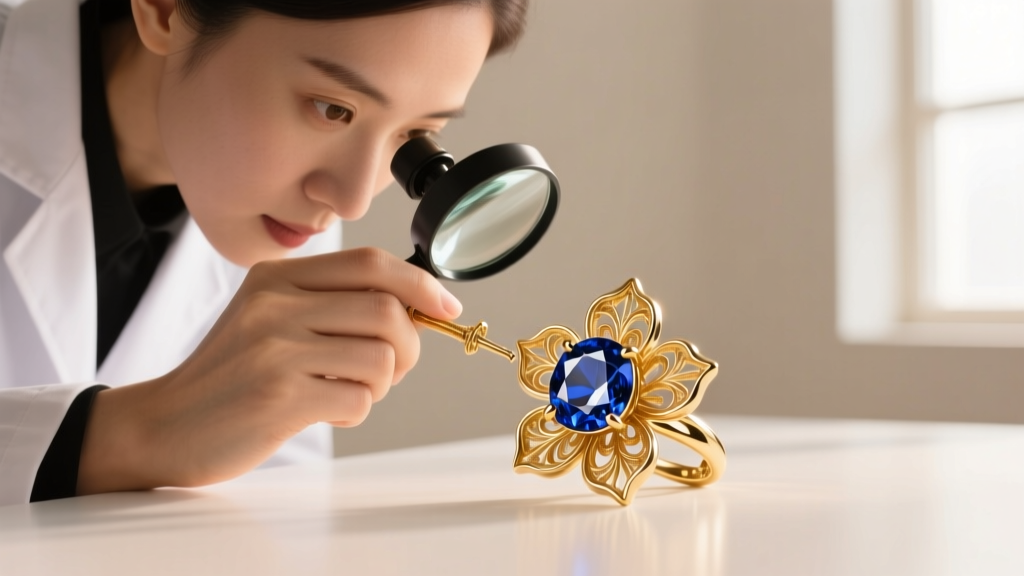
Floral designs frequently utilize micro-pavé settings on the petals or delicate shared-prong settings to secure the central gemstone. Because these earrings are often worn daily, the microscopic prongs are subjected to constant abrasion from hair, clothing, and towels. Over time, this friction wears the metal down, allowing the gemstones to rattle or fall out entirely.
| Setting Type | Location on Floral Stud | Vulnerability Level | Troubleshooting Action |
|---|---|---|---|
| Micro-Pavé | Petal Edges | High | Avoid ultrasonic cleaners; inspect monthly with a 10x loupe. |
| Shared Prong | Center Stone | Medium | Have a jeweler re-tip prongs every 2-3 years. |
| Bezel | Stamen / Accents | Low | Ensure the metal rim is flush; push down gently if lifted. |
If you notice a stone rattling when you tap the earring, stop wearing it immediately. Place it in a sealed plastic bag to catch the stone if it falls, and schedule a repair. Attempting to tighten micro-prongs at home with household pliers will almost certainly scratch the gold and crush the gemstone.
When to See a Professional Bench Jeweler
While at-home maintenance is crucial, certain structural failures require professional intervention. As of 2026, the Jewelers of America network recommends seeking a certified bench jeweler for laser welding and micro-soldering, especially for intricate floral designs where traditional torch soldering could melt the delicate petal tips or shatter heat-sensitive stones.
Warning on Ultrasonic Cleaners: Never place gold flower earrings studs featuring fracture-filled diamonds, emeralds, opals, or pearls into an at-home ultrasonic cleaner. The high-frequency acoustic cavitation will shatter these stones or strip their protective oil treatments. Stick to the manual soapy water method outlined above.
Preventative Maintenance Checklist
To ensure your gold flower earrings studs remain pristine and structurally sound for decades, integrate these habits into your routine:
- The "Last On, First Off" Rule: Always put your floral studs in after applying makeup, perfume, and hairspray, and remove them before applying skincare or washing your face.
- Designated Storage: Store the earrings in a soft, anti-tarnish flannel pouch. Tossing them into a communal jewelry box allows the diamond or sapphire centers to scratch the softer gold petals of neighboring pieces.
- Bi-Annual Inspections: Every six months, use a 10x jeweler's loupe to inspect the post solder joint and the prongs holding the center stone. Catching a hairline fracture at the solder joint early can save you from losing the earring entirely.
By understanding the specific mechanical and chemical vulnerabilities of floral jewelry, you can effectively troubleshoot issues before they become costly repairs, keeping your gold flower earrings studs looking as vibrant as the day you acquired them.


