Ears Allergic to Earrings? Hypoallergenic Metals & Care Guide
Are your ears allergic to earrings? Discover the exact metal grades causing reactions, how to clean sensitive piercings, and the best hypoallergenic fixes.

The Science of Contact Dermatitis in Piercings
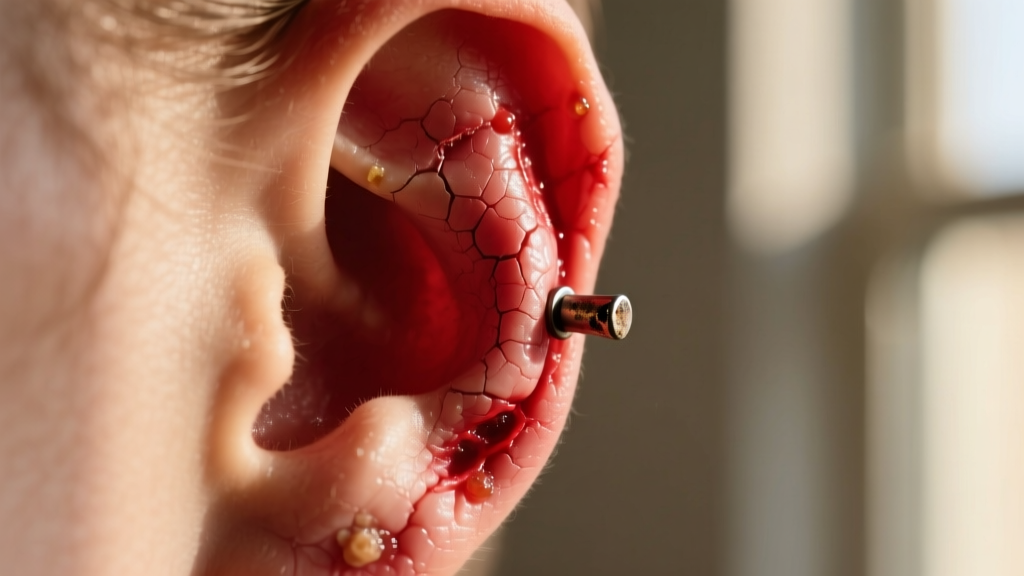
When you feel that familiar itch, heat, or swelling after putting on your favorite studs, it is easy to blame "sensitive ears." However, if your ears are allergic to earrings, you are likely experiencing allergic contact dermatitis. This is not a general sensitivity; it is a specific, acquired immune response triggered by the earlobe's exposure to reactive metal ions. According to the American Academy of Dermatology, nickel is the most common culprit, affecting nearly 18% of the population in North America. But nickel isn't the only offender. Cobalt, copper, and even certain gold alloys can provoke severe localized reactions.
The mechanism is deceptively simple. When reactive metals come into contact with the slightly acidic environment of your skin—especially when sweat acts as an electrolyte—they release microscopic ions. These ions penetrate the epidermis, bind to skin proteins, and trick your body's T-cells into launching an inflammatory attack. The result? Redness, weeping fistulas, crusty buildup, and in severe cases, the migration or rejection of the piercing itself. Understanding the metallurgy of your jewelry is the first step toward reclaiming your ear health.
The Culprits: Metals Triggering Your Allergic Ears
Many commercial earrings are marketed as "hypoallergenic," a largely unregulated term that often masks the presence of trace reactive metals. To protect your piercings, you must look beyond marketing buzzwords and examine the exact alloy composition. The European Union's Nickel Directive strictly limits nickel release to 0.5 µ 14k or 18k yellow gold (avoid white gold unless it is alloyed with palladium rather than nickel). For freshly stretched lobes or irritated cartilage, fused glass is the ultimate inert material, offering zero metallic ion release while allowing the fistula to breathe and heal.
Cleaning & Care Protocols for Reactive Earlobes and Cartilage
If your ears are allergic to earrings, the problem is often compounded by poor hygiene routines that strip the skin's acid mantle or trap bacteria against compromised tissue. Ditch the rubbing alcohol, hydrogen peroxide, and harsh antibacterial soaps. These agents destroy the delicate epithelial cells lining the fistula, delaying healing and increasing permeability to metal ions.
The Daily Saline Protocol
- Use Sterile Saline Only: Purchase canned sterile wound wash (0.9% sodium chloride with no additives). Spray directly onto the entry and exit points twice daily.
- Emulsify Sebum: In the shower, let warm water run over your earlobes to soften trapped sebum and dead skin cells. Gently massage the area with clean fingertips—never use cotton swabs, which leave behind microscopic fibers that can cause granulomas.
- Dry Thoroughly: Moisture trapped behind a tight earring back creates a breeding ground for yeast and bacteria. Use a hairdryer on the cool setting to completely dry the earlobe and the jewelry post.
Ultimately, managing ears that are allergic to earrings is about strict material discipline and consistent, gentle aftercare. By upgrading to certified implant-grade metals, adopting a sterile saline routine, and utilizing ultrasonic cleaning for your jewelry collection, you can eliminate contact dermatitis and wear your favorite pieces comfortably for a lifetime.


