Elevated Heart Earrings: The Ultimate Material Guide
Compare gold, platinum, and vermeil for elevated heart earrings. Discover how metal properties impact 3D designs, weight, and skin sensitivity.

Introduction: What Makes a Heart Earring 'Elevated'?
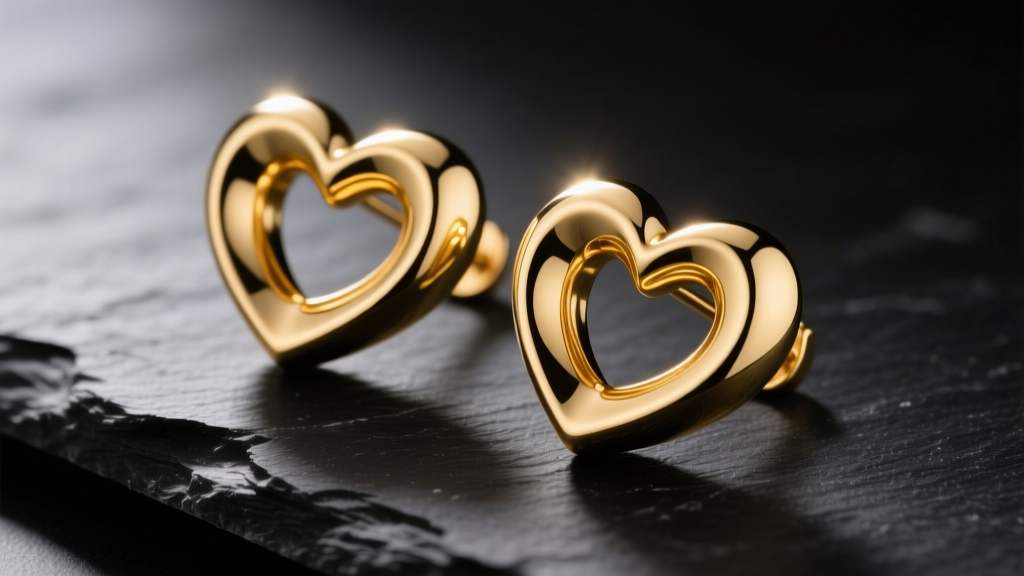
In the contemporary jewelry market, the term 'elevated' refers to designs that transcend basic, flat-stamped silhouettes. Elevated heart earrings feature architectural depth, 3D doming, mixed-metal inlays, or intricate micro-pave diamond settings. As we navigate the 2026 jewelry landscape, consumers are increasingly prioritizing not just the aesthetic of these dimensional pieces, but the metallurgical integrity that ensures they survive daily wear. Choosing the right metal for an elevated heart design is a complex balancing act involving density, Vickers hardness, and structural soldering limits. This guide breaks down the material properties that dictate the longevity, comfort, and visual impact of premium heart-shaped earrings.
The Weight Factor: 3D Hearts and Metal Density
The most critical physical property to consider when crafting or purchasing 3D elevated heart earrings is metal density. A flat heart silhouette weighs very little, but a 15mm domed, solid heart introduces significant mass. If the metal is too dense, the earring will drag the earlobe downward, causing discomfort and stretching the piercing over time. Conversely, if a large heart is cast in a lightweight metal without proper internal structuring, it may dent easily upon impact.
According to the Gemological Institute of America (GIA), understanding specific gravity is essential for jewelry design. Platinum, for instance, has a density of 21.45 g/cm³, making it roughly 60% denser than 14k gold (13.5 g/cm³). A solid platinum elevated heart earring can easily exceed 6 grams per piece, necessitating specialized support mechanisms like omega clips or la pousette locking backs to distribute the weight across the earlobe rather than concentrating it entirely on the post.
Material Breakdown: Pros, Cons, and Best Use Cases
Solid 14k and 18k Gold: The Everyday Standard
Gold remains the benchmark for fine jewelry, but the karat weight drastically alters how it performs in an elevated 3D design. 14k gold (58.5% pure gold) is alloyed with metals like copper, zinc, and silver, giving it a Vickers hardness of approximately 135 HV. This makes it highly resistant to scratching and ideal for the delicate prongs required in pave-set elevated hearts. 18k gold (75% pure gold), with a lower hardness of around 125 HV, offers a richer, warmer yellow hue but is more prone to surface marring. For large, hollow-backed 18k gold domed hearts, jewelers must increase the casting thickness to prevent the metal from caving in if accidentally squeezed.
Platinum: The Heavyweight Champion for Pave Settings
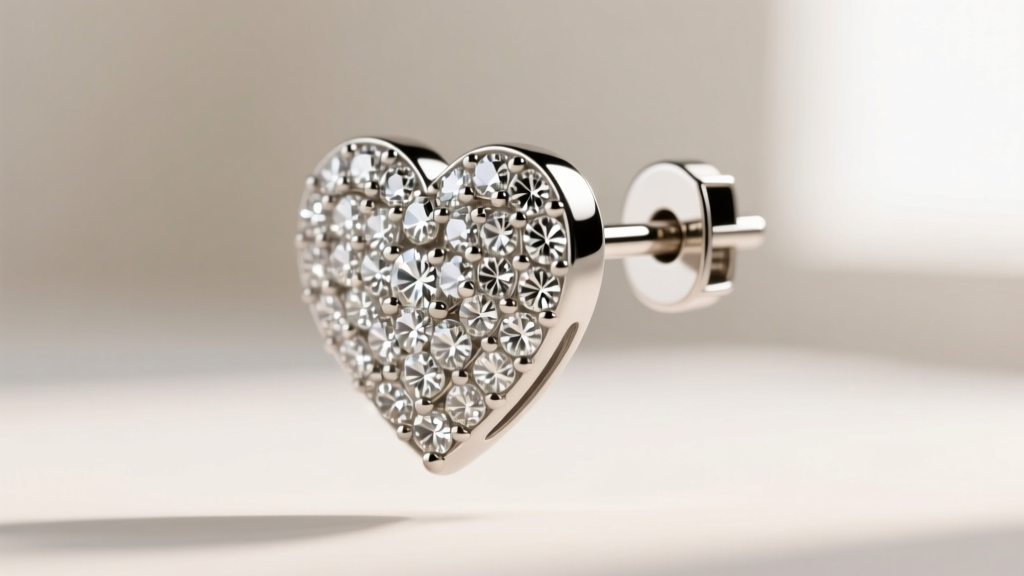
Platinum (typically 95% pure, alloyed with ruthenium or iridium) is the ultimate choice for elevated heart earrings featuring heavy diamond pavé. Unlike gold, which loses microscopic particles of metal when scratched, platinum simply displaces. This property means that platinum prongs securing micro-diamonds on a 3D heart will bend rather than wear away, drastically reducing the risk of stone loss. However, its high density means platinum is best reserved for smaller, solid 3D hearts or designs that incorporate negative space to reduce overall weight.
Gold Vermeil & Plated Brass: The Budget Alternative
For fashion-forward buyers, gold vermeil offers an accessible entry point. By definition, the FTC and Jewelers of America recognize true vermeil as a sterling silver base plated with at least 2.5 microns of gold. Vermeil is excellent for lightweight, hollow elevated hearts. However, it is a poor choice for heavy, solid 3D designs. The stress placed on the solder joint where the post meets the heavy heart can cause the silver base to fatigue and snap, a failure mode rarely seen in solid gold or platinum counterparts.
Data Table: Metal Properties for Elevated Heart Designs
| Material | Density (g/cm³) | Hardness (Vickers) | Best Design Application | Avg. Price Range |
|---|---|---|---|---|
| Platinum 950 | 21.45 | 135 HV | Micro-pave 3D hearts, secure prongs | $1,200 - $3,500+ |
| 18k Yellow Gold | 15.60 | 125 HV | Domed hollow hearts, rich color | $600 - $1,800 |
| 14k Yellow Gold | 13.50 | 135 HV | Everyday solid hearts, durable posts | $350 - $900 |
| Sterling Silver | 10.40 | 65 HV | Lightweight, budget-friendly 3D shapes | $80 - $250 |
| Gold Vermeil | 10.40 (Base) | 65 HV (Base) | Large, hollow statement hearts | $120 - $350 |
Gauge, Posts, and Structural Integrity
The most common point of catastrophic failure in elevated heart earrings is the post-to-body solder joint. Because 3D hearts act as a lever, any downward pressure on the heart multiplies the torque applied to the base of the post. Standard 20-gauge (0.81mm) posts are entirely inadequate for solid gold or platinum hearts weighing more than 2.5 grams. Under daily stress, a 20G post will bend, eventually work-hardening and snapping off flush with the earring body.
Expert Insight: For any elevated heart earring exceeding 3 grams, always specify an 18-gauge (1.02mm) or 16-gauge (1.29mm) post. Furthermore, request laser welding rather than traditional torch soldering for the post attachment. Laser welding creates a localized, high-strength bond without transferring heat to the surrounding metal, which protects nearby pave diamonds from thermal shock and prevents the discoloration of mixed-metal inlays.
Additionally, the choice of friction back is paramount. Standard butterfly backs rely on tension that easily slips when subjected to the pendulum effect of a heavy 3D heart. Upgrading to la pousette (locking) backs or silicone-lined secure discs ensures the earring remains flush against the earlobe, preventing the post from drooping and the heart from flipping upside down.
Caring for Mixed-Metal and Pave Elevated Hearts
Maintaining the 'elevated' look requires specific care protocols based on the material. For mixed-metal designs—such as a 14k white gold heart with a 18k yellow gold border—galvanic corrosion can occur if exposed to harsh chemicals like chlorine or salt water, as the different alloys react at varying rates. Ultrasonic cleaners are highly effective for removing lotion buildup from the intricate crevices of a 3D domed heart, but they must never be used on fracture-filled diamonds or porous gemstones like opals or turquoise that are sometimes inlaid into modern elevated designs.
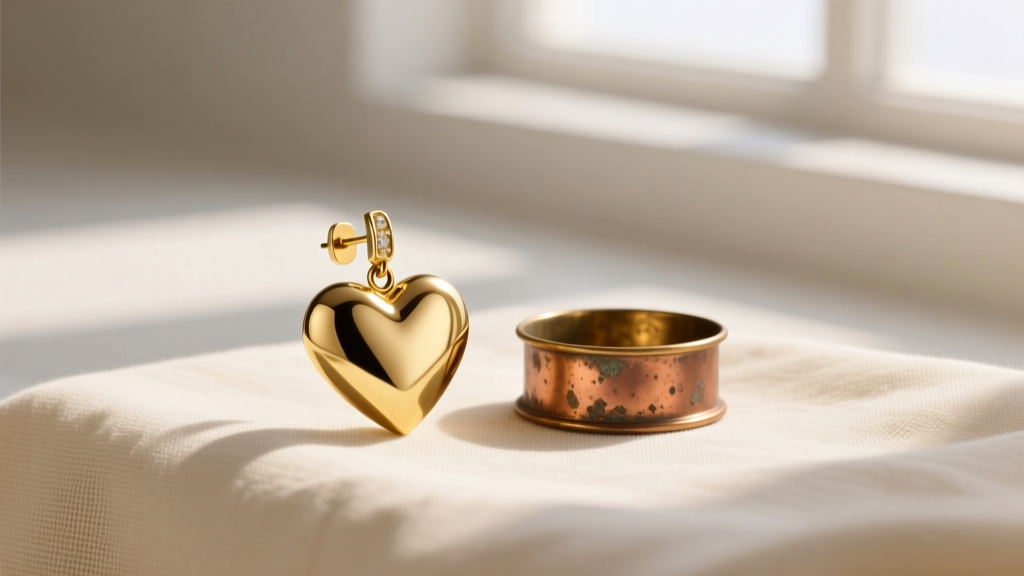
For gold vermeil elevated hearts, the 2.5-micron gold layer will eventually wear thin at the high points of the 3D dome due to friction. To prolong the life of vermeil, store the earrings in an anti-tarnish cloth pouch and avoid applying perfumes or hairsprays while wearing them, as the alcohol and aerosols can accelerate the degradation of the gold plating over the sterling silver core.
Conclusion: Matching Material to Lifestyle
Selecting the right metal for elevated heart earrings is not merely a matter of color preference; it is an engineering decision. Platinum offers unmatched security for diamond-heavy pieces, while 14k gold provides the optimal balance of durability and weight for everyday solid 3D hearts. Vermeil serves a purpose for lightweight, trend-driven silhouettes but requires careful handling to avoid structural fatigue. By understanding the density, hardness, and structural requirements of these materials, you can invest in elevated heart earrings that maintain their architectural beauty and structural integrity for a lifetime.