Ellen Designs Earrings: A Beginner's Guide to Artisan Silver
Discover everything about Ellen Designs earrings. This beginner-friendly guide covers materials, sizing, styling, and care for artisan silver jewelry.

The Allure of Handcrafted Artisan Jewelry
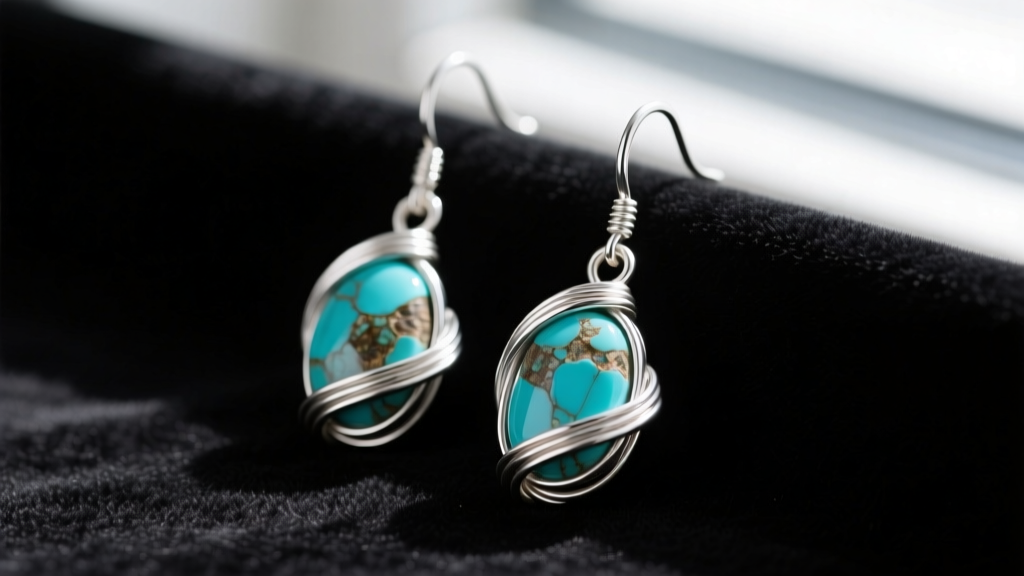
Navigating the world of handcrafted jewelry can feel overwhelming for beginners, especially when trying to distinguish between mass-produced factory pieces and genuine artisan craftsmanship. If you have been searching for unique, boho-chic, or nature-inspired accessories, you have likely encountered the distinctive aesthetic of Ellen Designs earrings. Known for their intricate wire-wrapping, raw semi-precious gemstones, and oxidized sterling silver finishes, these pieces represent a specific tier of boutique jewelry that prioritizes individuality over uniformity.
For a beginner, purchasing artisan jewelry is an investment in wearable art. However, understanding the metallurgy, structural integrity, and proper maintenance of these pieces is crucial before making your first purchase. This comprehensive guide will break down everything you need to know about selecting, styling, and caring for handcrafted silver and stone earrings, ensuring your jewelry collection remains pristine for years to come.
Deconstructing the Materials: Silver, Solder, and Stones
The foundation of authentic Ellen Designs earrings—and similar high-end artisan pieces—is the metal. While fast-fashion brands often use brass or zinc alloys plated with a microscopic layer of silver, true artisan jewelers rely on specific, high-quality metallurgical standards.
- 925 Sterling Silver: According to The Silver Institute, genuine sterling silver must contain exactly 92.5% pure silver and 7.5% alloy metals (usually copper). Pure silver (999 fine silver) is too soft to hold the shape of an ear wire or a stone setting, making the copper alloy essential for structural durability.
- Nickel-Free Solder: A critical detail often overlooked by beginners is the solder used to close jump rings and attach ear wires. Cheap manufacturing often uses nickel-based solders, which are a primary culprit for contact dermatitis. Reputable artisan makers strictly use cadmium-free, nickel-free silver solder to ensure their pieces are hypoallergenic.
- Raw vs. Cut Gemstones: Artisan designs frequently feature 'raw' or 'rough' cut stones like turquoise, moonstone, and labradorite. Unlike faceted diamonds, these stones are often cut en cabochon (smooth and rounded) or left in their natural crystalline state, requiring specialized bezel or wire-wrapped settings rather than traditional prong settings.
Understanding Gauges, Weights, and Piercing Types
One of the most common mistakes beginners make when buying handcrafted drop earrings is ignoring the wire gauge and overall weight. Artisan stones are significantly heavier than stamped metal or acrylic. If the ear wire is too thick, it will stretch your piercing; if it is too thin, it will bend under the weight of the stone.
| Earring Style | Typical Wire Gauge | Weight Capacity | Best Piercing Type |
|---|---|---|---|
| Artisan Studs | 20g - 22g (0.81mm - 0.64mm) | Light (Under 3g) | Standard lobe, helix, or tragus |
| Wire-Wrapped Drops | 20g - 21g (0.81mm - 0.72mm) | Medium (3g - 6g) | Standard healed lobe piercings |
| Statement Dangles | 18g - 20g (1.02mm - 0.81mm) | Heavy (6g and above) | Stretched lobes or reinforced piercings |
Most standard ear piercings are done at 20-gauge or 18-gauge. When you purchase medium-weight Ellen Designs earrings featuring heavy turquoise or agate drops, look for 20-gauge ear wires. This thickness provides enough rigidity to support a 5-gram stone without bending, while still sliding comfortably through a standard lobe piercing without causing micro-tears in the fistula (the piercing channel).
Face Shape Pairing for Handcrafted Drops
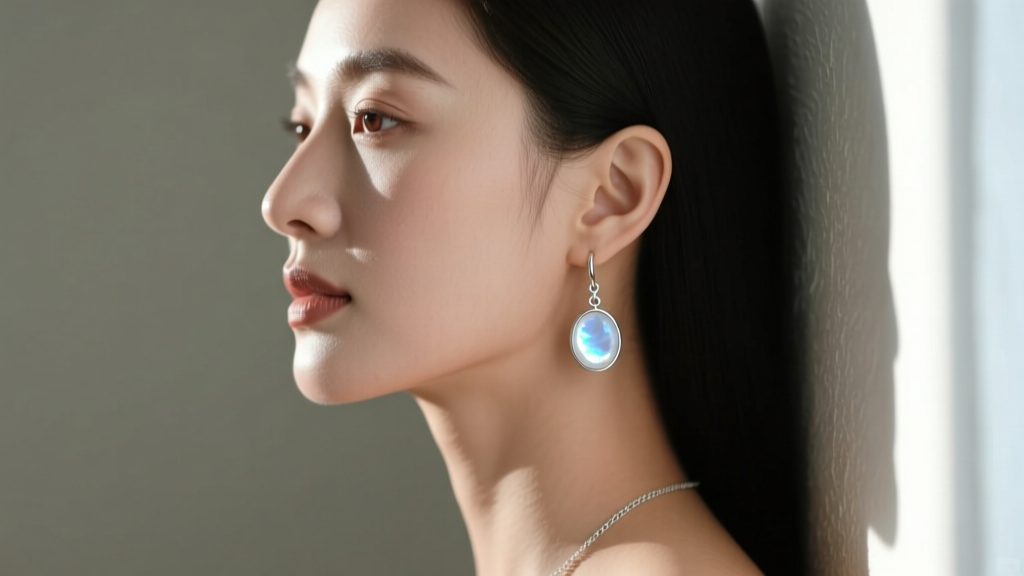
Because artisan earrings often feature organic, asymmetrical, or elongated silhouettes, mapping the earring shape to your face shape is a vital styling skill. Unlike perfectly symmetrical geometric studs, handcrafted drops have a visual 'weight' that can alter your facial proportions.
Round and Square Faces
If you have a round or square jawline, the goal is to create vertical elongation. Opt for long, linear wire-wrapped dangles or teardrop-shaped cabochons. Avoid wide, circular huggie hoops or short, chunky cluster studs, as these will emphasize the width of your face. A pair of elongated, raw amethyst drop earrings will draw the eye downward, creating a slimming, balancing effect.
Oval and Heart-Shaped Faces
Oval faces are highly versatile and can pull off almost any artisan silhouette, from wide geometric silver cuffs to heavy chandelier drops. Heart-shaped faces (characterized by a wider forehead and narrow chin) benefit from earrings that are wider at the bottom. Look for Ellen Designs earrings featuring inverted triangles, pear-shaped stones, or bottom-heavy chandelier designs to add visual volume to the lower half of your face.
Styling Artisan Silver for Everyday Wear
The beauty of the artisan boho-chic aesthetic is its effortless versatility. However, balancing handcrafted jewelry with modern wardrobes requires a strategic approach to avoid looking costumey. The golden rule of styling statement artisan jewelry is the 'Rule of One Focal Point.'
When wearing heavily detailed, wire-wrapped statement earrings with raw gemstones, keep your neck and wrists minimal. A delicate, 18-inch sterling silver chain or a simple leather cord is all you need. Let the intricate metalwork and natural stone inclusions of the earrings serve as the undisputed focal point of your outfit.
Furthermore, consider the undertones of the stones. Warm-toned stones like turquoise, amber, and tiger's eye pair beautifully with earth-toned linens, denim, and autumn palettes. Cool-toned stones like labradorite, moonstone, and lapis lazuli elevate crisp whites, charcoal greys, and navy blues. Mixing metal textures—such as pairing a high-polish silver ear wire with an oxidized (darkened) silver bezel setting—adds a layer of vintage depth that flat, mass-produced jewelry simply cannot replicate.
Maintenance: Preserving Sterling Silver and Porous Stones
Caring for handcrafted jewelry requires a completely different protocol than caring for commercial diamond and platinum pieces. The very elements that make Ellen Designs earrings unique—oxidized silver crevices and porous natural stones—are highly vulnerable to standard jewelry cleaning methods.
- Never Use Ultrasonic Cleaners: According to the Gemological Institute of America (GIA), porous gemstones like turquoise, opal, malachite, and pearls can absorb the harsh chemical solutions used in ultrasonic baths. Furthermore, the high-frequency vibrations can fracture raw stones or loosen wire-wrapped settings.
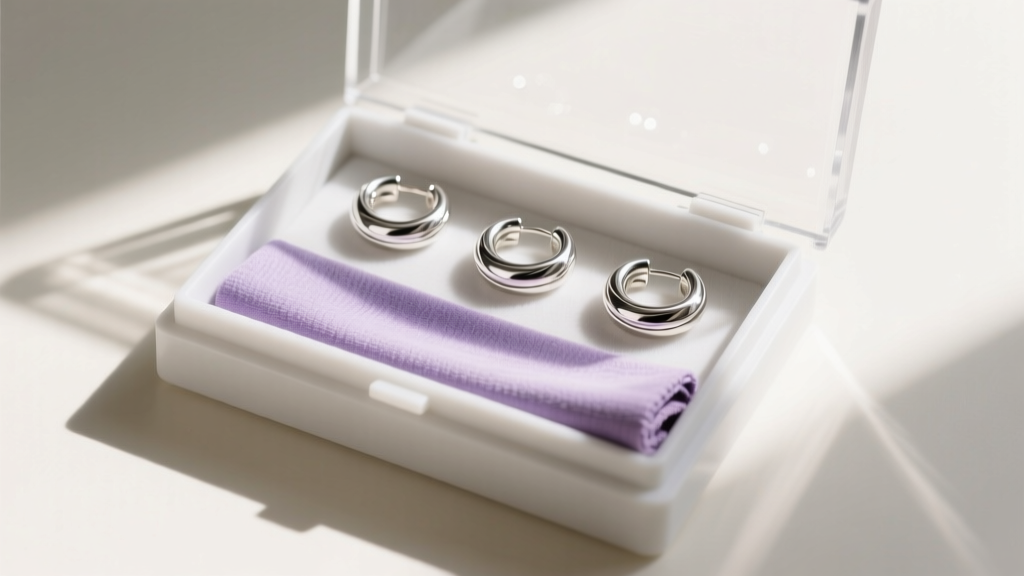
- Embrace the Oxidation: Many artisan pieces feature intentionally oxidized (blackened) silver to highlight the texture of hand-stamped or cast metal. Using aggressive liquid silver dips will strip this intentional patina, leaving the piece looking flat and overly bright. Instead, use a specialized microfiber polishing cloth and only rub the high points of the metal, leaving the dark recesses intact.
- Proper Storage is Non-Negotiable: Sterling silver tarnishes when exposed to sulfur and moisture in the air. Store your artisan earrings in individual, anti-tarnish flannel bags or a sealed jewelry box with silica gel packets. Never store turquoise or opal pieces in completely airtight plastic bags for long periods, as these stones require trace amounts of ambient moisture to prevent cracking and crazing.
Finally, if you suffer from metal sensitivities, always verify the ear wire material. While 925 silver is generally safe, some individuals react to the copper alloy. In such cases, look for artisan makers who offer the option to swap standard silver hooks for niobium or titanium ear wires, which are 100% biocompatible and recommended by the American Academy of Dermatology for severe contact dermatitis.
Final Thoughts on Investing in Artisan Earrings
Purchasing handcrafted jewelry is about more than just acquiring an accessory; it is about supporting traditional metalsmithing techniques and embracing the natural imperfections of raw earth minerals. By understanding the gauge requirements, mastering the styling proportions, and committing to proper, non-abrasive maintenance, your artisan silver and stone earrings will develop a rich, personalized patina that tells a story entirely your own.


