Emerald Angelina Jolie Earrings: 2026 Value & Budget Guide
Discover the true value of emerald Angelina Jolie earrings. Our 2026 budget guide compares natural, lab-grown, and simulated drops for every price point.

The Legacy of the Iconic Emerald Drop
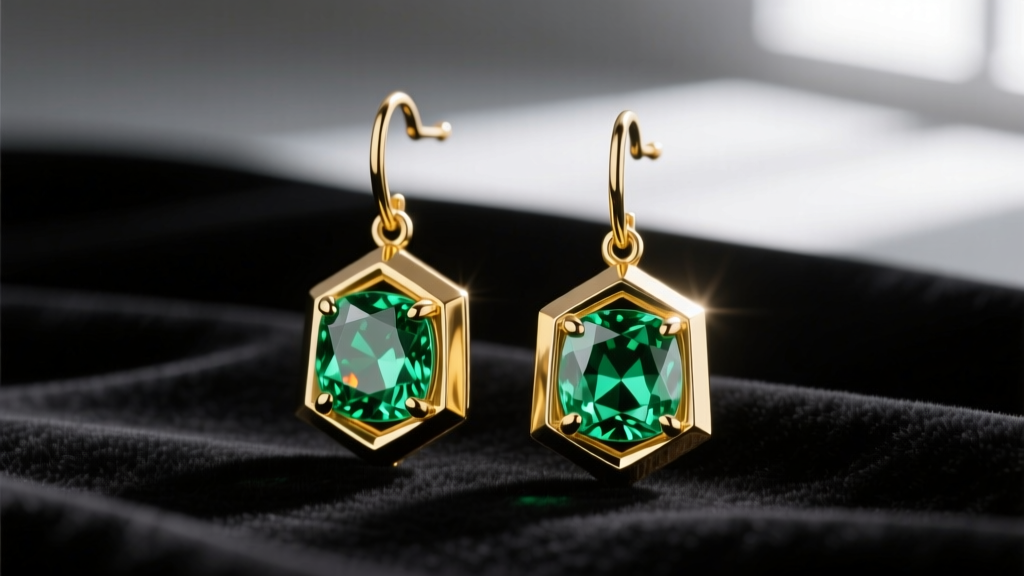
When Angelina Jolie stepped onto the red carpet wearing custom Lorraine Schwartz emerald drops, she instantly cemented a new standard for high-jewelry elegance. The striking contrast of vivid green beryl against yellow gold or platinum created a silhouette that remains highly sought after today. However, acquiring authentic emerald Angelina Jolie earrings requires navigating a complex market of natural stones, lab-grown alternatives, and high-grade simulants. In this 2026 value assessment, we break down the exact specifications, structural requirements, and budget tiers necessary to achieve this iconic look without overpaying.
Deconstructing the Design: What Makes the Jolie Silhouette?
The quintessential Jolie emerald earring is not merely a green stone on a wire; it is a masterclass in proportion and lapidary art. To accurately assess value, we must first define the exact parameters of the design.
Stone Cut and Carat Weight
The most iconic iterations feature an emerald cut or a cushion cut stone, typically ranging from 8 to 15 carats per ear. The emerald cut, with its stepped facets and cropped corners, maximizes the deep, velvety green saturation of the stone while minimizing the visibility of internal inclusions. Stones under 5 carats tend to lose the dramatic, chandelier-like presence required for the Jolie aesthetic, while stones over 20 carats become impractical for standard lobe wear.
Setting and Structural Mechanics
Heavy drop earrings present a significant structural challenge. A 12-carat emerald weighs approximately 2.4 grams; combined with an 18k gold setting and diamond halo, a single earring can easily exceed 6 grams. Standard butterfly friction backs will fail, causing the earring to droop and eventually tearing the earlobe. Authentic high-value replicas and natural pieces utilize French wires with secondary safety chains or post-and-omega-clip backings. The omega clip rests flush against the back of the ear, distributing the weight across a wider surface area of the cartilage and lobe base. When evaluating any piece in this style, the presence of an omega back or secure leverback mechanism is a primary indicator of quality craftsmanship.
2026 Market Value Assessment: Natural vs. Lab-Grown vs. Simulated
The market for green beryl jewelry has shifted dramatically. With advancements in hydrothermal synthesis and nano-ceramic simulants, buyers have more options than ever. Below is a comparative value matrix for the current market.
| Tier | Material | Carat Weight | Metal Setting | 2026 Price Range | Resale Value |
|---|---|---|---|---|---|
| Investment | Natural Colombian (Minor Oil) | 8-15 ct | 18k Gold / Platinum | $45,000 - $250,000+ | 60-80% |
| Accessible Luxury | Lab-Grown Hydrothermal | 10-20 ct | 14k / 18k Gold | $1,200 - $4,500 | 10-20% |
| Fashion | Nano-Sital / Simulant | 15-30 ct | Vermeil / Brass | $80 - $400 | <5% |
Budget Tier 1: High-End Natural Colombian Emeralds ($45,000+)
For the purist and the investor, nothing replaces a natural Colombian emerald. The value of these stones is dictated by the GIA Emerald Quality Factors, specifically color saturation and clarity enhancements. The most prized stones originate from the Muzo or Chivor mines, exhibiting a vivid, slightly bluish-green hue with medium-dark tone.
The Treatment Caveat: Unlike diamonds, nearly all natural emeralds are fracture-filled to improve clarity. According to Lotus Gemology, the type of filler drastically impacts value. Cedar oil is the traditional, acceptable standard. However, many modern stones are filled with epoxy resins (like Opticon), which harden and are nearly impossible to remove. When purchasing investment-grade emerald Angelina Jolie earrings, you must demand a report from a top-tier colored stone laboratory like SSEF or Gübelin, confirming the clarity enhancement is 'Minor' (F1) or 'None', and that only traditional oils are present. Expect to pay $3,000 to $15,000+ per carat for top-tier, minor-oil stones of this size.
Budget Tier 2: Lab-Grown Hydrothermal Emeralds ($1,200 - $4,500)
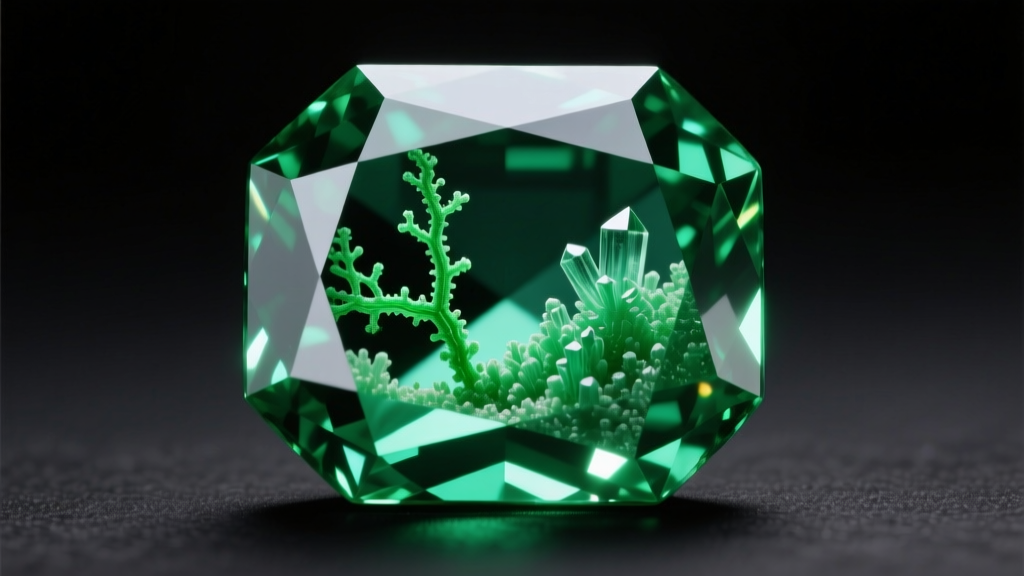
If your goal is visual impact and physical durability without the five-figure price tag, lab-grown emeralds are the superior choice. It is critical to distinguish between flux-grown and hydrothermal synthesis. Hydrothermal emeralds (grown in a pressurized aqueous solution) more accurately replicate the natural formation process, often resulting in the characteristic 'nail-head' spicule inclusions and chevron growth patterns that mimic natural jardin.
Brands like Chatham and Tairus produce hydrothermal stones that are chemically, physically, and optically identical to natural beryl. Because they are grown in controlled environments, they are generally free of the deep surface-reaching fractures that plague natural stones. This means a 15-carat hydrothermal emerald cut stone is far more durable for daily wear in a heavy drop setting. Set in solid 14k or 18k gold with secure omega backings, these earrings offer 95% of the visual prestige for 5% of the cost.
Budget Tier 3: Nano-Emeralds and High-Grade Simulants ($80 - $400)
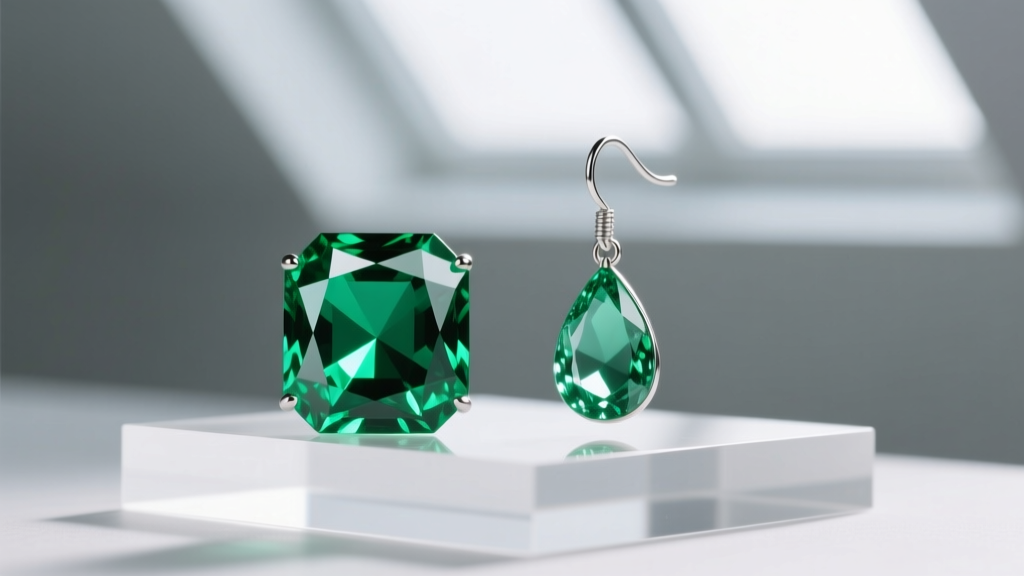
For costume jewelry enthusiasts or those needing a lightweight travel alternative, nano-sital (a glass-ceramic composite) and synthetic green spinel offer the Jolie silhouette on a strict budget. Nano-sital is engineered to match the refractive index (1.57-1.58) and specific gravity (2.7) of natural beryl, making it feel surprisingly authentic in the hand. However, under a jeweler's loupe, it lacks the natural birefringence (double refraction) of real emerald, appearing 'flat' and overly clean. While excellent for occasional red-carpet wear, these materials hold zero residual market value and are typically set in gold vermeil or brass, which may cause contact dermatitis for sensitive earlobes.
How to Evaluate Emerald Quality (The 4 Cs for Drops)
Whether you are spending $500 or $50,000, use this specific framework to evaluate the stones in your chosen earrings:
- Color (The Ultimate Driver): Look for a primary green hue with a secondary blue modifier (10-15%). Avoid stones with heavy yellow or gray modifiers, which appear muddy in low light.
- Clarity (The Jardin): As noted in the GIA Emerald Description, inclusions are expected and prove natural origin. However, avoid stones with fractures that reach the surface of the girdle, as the tension of a heavy prong setting can cause the stone to cleave in half.
- Cut (Light Return): The emerald cut must have precise corner proportions. If the corners are too shallow, they will chip upon impact. If the pavilion is too deep, the stone will suffer from 'extinction' (dark, dead zones in the center).
- Carat (Visual Spread): Emerald is relatively lightweight. A 10-carat emerald will face up larger than a 10-carat diamond. Prioritize millimeter dimensions (e.g., 14x10mm) over strict carat weight to ensure the earring achieves the correct visual scale on the face.
Final Verdict: Maximizing Your Investment
The allure of emerald Angelina Jolie earrings lies in their unapologetic glamour and rich historical resonance. For collectors with the capital, natural Colombian drops with SSEF certification remain a tangible, appreciating asset class. However, for 90% of buyers, the smartest value proposition in 2026 lies in the hydrothermal lab-grown sector. By allocating your budget toward solid 18k gold settings, secure omega-clip mechanics, and precision-cut hydrothermal stones, you secure a piece that is visually indistinguishable from high jewelry, structurally sound for heavy wear, and financially responsible.


