Are Premium Backs for Earrings Worth the Cost? Value Guide
Discover if premium backs for earrings are worth the investment. We compare friction, screw, and locking backs by cost, security, and metal value.

The Hidden Financial Risk of Cheap Earring Backs
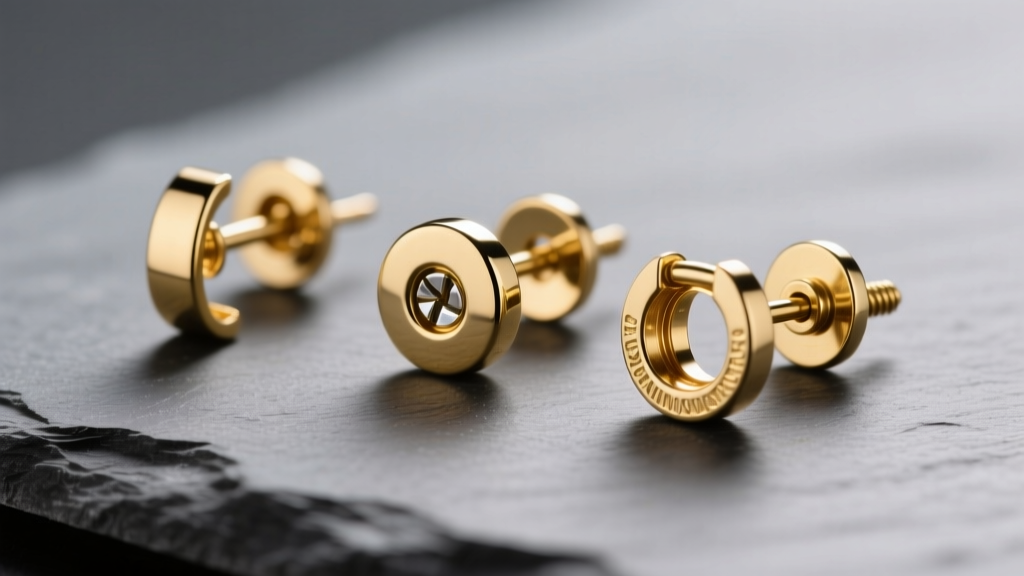
When investing in fine jewelry, consumers routinely spend thousands of dollars on the center stones and precious metal settings, only to secure those assets with a flimsy, mass-produced piece of stamped metal that costs less than a cup of coffee. As gold and platinum prices have surged through 2025 and into 2026, the financial risk of losing a diamond or gemstone stud has never been higher. Replacing a single 1-carat diamond stud today can easily exceed $3,500, yet many owners continue to rely on standard friction backs that degrade over time. This guide provides a rigorous budget and value assessment of the different backs for earrings available on the market, breaking down the exact mechanics, failure modes, and true return on investment (ROI) of upgrading your jewelry security.
Breakdown of Earring Back Types and Pricing
To accurately assess value, we must look beyond the initial purchase price and evaluate the cost-per-wear alongside the security provided. The market currently offers four primary categories of earring backs, each with distinct mechanical properties and price points.
Friction / Push Backs (The Budget Standard)
The traditional "butterfly" or push back relies on a metal clutch with a central hole and internal notches that grip the groove (or "nub") on the earring post. Typically stamped from sheet metal, these are the default backs included with 90% of fine jewelry purchases. While they are inexpensive—usually costing between $8 and $18 for a pair in 14k gold—their failure rate is notoriously high. The internal notches stretch and smooth out with repeated use, leading to a loss of tension. Furthermore, the friction grip is highly susceptible to being pulled off by hair, clothing, or towels.
Screw Backs (The Mid-Tier Security)
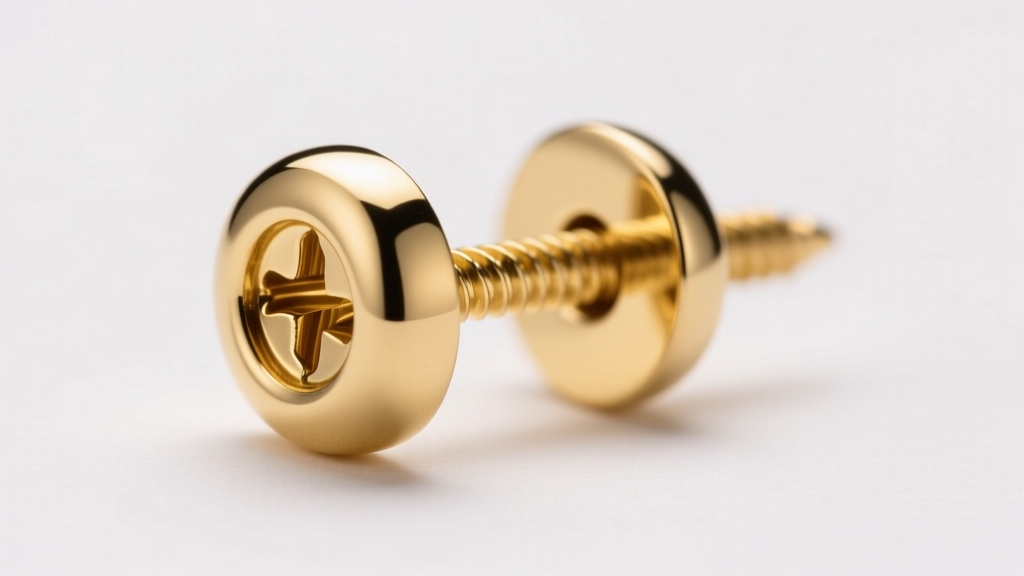
Screw backs require a threaded post and a corresponding threaded backing. Instead of pushing the back on, the user twists it until it seats firmly against the earlobe. This mechanical lock drastically reduces the chance of accidental loss. A pair of 14k or 18k gold screw backs typically retails between $35 and $60. However, they are not without flaws. The primary failure mode is thread stripping. If the user cross-thread the back or forces it at an angle, the soft gold threads can grind down, rendering the post useless. Additionally, they require a 20-gauge or 18-gauge post specifically cut for threading, meaning you cannot use screw backs on standard smooth posts.
Locking / Laconic Backs (The Premium Investment)
Locking backs, such as the patented Laconic or Chrysmetal designs, represent the pinnacle of earring security. These backs feature an internal mechanical clutch—often utilizing a polyurethane grip or a precision spring-loaded metal sleeve—that locks onto the smooth post and requires a specific pinching motion or secondary tool to release. Priced between $85 and $150 per pair in 18k gold or platinum, they are a significant upfront expense. However, because they grip the entire length of a smooth post rather than relying on a single groove, they offer unparalleled security and do not suffer from the thread-stripping vulnerabilities of screw backs.
Silicone Stoppers (The Ultra-Budget Hack)
Sold in bulk packs of 50 for under $5, silicone or plastic stoppers are a popular budget hack. They provide excellent initial friction and are completely hypoallergenic. However, they degrade rapidly when exposed to skin oils, lotions, and UV light, often becoming brittle and snapping within a few months. They are a viable temporary solution or a good choice for cheap costume jewelry, but they offer zero long-term value for fine jewelry.
Value Assessment Matrix: Cost vs. Security
The following table synthesizes the data to help you make an informed decision based on the value of the earrings you are securing.
| Back Type | Avg. Cost (14k/18k) | Security Score (1-10) | Best Use Case | Primary Failure Mode |
|---|---|---|---|---|
| Silicone Stoppers | $0.10 / pair | 3 | Costume jewelry, temporary fixes | Material degradation, tearing |
| Friction / Push | $12 / pair | 5 | Everyday wear, low-value studs | Notch stretching, accidental pulling |
| Screw Backs | $45 / pair | 8 | Mid-tier diamond studs, active lifestyles | Cross-threading, thread stripping |
| Locking / Laconic | $110 / pair | 10 | High-value diamonds, platinum settings | Internal spring fatigue (rare) |
Metal Purity and Skin Sensitivities: Where Budget Fails
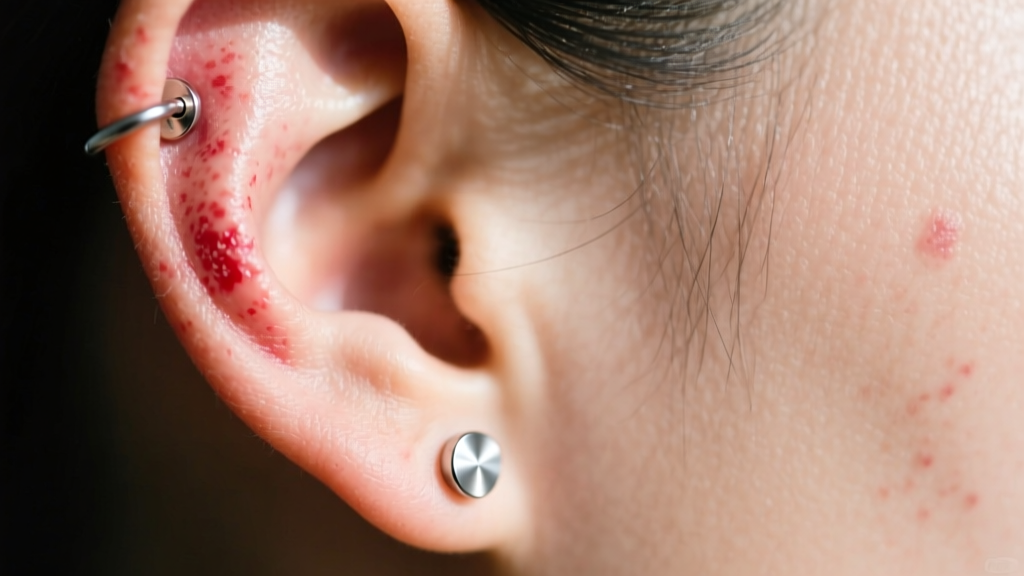
When evaluating the budget for backs for earrings, the metal alloy is just as critical as the mechanical design. Cheap, imported friction backs are frequently made from base metals plated with a microscopic layer of gold or rhodium. Once this plating wears off, the underlying nickel or copper is exposed to the skin. According to the American Academy of Dermatology, nickel allergy is one of the most common causes of allergic contact dermatitis, resulting in severe itching, redness, and blistering on the earlobe.
Upgrading to solid 14k or 18k gold, or platinum backs, is not just a matter of prestige; it is a dermatological necessity for sensitive skin. While a pair of solid 18k yellow gold locking backs may cost $130, the value proposition includes the elimination of medical treatments for contact dermatitis and the guarantee that the metal will not corrode or tarnish from daily exposure to sweat and cosmetics. For those with extreme metal sensitivities, implant-grade titanium (ASTM F136) locking backs offer the highest biocompatibility, though they are harder to source and typically range from $60 to $90.
Expert Verdict: The Earring Value Framework
To maximize your budget without over-investing in unnecessary security, use this practical decision framework based on the replacement value of your earrings:
- Under $200 Value: Standard 14k gold friction backs are sufficient. Replace them every 12 to 18 months as the internal tension degrades. Budget: $15.
- $200 to $1,500 Value: Upgrade to 14k or 18k screw backs. The mechanical threading provides adequate security for mid-range diamond or gemstone studs. Ensure you clean the threads monthly with a soft brush to prevent lotion buildup from stripping the gold. Budget: $45.
- Over $1,500 Value: Locking backs are a mandatory investment. When securing high-carat diamonds or heavy platinum drops, the $110 to $150 cost of a precision locking back represents less than 5% of the asset's value, providing an exceptional insurance ROI. Budget: $120+.
Sourcing Replacement Backs: Retail vs. Direct
Where you purchase your replacement backs significantly impacts your budget. Traditional brick-and-mortar jewelers often mark up accessory components by 200% to 300%. A pair of 14k gold friction backs that costs a jeweler $4 wholesale may be sold to the consumer for $25. By sourcing directly from specialized jewelry findings suppliers or reputable online precious metal refiners, you can acquire identical, high-quality backs at near-wholesale prices. The Gemological Institute of America (GIA) recommends regular maintenance and inspection of all jewelry components, including clasps and backs, to ensure the longevity of your pieces. Furthermore, industry resources like Jewelers of America emphasize that proper care of the entire earring assembly—not just the front-facing aesthetic elements—is vital for preserving both the financial and sentimental value of your jewelry collection.
Ultimately, assessing the value of backs for earrings requires shifting your perspective from viewing them as mere accessories to recognizing them as critical security hardware. By matching the mechanical strength and metal purity of the back to the financial value of the earring, you ensure that your investment remains safely in your possession, rather than lost on the floor of a hotel room or caught in the fibers of a winter scarf.


