Eye Candy Los Angeles Earrings: 2026 Material Guide
Analyze the metallurgy of Eye Candy Los Angeles earrings. Compare vermeil, sterling silver, and enamel properties for lasting wear in 2026.

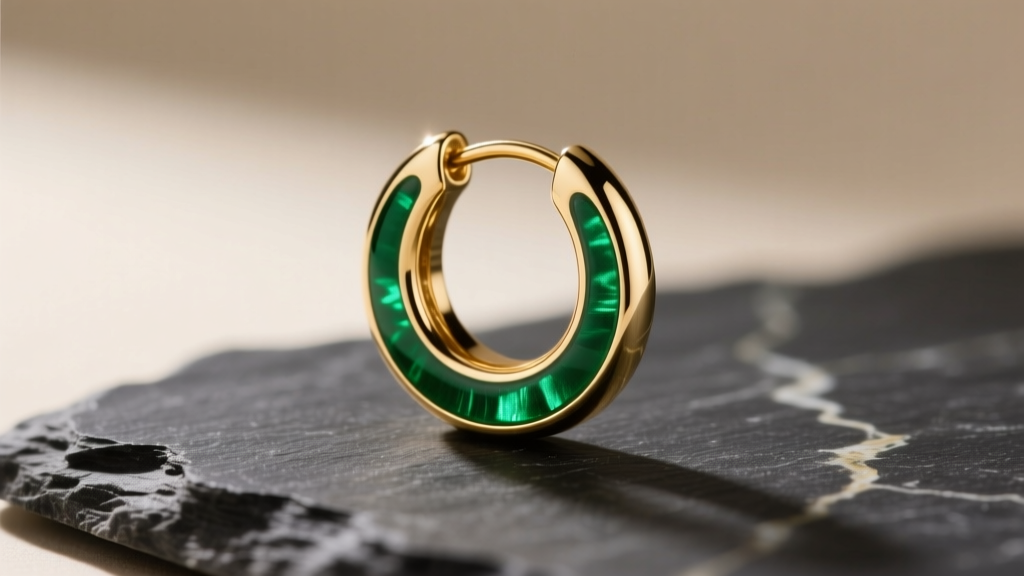
When curating a jewelry collection that balances trendy aesthetics with everyday wearability, understanding the metallurgy behind your favorite pieces is non-negotiable. Eye Candy Los Angeles has carved out a massive niche in the fashion jewelry market by offering accessible, highly stylized earrings that mimic the look of fine jewelry. But as we navigate the 2026 landscape of sustainable and skin-safe accessories, consumers are demanding transparency about what actually touches their skin. Are those vibrant huggies and chunky hoops made to last, or are they destined for the tarnish bin? In this comprehensive material guide, we dissect the exact alloys, plating thicknesses, and enamel compositions used in Eye Candy LA earrings, providing you with a practical framework to maximize their lifespan and protect your piercings.
Core Alloys: Sterling Silver vs. Brass Bases
The longevity of any plated earring is entirely dependent on its base metal. Eye Candy LA utilizes two primary base metals across their extensive catalog: 925 sterling silver and brass. Sterling silver (an alloy of 92.5% pure silver and 7.5% copper) is the premium foundation used in their higher-tier vermeil collections. It offers excellent structural integrity and is inherently hypoallergenic for the vast majority of wearers. However, the copper content means that if the outer gold layer wears away, the exposed sterling silver will oxidize and tarnish when exposed to sulfur and moisture in the air.
Conversely, their more budget-friendly, trend-driven seasonal drops often rely on brass bases. Brass is an alloy of copper and zinc. It is highly malleable, allowing for intricate casting details in their sculptural drop earrings and oversized hoops. The drawback? Brass is porous and highly reactive. Once the gold plating on a brass-based earring compromises, the metal can react with your skin's natural pH, leaving a greenish residue and potentially triggering contact dermatitis in sensitive individuals.
Plating Standards: Flash, Standard, and Vermeil
Not all gold finishes are created equal. The Federal Trade Commission (FTC) strictly regulates jewelry metal marking, and understanding these tiers is crucial when evaluating Eye Candy LA's pricing and durability claims. Flash plating involves a microscopic layer of gold (usually less than 0.1 microns). It is purely cosmetic and will wear off within weeks of daily friction. Standard gold plating typically ranges from 0.5 to 1.0 microns. Eye Candy LA's standard fashion lines usually fall into this category, offering a brilliant initial luster that requires careful maintenance to prevent premature fading.
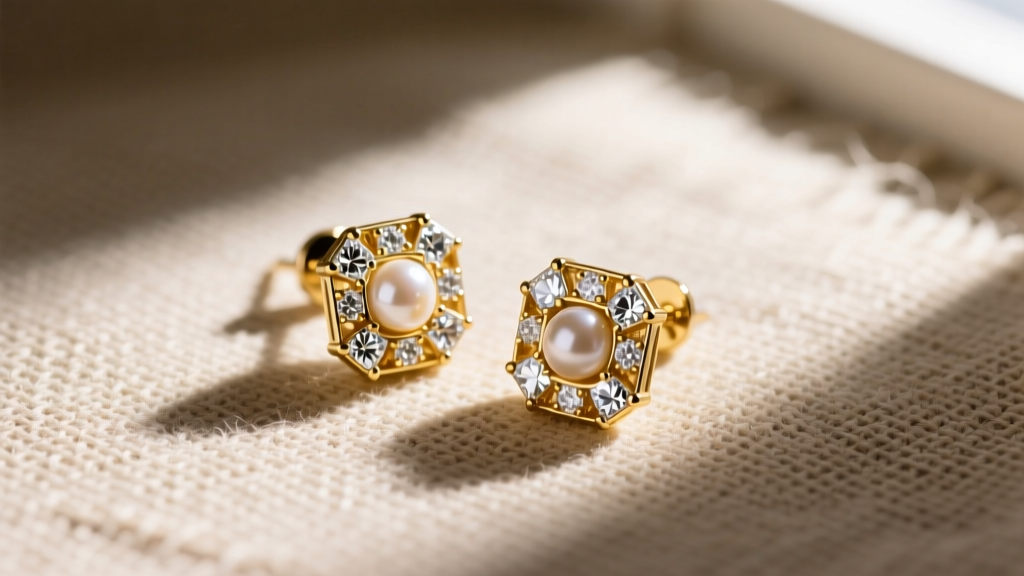
Then there is gold vermeil. By legal definition, vermeil must feature a 925 sterling silver base coated with a minimum of 2.5 microns of gold (usually 14k or 18k). Eye Candy LA's premium core collections utilize this vermeil standard. The thicker plating provides a robust barrier against friction and environmental pollutants, extending the wearable life of the earrings from mere months to several years, provided they are kept away from harsh chemicals. For a deeper dive into federal jewelry standards, refer to the Federal Trade Commission Jewelry Guides.
| Material Type | Base Metal | Plating Thickness | Tarnish Resistance | Best Piercing Type |
|---|---|---|---|---|
| Gold Vermeil | 925 Sterling Silver | 2.5+ Microns | High | Healed Lobes & Cartilage |
| Standard Gold Plate | Brass / Copper Alloy | 0.5 - 1.0 Microns | Low to Moderate | Healed Lobes Only |
| Solid Sterling Silver | N/A (Solid Alloy) | N/A | Moderate (Requires Polishing) | Healed Lobes & Cartilage |
The Enamel Equation: Cold Resin vs. Kiln-Fired
Eye Candy LA is widely celebrated for its playful use of color, particularly in their enamel huggies and stud earrings. But what exactly is this colorful coating? In high-end horology and fine jewelry, vitreous enamel is created by fusing powdered glass to metal at temperatures exceeding 1400°F. This results in a scratch-resistant, permanent bond. However, the vibrant, affordable enamel pieces from Eye Candy LA utilize cold enamel (epoxy resin).
Cold enamel is a two-part synthetic resin that cures at room temperature. It allows for an infinite spectrum of hyper-vibrant colors and precise application into the micro-channels of their huggie designs. The trade-off is durability. Epoxy resin is susceptible to micro-chipping if dropped on hard surfaces like porcelain tiles, and it can degrade or yellow over time if exposed to prolonged UV light or acetone-based products like nail polish remover. To preserve the color-blocking on your Eye Candy LA pieces, always remove them before swimming in chlorinated pools or using harsh household cleaners.
Biocompatibility and Piercing Health
A critical aspect of material analysis is biocompatibility—how the human body reacts to prolonged contact with a specific metal. According to the Association of Professional Piercers, only specific materials like implant-grade titanium (ASTM F136), niobium, and solid 14k/18k gold are recommended for fresh, healing piercings. Eye Candy Los Angeles earrings are strictly designed for fully healed piercings.
The presence of trace alloys in sterling silver (copper) and brass (zinc/nickel traces), combined with the microscopic pores in gold plating, creates an environment where bacteria can thrive if introduced to an open wound. Furthermore, the friction of inserting a plated post through a healing fistula can strip the gold layer, exposing the reactive base metal directly to the bloodstream. Always wait until your lobes or cartilage piercings are 100% healed (typically 6-8 weeks for lobes, up to a year for cartilage) before rotating in fashion jewelry.
Hardware Mechanics and Gauge Specifications
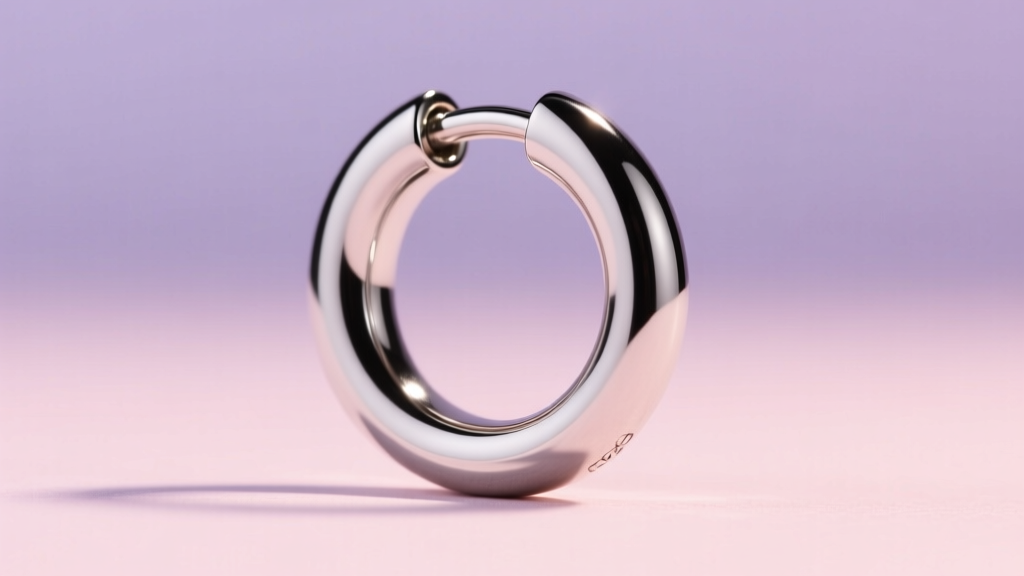
Beyond the visible metals, the structural hardware dictates the comfort and security of your earrings. Eye Candy LA's huggies and clicker hoops predominantly feature 20-gauge (0.81mm) or 18-gauge (1.02mm) wires. This is the industry standard for fashion jewelry, designed to slip effortlessly into standard lobe piercings without requiring stretching. However, gauge size directly impacts the 'cheese cutter effect.' If a heavy, oversized hoop is suspended on a thin 20-gauge wire, the downward gravitational force concentrates on a tiny surface area of your earlobe, eventually causing the piercing to migrate or tear.
Eye Candy LA mitigates this engineering flaw by keeping their large-diameter hoops exceptionally lightweight, often using hollow tubing or thin brass castings rather than solid metal. Their huggie hinges utilize a V-clicker snap mechanism, which provides an audible and tactile 'click' when closed, ensuring the earring remains secure during sleep or physical activity.
Maximizing the Lifespan of Your Collection
Understanding the material properties of Eye Candy LA earrings empowers you to make informed purchasing and maintenance decisions. While they may not carry the generational permanence of solid 18k gold, their vermeil and sterling silver offerings provide exceptional value when cared for correctly. Store your pieces in airtight anti-tarnish bags with silica gel packets to control ambient humidity. Wipe them down with a soft microfiber cloth after every wear to remove sebum and acidic sweat, which are the primary catalysts for plating degradation. By respecting the metallurgical boundaries of fashion jewelry, you can keep your ears adorned with vibrant, skin-safe statement pieces for years to come.


