Troubleshooting 3 Diamond Earrings: Fixes for Snags & Bent Posts
Learn how to troubleshoot 3 diamond earrings. Expert fixes for bent posts, stiff hinges, and prong snags in 3-stone drop designs.

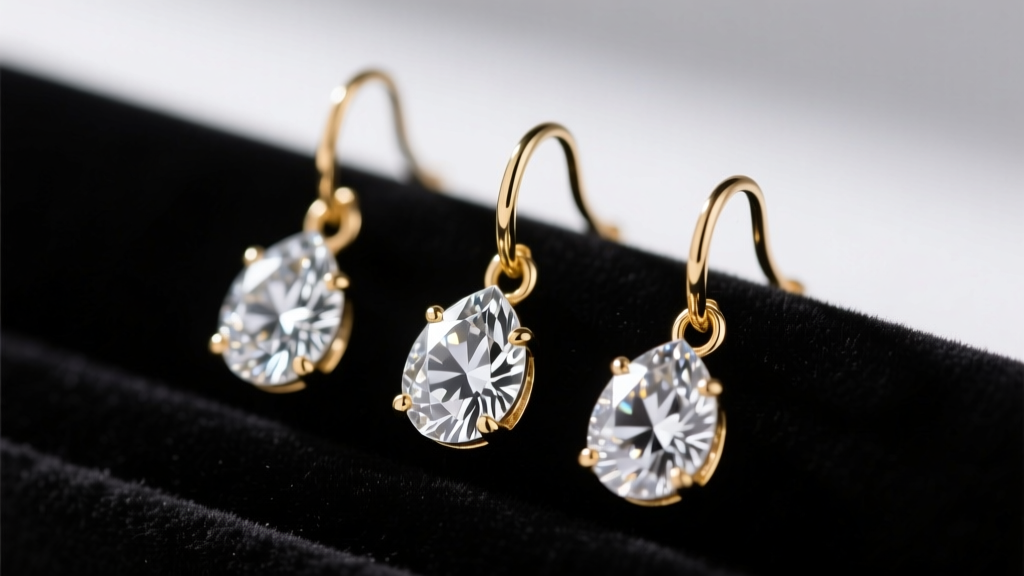
The Unique Engineering Challenges of 3 Diamond Earrings
When collectors and jewelry enthusiasts invest in 3 diamond earrings—specifically the classic 3-stone drop or "past, present, future" dangle designs—they are purchasing a masterpiece of vertical articulation. However, this specific silhouette introduces unique structural vulnerabilities that standard stud or hoop earrings simply do not face. The concentrated weight of three graduated diamonds, combined with the leverage exerted on the earlobe, creates a high-stress environment for the earring post and the connecting hinges.
Unlike a single-stone stud where the weight is centered directly against the lobe, a 3-stone drop shifts the center of gravity downward. A typical 1.50 CTW (carat total weight) 3-stone drop earring weighs between 3.5 and 4.5 grams. While that sounds light, the pendulum effect of walking, turning your head, or taking off a sweater places immense torque on the topmost connection point. In this comprehensive troubleshooting guide, we will diagnose the most common failure modes of 3 diamond earrings and provide actionable, expert-level solutions to restore their security, drape, and brilliance.
Troubleshooting Matrix: Symptoms, Causes, and Fixes
Before attempting any repairs, accurately diagnose the specific failure point of your earrings. Use the matrix below to identify your issue and determine whether an at-home adjustment is sufficient or if professional intervention is required.
| Symptom | Root Cause | At-Home Fix | Jeweler Repair | Avg Cost (2026) |
|---|---|---|---|---|
| Earring droops forward | Post gauge too thin; metal fatigue | Switch to wider jumbo friction backs | Solder on a thicker 18-gauge post | $45 - $85 |
| Stones do not swing freely | Sebum/lotion buildup in jump rings | Soak in warm dish soap; brush gently | Ultrasonic clean and re-tension rings | $30 - $50 |
| Bottom stone hangs crooked | Split jump ring pulled apart | None (risk of losing stone) | Laser-weld the jump ring closed | $60 - $90 |
| Constant hair snagging | Worn or lifted prongs on lower stones | File lightly with emery board (risky) | Re-tip prongs or convert to bezel | $80 - $150+ |
| Earring back slips off easily | Friction back notches worn smooth | Squeeze back gently with pliers | Upgrade to La Pousette locking backs | $120 - $180 |
Deep Dive: Fixing Bent Posts and Drooping Earrings
The most frequent complaint regarding 3 diamond earrings is that they droop forward, pointing toward the floor rather than dangling elegantly. This is almost always a post-gauge issue. Standard fine jewelry earrings are manufactured with 20-gauge (0.81mm) posts. When subjected to the 4-gram leverage of a 3-stone drop, a 20-gauge 14k gold post will yield and bend within months of daily wear.
Upgrading to 18-Gauge Posts and La Pousette Backs
To solve the drooping issue permanently, the post must be upgraded to an 18-gauge (1.02mm) or even a 16-gauge (1.29mm) wire. Platinum is the superior metal for this upgrade due to its high tensile strength and lack of metal memory—meaning if it does bend, it can be straightened without snapping. Furthermore, standard butterfly friction backs are inadequate for heavy drops. The notches on the post wear down, and the back slides off, risking the loss of the entire earring.
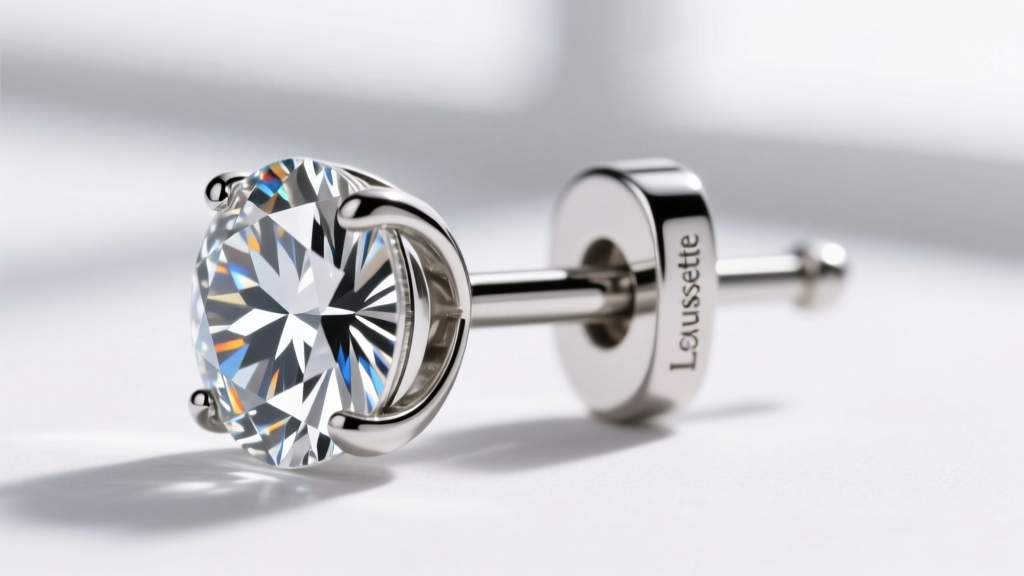
The industry standard solution for heavy 3 diamond earrings is the La Pousette locking back. Originally designed for high-value solitaires, this mechanism uses a spring-loaded internal clutch that grips the post securely and will not release unless the two side tabs are squeezed simultaneously. If your earlobes cannot accommodate an 18-gauge post, you must use a specialized wide-disc friction back (at least 10mm in diameter) to distribute the weight across a larger surface area of the lobe, reducing the forward torque.
Resolving Articulation and Hinge Stiffness
The defining feature of 3 diamond drop earrings is their articulation—the way the three stones swing independently. This is achieved via jump rings or micro-hinges connecting the stones. Over time, these connection points become stiff, causing the earring to move as a single, rigid block rather than a fluid cascade.
The Danger of Split Rings and Metal Fatigue
Many mass-market 3 diamond earrings use "split rings" (tiny circles of wire with a single cut, like a miniature keychain ring) to connect the stones to save on manufacturing costs. The problem? The pendulum motion of the earring causes the diamond setting to twist against the split ring, eventually prying it open. Once a split ring gaps, the bottom diamond will fall out and be lost.
The Fix: Inspect your jump rings with a 10x jeweler's loupe. If you see a seam, take the earrings to a master jeweler immediately. The permanent fix is to have the jeweler replace the split rings with solid, laser-welded jump rings or riveted hinges. Laser welding fuses the metal shut without applying the broad heat of a traditional torch, which could shatter the diamonds or melt the surrounding gold.
Safe Cleaning Protocols for Multi-Stone Drops
Because 3 diamond earrings feature multiple connection points and settings, they trap significantly more dead skin cells, sebum, and cosmetic residue than simple studs. This buildup not only dulls the diamonds but also acts as an abrasive paste inside the jump rings, accelerating metal wear.
While ultrasonic cleaners are popular, they pose a specific risk to multi-stone drops. The standard 40kHz frequency can shake loose diamonds if the prongs are already slightly worn. More importantly, if your 3 diamond earrings feature any fracture-filled diamonds or secondary accent stones (like emeralds or opals) in the setting, the ultrasonic vibrations and heat will destroy them. According to the Gemological Institute of America (GIA), the safest at-home method is to soak the earrings in a bowl of warm water with a few drops of mild, ammonia-free dish soap for 20 minutes. Use a dedicated, extra-soft baby toothbrush to gently agitate the backs of the settings and the jump rings. Rinse with distilled water to prevent hard water spots, and dry with a lint-free microfiber cloth.
Eliminating Prong Snags on Multi-Stone Settings
A standard 3-stone drop earring featuring round brilliant diamonds will have at least 12 prongs (4 per stone). If the stones are marquise or pear-shaped, they will feature delicate V-prongs at the tips. These prongs are notorious for catching on cashmere sweaters, silk pillowcases, and hair.
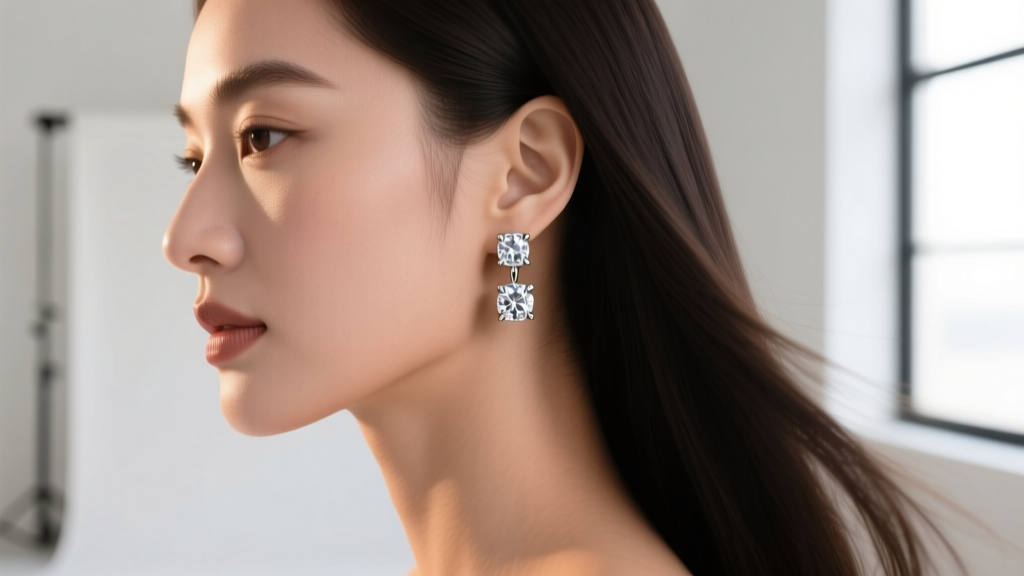
When a prong catches, it lifts away from the diamond's crown. Even a microscopic gap of 0.2mm is enough to compromise the stone's security. If your 3 diamond earrings are constantly snagging, you have two primary solutions:
- Prong Re-tipping and Polishing: A jeweler can file down the lifted prongs, re-tighten them against the stone, and polish the tips to a mirror finish so they glide over fabrics. This requires routine maintenance every 18 to 24 months.
- Bezel Conversion: For a permanent, snag-proof solution, have a jeweler convert the bottom two stones from prong settings to bezel settings. A bezel setting surrounds the diamond's girdle with a continuous rim of metal. While you lose roughly 5% of the diamond's visible surface area, the trade-off in security and snag-free wearability is highly recommended for active wearers.
When to See a Master Jeweler (And What It Will Cost)
While you can clean your earrings and swap out earring backs at home, structural repairs on 3 diamond earrings require professional equipment. Never attempt to bend a crooked post back into place with household pliers; repeated bending causes work-hardening, and the post will snap cleanly off the setting.
Expert Insight: When taking your 3 diamond earrings to a jeweler for post replacement or hinge repair, specifically request that they use a laser welder rather than a traditional soldering torch. Laser welding allows the jeweler to fuse metal millimeters away from heat-sensitive diamonds without needing to remove the stones from their settings, saving you hundreds of dollars in unmounting and remounting labor fees.
Expect to pay between $45 and $85 for a post upgrade to 18-gauge platinum, and between $60 and $120 per earring for laser-welding loose jump rings. Given the high replacement cost of graduated, color-matched diamond drops, investing $150 in preventative structural maintenance every few years is a fractional premium that ensures your 3 diamond earrings remain secure, fluid, and brilliant for a lifetime.


