Fixing & Caring for Betsey Johnson Evil Eye Earrings
Learn how to fix loose stones, prevent enamel chips, and stop skin irritation with our expert troubleshooting guide for Betsey Johnson evil eye earrings.

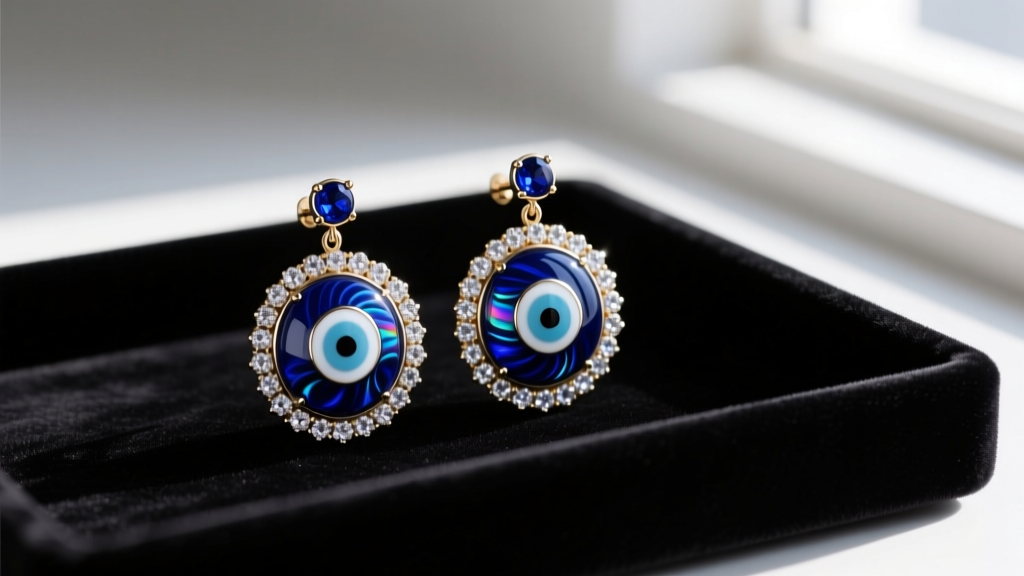
Betsey Johnson’s whimsical, maximalist jewelry has maintained a cult following for decades. As we move through 2026, archival and vintage Betsey Johnson evil eye earrings have become highly sought-after collector's items, prized for their intricate metalwork, vibrant cold enamel, and sparkling pave details. However, the very materials that give these statement pieces their iconic charm—cast base metals, heavy glass stones, and layered plating—also make them uniquely prone to specific types of wear and tear.
Whether you are dealing with a missing rhinestone on a favorite pair of drop earrings, chipped enamel on the central eye motif, or severe earlobe drooping from the sheer weight of the design, this comprehensive troubleshooting guide will help you restore and comfortably wear your Betsey Johnson evil eye earrings.
The Anatomy and Common Flaws of Betsey Johnson Enamel Jewelry
To effectively troubleshoot, you must first understand how these earrings are manufactured. Authentic Betsey Johnson pieces typically feature a cast brass or white metal alloy base that is plated in silver-tone or gold-tone finishes. The vibrant colors of the evil eye motifs are achieved using cold enamel (an epoxy-based resin) rather than traditional kiln-fired vitreous enamel. The "pave" settings usually consist of glass or acrylic rhinestones affixed with industrial jewelry adhesives.
Because of this construction, owners frequently encounter three primary issues:
- Adhesive Degradation: Exposure to humidity, skin oils, and temperature fluctuations causes the factory glue to become brittle, leading to lost stones.
- Enamel Chipping: Cold enamel is essentially hardened resin. Dropping the earrings or knocking them against hard surfaces can cause micro-chips or deep gouges in the colored sections.
- Post Failure and Lobe Stretching: The heavy weight of the evil eye drops (often 15 to 25 grams per earring) places immense stress on the standard 20-gauge (0.81mm) or 18-gauge (1.02mm) earring posts, leading to bending, lobe stretching, and contact dermatitis.
Troubleshooting Loose or Missing Rhinestones
Losing a rhinestone from the intricate halo surrounding the evil eye motif is the most common repair needed. The key to a lasting, invisible repair is selecting the correct adhesive. According to the Gemological Institute of America (GIA), using the wrong glue can permanently ruin glass stones by causing irreversible fogging.
Step-by-Step Gemstone Reattachment
Never use cyanoacrylate (commonly known as Super Glue or Krazy Glue). It dries too quickly, creates a brittle bond that shatters under pressure, and emits fumes that will permanently cloud the glass or acrylic rhinestones. Instead, use a specialized jeweler's cement.
- Clean the Setting: Use a wooden toothpick dipped in isopropyl alcohol to gently scrape away the old, crusty adhesive from the empty metal cup. Allow it to dry completely.
- Select the Adhesive: For tiny pave stones (under 3mm), use GS Hypo Cement. Its fine needle applicator allows for precise placement without overflowing. For larger flatback stones, E6000 Jewelry & Bead adhesive provides a stronger, flexible bond.
- Apply and Set: Apply a microscopic dot of glue to the base of the setting (not the stone itself). Use tweezers to place the rhinestone face-up. Press down gently with a wax-tipped gem setting tool.
- Cure Time: Let the earrings sit undisturbed on a flat surface for 24 hours. GS Hypo Cement dries clear and remains slightly flexible, absorbing the shock of daily wear.
Fixing Chipped Enamel on the Evil Eye Motif
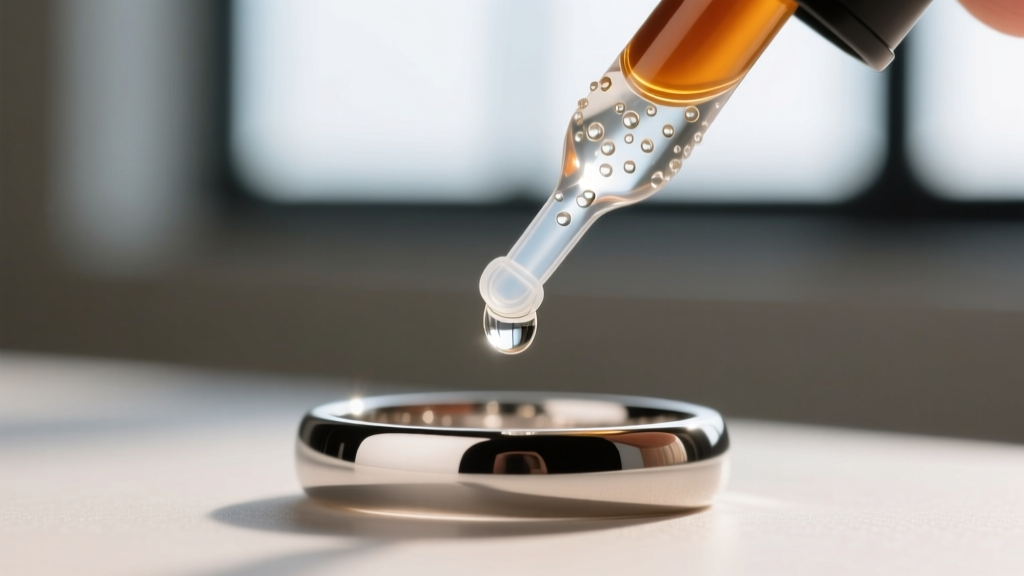
The vibrant blue, gold, and white sections of the evil eye are focal points, making any chips highly visible. Because traditional vitreous enamel requires temperatures exceeding 1,400°F (760°C) to fuse, you cannot use heat-based repairs on Betsey Johnson's resin-based cold enamel without melting the piece and destroying the rhinestones.
The UV Resin Touch-Up Method
For deep chips or missing chunks of color, UV-curing jewelry resin is the most effective modern solution. Brands like Lisa Pavelka Magic-Glos or specialized UV enamel pens allow you to color-match and fill the void.
- Color Matching: If the exact color is unavailable, mix a drop of high-quality alcohol ink (like Jacquard Pinata) into clear UV resin before application.
- Filling the Chip: Using a fine dental tool or toothpick, carefully drop the tinted resin into the chip. Do not overfill; the resin will self-level.
- Curing: Expose the earring to a 36W UV nail lamp for 60 to 90 seconds. The resin will harden into a durable, glass-like finish that bonds seamlessly to the existing cold enamel.
Solving Earlobe Droop and Weight Issues
Betsey Johnson evil eye drop earrings are notoriously front-heavy. When a 20-gram earring hangs from a thin 20-gauge post, gravity pulls the decorative face downward, causing the earring to droop awkwardly and stretching the earlobe piercing over time. This "cheese-cutter" effect can cause micro-tears in the fistula.
To solve this, you must redistribute the weight and provide structural support to the earlobe. Below is a comparison of support methods based on efficacy and comfort.
| Support Method | Material | Weight Distribution | Best For |
|---|---|---|---|
| Standard Butterfly Back | Metal / Plastic | Poor (Concentrates weight on a 2mm point) | Lightweight studs only |
| Silicone Bullet Backs | Medical-grade Silicone | Moderate (Wider surface area grips post) | Medium drops, prevents slipping |
| Jumbo Silicone Discs | Soft Silicone | Good (10mm disc rests against the lobe) | Heavy dangles, mild lobe support |
| Earlobe Support Patches | Adhesive-backed Foam/Silicone | Excellent (Distributes weight across 1 inch of skin) | Very heavy statement pieces, stretched lobes |
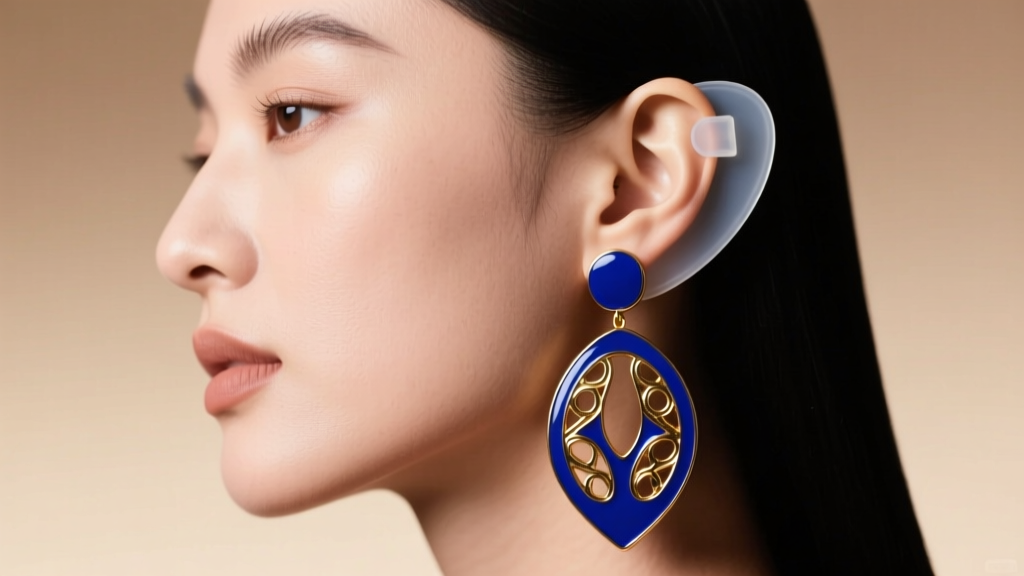
For the heaviest Betsey Johnson evil eye styles, adhesive earlobe support patches (such as those made by EarSecrets) are virtually mandatory. These invisible patches adhere to the back of your earlobe, providing a reinforced barrier that prevents the metal post from slicing through the skin and keeps the earring facing perfectly forward.
Preventing Contact Dermatitis and Tarnish
Because Betsey Johnson jewelry utilizes base metal alloys, nickel exposure is a significant concern for sensitive wearers. The Mayo Clinic notes that nickel allergy is one of the most common causes of allergic contact dermatitis, resulting in itchy, red, and blistered earlobes. Furthermore, the silver-tone plating will inevitably tarnish when exposed to sulfur in the air and the natural acidity of human skin.
The Clear Polish Hack vs. Professional Post Swaps
The traditional "life hack" of painting the earring post with clear nail polish provides a temporary barrier against nickel, but it chips quickly and can trap bacteria against the skin. For a permanent, 2026-standard solution, take your earrings to a professional bench jeweler.
A jeweler can use a laser welder to safely snip off the base-metal post and weld on a new post made of implant-grade titanium (ASTM F136). Titanium is completely biocompatible, nickel-free, and hypoallergenic. This procedure typically costs between $30 and $50 per earring but permanently solves the allergy issue without altering the visible front design of the evil eye motif. The American Academy of Dermatology strongly recommends switching to titanium or surgical steel for anyone experiencing recurring jewelry allergies.
Safe Tarnish Removal
To remove tarnish from the silver-plated crevices without stripping the plating or damaging the cold enamel, avoid harsh liquid silver dips. Instead, use a mild paste of baking soda and water applied with a soft-bristled baby toothbrush. Gently agitate the tarnished areas, rinse with distilled water, and immediately pat dry with a microfiber cloth. Store the earrings in an anti-tarnish cloth pouch with a silica gel packet to absorb ambient moisture.
When to Seek Professional Jewelry Repair
While DIY troubleshooting can solve most cosmetic and wearability issues, certain structural failures require a professional touch. If the actual metal loop (jump ring) connecting the evil eye charm to the earring hook has snapped, or if the earring post has sheared off flush with the base metal, do not attempt to solder it yourself. Standard soldering torches will melt the cold enamel and scorch the rhinestone foil backings. A professional jeweler equipped with a pulse-arc or laser welder can reattach broken metal components using localized heat that leaves the surrounding enamel and stones completely unharmed.
By understanding the specific material properties of your Betsey Johnson evil eye earrings and utilizing the correct adhesives, supports, and hypoallergenic modifications, you can ensure these iconic statement pieces remain a vibrant, comfortable part of your jewelry rotation for years to come.


