New Year Earrings 2026: A Beginner's Guide to Fresh Piercing Styles
Discover the ultimate beginner's guide to new year earrings in 2026. Learn about healing times, implant-grade materials, and trending ear curation.

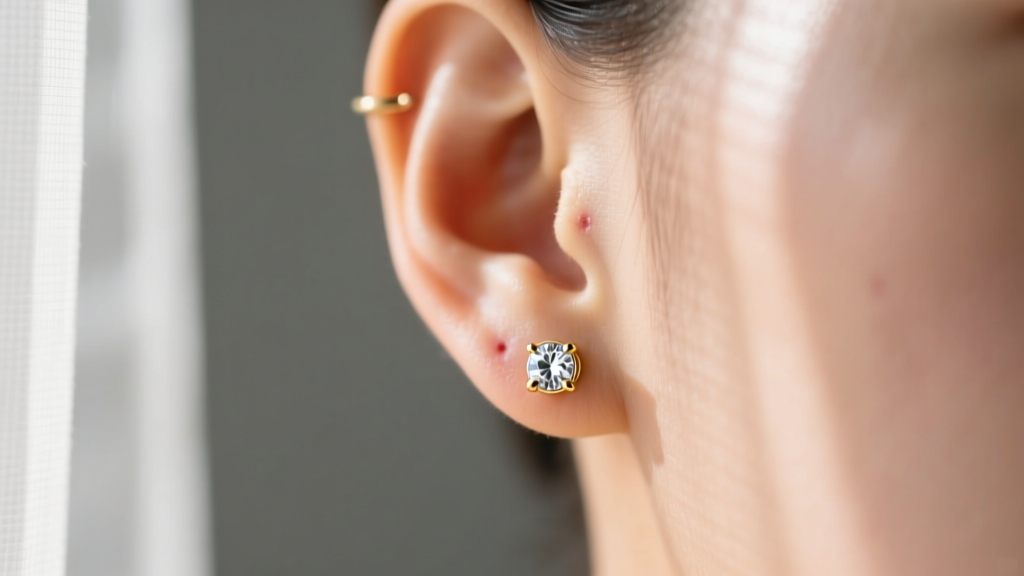
The transition into a new year often brings a wave of fresh resolutions, and in 2026, one of the most popular forms of self-expression is the "new year, new piercing" commitment. Whether you are looking to start a curated ear project, upgrade your basic studs to high-end body jewelry, or finally take the plunge on that cartilage piercing you have been pinning on your mood board, selecting the right new year earrings requires more than just an eye for aesthetics. It requires a foundational understanding of anatomy, metallurgy, and healing biology.
As a beginner, navigating the world of professional body jewelry can feel overwhelming. Terms like "threadless," "ASTM F136," and "downsizing" are thrown around frequently in piercing studios. This comprehensive guide will demystify the process, equipping you with the expert knowledge needed to choose safe, stylish, and long-lasting new year earrings for your 2026 ear curation journey.
The "New Year, New Piercing" Resolution: Where to Start
Starting a piercing journey in January is a strategic move. The winter months generally mean less swimming, less sweating, and a lower risk of environmental irritants like pollen or lake water interfering with your healing fistula. However, the most critical step in your new year resolution is not picking out the jewelry—it is choosing the right professional.
Always seek out a piercer who is certified by the Association of Professional Piercers (APP). An APP-certified professional adheres to strict sterilization protocols, uses single-use hollow needles (never piercing guns, which cause blunt force trauma and tissue necrosis), and stocks only body-safe jewelry. When you book your appointment, discuss your long-term "ear curation" goals. A skilled piercer will map out your ear's unique anatomy, ensuring that the angles and placements of your new year earrings will accommodate future additions without causing migration or rejection.
Material Science: What Belongs in a Fresh 2026 Piercing
The biggest mistake beginners make when buying new year earrings for a fresh piercing is prioritizing the gemstone over the metal post. Fresh piercings are essentially open wounds, and the immune system is highly reactive to foreign metals. According to dermatological guidelines and the Mayo Clinic, nickel allergies are incredibly common and can cause severe contact dermatitis, swelling, and infection.
To avoid this, you must understand material grades. "Surgical steel" is a largely unregulated marketing term. While 316L stainless steel is fine for fully healed piercings, it contains up to 14% nickel, which can leach into a healing wound. For 2026, the gold standard for fresh piercings is Implant-Grade Titanium or high-karat, nickel-free solid gold.
| Material | Grade / Standard | Nickel Content | Avg. Price Range (Per Piece) |
|---|---|---|---|
| Implant-Grade Titanium | ASTM F136 / F67 | Zero | $30 - $90 |
| Niobium | Reactive / Anodized | Zero | $25 - $70 |
| Solid Gold | 14k or 18k (Nickel-Free Alloy) | Zero | $120 - $450+ |
| Surgical Steel | 316L / 316LVM | Contains Nickel (8-14%) | $15 - $40 |
Note: When buying solid gold new year earrings for fresh piercings, ensure the manufacturer explicitly states the alloy is nickel-free. Some white gold alloys use nickel for color, which is disastrous for healing tissue. Look for palladium-alloyed white gold instead.
Gauge Sizes and Anatomy: A Beginner's Cheat Sheet
"Gauge" refers to the thickness of the jewelry post. Understanding gauge sizes is crucial for ensuring your new year earrings fit properly and do not cause the "cheese-cutter effect," where a thin piece of jewelry slowly migrates and cuts through the tissue due to its weight.
- 18G (1.0mm): The standard size for traditional earlobe piercings and some delicate nostril piercings. While common, many modern piercers are moving away from 18G for cartilage due to stability issues.
- 16G (1.2mm): The absolute gold standard for cartilage piercings in 2026. This includes the helix, flat, tragus, and conch. The 16G thickness provides structural integrity, reducing the risk of migration and irritation bumps.
- 14G (1.6mm): Typically reserved for industrial piercings, daiths, or specific conch placements where maximum stability is required to support the weight of the jewelry and the tension of the anatomy.
When shopping for high-end brands like BVLA or Anatometal, you will buy the "post" and the "end" separately. Ensure you know your exact gauge and post length (usually 1/4" or 5/16" for initial swelling) before checking out.
Curating Your Ear: Trending New Year Earrings Styles
Once your piercings are fully healed, the fun of styling begins. The 2026 ear curation trend leans heavily into mixed metals, asymmetrical balance, and mechanical innovation. Here are the top styles to look for when upgrading your healed new year earrings:
1. Threadless Push-Pin Ends
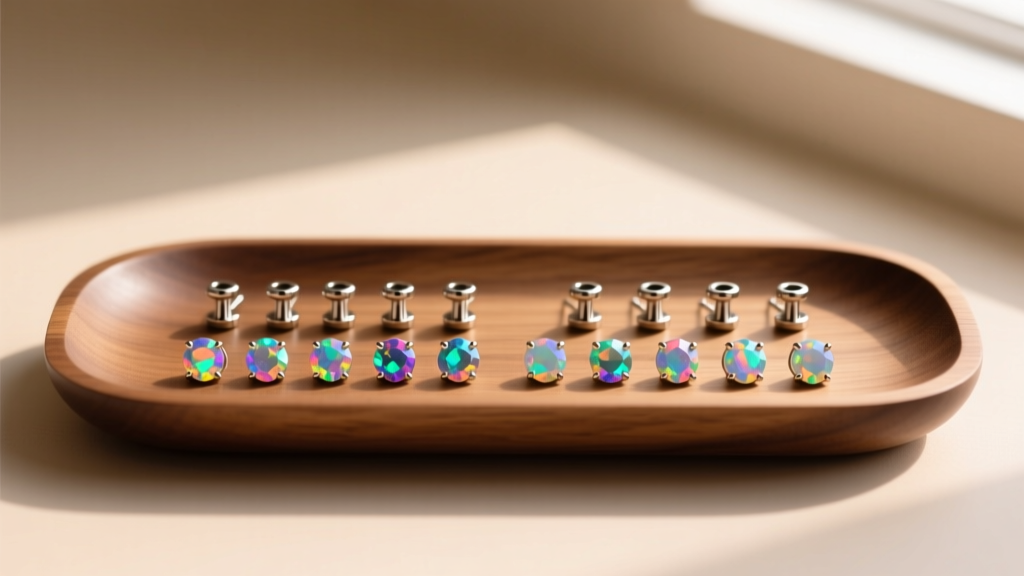
Unlike traditional internally threaded jewelry that screws together, threadless jewelry uses tension to stay in place. A slightly bent pin on the decorative end slides into the hollow post, creating a secure friction fit. This is the preferred mechanism for 2026 because it eliminates the microscopic threads that can harbor bacteria and tear healing tissue during insertion.
2. Seamless Huggie Hoops
For healed lobes and upper helixes, huggies remain a dominant trend. Look for 14k solid gold huggies with a "clicker" hinge mechanism. These provide a continuous, seamless look without the irritation of a captive bead ring (CBR) seam.
3. Ear Cuffs and Faux Piercings
If you are not ready to commit to a new needle, ear cuffs are an excellent way to test out placements like the mid-helix or the rook. Modern 2026 cuffs use adjustable tension bands rather than cheap pinching mechanisms, allowing for all-day comfort without the risk of pressure necrosis.

Healing Timelines: Planning Your New Year Ear Project
Patience is the most important tool in your piercing kit. Cartilage is avascular, meaning it lacks a direct blood supply and relies on surrounding tissues for nutrients and oxygen. This makes healing a slow, non-linear process. Do not attempt to get your entire ear pierced in a single January session; the immune system can become overwhelmed, leading to systemic swelling and prolonged healing.
Follow this general timeline for your 2026 ear project:
- Standard Earlobe: 6 to 8 weeks for initial healing, but wait 3 to 6 months before changing to heavy statement earrings.
- Helix / Flat / Tragus: 6 to 12 months. You will need to return to your piercer around week 4 to 6 to "downsize" the post (swap the long initial post for a shorter one) to prevent the jewelry from catching on hair and clothing.
- Conch / Daith / Rook: 9 to 18 months. These deep cartilage folds are highly prone to irritation bumps if subjected to friction.
Common Beginner Mistakes to Avoid This January
To ensure your new year earrings remain a beautiful addition rather than a source of chronic infection, avoid these common beginner pitfalls:
1. Sleeping on the Piercing: Pressure from your pillow restricts blood flow and causes the jewelry to sit at an angle, leading to crooked healing. Invest in a travel neck pillow and sleep with your ear in the center hole.
2. Using Harsh Chemicals: Throw away the rubbing alcohol, hydrogen peroxide, and antibiotic ointments. These destroy new, fragile skin cells. The only aftercare product you need is a sterile, additive-free 0.9% sodium chloride saline wound wash, sprayed gently twice a day.
3. Twisting the Jewelry: This outdated advice tears the delicate fistula (the tube of skin forming inside the piercing). Never twist, turn, or play with your new year earrings. Let your body do the work.
By prioritizing implant-grade materials, respecting your body's natural healing timelines, and working with a certified professional, your 2026 ear curation will be a stunning, lifelong investment in your personal style.


