Fixing Clip On Earrings Vintage Finds: Repair and Comfort Hacks
Learn how to repair, adjust, and comfortably wear clip on earrings vintage styles. Expert troubleshooting for tension, padding, and broken mechanisms.

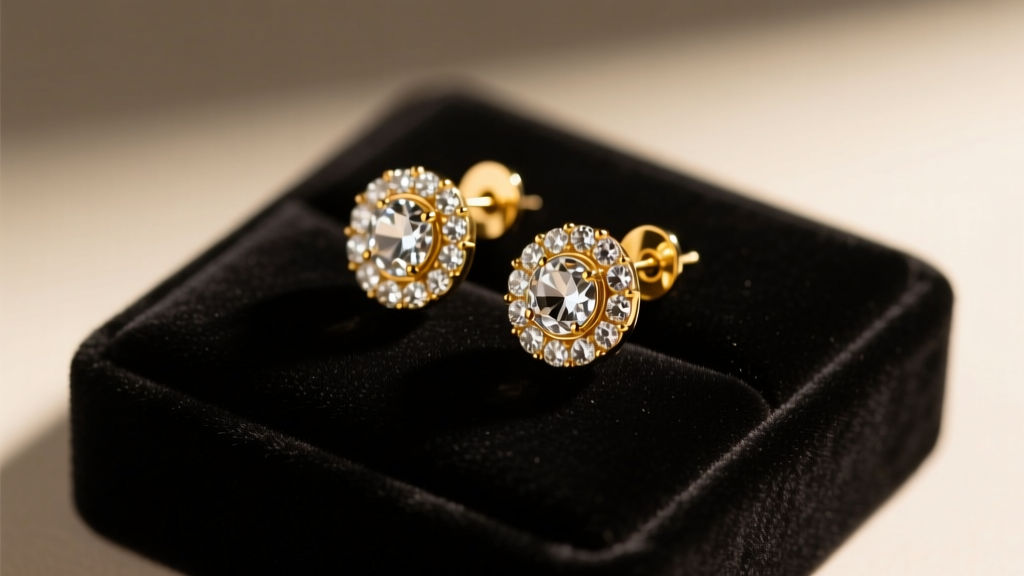
The secondary market for estate jewelry has seen a massive resurgence, and many buyers searching for clip on earrings vintage styles encounter a common hurdle: the mechanisms simply were not designed for modern, all-day comfort. Whether you have inherited a pair of 1950s Trifari rhinestone clips or scored a heavy pair of 1980s Chanel gilt dangles at a flea market, vintage clip-ons often suffer from degraded tension, missing ear pads, and aggressive pinching. As a jewelry specialist, I see countless collectors abandon stunning historical pieces simply because they cause lobe fatigue within twenty minutes.
Troubleshooting these issues requires an understanding of mid-century jewelry metallurgy and a few specialized bench tools. In this comprehensive guide, we will break down exactly how to diagnose tension failures, safely adjust antique hinges without snapping them, restore degraded padding, and implement modern comfort hacks for heavy vintage silhouettes.
Diagnosing Common Vintage Clip-On Failures
Before applying any pressure to a vintage finding, you must identify the root cause of the malfunction. Vintage clip-on mechanisms generally fall into three categories: simple paddle clips, spring-hinged clips, and adjustable screw-backs (which are technically a separate category but often grouped together). The most frequent complaints revolve around the tension of the paddle or spring hinge.
Loss of Tension (The Slip-Off Problem)
If your earrings slide off the lobe when you turn your head, the metal has experienced 'creep' or fatigue. Over decades of being pulled open to remove the earring, the brass or base metal loses its structural memory. This is especially common in pieces from the 1970s, where mass-production led to thinner gauge metals being used for the clip paddles.
Over-Tightening (The Pinch Problem)
Conversely, earrings that cause intense throbbing after an hour usually have a hinge tension that is too high, or they are missing their shock-absorbing pads. Vintage manufacturers often calibrated clips for thicker earlobes or relied on thick foam pads that have since disintegrated, leaving bare metal biting directly into the skin.
The Metallurgy of Vintage Findings
According to the Lang Antiques' Antique Jewelry University, understanding the base metal of your finding is critical before attempting any repairs. Not all vintage clips can be bent. You must determine if the clip is made of brass, sterling silver, or Zamac (pot metal).
Step-by-Step Tension Adjustment Framework
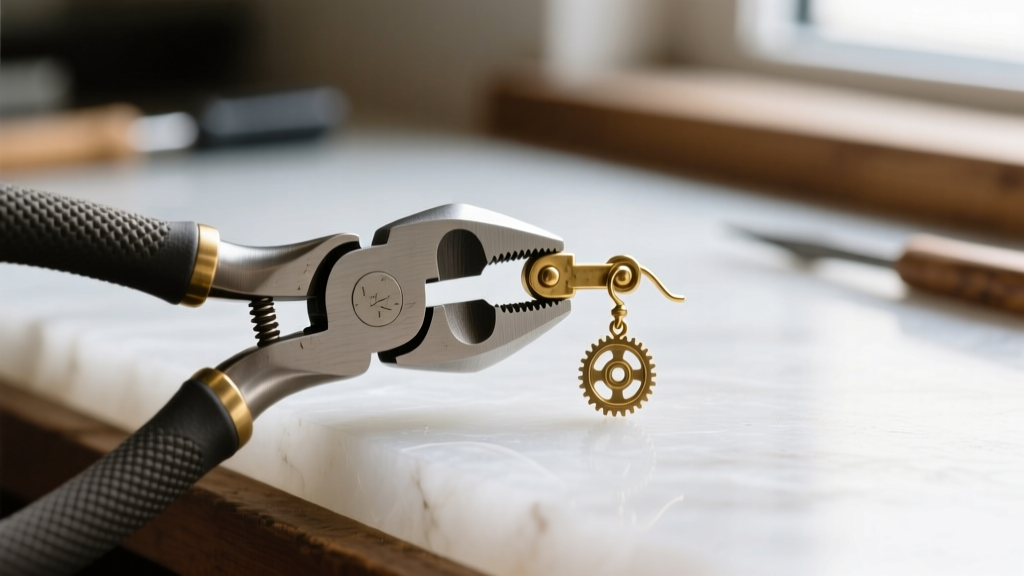
Adjusting the tension of a vintage clip-on is a delicate process. Never use standard steel jewelry pliers, as they will mar the plating, scratch the gilt, and potentially crush the hinge barrel. You must use nylon-jaw pliers (such as those made by Eurotool or Beadalon) to grip the metal without leaving teeth marks.
| Metal Alloy | Era Commonality | Adjustment Risk | Tool Required |
|---|---|---|---|
| Zamac (Pot Metal) | 1940s-1950s Costume | High (Snaps easily) | None (Do not bend) |
| Brass / Gilt Brass | 1960s-1980s Designer | Low (Excellent memory) | Nylon-Jaw Pliers |
| Sterling Silver | Mid-Century Fine | Medium (Work-hardens) | Raw Hide Mallet |
The Adjustment Technique:
- To Increase Tension (Fix slipping): Grip the base of the clip (where it attaches to the earring body) with one nylon-jaw plier, and grip the top curve of the paddle with the other. Gently squeeze them together by no more than 2 millimeters. Test on your ear. Repeat if necessary.
- To Decrease Tension (Fix pinching): Grip the base, and use your second plier to gently pull the paddle outward, away from the earring back. Apply pressure in micro-increments. Brass has a high yield strength, meaning it will spring back slightly after you release the pliers.
Warning: If your earrings are made of Zamac (a zinc alloy common in WWII-era costume jewelry due to brass shortages), do not attempt to bend them. Zamac is highly brittle and will snap cleanly in half under lateral pressure. For Zamac clips, you must rely entirely on padding and silicone sleeves for comfort adjustments.
Restoring and Replacing Ear Pads
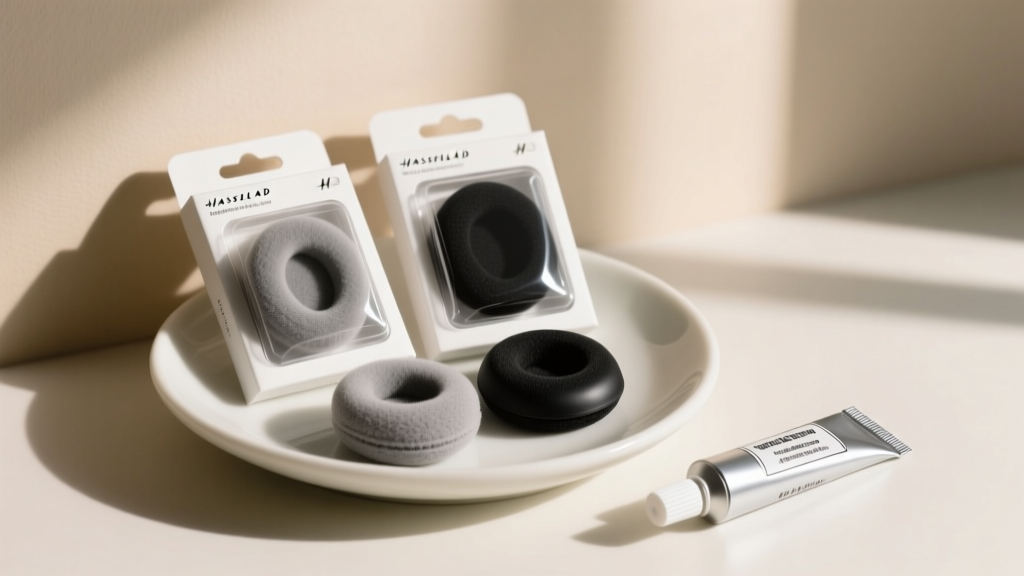
The original foam or rubber pads on vintage clip-ons are almost always degraded, yellowed, or completely missing. Replacing them is the single most effective way to restore comfort. The GIA Gem Encyclopedia notes that preserving the original patina of the metal is important, so cleaning the contact area must be done without harsh abrasives.
Sourcing the Right Pad Shape
- Alpha Pads (Figure-8): Best for standard paddle clips. The cutout in the center allows the metal hinge to move freely without pushing the pad out of place.
- Crescent Pads: Designed for curved or contoured clip backs, often found on 1950s Dior or Schiaparelli pieces.
- U-Pads: Used for wider, heavy-duty clips that require maximum surface area distribution.
Adhesive Selection
Do not use Super Glue (cyanoacrylate), as it dries brittle, creates a white frosty residue on vintage gold plating, and will eventually crack under the flexing pressure of the clip. Instead, use GS Hypo Cement for small, lightweight pads, or 3M VHB double-sided jewelry tape for heavy dangles. VHB tape provides a microscopic layer of foam cushioning and allows for future replacement without scraping off hardened glue.
Hacking Comfort for Heavy Vintage Styles
Even with perfect tension and new pads, heavy vintage clip-ons (like 1980s oversized gilt dangles) will cause lobe fatigue due to gravity. The weight pulls the top of the clip into the cartilage while the bottom digs into the soft tissue of the lobe.
To combat this, implement the following modern comfort hacks:
1. Silicone Clip-On Converters
You can purchase U-shaped silicone sleeves that slide directly over the metal paddle of the vintage clip. These add 2mm of medical-grade silicone cushioning and drastically increase the friction against the skin, preventing heavy earrings from sliding down the lobe.
2. Earlobe Support Patches
Products like 'Lobe Wonder' are adhesive patches applied directly to the back of the earlobe. They distribute the clamping pressure of the vintage clip across a wider 1-inch surface area, effectively eliminating the localized 'pinch' point. This is mandatory for wearing vintage clip-ons that weigh more than 15 grams per earring.
3. The Clear Nail Polish Trick
If the bare metal of a vintage clip irritates your skin (a common issue with nickel-heavy 1960s base metals), paint the inside of the paddle and the back of the earring with two coats of clear, hypoallergenic nail polish. This creates a temporary, invisible barrier that prevents contact dermatitis without altering the exterior aesthetic of the piece.
When to Convert: Piercing Vintage Clip-Ons
Sometimes, a vintage mechanism is simply too damaged, rusted, or poorly engineered to be salvaged. If you have a pair of high-value vintage earrings that you love but cannot wear, converting them to pierced posts or French wires is a viable option. However, this requires professional bench work.
A professional jeweler will use a laser welder to remove the clip mechanism and attach a sterling silver or 14k gold post. Laser welding is preferred over traditional torch soldering because it prevents the intense heat from melting the enamel, cracking the rhinestones, or burning off the delicate gold vermeil plating common in mid-century designer pieces. Expect to pay between $45 and $90 per earring for a high-quality laser conversion. While this technically lowers the 'collector' value of the piece in the strict antique market, it vastly increases the functional value and wearability for the modern owner.
By understanding the metallurgy of your finds and utilizing the correct bench techniques, you can rescue stunning clip on earrings vintage pieces from the bottom of the jewelry box and wear them comfortably for decades to come.


