Fixing Drooping Pansy Earrings: Support, Repair & Style Guide
Learn how to fix drooping pansy earrings, repair chipped enamel, and upgrade posts for heavy floral motifs without damaging your earlobes.

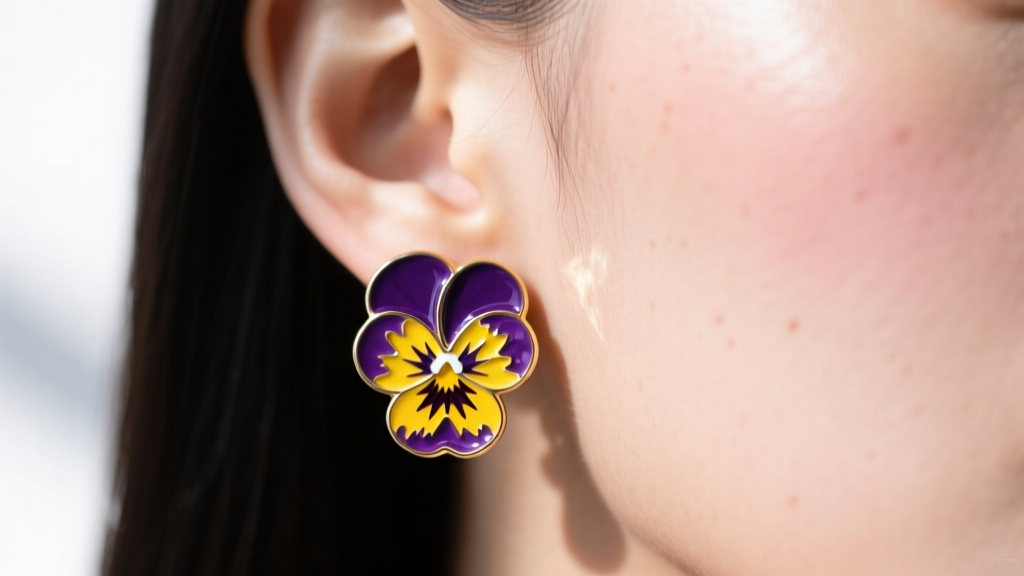
As vintage floral motifs continue to dominate 2026 estate auctions and modern artisan collections, pansy earrings remain a highly coveted accessory. With their intricate, multi-petaled designs and vibrant enamel work, these floral studs offer a romantic, vintage-inspired aesthetic. However, their unique anatomy often leads to a specific set of structural failures. Because pansy motifs are inherently wide, top-heavy, and often cast in dense base metals, they frequently suffer from forward drooping, bent posts, and chipped enamel.
If your favorite floral studs are pointing toward the floor or causing lobe fatigue, you are not alone. This comprehensive troubleshooting guide dives deep into the metallurgy, physics, and restoration techniques required to rescue and reinforce heavy pansy earrings.
The Anatomy of a Pansy Earring: Why They Droop and Break
To solve the problem, we must first understand the physics of the jewelry. A standard floral stud features a wide face (often 20mm to 30mm in diameter) and a high center of gravity. When cast in vintage 'pot metal' (a zinc, copper, and lead alloy common in mid-century costume jewelry by brands like Trifari or Coro), a single pansy earring can easily weigh between 6 and 10 grams.
By contrast, standard earring posts are typically 20-gauge (0.81mm thick). A 20-gauge brass or steel post lacks the tensile strength to support an 8-gram, 25mm wide motif. The result is a mechanical failure: the post bends at the solder joint, or the friction of the standard butterfly backing fails, causing the heavy floral face to tilt forward and stretch the earlobe piercing.
Troubleshooting Table: Common Pansy Earring Failures
Before attempting repairs, diagnose the specific failure mode of your jewelry. Use this matrix to identify the root cause and the most cost-effective solution.
| Problem | Root Cause | Recommended Solution | Estimated Cost |
|---|---|---|---|
| Forward Droop | Heavy face, weak backing surface area | Silicone jumbo backs or earring lifters | $5 - $15 |
| Bent / Snapped Post | Soft base metal, 20G thickness limit | Laser-weld new 18G titanium/steel post | $35 - $65 |
| Chipped Enamel | Impact damage, age degradation | Cold enamel (epoxy resin) touch-up | $80 - $150 |
| Green / Itchy Lobes | Nickel/copper oxidation in pot metal | Electroplate with rhodium or 14k gold | $40 - $85 |
Step-by-Step Fixes for Heavy Floral Motifs
1. Upgrading the Post and Backing System
The most common complaint with vintage pansy earrings is the 'cheese-cutter' effect, where a thin post and small backing dig into the back of the earlobe due to the front-heavy weight. To fix this without altering the vintage aesthetic, you must increase the surface area of the backing.
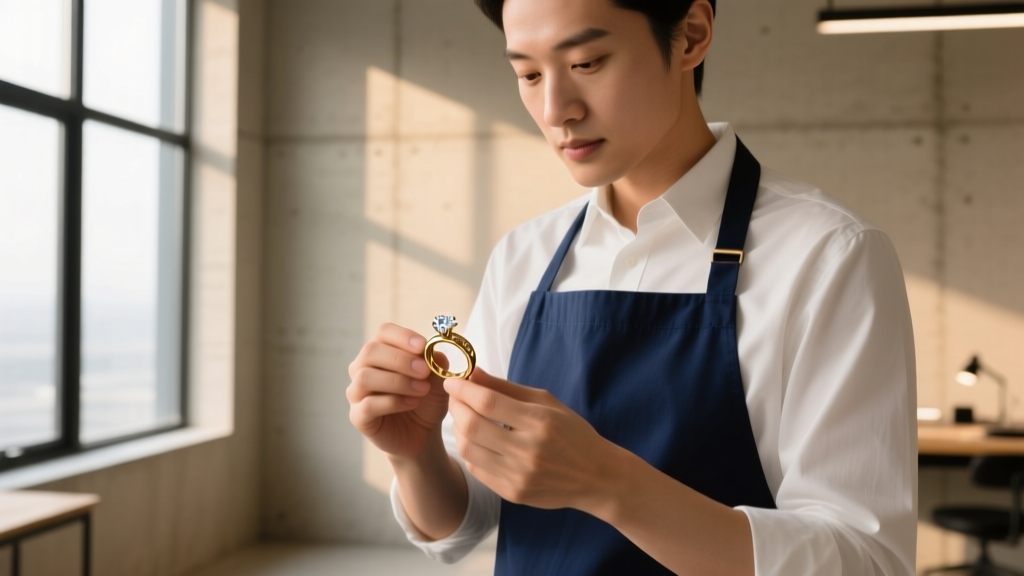
- Upgrade to 18-Gauge Posts: If your post is bent or broken, take the piece to a bench jeweler who specializes in laser welding. Traditional torch soldering will melt the low-melting-point pot metal and destroy the glue holding the rhinestones. Laser welding allows a jeweler to attach a thicker 18-gauge (1.0mm) titanium or surgical steel post using pinpoint heat, offering 56% more cross-sectional bending resistance.
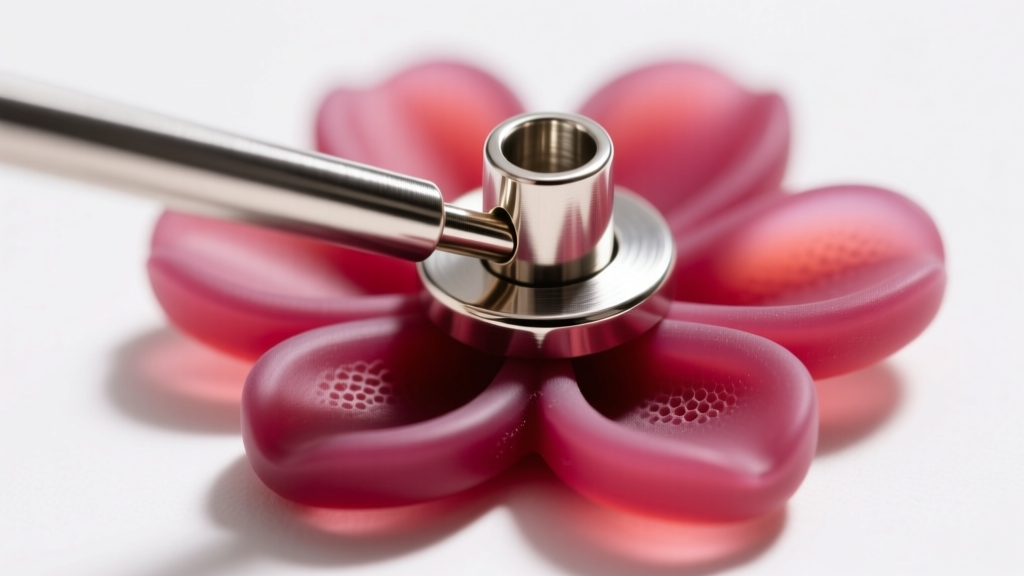
- Implement Silicone Support Discs: Products like Bling Guards or Julep earring backs feature a wide, flat silicone disc that sits behind the lobe. This distributes the 8-gram weight of the pansy across a 12mm surface area, completely eliminating forward tilt and lobe strain.
2. Converting Clip-Ons to Pierced Safely
Many mid-century pansy earrings were originally clip-ons. Forcing a standard soldered post onto a vintage clip-back often results in structural failure. According to restoration guidelines from the Jewelers Mutual Jewelry Box, the safest conversion method involves removing the clip mechanism entirely and laser-welding a custom flat-pad post directly to the reinforced center of the floral motif, ensuring the weight is balanced evenly behind the pansy's face.
Enamel and Gemstone Restoration
The vibrant appeal of pansy earrings relies heavily on their enamel work—typically deep purples, bright yellows, and crisp whites. However, vintage enamel is highly susceptible to chipping and crazing (fine cracking) over decades of wear.
Sourcing and Applying Cold Enamel
It is vital to understand that vintage costume jewelry rarely uses vitreous (kiln-fired glass) enamel. Instead, they utilize painted resins or early cold enamels. You cannot fire these pieces in a kiln to repair them, as the heat will melt the base metal and shatter any glued-in rhinestones.
For modern restoration, jewelers use a two-part epoxy resin (such as Epoxy 330) tinted with precise mica powders to match the original pansy hues. The process requires:
- Carefully masking the surrounding metal and gemstones with jeweler's tape.
- Mixing the resin and applying it in micro-layers using a single-hair sable brush.
- Allowing a 24-hour cure time in a dust-free environment before wet-sanding with 2000-grit paper and polishing to a glass-like finish.
Expert Insight: Never use standard nail polish to touch up chipped enamel on vintage pansies. Nail polish contains solvents that can dissolve the original vintage paint and degrade the adhesive securing the center rhinestones, leading to catastrophic stone loss.
Preventative Care for Intricate Floral Jewelry
Once your pansy earrings are structurally reinforced and aesthetically restored, proper storage is critical to prevent future damage. The wide, multi-dimensional petals of a pansy motif easily snag on other jewelry, which can bend the posts or scratch the enamel.
According to gemological care standards outlined by the GIA Gem Encyclopedia, intricate enameled jewelry should never be stored in communal drop boxes. Instead, store your pansy earrings flat in individual, acid-free tissue compartments. If the earrings feature a high-dome center stone (like a cabochon amethyst or faux pearl), ensure the compartment is deep enough that the lid does not press against the stone, which could compromise the adhesive bond over time.
By understanding the specific weight distribution and material vulnerabilities of floral jewelry, you can successfully rescue heavy pansy earrings, ensuring they sit perfectly on the lobe and retain their vibrant, botanical charm for decades to come.


