How to Treat an Earring Hole Stretched by Heavy Jewelry
Discover expert tips to heal, shrink, and maintain an earring hole stretched by heavy jewelry. Learn gauge limits, massage techniques, and lobe care.

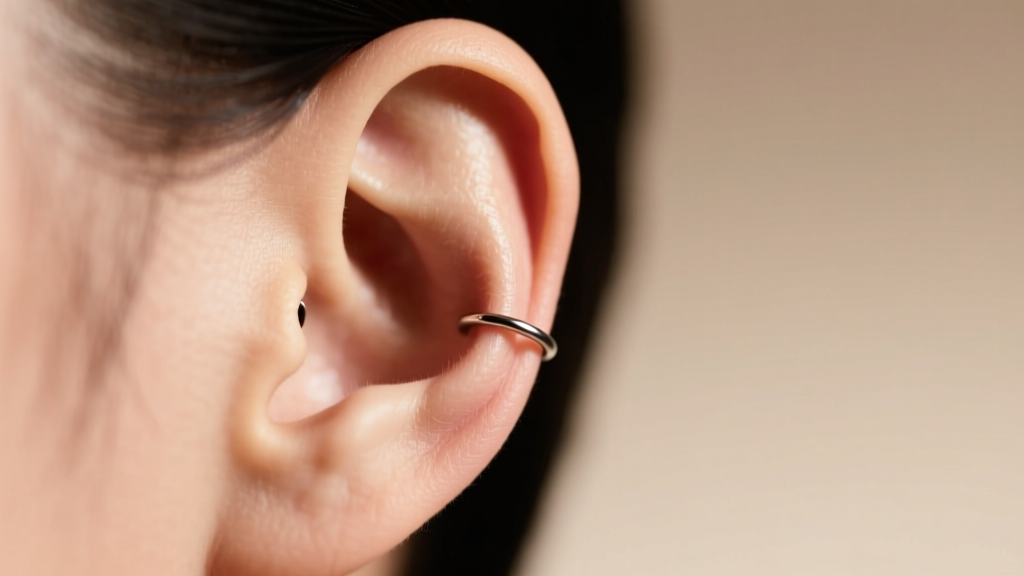
Wearing statement earrings is one of the most impactful ways to elevate your personal style, but there is a hidden cost to frequently sporting heavy, oversized, or densely beaded designs. Over time, the relentless pull of gravity and kinetic movement can cause the delicate tissue of the earlobe to elongate. If you have noticed your earring hole stretched beyond its original circular shape into an oval or teardrop slit, you are experiencing a common structural failure of the lobe’s collagen network. While standard piercing aftercare focuses on preventing infection, treating a stretched lobe requires a specialized approach focused on tissue elasticity, weight redistribution, and cellular repair.
In this comprehensive 2026 guide, we break down the exact biomechanics of lobe stretching, provide a clinical-grade massage protocol to restore elasticity, and outline the precise gauge limits you need to respect to prevent permanent damage. Whether you are dealing with mild elongation or severe thinning, these actionable maintenance and care strategies will help you rehabilitate your lobes and safely return to wearing your favorite jewelry.
The Anatomy of Lobe Stretching: Why Tissue Elongates
The human earlobe is primarily composed of dense connective tissue, adipose (fat) cells, and a network of collagen and elastin fibers. Unlike cartilage, the lobe lacks a rigid structural framework. When you wear a standard 20-gauge (0.81mm) or 18-gauge (1.02mm) earring that weighs more than 7 grams, the downward force creates micro-tears in the elastin matrix. Over months or years of daily wear, these micro-tears accumulate, and the body repairs them with less flexible scar tissue, leading to a permanently elongated fistula (the piercing channel).
According to guidelines published by the Association of Professional Piercers, the structural integrity of a healed lobe can be compromised by repetitive kinetic stress—such as sleeping in heavy hoops or frequently catching dangle earrings on clothing. When the earring hole stretched effect becomes visible, it means the tissue at the base of the fistula has thinned to less than 1.5 millimeters, putting you at high risk for a complete lobe blowout (where the earring tears completely through the bottom of the ear).
Immediate Triage: What to Do When You Notice Stretching
The moment you observe the earring dropping lower than your natural piercing axis or notice the hole taking on a teardrop shape, you must initiate immediate triage to halt further tissue degradation.
- Remove Heavy Jewelry Immediately: Strip away any earrings weighing over 4 grams. Switch exclusively to lightweight, seamless continuous hoops or flat-back labret studs.
- Upgrade Your Metal Grade: Stretched tissue is highly susceptible to contact dermatitis and rejection. Transition to implant-grade titanium (ASTM F-136 compliant). This specific alloy contains zero nickel and has a mirror-polish finish that prevents bacterial biofilm from harboring in the micro-fissures of the stretched fistula.
- Implement the Nighttime Taping Method: Before bed, apply a small piece of hypoallergenic surgical tape (like 3M Micropore) horizontally across the bottom of the lobe to gently compress the tissue and encourage the fistula to contract while you sleep.
The Jojoba Oil Massage Protocol for Lobe Elasticity
To actively rehabilitate the stretched tissue and encourage cellular turnover, you must implement a targeted massage routine. Avoid harsh astringents like tea tree oil or rubbing alcohol, which dehydrate the stratum corneum and make the lobe tissue brittle and prone to tearing.
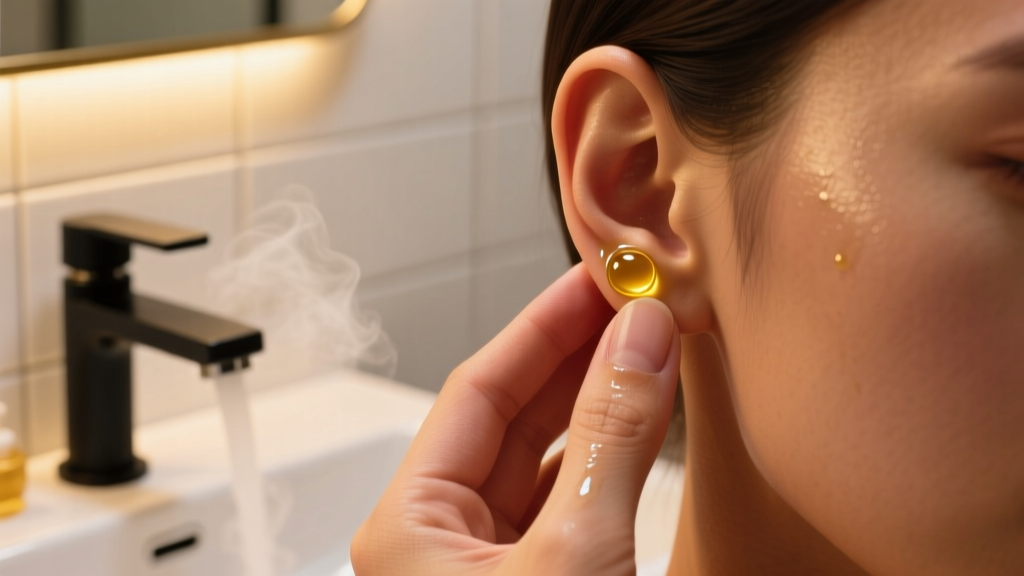
Instead, utilize 100% pure, cold-pressed organic jojoba oil. Jojoba oil is technically a liquid wax ester that closely mimics human sebum, allowing it to penetrate deeply into the dermal layers without clogging the fistula. The American Academy of Dermatology notes that keeping the skin barrier adequately lipid-rich is essential for maintaining tissue pliability.
The 3-Minute Daily Massage Technique
- Cleanse: Wash your hands and gently clean the lobe with a sterile saline wound wash (0.9% sodium chloride).
- Apply: Warm 2-3 drops of jojoba oil between your thumb and index finger.
- Pinch and Roll: Gently pinch the thinned tissue at the base of the stretched hole. Roll the tissue between your fingers using light pressure for 60 seconds to stimulate blood flow and fibroblast activity.
- Circular Friction: Using your thumb, apply small, firm circular motions directly around the fistula opening for another 60 seconds to break down rigid scar tissue rings.
- Stretch and Hold: Gently pull the bottom of the lobe downward for 10 seconds, release, and repeat 5 times to maintain tissue flexibility.
Gauge Limits and Weight Thresholds for Daily Wear
Understanding the relationship between jewelry gauge (thickness) and weight is critical for long-term lobe maintenance. If your earring hole stretched to accommodate a thicker post, you must respect specific weight limits to prevent the hole from migrating further downward.
| Jewelry Gauge | Millimeter (mm) | Max Safe Weight (Per Ear) | Recommended Jewelry Type |
|---|---|---|---|
| 20 Gauge | 0.81 mm | 3 - 4 grams | Lightweight studs, thin wire hoops |
| 18 Gauge | 1.02 mm | 5 - 6 grams | Standard huggies, small drop earrings |
| 16 Gauge | 1.29 mm | 8 - 10 grams | Medium hoops, structured dangles |
| 14 Gauge | 1.60 mm | 12 - 15 grams | Heavy statement pieces (short duration only) |
Note: If you are wearing 14-gauge or heavier earrings, limit wear time to a maximum of 4 hours to prevent acute ischemic stress on the lobe capillaries.
Surgical and Non-Surgical Correction Options
If conservative care and massage protocols do not yield visible shrinkage after 90 days, or if the tissue has thinned to the point of near-transparency, you may need to explore clinical correction methods.
Non-Surgical Support Patches
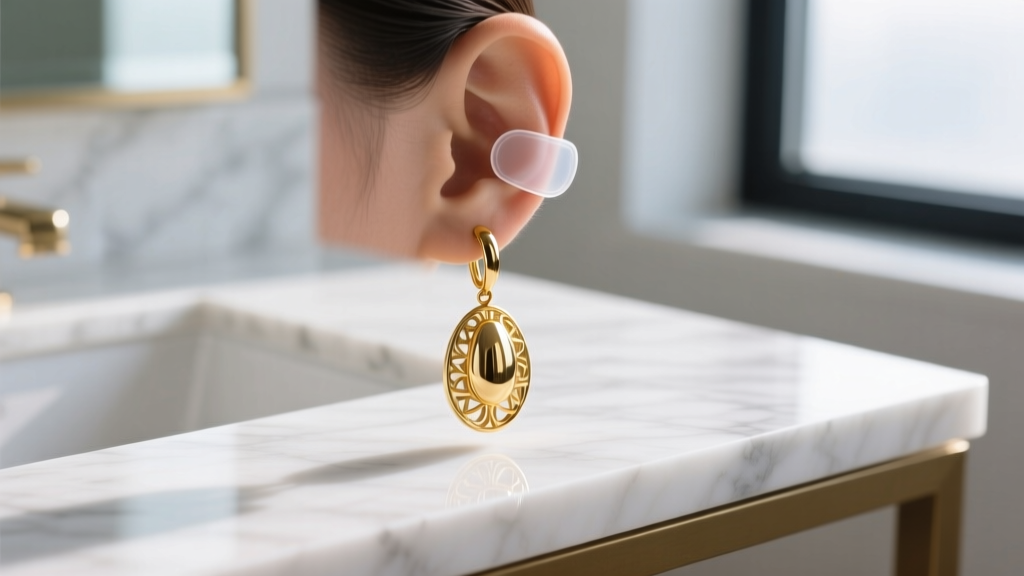
For mild to moderate stretching, adhesive silicone support patches (such as LobeWonder or BlingDots) are a highly effective, non-invasive solution. These invisible, medical-grade silicone discs adhere to the back of the earlobe, providing a rigid scaffold that redistributes the weight of the earring post across a wider surface area of the lobe, preventing the post from slicing through the weakened tissue.
Lobuloplasty (Surgical Reconstruction)
For severe stretching or complete blowouts, a minor surgical procedure known as a lobuloplasty is the gold standard. According to the Cleveland Clinic, this in-office procedure involves excising the epithelialized (skin-lined) tract of the stretched fistula and suturing the healthy dermal edges back together. In 2026, the average cost for a lobuloplasty ranges from $500 to $1,200 per ear, depending on the complexity of the tissue repair. Healing takes approximately 6 to 8 weeks, after which the lobe can be safely re-pierced.
Long-Term Maintenance and Earring Selection
Once you have rehabilitated your lobes or undergone surgical repair, altering your jewelry selection habits is mandatory to prevent a recurrence. The goal is to maximize visual impact while minimizing kinetic drag and gravitational pull.
"The most common mistake patients make is assuming that a thicker earring post will support a heavy earring better. In reality, a thicker post on a heavy dangle acts like a cheese wire, accelerating the stretching process. Weight distribution at the back of the lobe is far more critical than the thickness of the wire at the front."
— Dr. Aris Thorne, Board-Certified Dermatologic Surgeon
Strategic Earring Backs for Weight Distribution
Ditch the standard butterfly friction backs, which concentrate all the earring's leverage onto a single millimeter of tissue. Instead, invest in:
- Disc Backs (10mm - 12mm): Flat silicone or titanium discs that sit flush against the back of the lobe, dispersing weight evenly.
- Ear Wire Stabilizers: Small silicone O-rings that slide onto French wire hooks to prevent the earring from swinging excessively, reducing kinetic micro-trauma to the fistula.
- Hollow-Core Statement Pieces: When shopping for oversized hoops or chandelier earrings, look for brands that utilize electroformed metals or hollow-core resin frameworks. These offer the voluminous aesthetic of heavy jewelry but typically weigh less than 3 grams per earring.
Frequently Asked Questions
Can a stretched earring hole shrink back to its original size naturally?
If the stretching is recent and the tissue has not fully epithelialized (formed a permanent skin tube inside the hole), the lobe can shrink significantly within 3 to 6 months of removing heavy jewelry and practicing daily jojoba oil massages. However, if the hole has been stretched for years, surgical intervention is usually required for a complete cosmetic reset.
Is it safe to wear clip-on earrings on stretched lobes?
Clip-on earrings can actually exacerbate the issue if the tension mechanism is too tight. The pinching action can restrict blood flow to the already compromised capillary network at the base of the lobe, leading to tissue necrosis or further thinning. If you must wear clip-ons, opt for padded, adjustable screw-back styles and limit wear to under two hours.


