Troubleshooting Old Man Earrings: Sagging Lobes & Style Fixes
Discover how to fix sagging earlobes, metal allergies, and outdated styles. Expert troubleshooting guide for old man earrings and mature lobes.

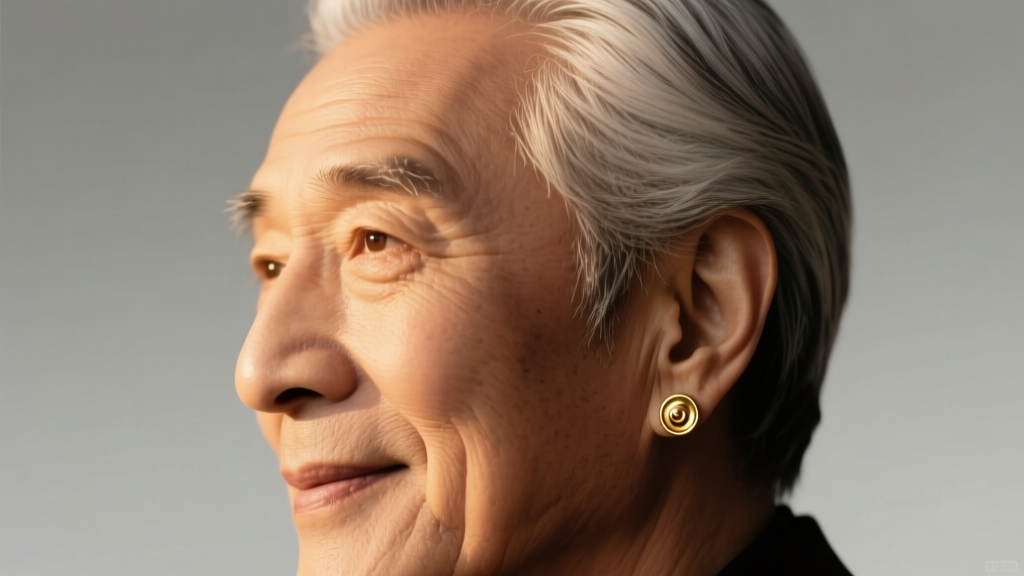
The 'Old Man Earrings' Dilemma: Beyond the Stereotype
When we discuss the phenomenon of 'old man earrings,' we are rarely talking about age itself. Instead, we are addressing a highly specific set of biomechanical, dermatological, and stylistic compounding issues that occur when a man has worn ear jewelry consistently for two or three decades. The term often conjures images of stretched, drooping lobes holding heavy, outdated diamond solitaires or tarnished novelty hoops. However, with the right troubleshooting framework, mature men can reclaim their earlobe real estate and transition into a refined, distinguished aesthetic. In 2026, men's grooming and jewelry maintenance have evolved, offering precise solutions for the physical toll of long-term earring wear.
The challenges of aging earlobes are rooted in basic anatomy. Unlike the upper ear, which is supported by rigid cartilage, the earlobe is composed entirely of fibrofatty tissue. Over decades, the constant downward pull of gravity—exacerbated by the weight of traditional earrings—causes the collagen and elastin networks within this tissue to degrade and stretch. What began as a standard 20-gauge (0.81mm) piercing in 1995 may have slowly elongated into a 14-gauge (1.63mm) slit. This physical transformation requires a complete overhaul in both jewelry selection and lobe care.
Physical Troubleshooting: Solving the Droop and the Itch
Before addressing the visual aesthetic, we must resolve the functional failures that plague mature earlobes. The two most common complaints are the 'droop' (where the earring faces forward or slips out entirely) and late-onset contact dermatitis (sudden allergic reactions to previously tolerated metals).
Fixing the Gravity Problem and Slipping Backs
Standard friction backs (butterfly clasps) are virtually useless on stretched, aging lobes. The tissue lacks the density to grip the thin post, causing the earring to droop forward at an unflattering angle. To troubleshoot this, you must change the mechanics of the backing system.
- La Pousette Locking Backs: Originally designed for high-value diamond studs, these feature a spring-loaded locking mechanism that clicks into a grooved post. They distribute pressure evenly across a wider area of the back of the lobe, preventing the 'cheese-cutter' effect that further stretches the hole.
- Silicone Earlifters (Support Discs):strong> These are medical-grade silicone patches that slide onto the post behind the earlobe. They act as a structural scaffold, lifting the drooping tissue and providing a flush, secure surface for the earring back to rest against. They are an immediate, non-invasive fix for severe sagging.
- Screw-Back Threaded Posts: For men who refuse to fuss with tiny clasps, internally threaded screw-backs offer a secure fit that cannot be pulled out by accidental snags on clothing or towels.
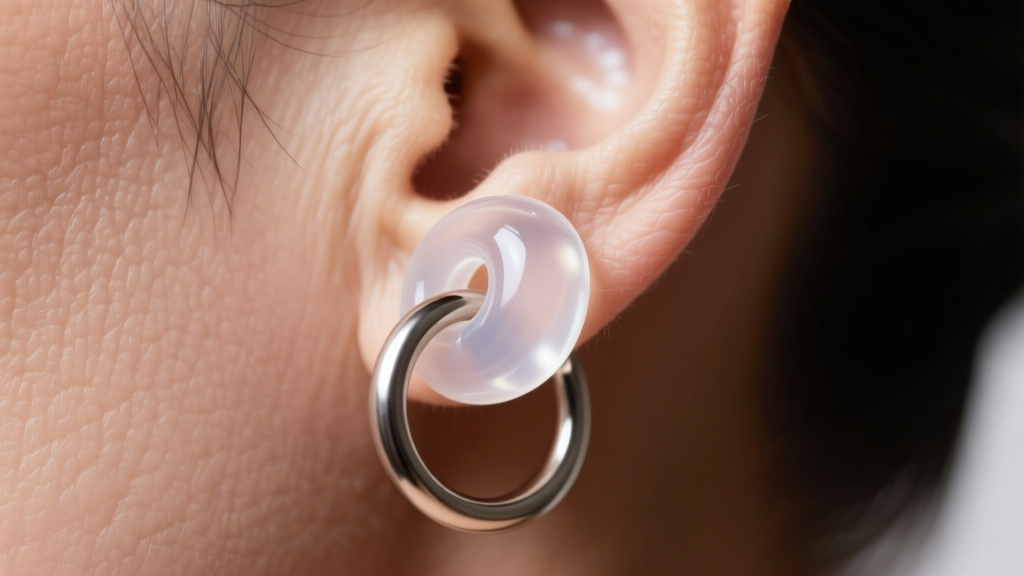
Combating Late-Onset Metal Allergies
It is a common misconception that if you have worn surgical steel or white gold for 30 years without issue, you are immune to allergies. According to the Mayo Clinic, nickel allergy can develop at any point in life due to cumulative exposure. As the skin on the earlobe thins with age, the barrier function weakens, allowing nickel ions to penetrate more easily and trigger localized contact dermatitis—characterized by redness, flaking, and weeping around the piercing site.
The Fix: Immediately retire all 'surgical steel' and lower-karat white gold (which is often alloyed with nickel). Transition exclusively to Implant-Grade Titanium (ASTM F136), Niobium, or solid 14k/18k yellow gold and platinum. These materials are biologically inert and will allow the micro-tears in the aging fistula (the piercing hole) to heal without chronic inflammation.
The Style Intervention: Upgrading the Legacy Aesthetic
The visual hallmark of poorly aged 'old man earrings' is usually a mismatch between the jewelry's ostentation and the wearer's current lifestyle or facial structure. Large, prong-set diamond solitaires or heavy gold hoops often clash with the refined, understated elegance that suits mature men best. The goal is to shift from 'attention-seeking' to 'intentional detailing'.
| Outdated Element (The Problem) | Why It Fails on Mature Lobes | The Distinguished Upgrade (The Fix) |
|---|---|---|
| Large Prong-Set Diamond Solitaires (4mm+) | Prongs snag on clothing; heavy stones pull stretched lobes downward, creating a severe droop. | Bezel-Set Black Onyx or Matte Gold Studs (2mm-3mm). Bezel settings are smooth, and dark stones offer subtle contrast without flashiness. |
| Thin Wire Hoops or 'Sleeper' Hoops | Thin wires act like a blade, slowly slicing through the bottom of the aging fistula over time. | Segment Rings or Huggies with a 16-gauge (1.29mm) thickness. The wider surface area distributes weight safely. |
| Novelty or Oversized Dangle Earrings | Exaggerates lobe sagging; creates a jarring visual imbalance with tailored menswear. | Minimalist Geometric Drops (under 15mm in length) crafted in brushed platinum or tungsten. |
| Tarnished Sterling Silver | Requires constant polishing; oxidation can stain thinning, porous aging skin around the piercing. | Solid 18k Yellow Gold or Platinum. These require zero maintenance and complement the warmer undertones of mature skin. |
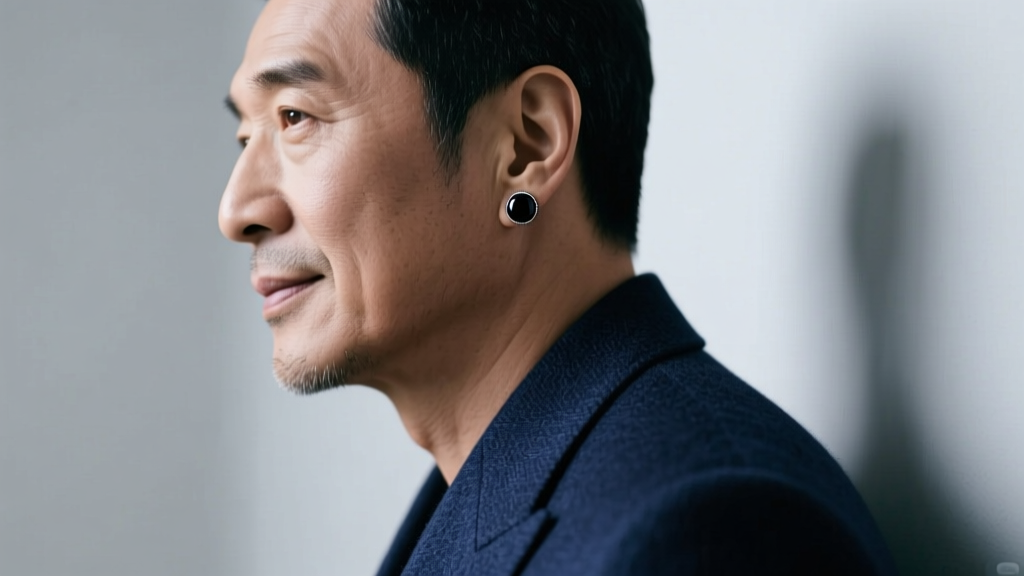
Canvas Repair: When Troubleshooting Requires Surgery
Sometimes, the physical stretching of the earlobe is too severe for silicone lifts or thicker posts to correct. If the piercing hole has elongated into a deep slit, or if the lobe has completely torn through from a past snagging accident, non-surgical troubleshooting is no longer viable.
According to the American Society of Plastic Surgeons, earlobe repair (lobuloplasty) is a highly effective, in-office procedure. A surgeon excises the stretched epithelial tract (the skin lining the hole) and sutures the fresh edges of the fibrofatty tissue back together.
- Cost Range: Typically $500 to $1,500 per lobe, depending on the complexity of the tear and geographic location.
- Healing Timeline: 6 to 8 weeks for initial tissue fusion, but a full 3 to 6 months is required before re-piercing to ensure the scar tissue is robust enough to hold new jewelry.
- Re-Piercing Strategy: When re-piercing a repaired lobe, the specialist must place the new hole slightly anterior or posterior to the original scar line to prevent re-tearing along the weak point.
The 2026 Specification Guide for Mature Lobes
For men managing aging earlobes without surgery, strict adherence to weight and gauge specifications is mandatory to prevent further degradation. Treat your earlobe care with the same precision as maintaining a luxury timepiece.
Weight Limits
The golden rule for stretched, mature lobes is to keep the total weight of the earring under 2.5 grams per ear. Anything heavier will accelerate collagen breakdown and cause the hole to migrate downward. If you prefer the look of a larger stud, opt for hollowed-back designs or lightweight materials like titanium and carbon fiber rather than dense solid gold or platinum.
Gauge Sizing for Elongated Holes
Standard earrings are 20-gauge (0.81mm) or 18-gauge (1.02mm). If your earrings constantly tilt or feel loose, your lobe has likely stretched. Do not continue wearing thin posts, as they will move around and irritate the fistula. Instead, size up your jewelry posts to match the current state of your lobe:
- 16-Gauge (1.29mm): Ideal for mildly stretched lobes that feel 'loose' with standard mall-kiosk earrings.
- 14-Gauge (1.63mm): Necessary for lobes that have visibly elongated but have not yet torn through the bottom edge.
- Custom Tapered Plugs: For severe stretching, transitioning to a 10-gauge (2.38mm) or 8-gauge (3.26mm) tapered plug made of polished obsidian or surgical steel can actually stabilize the hole, providing a clean, intentional look that stops the slit from tearing further.
Final Thoughts on Longevity and Care
Wearing earrings as an older man should be an expression of enduring personal style, not a burden of physical discomfort or outdated trends. By addressing the biomechanical realities of aging skin, upgrading to biocompatible materials like ASTM F136 titanium, and embracing a minimalist, heavyweight-visual aesthetic, you can entirely eliminate the negative connotations of 'old man earrings.' Regular maintenance—cleaning the fistula with sterile saline and giving the lobes 'rest days' without jewelry—will ensure your piercings remain healthy, comfortable, and distinctly distinguished for decades to come.


