Stop Pin Earrings From Slipping: Expert Troubleshooting Guide
Frustrated by loose jewelry? Learn expert troubleshooting to stop pin earrings from slipping, falling out, or irritating your piercings.

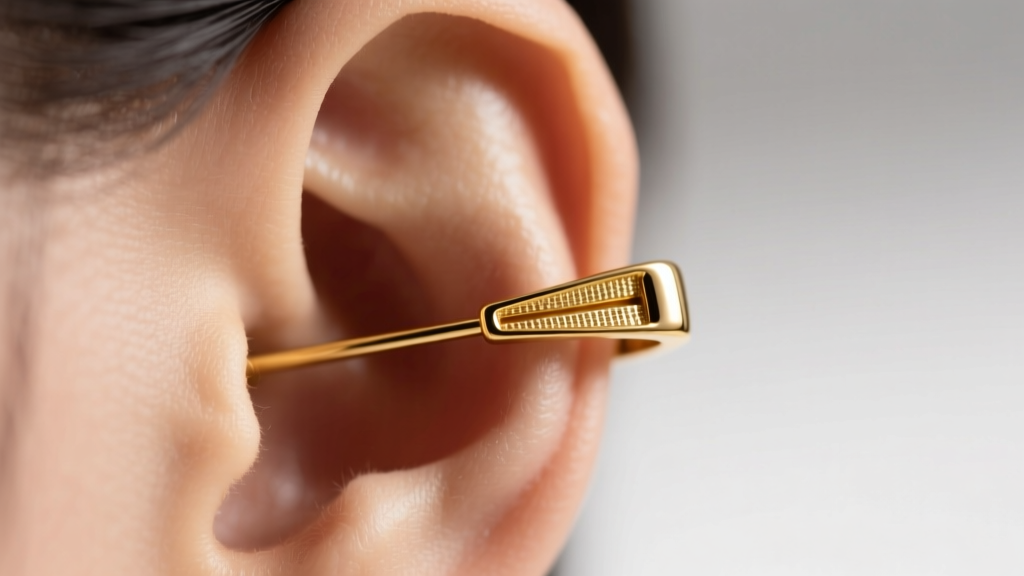
As we navigate the minimalist and architectural jewelry trends of 2026, the sleek, uninterrupted silhouette of pin earrings remains a massive staple in both high fashion and everyday wear. However, their streamlined design comes with a notorious functional flaw: they rarely stay where you put them. Whether you are wearing a cartilage ear pin (often called a slider or crawler) or a vintage-style stick pin through a lobe piercing, gravity, friction, and piercing geometry are constantly working against you.
In this comprehensive troubleshooting guide, we will break down the exact physics of why pin earrings fail, explore the specific gauge requirements for stability, and provide actionable, professional-grade solutions to keep your jewelry secure and comfortable.
The Anatomy of the Problem: Why Pin Earrings Fail
To fix a slipping earring, you must first understand why it lacks stability. Standard stud earrings rely on a butterfly back or a threaded bezel that creates a physical barrier against the back of the ear. Pin earrings, by definition, lack this traditional backing mechanism. They rely entirely on one of three flawed retention methods:
- Gravity and Friction: The weight of the decorative head keeps the pin resting against the ear, while the smooth metal relies on skin friction to stay in place.
- Tension Notches: Tiny, laser-cut grooves near the tip of the pin that catch slightly on the fistula (the piercing tunnel).
- Shepherd’s Hook Bends: A slight curve at the end of the wire meant to hook behind the earlobe.
When these methods fail, the result is a drooping cartilage pin or a lost stick pin. Let us troubleshoot the two main categories of pin earrings.
Troubleshooting Cartilage Ear Pins (Sliders & Crawlers)
Cartilage ear pins are designed to thread through a single helix or flat piercing and run upward along the ear's contour. When they slip down, it is usually due to a mismatch between the jewelry's rigidity and your unique anatomy.
Issue 1: The "Slip-Down" Effect and Gauge Thickness
The most common complaint with ear pins is that they slowly slide down the cartilage throughout the day. This is often a gauge issue. Many mass-market fashion brands manufacture ear pins at 20-gauge (0.81mm) or even 22-gauge (0.64mm) to save on precious metal costs. At this thickness, the wire lacks the structural rigidity to support the weight of the decorative head, causing it to droop and slide out of the fistula.
The Fix: Upgrade to an 18-gauge (1.02mm) or 16-gauge (1.29mm) ear pin. The thicker wire provides a tighter fit within the piercing channel, drastically reducing the micro-movements that lead to slipping. If your piercing was done at 16G, wearing a 20G pin guarantees slippage. Always match your jewelry gauge to your exact piercing needle size.
Issue 2: Piercing Angle Mismatch
"A perfectly straight ear pin will never sit flush in a curved fistula. Piercing angles are rarely a perfect 90 degrees to the ear's surface."
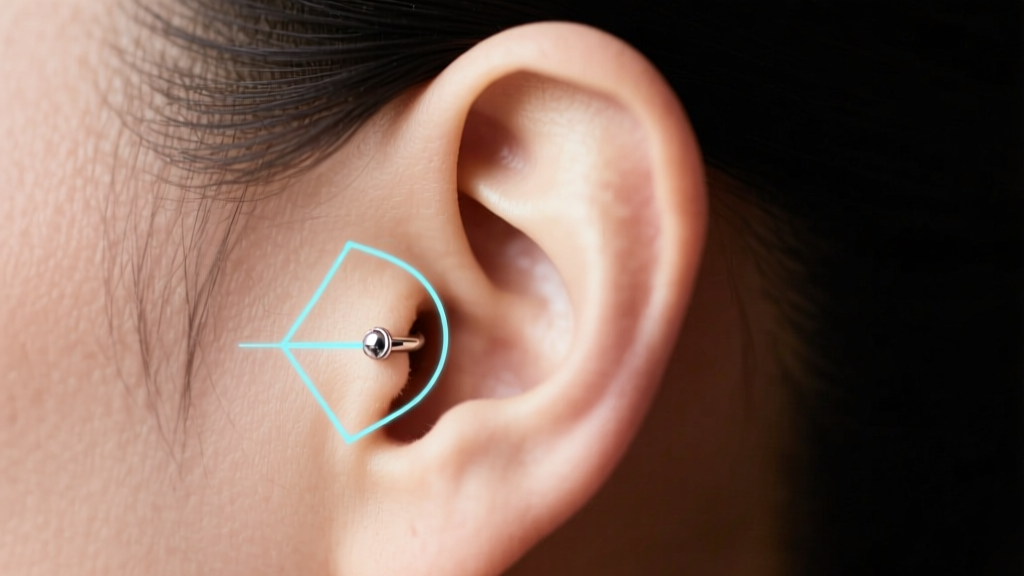
Cartilage piercings are subject to needle deflection and natural healing curves. If your helix piercing has a slight downward angle, a rigid, 30mm straight ear pin will gape away from the top of the ear and slide downward.
The Fix: You need a custom bend or a segmented pin. Visit a professional piercer or jeweler who can use nylon-jaw pliers to introduce a microscopic 3-to-5-degree bend to the post, matching your specific fistula angle. Alternatively, look for brands that offer "hinged" or "segmented" ear pins, which feature a micro-joint allowing the pin to contour to the ear's natural curve.
Troubleshooting Vintage & Stick Pin Lobe Earrings
Stick pin earrings—featuring a decorative head and a long, sharp, un-backed needle—are experiencing a massive revival in 2026 gender-neutral and avant-garde fashion. However, wearing a literal stick through an earlobe is a recipe for losing the jewelry.
The Missing Backing Dilemma
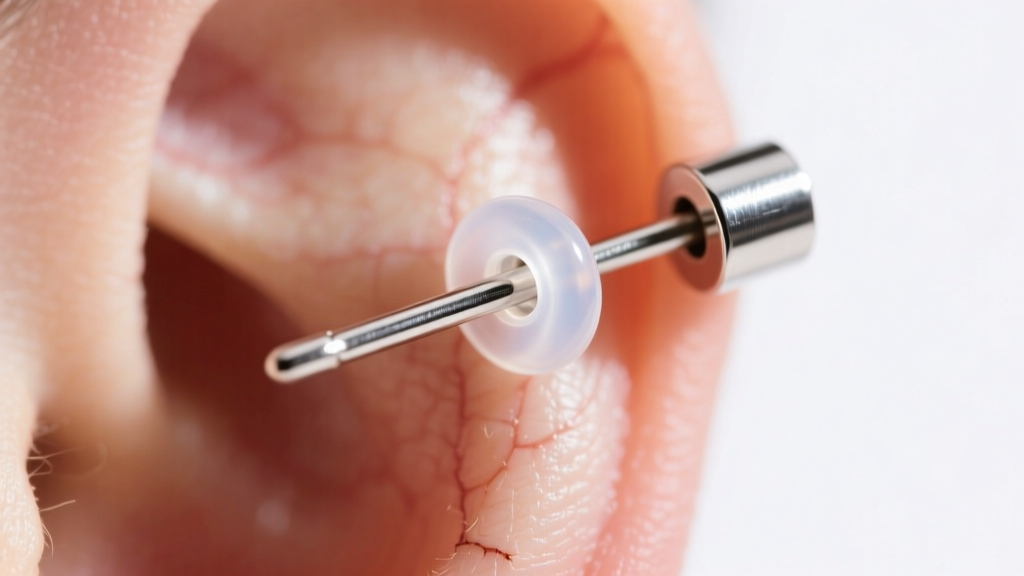
Because stick pins lack a manufactured clutch or screw-back, they will easily slide out when caught on hair, clothing, or headphones. Furthermore, the sharp point poses a severe laceration risk to the side of your neck or jawline.
The Fix: The professional body jewelry industry's best-kept secret is the silicone O-ring. Purchase 1mm inner-diameter (ID), 0.5mm thickness implant-grade silicone O-rings (brands like NeoMetal or Industrial Strength sell these in bulk). Slide the O-ring onto the pin after it passes through the lobe. The silicone grips the metal via high-friction tension and provides a soft, safe barrier against your skin. Replace the O-rings every 3 to 4 months as the silicone degrades from skin oils and UV exposure.
The "Cheese Wire" Effect and Lobe Tearing
Many vintage stick pins from the mid-20th century were manufactured at incredibly thin gauges (often 24G or thinner). Wearing a heavy decorative head on a micro-thin wire creates a "cheese wire" effect, where the downward force slowly slices through the bottom of your earlobe piercing.
The Fix: Never wear a heavy-headed stick pin if the wire is thinner than 20-gauge. If you have inherited a vintage piece with a micro-thin pin, take it to a bench jeweler to have the post replaced with an 18-gauge titanium or 14k gold wire. The cost of a post replacement (typically $30–$60) is far less than the cost of surgical lobe reconstruction.
The Metal Factor: Solving Friction and Allergic Reactions
Because pin earrings lack secure backs, they move in and out of the piercing channel more frequently than standard studs. This constant micro-friction can cause severe irritation bumps, especially if the metal contains nickel.
According to the Mayo Clinic's guide on nickel contact dermatitis, repeated friction with nickel-containing alloys is a primary trigger for localized contact dermatitis, which causes the fistula to swell. A swollen fistula grips the jewelry tightly, making the pin painful to remove or adjust.
To prevent this, the Association of Professional Piercers (APP) strongly recommends avoiding 316L surgical steel for jewelry that experiences high friction. Instead, opt for ASTM F136 implant-grade titanium or niobium. These metals are entirely nickel-free and possess a mirror-polish finish that reduces the drag coefficient against the healing or sensitive tissue of the piercing channel. For gold, ensure it is 14k or 18k alloyed specifically for body jewelry, as standard 22k or 24k gold is too soft and will scratch, creating microscopic grooves that harbor bacteria.
Quick-Fix Matrix: Pin Earring Problems & Solutions
Use this troubleshooting table to quickly diagnose and resolve your specific pin earring issue.
| Symptom | Root Cause | Hardware Fix |
|---|---|---|
| Cartilage pin slides down | Wire gauge is too thin (20G+) to support the decorative head. | Upgrade to an 18G or 16G solid wire pin. |
| Pin sticks out at the top | Fistula angle is curved; straight pin cannot sit flush. | Have a jeweler introduce a custom 3-degree bend to the post. |
| Stick pin falls out of lobe | Lack of physical backing or friction clutch. | Secure with a 1mm ID silicone O-ring backing. |
| Piercing feels itchy/swollen | Friction-induced nickel allergy or micro-scratches on soft gold. | Switch to mirror-polished ASTM F136 Titanium. |
| Lobe feels sore/stretched | "Cheese wire" effect from a heavy head on a thin vintage post. | Replace the post with a thicker 18G wire; use silicone O-rings for weight distribution. |
Final Thoughts on Piercing Geometry
The elegance of pin earrings lies in their simplicity, but that simplicity demands a higher level of anatomical awareness from the wearer. As highlighted by the Gemological Institute of America (GIA), the intersection of metallurgy and wearable art requires that we respect the physical limitations of the materials and the human body.
Stop treating pin earrings as one-size-fits-all accessories. By matching your gauge thickness to your piercing, utilizing silicone O-rings for stick pins, and upgrading to implant-grade titanium to eliminate friction allergies, you can transform your pin earrings from a frustrating slipping hazard into a secure, permanent fixture of your personal style. If a pin continues to slip despite these adjustments, consult a professional piercer to evaluate your fistula angle—sometimes, the jewelry isn't the problem; the canvas is.


