Puka Shell Earrings Troubleshooting: Fakes, Fixes & Care
Learn how to authenticate, clean, and repair puka shell earrings. Expert troubleshooting for cracked shells, tarnished wire, and skin irritation.

The Puka Shell Problem: Why Your Earrings Are Failing
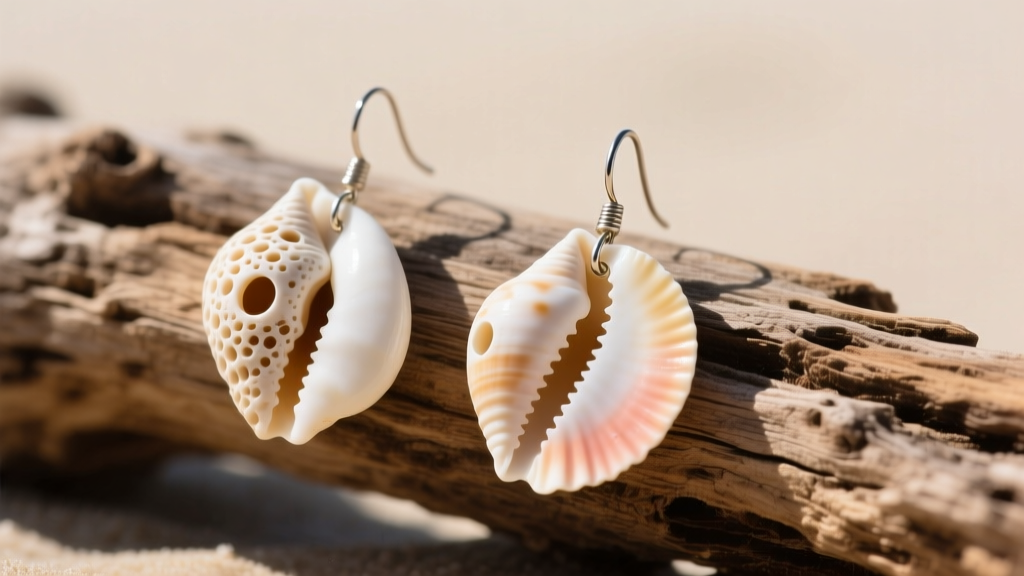
Puka shell earrings have experienced a massive resurgence in contemporary jewelry trends, transitioning from 1970s surf culture staples to high-end bohemian essentials. However, this spike in demand has introduced a wave of structural and material problems for consumers. The market is currently saturated with mass-produced imitations, poorly executed wire wraps, and incompatible hardware that causes skin irritation. Furthermore, genuine organic shells require specific environmental conditions to maintain their structural integrity. When your puka shell earrings begin to crack, tarnish, or irritate your earlobes, it is rarely a random occurrence; it is usually a predictable failure of material science or craftsmanship. In this comprehensive troubleshooting guide, we will dissect the most common failure modes of puka shell earrings and provide actionable, expert-level solutions to restore and authenticate your pieces.
Authentication: Spotting Fake Puka vs. Genuine Cone Shells
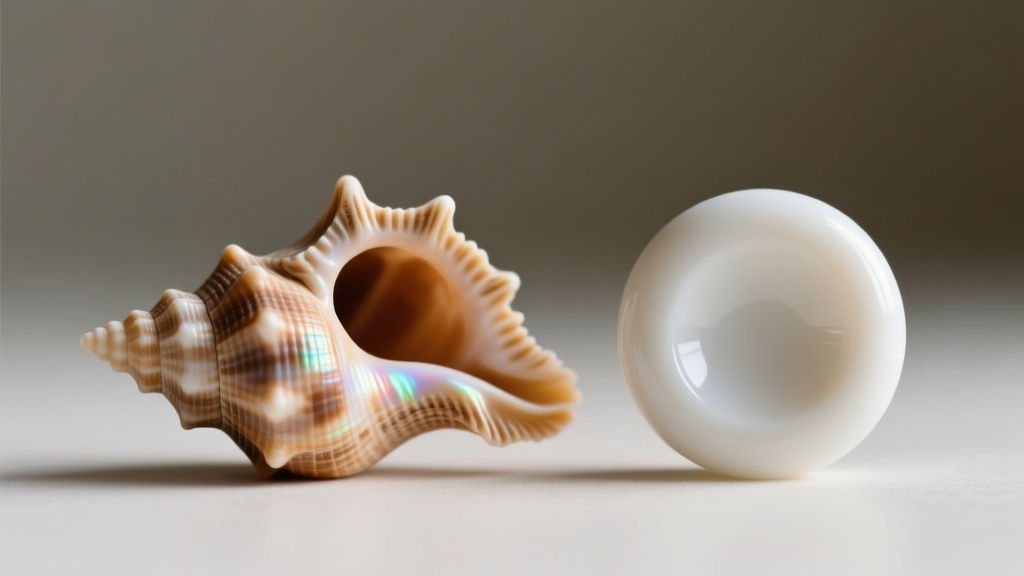
The most prevalent issue in the puka market is misrepresentation. The word "puka" translates to "hole" in Hawaiian, referring specifically to the naturally occurring, ocean-tumbled remnants of the Conus miliaris (cone snail) shell. Because genuine puka shells are formed by years of ocean tumbling, they possess distinct morphological traits that machines struggle to replicate perfectly. If your earrings are perfectly symmetrical, uniformly thick, or feature a laser-drilled, perfectly centered hole, you are likely dealing with howlite, dyed clam shell, or molded resin.
Identifying a fake is the first step in troubleshooting, as imitation materials react differently to cleaning solutions and environmental stress. According to the Gemological Institute of America (GIA), organic gemstones and shells require specialized identification protocols because their chemical makeup differs vastly from synthetic substitutes.
Material Comparison Matrix
| Feature | Genuine Puka (Conus Miliaris) | Howlite Imitation | Plastic / Resin Fake |
|---|---|---|---|
| Shape & Profile | Asymmetrical; one side convex, one concave | Uniformly flat or artificially domed | Perfectly symmetrical, mold lines visible |
| The "Hole" | Naturally conical, slightly off-center | Cylindrical, perfectly centered | Uniform cylinder, often with burrs |
| Weight | Lightweight but dense | Heavier, stone-like density | Exceptionally light, hollow feel |
| Acetone Test | No reaction | No reaction (unless dyed) | May soften or become tacky |
| Price Range | $45 - $150+ per pair | $12 - $30 per pair | $3 - $10 per pair |
Troubleshooting Structural Failures: Wire Wrapping & Snapping
Because genuine puka shells have a naturally conical and uneven hole, standard headpins often slip through or fail to sit flush. To compensate, jewelers use wire wrapping techniques. The most common structural failure is the snapping of the wire at the base of the shell or the unspooling of the wrap itself.
Why Wire Wraps Fail
- Incorrect Wire Temper: Using "dead-soft" wire for the main structural loop causes the wire to bend and eventually snap under the weight of the shell. You must use "half-hard" wire for the load-bearing ear wire or headpin.
- Galvanic Corrosion: If a base metal wire (like brass or copper) is wrapped tightly against a silver finding, moisture trapped between the metals causes rapid galvanic corrosion, weakening the wire until it snaps.
- Work Hardening: Over-manipulating 24-gauge or 26-gauge wire during the wrapping process causes it to become brittle and break.
The Expert Fix: Re-Wrapping Your Puka Shells
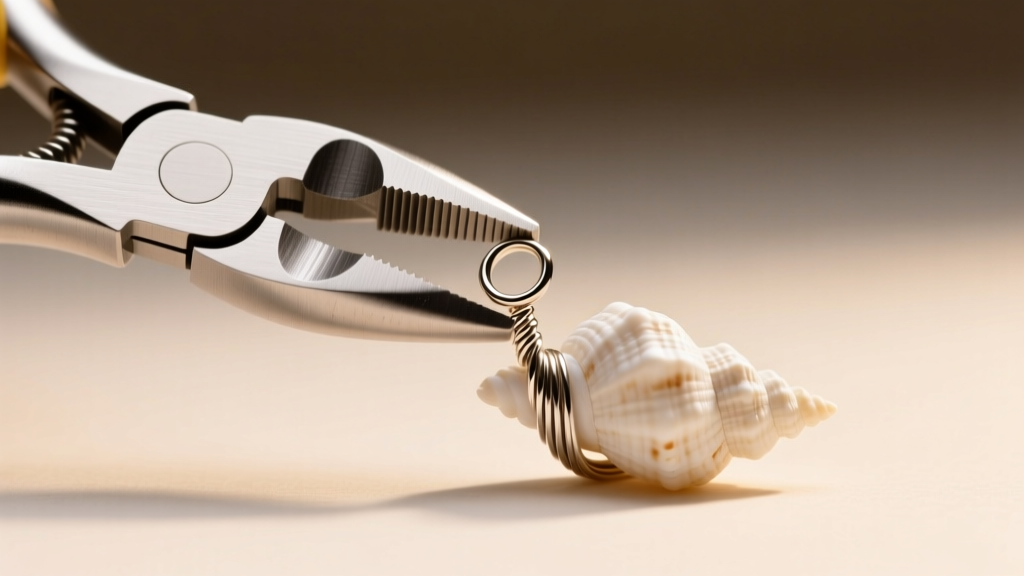
If your shell has detached from its wire, do not attempt to use superglue. Cyanoacrylate adhesives will permanently cloud the calcium carbonate surface of the shell. Instead, re-wrap the shell using 24-gauge half-hard 14/20 gold-filled wire or .925 sterling silver. According to the jewelry manufacturing experts at Rio Grande, 24-gauge wire provides the optimal balance of malleability for tight wraps and tensile strength to support lightweight organic materials. Create a wrapped loop at the top of the shell, ensuring you leave a 2mm gap between the bottom of the wrap and the top of the shell to allow for natural movement and prevent stress fractures on the shell's rim.
Solving Shell Cracking and Brittleness
Shells are primarily composed of calcium carbonate in the form of aragonite. When exposed to excessively dry environments, direct UV radiation, or sudden temperature changes, the moisture within the organic matrix evaporates, leading to micro-fissures and eventual splitting.
"Never place organic shell jewelry in an ultrasonic cleaner. The high-frequency cavitation bubbles will aggressively exploit microscopic fissures in the calcium carbonate structure, shattering the puka shell instantly."
Hydration and Stabilization Protocol
If your puka shells appear chalky, dull, or are developing hairline cracks, they require immediate rehydration. Do not use olive oil or vegetable-based oils, as they will eventually go rancid and emit a foul odor. Instead, apply a microscopic amount of pure jojoba oil or food-grade mineral oil using a microfiber cloth. Rub the oil gently into the shell, let it sit for 15 minutes, and buff off the excess. This restores the shell's natural luster and creates a hydrophobic barrier that prevents moisture loss and protects against acidic skin oils.
Skin Irritation and Hardware Upgrades
A frequent complaint regarding puka shell earrings is contact dermatitis or earlobe soreness. This is almost never caused by the shell itself, but rather by the cheap, nickel-plated base metal hooks used in mass-market bohemian jewelry. Furthermore, the jagged interior of a naturally tumbled puka hole can sometimes abrade softer wires, exposing base metal cores.
Upgrading to Biocompatible Hardware
To permanently solve skin irritation, you must upgrade the ear wire. Discard any hooks labeled simply as "surgical steel," as this is an unregulated term that often contains nickel. Instead, purchase ASTM F136 implant-grade titanium or niobium ear wires. These materials are entirely biocompatible and will not react with the acidic pH of your skin or the salt from sweat. If you prefer the look of gold, ensure the wire is solid 14k or 18k gold, as gold-filled or gold-plated wires can wear down over time where they pass through the ear piercing, exposing the reactive brass core beneath.
Routine Maintenance and Cleaning Guidelines
Proper maintenance extends the lifespan of your puka shell earrings from a single season to a lifetime. Follow this strict cleaning protocol to remove sebum, dead skin cells, and environmental pollutants without damaging the organic gemstone.
- Dry Brushing: Use a clean, extra-soft baby toothbrush to gently sweep out the interior of the conical hole where debris accumulates.
- Mild Wash: Mix a single drop of pH-neutral dish soap (like Dawn) into a bowl of lukewarm distilled water. Dip a cotton swab into the solution and carefully clean the surface of the shell.
- Rinse & Dry: Wipe the shell with a damp cloth containing only distilled water. Tap water contains chlorine and heavy minerals that can leave permanent white spotting on aragonite surfaces.
- Storage: Store your puka earrings in a lined jewelry box away from direct sunlight. Keep them separate from harder gemstones like diamonds or sapphires, which will easily scratch the shell's relatively low Mohs hardness rating of 3 to 4.
By understanding the unique material properties of Conus miliaris and employing correct jewelry-making techniques, you can rescue damaged pieces, confidently authenticate new purchases, and ensure your puka shell earrings remain a durable, irritation-free staple in your collection.


