Flail Earrings: The 2026 Budget & Value Buying Guide
Discover how to evaluate flail earrings in 2026. We break down material grades, kinetic joint durability, lobe-safe weights, and pricing tiers.

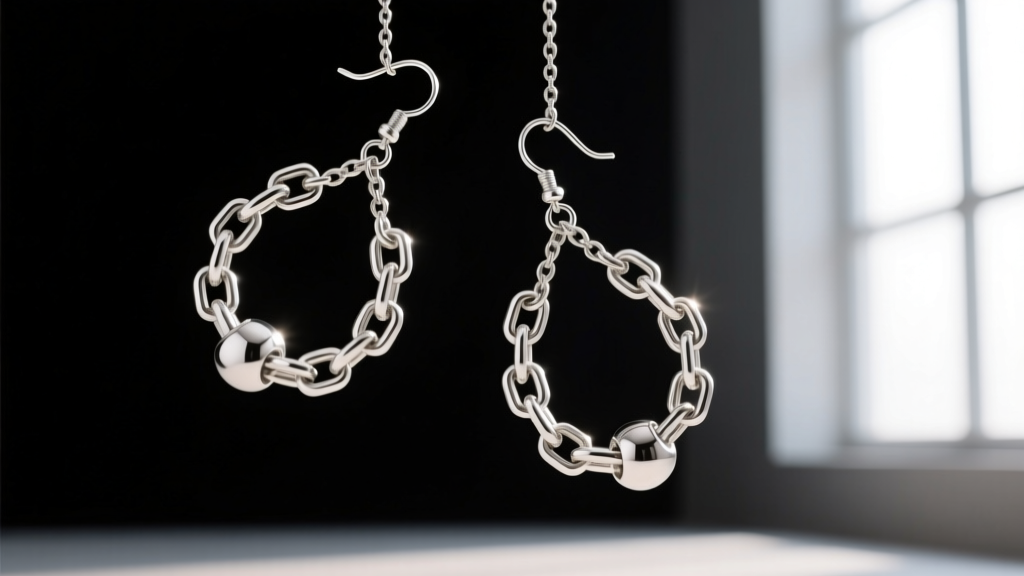
Flail earrings—characterized by their multi-segmented, articulated designs and weighted, swinging kinetic elements—have moved from avant-garde runways and historical reenactment circles into mainstream alternative fashion. Mimicking the pendulum-like motion of the medieval weapon or agricultural tool they are named after, these earrings offer unparalleled movement and visual drama. However, their complex mechanics introduce unique structural vulnerabilities. When assessing the budget and true value of flail earrings in 2026, consumers must look far beyond the initial price tag. The swinging physics of a flail earring place immense lateral torque on the earlobe and the jewelry's articulation points. A cheap pair will literally tear itself (and your piercing) apart, while a well-engineered piece becomes a lifelong kinetic sculpture.
The Physics of Flail Earrings: What Are You Paying For?
Unlike static studs or rigid hoops, flail earrings are dynamic systems. Every time you turn your head, the weighted lower segments generate kinetic energy, creating a pendulum effect. This motion exerts a multiplied force on the primary post and the connecting joints. When evaluating value, you are primarily paying for structural engineering and weight distribution.
The 'cheese-cutter effect' is the most common failure mode in heavy, dangling jewelry. If the post is too thin or the metal too soft, the lateral swinging force will slowly slice through the earlobe tissue. Therefore, the true cost of a flail earring includes the necessary aftercare, supportive backings, and potential piercing upgrades required to wear them safely. Budgeting for a pair of flail earrings must inherently include budgeting for lobe health.
Kinetic Joints and Articulation Points
The hallmark of a high-value flail earring is its articulation hardware. The segments must swing freely without grinding against each other, which leads to metal fatigue. In budget-tier earrings, manufacturers use standard, unsoldered open jump rings to connect the segments. The lateral torque generated by the swinging 'flail' head will inevitably pry these open rings apart, resulting in lost segments. High-value artisan pieces utilize laser-welded jump rings or solid rivet hinges, ensuring the kinetic chain remains intact despite years of continuous motion.
Material Density and Lobe Fatigue
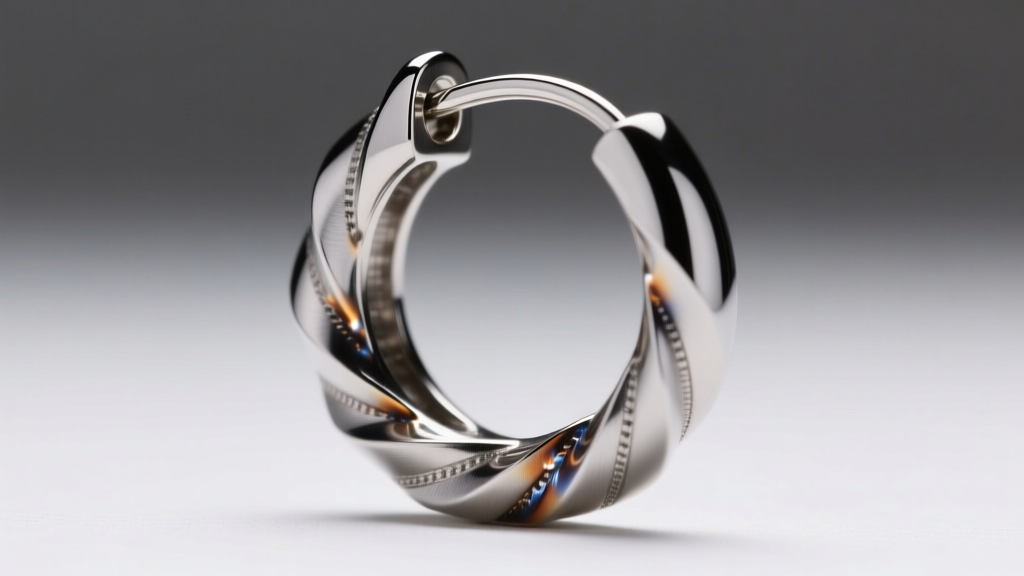
The specific gravity (density) of the metal used dictates how heavy the earring will be relative to its visual size. Because flail earrings require extended chains and weighted terminations to achieve their signature swing, material choice is a critical value driver. According to metallurgical standards referenced by the Gemological Institute of America (GIA), understanding metal density is crucial for wearable art.
- Sterling Silver (10.4 g/cm³): Beautiful but exceptionally heavy. Large silver flail earrings can easily exceed the safe weight limit for standard lobe piercings, requiring constant use of ear support patches.
- Brass & Bronze (8.4 - 8.8 g/cm³): Common in budget and historical reproduction pieces. They offer a great antique aesthetic but carry significant weight and can cause contact dermatitis due to copper and zinc content.
- Surgical Steel (7.8 g/cm³): A mid-tier standard. Durable and relatively affordable, though still heavy for multi-segment kinetic designs.
- Grade 23 Titanium / Niobium (4.5 - 8.5 g/cm³): The gold standard for high-value, heavy kinetic earrings. Titanium offers immense tensile strength at roughly half the weight of silver, drastically reducing lobe fatigue while maintaining structural integrity at the joints.
While titanium flail earrings command a 30% to 50% premium upfront, their longevity and biocompatibility make them the superior long-term investment.
2026 Market Pricing & Value Matrix
The market for kinetic and articulated earrings has stratified into distinct tiers. Below is a breakdown of what you should expect regarding materials, hardware, and pricing in the current market.
| Tier | Price Range (Per Pair) | Materials & Hardware | Value Assessment & Failure Risks |
|---|---|---|---|
| Fast Fashion | $15 - $40 | Zinc alloy, brass plating, open jump rings, 22G or 20G thin posts. | Poor. High risk of joint separation, metal fatigue, and lobe tearing. Plating will wear off at friction points within weeks. |
| Mid-Tier Artisan | $60 - $150 | Sterling silver, solid brass, soldered jump rings, 18G posts. | Moderate. Better joint security, but heavy metals still pose a risk to the earlobe without supportive backings. |
| High-End Bespoke | $180 - $400+ | Grade 23 Titanium, Niobium, laser-welded hinges, 16G or 14G posts. | Excellent. Engineered for kinetic stress. Lightweight, hypoallergenic, and designed for long-term lobe health. |
Lobe Health: Gauge Sizes and Backing Failures

The Association of Professional Piercers (APP) consistently warns against wearing excessively heavy jewelry in standard-gauge piercings. Standard earlobe piercings are typically done at 20-gauge (0.81mm) or 18-gauge (1.02mm). However, the pendulum force of a flail earring concentrated on a 20G post is a recipe for migration and tissue damage.
Preventing the 'Cheese-Cutter' Effect
If you are investing in high-value flail earrings, you must ensure the primary post is at least 16-gauge (1.29mm), and ideally 14-gauge (1.63mm). The thicker the post, the wider the surface area distributing the kinetic weight across the bottom of the piercing fistula. If your piercings are currently 20G or 18G, you may need to consult a professional piercer about safely stretching your lobes to 16G to accommodate the dynamic weight of kinetic jewelry.
Furthermore, standard butterfly friction backs are entirely useless for flail earrings; the swinging motion will shake them loose. High-value sets should include heavy-duty silicone O-rings or locking lapel backs that grip the post securely. For pieces that exceed 15 grams per earring, investing in invisible silicone ear support patches (which adhere to the back of the lobe to distribute weight) is a mandatory hidden cost of ownership.
Maintenance of Kinetic Jewelry
Flail earrings require specific maintenance routines to preserve their value. Because they feature multiple moving parts, they are prone to trapping sebum, dead skin cells, and environmental debris at the articulation joints. This buildup increases friction, leading to accelerated wear.
Do not use harsh chemical dips or ultrasonic cleaners on oxidized or patinated brass flail earrings, as the vibrations and chemicals can strip the intentional antiquing. Instead, use a soft-bristled brush with mild, fragrance-free liquid soap and warm water, carefully working the bristles into the jump rings. Regularly inspect the articulation points under a magnifying glass; if you notice any thinning of the metal at the friction points, retire the piece or have a jeweler reinforce the joints before a segment snaps off and is lost forever.
Final Verdict: Where to Invest Your Budget
When shopping for flail earrings, redirect your budget away from superficial embellishments like glued-in rhinestones or excessive gold plating, and funnel it into structural hardware and material density. A minimalist, unadorned titanium flail earring with laser-welded hinges and a 14-gauge post will outlast, outperform, and ultimately provide better value than a heavily ornate, silver-plated brass piece held together by open jump rings. In the realm of kinetic jewelry, engineering is the ultimate luxury.


