Flat Back Posts Earrings: 2026 Cartilage Piercing Trends
Discover why flat back posts earrings dominate 2026 curated ear trends. Explore ASTM F-136 titanium, gauge matrices, and threadless mechanisms.

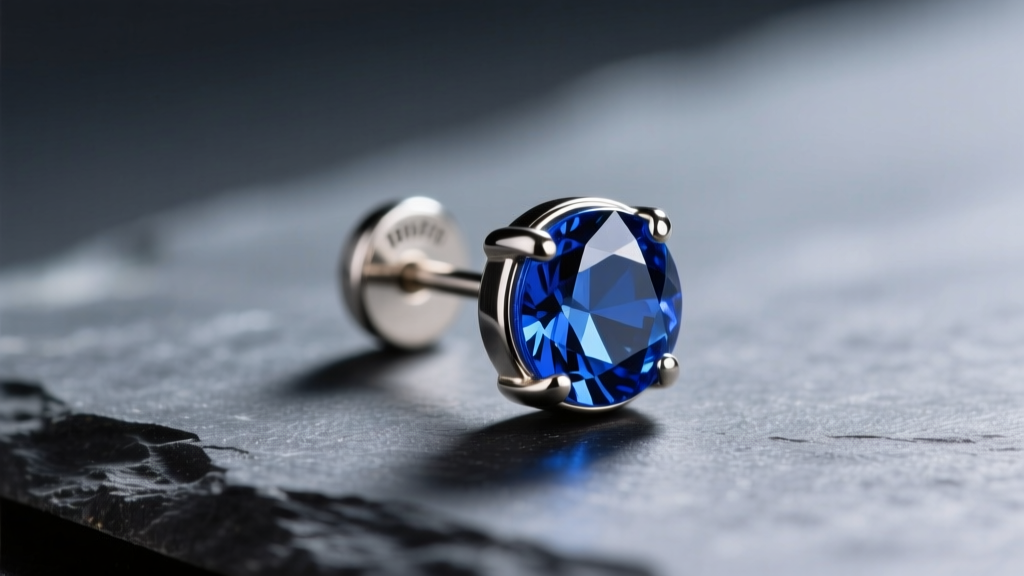
The landscape of high-end ear curation has evolved significantly, moving away from fast-fashion accessories toward permanent, biocompatible jewelry architecture. As we navigate the piercing trends of 2026, the undisputed standard for both initial piercings and long-term wear is the flat back labret stud. When discussing premium posts earrings, professional piercers and jewelry designers are no longer just focusing on the decorative end; the engineering of the post itself has become the primary indicator of quality, comfort, and tissue health.
This comprehensive style and trend analysis breaks down the metallurgy, biomechanics, and aesthetic principles driving the modern curated ear, providing actionable data for collectors and piercing enthusiasts.
The Engineering of Comfort: Why Butterfly Backs Are Obsolete
For decades, the friction-backed 'butterfly' clutch was the default mechanism for lobe and cartilage jewelry. From a clinical and stylistic perspective, this design is now considered obsolete. Friction backs create a dark, enclosed moisture trap against the skin, fostering bacterial growth and leading to contact dermatitis. Furthermore, the narrow surface area of a butterfly clutch concentrates pressure, frequently causing pressure necrosis and painful irritation bumps, especially when sleeping on cartilage piercings.
Flat back posts earrings solve these biomechanical failures. The disc rests flush against the interior of the ear, distributing pressure evenly across a wider surface area. This flush profile not only eliminates the 'poke' that disrupts sleep but also prevents the jewelry from catching on hair and clothing—a leading cause of hypertrophic scarring in healing helix and conch piercings.
Metallurgy Matters: ASTM F-136 Titanium vs. Mystery Metals
The most critical trend in 2026 is the uncompromising demand for verifiable material grades. The term 'surgical steel' is largely a marketing misnomer; many stainless steel alloys contain up to 8% nickel, a known sensitizer. According to the Journal of Clinical and Aesthetic Dermatology, nickel allergy is the most frequent cause of allergic contact dermatitis, making unverified steel a liability for long-term wear.
The gold standard for posts earrings is ASTM F-136 implant-grade titanium. This specific alloy is virtually free of nickel and highly polished to a mirror finish, preventing cellular adhesion and biofilm buildup during the healing process. For gold options, the industry has shifted toward 14k or 18k solid gold that is nickel-free and cadmium-free, compliant with the strict EU REACH regulations regarding heavy metal release rates.
Pro Tip: Always request a mill certificate or proof of ASTM F-136 compliance from your jeweler. Reputable brands like BVLA, Anatometal, and Industrial Strength provide verifiable metallurgical data for every piece.
The Biomechanics of Sizing: Gauge and Length Matrix
One of the most common failure modes in cartilage styling is improper post sizing. A post that is too long will snag and migrate, while a post that is too short will embed into the tissue, causing severe swelling and potential rejection. Below is the 2026 clinical matrix for sizing posts earrings across different ear placements.
| Piercing Placement | Standard Gauge | Initial Post Length | Downsized Post Length | Failure Mode if Incorrect |
|---|---|---|---|---|
| Standard Lobe | 18g (1.0mm) or 16g (1.2mm) | 8mm (5/16') | 6mm (1/4') | Cheese-cutter effect (if too thin) |
| Helix / Flat | 16g (1.2mm) | 8mm to 10mm | 6mm to 8mm | Migration and irritation bumps |
| Conch | 16g (1.2mm) or 14g (1.6mm) | 8mm to 10mm | 6mm to 8mm | Embedding and moisture traps |
| Tragus | 16g (1.2mm) | 8mm (5/16') | 6mm (1/4') | Snagging on earbuds and headphones |
Note: Downsizing is a critical step. Initial jewelry must accommodate swelling for the first 4 to 8 weeks. Returning to your piercer for a 'downsize' to a shorter post is mandatory for long-term tissue health.
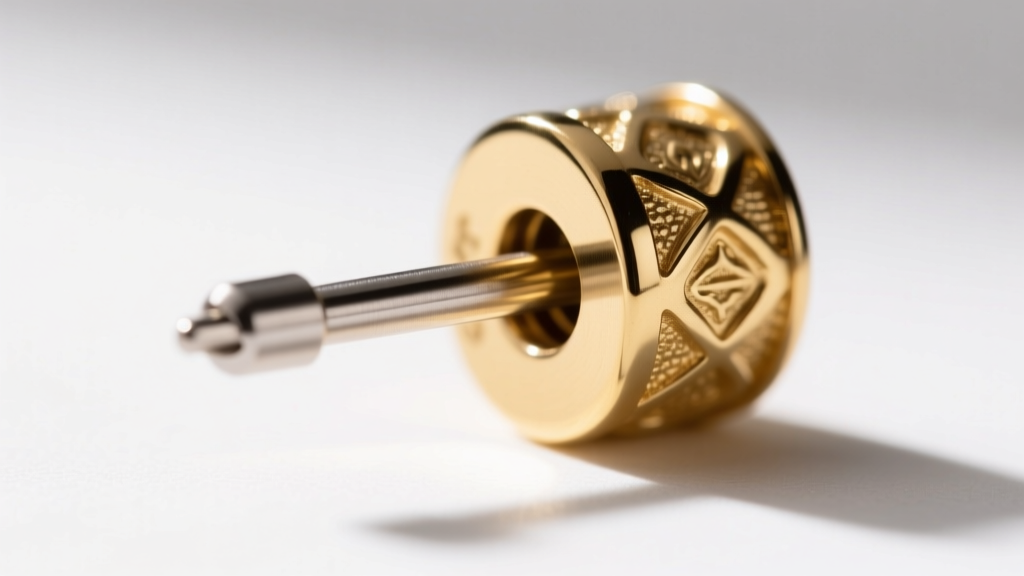
Threadless vs. Internally Threaded: The Mechanism Debate
When investing in luxury posts earrings, the connection mechanism between the post and the decorative end is paramount. External threading (where the screw is on the post) is universally banned by the Association of Professional Piercers (APP) because the sharp threads tear the fistula (the piercing channel) during insertion and removal.
The 2026 market is dominated by two superior mechanisms:
- Threadless (Push-Pin): Pioneered by brands like Neometal, this system relies on tension. The pin on the decorative end is given a slight bend before being pushed into the hollow post. The metal's memory creates a secure, friction-based lock. It is highly favored for its ease of use and seamless aesthetic.
- Internally Threaded: The screw mechanism is located on the inside of the decorative end, while the post remains smooth. This is the preferred choice for heavy, large-gauge, or complex gemstone settings where maximum structural security is required.
Curated Ear Aesthetics: Placement and Visual Weight
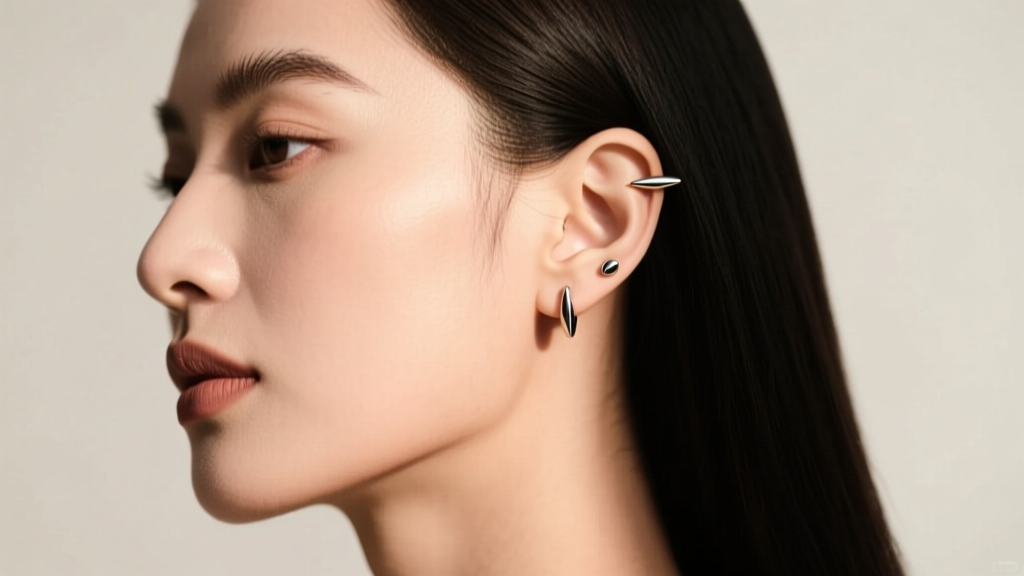
The 'curated ear' trend has matured from a chaotic cluster of piercings into a disciplined study of visual weight and negative space. In 2026, stylists approach the ear as a canvas, using flat back posts earrings to create intentional constellations.
Balancing Gem Sizes
A common mistake is using uniform gem sizes across all placements. A harmonious layout requires an anchor piece—typically a 4mm to 6mm bezel-set gem in the lobe or conch—complemented by smaller 2mm to 3mm accents in the helix and flat areas. This creates depth and guides the eye naturally through the ear's anatomy.
Metal Tone Mixing
While matching metals was once a strict rule, contemporary styling embraces deliberate contrast. Pairing a warm 14k yellow gold threadless end in the upper helix with a cool platinum or white gold piece in the lower lobe creates a dynamic, layered aesthetic that feels bespoke rather than mass-produced.
Clinical Troubleshooting: Irritation Bumps and Embedding
Even with premium jewelry, environmental factors and aftercare mistakes can lead to complications. Understanding the difference between common issues is vital for maintaining your curated ear.
- Hypertrophic Scarring (Irritation Bumps): Often mistaken for keloids, these localized, raised bumps are usually caused by mechanical irritation—such as sleeping on an un-downsized post or using harsh chemical cleaners like tea tree oil. The solution is to downsize the post, switch to sterile saline spray, and apply warm saline compresses.
- Granulomas: These appear as small, red, weeping nodules and are a sign of the body attempting to wall off a foreign body or chronic moisture. Ensuring your flat back disc is completely dry after showering and avoiding heavy ointments is crucial.
- Embedding: If the decorative end or the flat back disc begins to sink into the skin, it is a medical urgency. This occurs when swelling outpaces the post length. Immediate intervention by a professional piercer to insert a longer post is required to save the piercing channel.
The Future of Ear Curation
As we move through 2026, the stigma surrounding body modification has entirely dissolved, replaced by an appreciation for fine jewelry engineering. The shift toward flat back posts earrings represents a broader consumer demand for products that prioritize biocompatibility, ergonomic design, and lifelong wearability. By understanding the metallurgy, respecting the biomechanics of gauge and length, and mastering the art of visual balance, you can elevate your ear curation from a simple accessory choice to a masterclass in personal style.


