Flower Pink Earrings: 2026 Budget & Value Assessment
Assess the true value of flower pink earrings in 2026. Compare enamel, rose quartz, and pink sapphire options across budget and fine tiers.

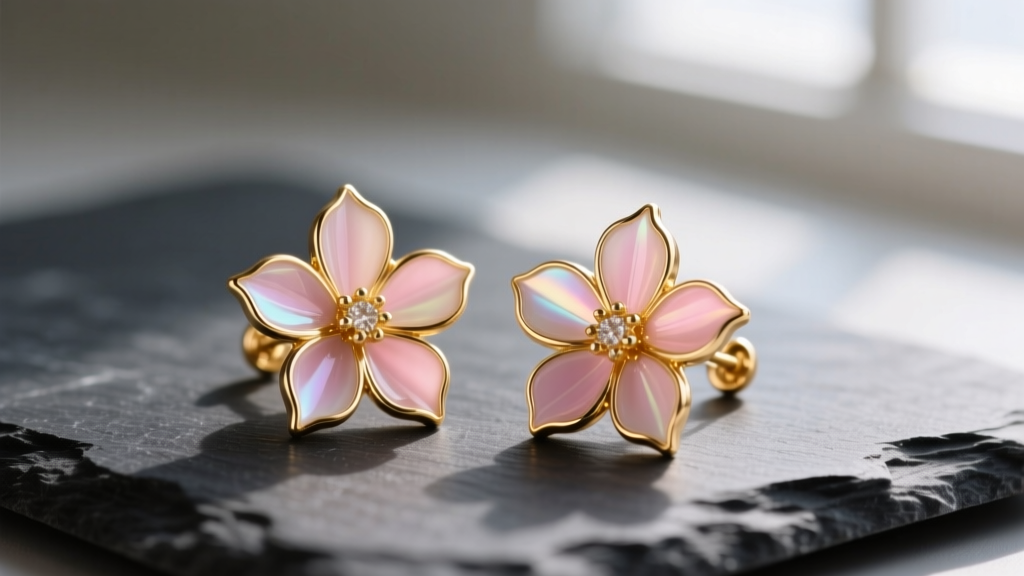
The Botanical Markup: Decoding the "Pink" Premium
Botanical jewelry remains a dominant force in 2026, but when shopping for flower pink earrings, consumers often encounter a massive price disparity. A pair of floral studs can cost anywhere from $18 at a fast-fashion retailer to $1,800 at a heritage jeweler. As a buyer, how do you separate genuine craftsmanship from inflated aesthetic markups? The "pink premium" in jewelry is often driven by the rarity of natural pink gemstones and the specialized labor required for high-quality enameling. This comprehensive value assessment breaks down the material science, structural integrity, and true cost-per-wear of pink floral earrings across three distinct market tiers.
Material Breakdown: What Are You Actually Paying For?
To accurately assess value, we must look past the floral silhouette and examine the exact materials used to create the pink hues. The longevity, hypoallergenic properties, and resale value of your earrings depend entirely on these core components.
Tier 1: Cold Enamel & Resin (Budget Tier: $15 - $45)
In the budget tier, pink floral petals are typically crafted using "cold enamel," which is a misnomer for epoxy resin. This material is painted or poured into metal molds and air-dried. While it offers vibrant, opaque pink shades, it is highly susceptible to UV yellowing, chipping, and chemical degradation from perfumes or lotions. The metal base is usually brass or copper with a flash plating of gold (less than 0.5 microns). Value Verdict: High aesthetic appeal for seasonal wear, but near-zero longevity. Expect a lifespan of 6 to 14 months with regular use.
Tier 2: Rose Quartz & Pink Opal Demi-Fine ($50 - $150)
The demi-fine market relies heavily on carved rose quartz and pink opal to achieve a natural, translucent pink floral look. Rose quartz (Mohs hardness of 7) offers decent scratch resistance but lacks cleavage, making it brittle; a dropped earring can easily fracture along its internal grain. Pink opal is much softer (Mohs 5.5–6.5) and highly porous. It absorbs oils and moisture, which can permanently dull its pink coloration over time. In this tier, you should demand 18k gold vermeil. According to the Federal Trade Commission (FTC), true vermeil requires a sterling silver base plated with at least 2.5 microns of gold. Anything less is legally just "gold plated" and will wear through to the silver within a year of daily friction.
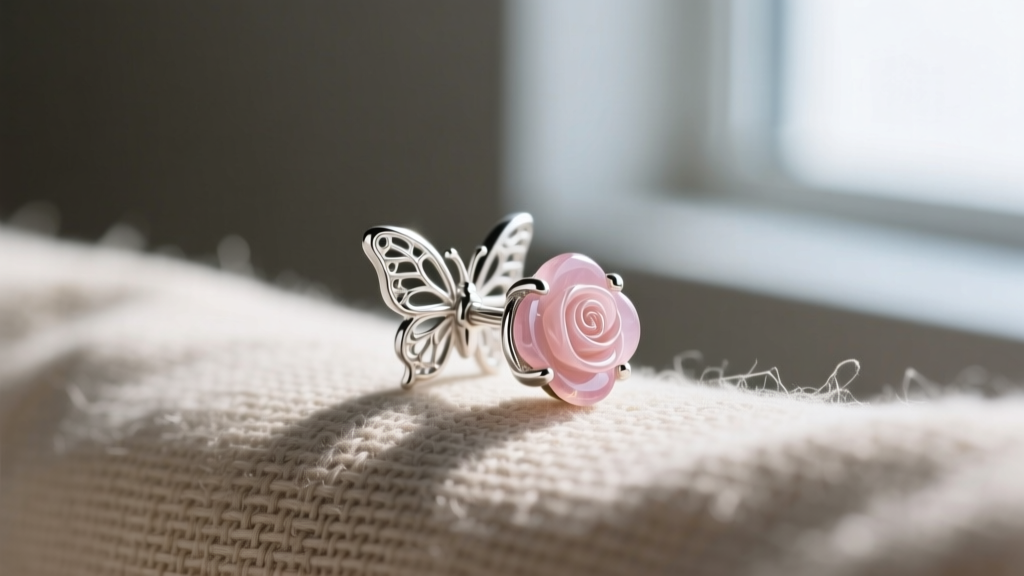
Tier 3: Pink Sapphires & Tourmaline Fine Jewelry ($300 - $1,200+)
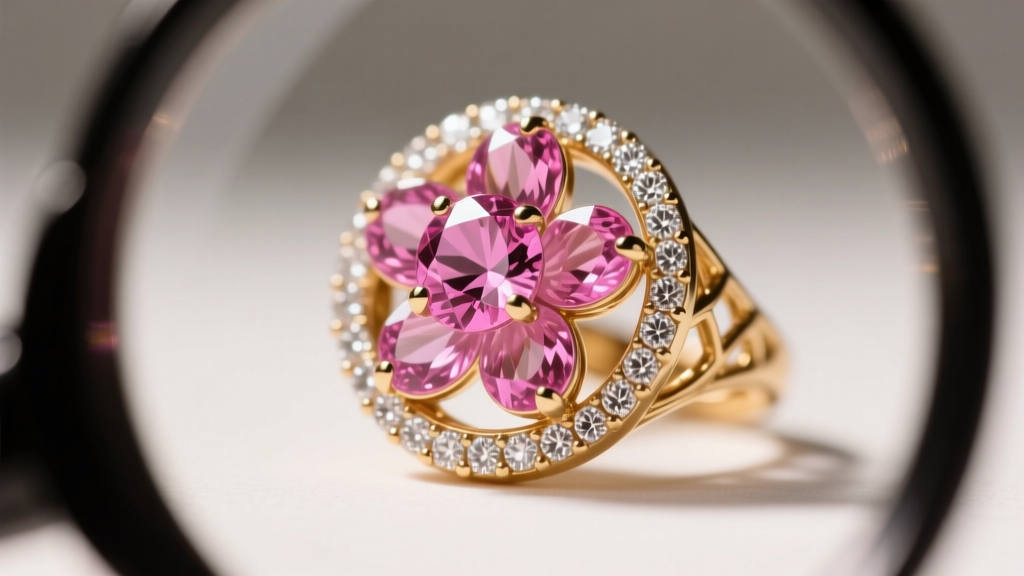
At the fine jewelry level, flower pink earrings are brought to life using precision-cut pink sapphires or rubellite tourmaline. The Gemological Institute of America (GIA) notes that pink sapphire (a variety of corundum) ranks at a 9 on the Mohs scale, making it exceptionally durable for daily wear. High-end floral designs utilize pavé settings or intricate prong work to form the petals, often set in solid 14k or 18k gold. The value here is intrinsic: the materials hold their market value, the stones will not degrade, and the solid gold posts ensure lifelong hypoallergenic wear.
Hidden Costs: Structural Engineering and Post Gauges
A frequently overlooked aspect of jewelry valuation is the structural engineering of the earring post relative to the weight of the floral head. A large, 15mm carved rose quartz flower carries significant weight. If this heavy head is attached to a standard, thin 20-gauge (0.81mm) post, the metal will inevitably bend under the leverage of daily movement, eventually causing the post to snap or warp the backing.
- 20-Gauge (0.81mm): Standard for lightweight studs and budget jewelry. Unsuitable for heavy stone florals.
- 18-Gauge (1.02mm): The ideal standard for demi-fine and fine floral earrings. Provides the necessary tensile strength to support a 10mm–15mm stone or enamel head without bending.
- 16-Gauge (1.29mm): Typically reserved for cartilage piercings (helix, tragus). If you plan to wear floral studs in upper ear piercings, ensure the post is 16G and 6mm in length to accommodate cartilage thickness and swelling.
When assessing a $120 pair of demi-fine flower pink earrings, check the product specifications for the post gauge. A brand utilizing 18-gauge posts demonstrates a commitment to structural longevity, justifying a higher price point.
2026 Price-to-Longevity Matrix
Use this matrix to evaluate the true cost-per-wear (CPW) of your floral jewelry investments. CPW is calculated by dividing the purchase price by the estimated number of wears before the item degrades or breaks.
| Tier / Material | Avg. Price Range | Estimated Lifespan | Cost-Per-Wear (Daily) | Maintenance Requirements |
|---|---|---|---|---|
| Brass / Cold Enamel | $15 - $45 | 6 - 14 Months | $0.12 - $0.18 | Keep dry; avoid chemicals |
| Sterling Silver / Rose Quartz | $60 - $120 | 3 - 5 Years | $0.06 - $0.10 | Polish silver; avoid impacts |
| Gold Vermeil / Pink Opal | $80 - $150 | 2 - 4 Years | $0.10 - $0.20 | No ultrasonic cleaners; wipe oils |
| Solid 14k Gold / Pink Sapphire | $450 - $1,200+ | Generational | < $0.02 | Standard soap/water cleaning |
Care Protocols: Protecting Your Investment
The value of your earrings is directly tied to your maintenance habits. Many consumers inadvertently destroy their jewelry by using inappropriate cleaning methods. For instance, ultrasonic cleaners use high-frequency sound waves to dislodge dirt. While excellent for solid gold and diamonds, ultrasonic vibrations will shatter the internal fractures of rose quartz and strip the epoxy coating off cold enamel florals. Furthermore, the porous nature of pink opal means it should never be submerged in water or exposed to harsh jewelry dips. To clean demi-fine floral earrings, use a lint-free microfiber cloth and a mild, phosphate-free dish soap applied with a soft baby toothbrush, gently brushing only the metal settings while avoiding prolonged moisture contact with the pink stones.
Final Verdict: Which Tier Offers the Best ROI?
If your goal is purely trend-driven, seasonal styling, the budget cold-enamel tier offers immediate visual gratification with minimal upfront risk. However, from a strict value and sustainability perspective, the demi-fine tier featuring 18k gold vermeil and carved rose quartz represents the optimal middle ground. By spending $80 to $120 on a pair with an 18-gauge post and proper vermeil thickness, you secure a piece that will comfortably survive 3 to 5 years of regular rotation. For heirloom seekers and those with severe nickel allergies, investing in solid 14k gold and pink sapphire flower pink earrings remains the undisputed champion of generational value, offering a cost-per-wear that approaches zero over a lifetime of use.


