2026 Gift Guide: What Are Good Earrings for Sensitive Ears?
Discover what are good earrings for sensitive ears in our 2026 gift guide. Explore hypoallergenic metals, gauge sizes, and top brands.

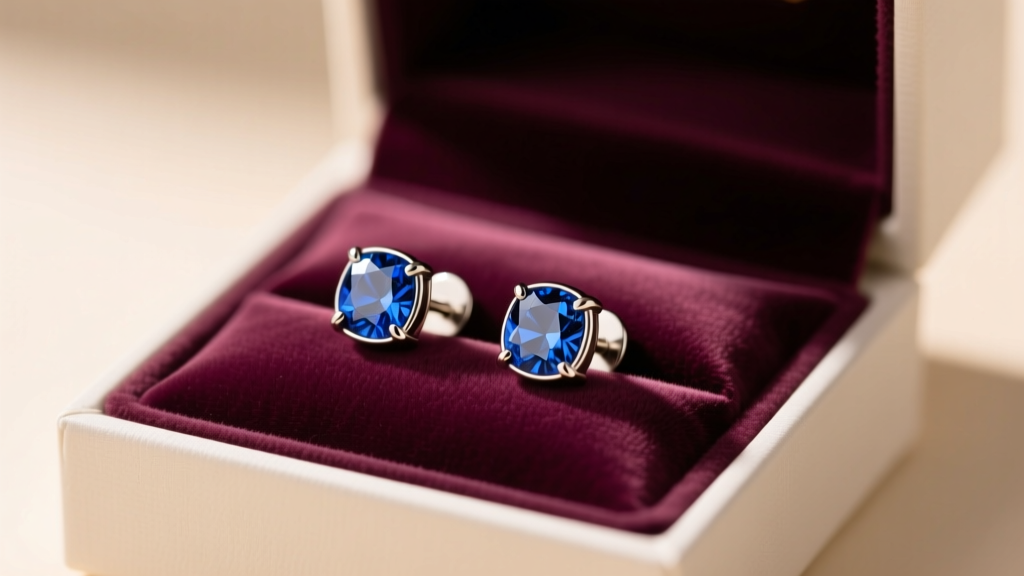
The Science of Reactive Earlobes: Why Metals Matter
If you have ever found yourself asking what are good earrings for sensitive ears, the answer lies in metallurgy, not just marketing buzzwords. Gifting jewelry to someone with reactive skin requires navigating a minefield of alloy compositions. The most common culprit for contact dermatitis is nickel, which is frequently alloyed with gold, silver, and steel to increase hardness and lower costs. According to the American Academy of Dermatology, nickel allergy is the most common cause of allergic contact dermatitis, affecting nearly 20% of the population.
When selecting a gift for a reactive recipient, you must look past terms like 'hypoallergenic'—which is an unregulated marketing term—and instead verify the exact elemental breakdown. In 2026, the standard for safe body jewelry relies on specific medical-grade certifications. Understanding these material grades is the difference between a cherished, wearable gift and a piece that causes blistering, itching, and eventual rejection.
Material Breakdown: The Hypoallergenic Hierarchy
To determine what are good earrings for sensitive ears, we must rank materials by their biocompatibility and corrosion resistance. Below is the definitive matrix for gifting reactive-safe earrings.
| Material | Grade/Standard | Nickel Content | Best For | Price Range |
|---|---|---|---|---|
| Implant-Grade Titanium | ASTM F136 | 0% | Fresh piercings, severe allergies | $30 - $120 |
| Niobium | 99.9% Pure | 0% | Seamless hoops, cartilage | $25 - $90 |
| Solid Gold | 14k or 18k (Yellow/Rose) | Trace (Alloy dependent) | Everyday wear, luxury gifts | $150 - $800+ |
| Platinum | 950 Pt | 0% | Heirloom pieces, bridal | $400 - $2,000+ |
| Surgical Steel | ASTM F138 | 8% - 12% | Avoid for sensitive ears | $10 - $40 |
| Sterling Silver | 925 | Varies (often copper/nickel) | Avoid for unhealed/sensitive ears | $20 - $150 |
Notice that 'Surgical Steel' and 'Sterling Silver' are flagged as risks. Many commercial brands sell surgical steel as 'safe,' but the ASTM International F136 Standard specifically designates titanium alloys for surgical implants because steel contains enough nickel to trigger a reaction in highly sensitized individuals. Sterling silver is also prone to tarnishing, and the sulfur compounds used in oxidation can cause severe irritation in the humid microclimate of a piercing channel.
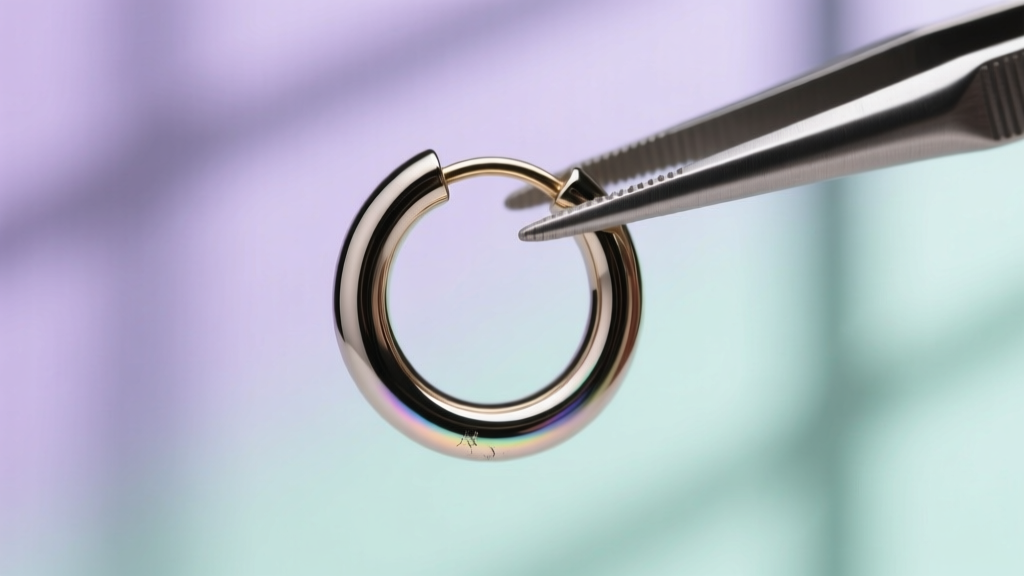
Occasion Matching: Hypoallergenic Gifts for Every Milestone
Knowing the safe metals is only half the battle. A successful gift guide must match the material to the occasion, ensuring the style aligns with the recipient's lifestyle while protecting their skin barrier.
Everyday Staples & Office Wear
For the professional who never takes their earrings out, continuous wear demands ultra-lightweight, snag-free designs. Threadless or internally threaded flat-back labrets made from ASTM F136 titanium are the gold standard here. Look for brands that offer anodized titanium; this electrochemical process creates vibrant colors (like rose gold or deep purple) without introducing any reactive metal plating. A pair of 4mm bezel-set CZ titanium studs is the ultimate 'put them in and forget them' office gift.
Formal Events & Weddings
When gifting for a gala or wedding, titanium might feel too industrial. This is where 18k solid yellow gold shines. Ensure the gold is alloyed with silver, copper, or palladium—not nickel. Brands specializing in fine body jewelry often use palladium to create white gold that remains completely nickel-free. A pair of 18k solid gold huggie hoops with pavé diamonds offers high-end elegance without the contact dermatitis risk associated with cheap, gold-plated brass alternatives.
First Piercings & Healing Gifts
Gifting jewelry for a new piercing requires strict adherence to biocompatibility. The piercing channel is essentially an open wound. Gifting anything other than mirror-polished, implant-grade titanium (F136) or niobium is a liability. Avoid 'starter earrings' from mall kiosks, which often use poorly polished steel that causes micro-tears. Instead, gift a certificate to a reputable APP-certified piercer, paired with a high-end titanium upgrade piece they can swap in once the 6-to-8-week healing window closes.
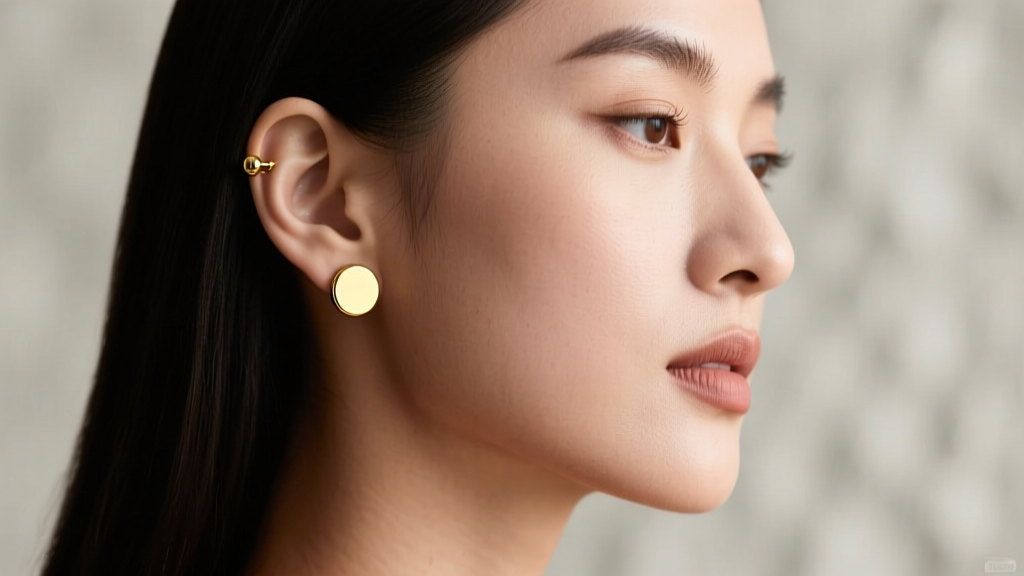
Gauge, Weight, and Backing: The Hidden Irritants
Even if the metal is flawless, poor structural design can cause mechanical irritation, which mimics allergic reactions. When evaluating what are good earrings for sensitive ears, consider these physical factors:
- Gauge Thickness: Standard lobe piercings are usually 20g (0.81mm) or 18g (1.02mm), while cartilage is typically 16g (1.29mm). Gifting a 20g earring for a 16g cartilage piercing will cause the 'cheese-cutter effect,' where thin metal migrates and slices through the tissue under the weight of the jewelry.
- Weight Distribution: Heavy dangle earrings pull on the fistula (the piercing hole). For sensitive ears, this tension causes inflammation. If gifting dangles, opt for hollowed-out designs or lightweight acrylic/resin accents suspended from a titanium hook.
- The Backing Mechanism: Traditional butterfly backs are a nightmare for sensitive ears. They trap dead skin, sebum, and bacteria, and their friction posts are often made of nickel. Always gift earrings with flat-back labrets, silicone O-rings, or secure screw-on ball backs.
Trusted Brands for Reactive Ears in 2026
To save you hours of vetting, here are three industry-leading brands that guarantee material purity for reactive gifting:
- Neometal: The undisputed king of threadless, implant-grade titanium body jewelry. Their pieces are anodized in-house, and their bezel settings are completely snag-free.
- Maria Tash: Ideal for luxury and formal gifting. They specialize in 18k gold and diamond pieces designed specifically for forward-facing, multi-pierced ear curations.
- BVLA (Body Vision Los Angeles): Known for high-end, custom-cast 14k and 18k gold pieces. Their gem-setting techniques ensure no sharp prongs irritate the ear canal.
Final Gifting Checklist
Before you checkout, verify:
1. Is the metal ASTM F136 Titanium, Niobium, or 14k/18k Solid Gold?
2. Is the earring post internally threaded or threadless (no butterfly backs)?
3. Is the gauge size appropriate for the recipient's specific piercing placement?
4. Is the piece free of toxic plating (like gold-plated brass or silver)?
By prioritizing metallurgical integrity and anatomical design over fast-fashion trends, you ensure your gift is worn with joy, not endured with an ice pack. When someone asks you what are good earrings for sensitive ears, you can now confidently point them toward implant-grade titanium, pure niobium, and properly alloyed solid gold.


