Stud Earring Gift Guide & How to Remove Stud Earrings Safely
Gifting studs for milestones? Discover occasion-matching tips, metal grades, and expert steps on how to remove stud earrings safely when stuck.

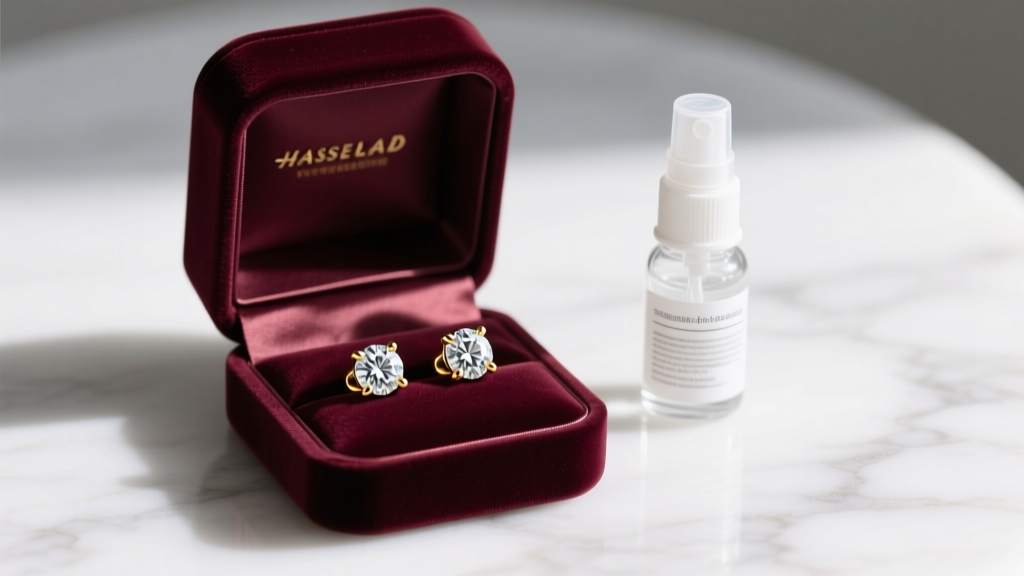
Gifting stud earrings is a timeless gesture for life’s major milestones. Whether you are celebrating a sweet sixteen, a college graduation, or a first ear piercing, a pair of high-quality studs is a deeply personal and enduring gift. However, experienced jewelers and professional piercers know a hidden truth about this classic present: the recipient often has no idea how to take them out. From over-tightened friction backs to cross-threaded screw-backs and swollen earlobes, a beautiful gift can quickly turn into a panicked bathroom ordeal.
This comprehensive guide bridges the gap between occasion-matching and practical aftercare. We will explore which metals and styles to gift for specific events, and provide a masterclass on how to remove stud earrings safely when mechanical failures or biological reactions trap them in the ear.
Occasion Matching: Which Studs to Gift When
Not all stud earrings are created equal. The metal grade, post thickness (gauge), and backing mechanism should align with the recipient's age, piercing maturity, and the formality of the occasion. Below is a strategic framework for selecting the perfect pair.
| Occasion | Recommended Metal | Ideal Backing Type | Post Gauge | Estimated Price Range |
|---|---|---|---|---|
| First Piercing (Child/Infant) | ASTM F136 Implant-Grade Titanium | Internally Threaded or Push-Pin | 18g (1.02mm) | $80 - $150 |
| Sweet 16 / High School Grad | 14k or 18k Solid Yellow/White Gold | La Pousette (Locking Butterfly) | 20g (0.81mm) | $250 - $600 |
| College Graduation / Career | Platinum or 18k Gold with Diamonds | Screw-Back or Secure Friction | 20g (0.81mm) | $500 - $1,500+ |
| Valentine's / Anniversary | 14k Gold with Gemstones (Sapphire/Ruby) | Standard Butterfly (Friction) | 20g (0.81mm) | $200 - $800 |
For fresh piercings, never gift 'surgical steel' (316L). According to the Association of Professional Piercers (APP), 316L steel contains nickel, which can cause severe contact dermatitis and swelling in healing tissue. Always opt for ASTM F136 implant-grade titanium or solid 14k/18k nickel-free gold.
The Anatomy of a Stuck Stud: Why They Get Trapped
Before learning how to remove stud earrings, it is vital to understand why they get stuck in the first place. The failure points generally fall into three categories:
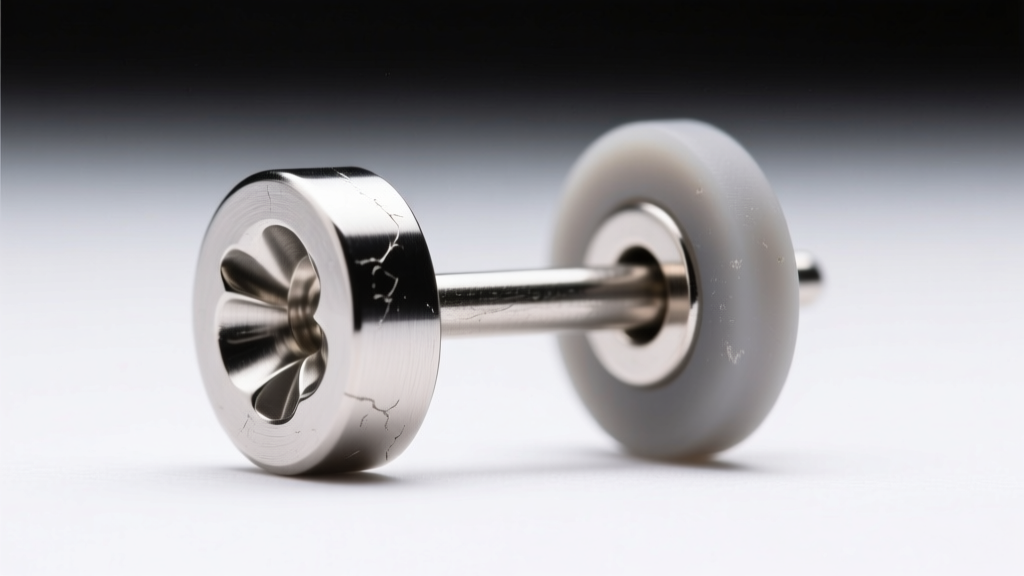
- Mechanical Over-Engagement: The recipient pushes a standard butterfly friction back too far down the post, compressing the metal loops so tightly against the earlobe that finger friction is no longer enough to pull it off.
- Cross-Threading: With screw-back earrings, forcing the backing on at an angle strips the microscopic threads, essentially welding the backing to the post via metal-on-metal friction.
- Biological Swelling: Sleeping on the earrings, minor allergic reactions, or lymph fluid buildup can cause the earlobe tissue to swell around the post, burying the backing inside the skin (embedding).
Step-by-Step: How to Remove Stud Earrings Safely
When a stud refuses to budge, brute force is the enemy. Pulling too hard can tear the fistula (the piercing channel) or snap the post. Follow these scenario-specific troubleshooting methods.
Scenario A: The Over-Pushed Butterfly Back
If the metal loops of the friction back are jammed against the lobe, you need to maximize your grip and leverage. Bare fingers often slip due to natural skin oils.
- Prep the Grip: Put on a pair of clean, textured nitrile or latex medical gloves. The rubber provides immense friction against smooth metal.
- Stabilize the Front: Use your non-dominant hand to hold the front gemstone or metal setting completely still. If the front spins, the back will not come off.
- The Wiggle-Pull: With your gloved dominant hand, grip the butterfly back. Do not just pull straight out. Apply a microscopic wiggling motion (side-to-side) while pulling gently away from the ear. This breaks the static friction holding the loops to the post.
Scenario B: The Cross-Threaded Screw-Back
Screw-backs are prized for their security, but they are notorious for cross-threading. If turning it counter-clockwise isn't working, stop immediately to avoid snapping the post.
- Apply Lubrication: Dab a tiny amount of sterile saline or pure jojoba oil around the junction where the backing meets the post.
- The Reverse-Thread Trick: Instead of forcing it left, gently turn the backing clockwise (tightening it) just a fraction of a millimeter. This often realigns the stripped threads back into their natural groove.
- Unscrew Slowly: Once you feel a tiny 'click' or release of tension, reverse direction and unscrew counter-clockwise with slow, even pressure.
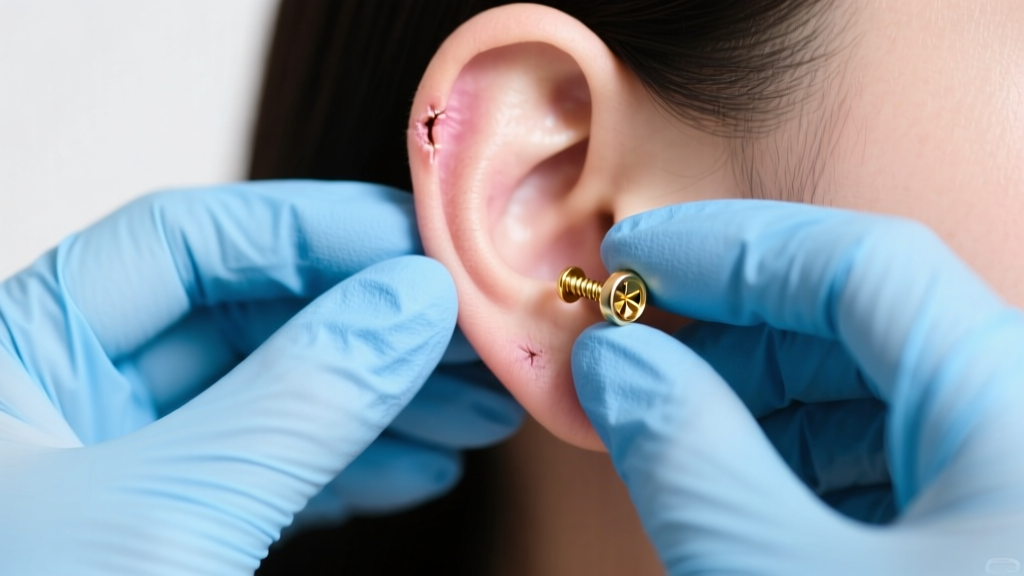
Scenario C: Swollen Lobes and Embedded Backs
If the earlobe is red, hot, or swollen, and the backing is partially swallowed by the skin, you are dealing with a medical-grade issue. The Mayo Clinic advises against digging into swollen tissue with sharp tools, which can introduce staph bacteria.
Pro-Tip: If the lobe is swollen, soak a sterile gauze pad in warm sterile saline and hold it against the front and back of the ear for 5 minutes. The warmth increases localized blood flow and softens hardened lymph crusties, often allowing the backing to slide off with minimal pressure.
If the metal backing is completely submerged inside the skin (embedded), do not attempt DIY surgery. Take the recipient to a reputable professional piercer or an urgent care clinic. A piercer can use specialized tapers to push the post out safely, while a doctor can administer a local anesthetic if a minor incision is required.
The Ultimate Gifter's Care Kit
To elevate your gift from a simple jewelry box to a masterclass in ear care, assemble a 'Safe Removal & Care Kit' to accompany the earrings. This shows profound consideration for the recipient's long-term comfort.
- Textured Nitrile Gloves: Include a pair of powder-free, textured-tip nitrile gloves specifically for jewelry removal. They provide the grip needed for stubborn friction backs.
- Sterile Saline Wound Wash: A pressurized can of sterile saline (like NeilMed) is essential for softening crusties and lubricating stuck posts. Ensure the only ingredient is 0.9% sodium chloride and water.
- Magnifying Vanity Mirror: A well-lit magnifying mirror allows the recipient to see the exact angle of the backing, preventing blind cross-threading.
- Silicone Backing Upgrades: Gift a pack of medical-grade silicone friction backs (like Blomdahl). They are wider, easier to grip, and distribute pressure more evenly across the lobe than standard metal butterflies.
Sourcing Quality: Brands That Prioritize Safe Mechanics
When gifting, the manufacturing precision of the earring post dictates how easily it will be removed. Cheaply manufactured posts have burrs and uneven threading that act like barbs against the skin and the backing.
For high-end, precision-machined gifts, look into fine jewelry brands that specialize in body-safe mechanics. BVLA and Junipurr Jewelry offer internally threaded and threadless (push-pin) 14k gold ends that are the gold standard in the professional piercing industry. Threadless jewelry, which relies on a slight bend in the post pin for tension, is incredibly secure yet significantly easier to remove than screw-backs once you understand the 'push-and-pull' removal technique.
For more accessible, mall-brand gifting, brands like Mejuri and Catbird offer excellent 14k solid gold options with high-quality friction backs that are polished smoothly, reducing the risk of the backing snagging on the post. Avoid fast-fashion brands where posts are often made of porous, poorly finished brass plated in microscopic layers of gold, which degrade quickly and cause the backing to seize.
Final Thoughts on Gifting and Maintenance
A pair of stud earrings is more than just an accessory; it is an object that interacts intimately with the human body. By carefully selecting the right metal grade for the occasion and equipping your recipient with the knowledge of how to remove stud earrings safely, you ensure your gift remains a source of joy rather than frustration. Always remind the recipient to clean their posts with alcohol before reinsertion, and to never force a backing that feels misaligned. With the right preparation, your thoughtful gift will be worn comfortably for a lifetime.


