Inspired By The Girl With A Pearl Earring Book? Pearl Care Guide
Discover expert care, cleaning, and storage tips for pearl earrings inspired by the iconic Girl with a Pearl Earring book and Vermeer's masterpiece.

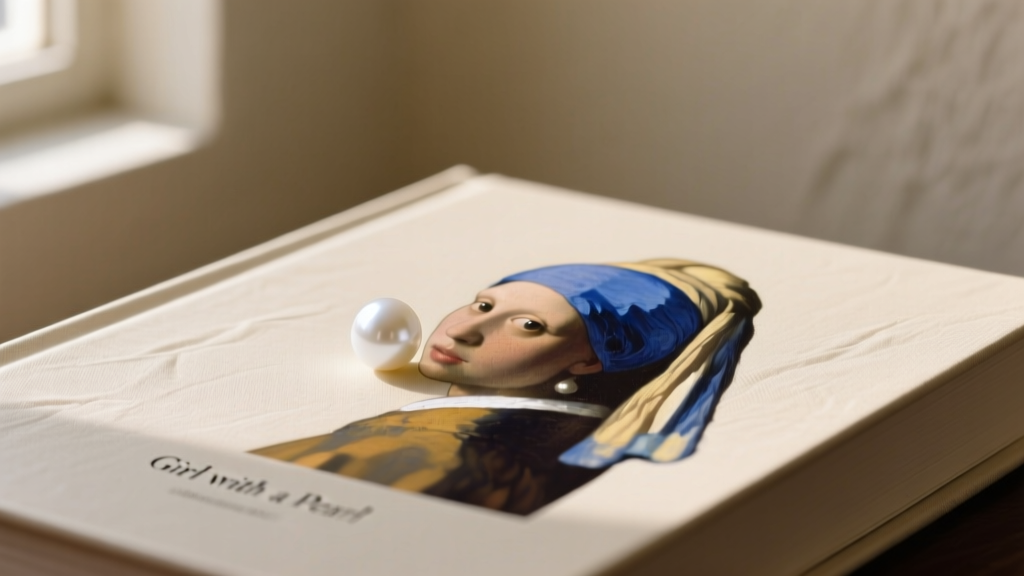
The Legacy of Vermeer’s Pearl: Why Organic Gems Need Special Care
Tracy Chevalier’s bestselling Girl with a Pearl Earring book captivated millions, turning Johannes Vermeer’s 17th-century masterpiece into a global cultural touchstone. For jewelry enthusiasts and collectors, the novel and its subsequent adaptations sparked a massive resurgence in the desire for luminous, oversized pearl drop earrings. However, gemologists frequently note that the earring depicted in the painting—given its massive teardrop proportions and flawless sheen—was likely a glass or lacquered resin imitation, as a natural pearl of that exact specification would have been astronomically rare and prohibitively heavy in the 1660s.
Today, modern jewelers recreate this iconic aesthetic using high-grade South Sea, Akoya, or Edison freshwater pearls. Unlike the glass replicas of Vermeer's era, genuine pearls are organic gemstones. They are born from living mollusks and require a highly specific maintenance regimen to preserve their orient and luster. If you have invested in pearl earrings inspired by the iconic imagery popularized by the Girl with a Pearl Earring book, understanding the biological vulnerability of nacre is the first step in protecting your investment.
The Chemistry of Nacre: What Damages Your Pearls
To care for pearl earrings, you must understand their chemical composition. According to the Gemological Institute of America (GIA), nacre is composed of microscopic aragonite crystals (calcium carbonate) held together by conchiolin, an organic protein glue. This structure gives pearls their unique iridescence but also makes them highly susceptible to environmental and chemical damage.
- Low Hardness: Pearls rank between 2.5 and 4.5 on the Mohs scale of mineral hardness. For context, a copper penny is a 3.5. This means everyday dust (which contains microscopic quartz particles at a 7.0) can easily scratch the nacre surface if wiped aggressively.
- Acid Sensitivity: Calcium carbonate dissolves in acid. Even mild acids found in human sweat, citrus juices, and vinegar can etch the surface of a pearl, leaving it dull and chalky over time.
- Dehydration Risks: Conchiolin requires a baseline level of ambient moisture. Storing pearls in airtight plastic bags or ultra-dry environments causes the organic protein to dry out, leading to micro-fractures, peeling, and the dreaded "crazing" effect where the nacre literally cracks off the nucleus.
- Chemical Intolerance: Alcohol, ammonia, and chlorine are catastrophic for pearls. Hairspray, perfume, and ultrasonic jewelry cleaners will strip the nacre's polish and degrade the conchiolin matrix.
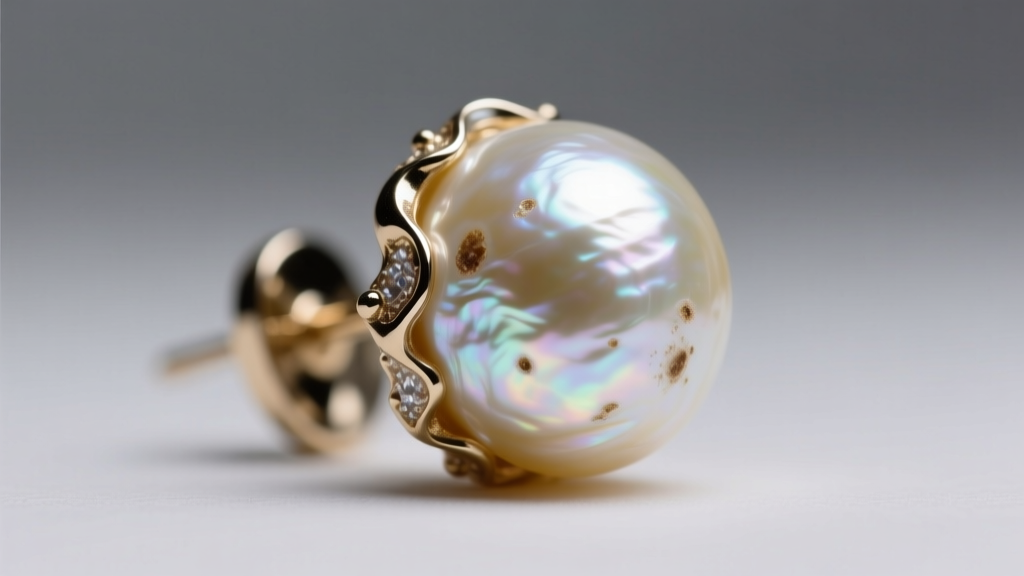
Step-by-Step Cleaning Protocol for Pearl Studs and Drops
Forget the ultrasonic machines and steam cleaners used for diamonds and sapphires; the high-frequency cavitation and intense heat will shatter the nacre layers of a pearl instantly. Instead, adopt this manual, low-impact cleaning routine after every few wears to remove skin oils and environmental pollutants.
1. The Dry Microfiber Wipe
Immediately upon removing your pearl earrings, gently wipe them with a clean, dry, lint-free microfiber cloth. This removes the acidic oils and sweat transferred from your earlobes before they have time to etch the calcium carbonate surface. Never use tissue paper or paper towels, as the wood pulp fibers can cause microscopic abrasions on high-polish Akoya or South Sea pearls.
2. The Damp Distilled Water Cleanse (Monthly)
If your pearls have lost their luster due to product buildup, slightly dampen a microfiber cloth with distilled water (tap water contains chlorine and fluoride which can leave spotting). Wipe the pearl gently. If the earring features a silk knotting thread—common in multi-pearl drop designs or tassel earrings—avoid getting the thread wet, as moisture weakens the silk and causes it to stretch and rot.
3. The Mild Castile Soap Intervention (Bi-Annually)
For stubborn grime, use a single drop of pH-neutral, unscented liquid Castile soap diluted in distilled water. Apply it with a damp cloth, never submerging the earring. According to experts at Pearl Paradise, submerging pearl earrings can cause water to seep into the drill hole, trapping moisture against the metal post or adhesive, which leads to internal discoloration and eventual detachment of the pearl from the mounting.
Storage and Hardware: Preserving the Post and the Pearl
How you store your pearl earrings is just as critical as how you clean them. The iconic heavy drop earring from the Vermeer painting requires robust hardware to sit correctly on the earlobe without drooping, and the storage environment must protect both the metal and the organic gem.
| Storage Method | Suitability for Pearls | Risk Factor & Gemological Insight |
|---|---|---|
| Airtight Plastic Ziploc Bag | Poor | Dehydrates conchiolin, leading to nacre cracking and irreversible structural failure. |
| Unlined Wooden Jewelry Box | Poor | Wood acids and varnishes can off-gas and stain the porous surface of the pearl. |
| Mixed Compartment Jewelry Tray | Poor | Diamond (Mohs 10) and Sapphire (Mohs 9) will gouge and permanently scratch the nacre. |
| Soft Cotton or Silk Pouch | Excellent | Allows necessary breathability while preventing dust accumulation and abrasion. |
| Climate-Controlled Safe (with water vial) | Good | Maintains security while the water vial provides essential ambient humidity for the conchiolin. |
Hardware Considerations for Heavy Pearl Drops
If you are wearing 12mm to 15mm South Sea pearl drops to emulate the Vermeer aesthetic, weight distribution is a major factor. A single 14mm South Sea pearl can weigh over 2.5 grams. Standard 22-gauge friction posts and butterfly backs will fail to support this weight, causing the earring to tilt forward and putting stress on your earlobe piercing.
Upgrade your hardware to an 18-gauge or 16-gauge 14k/18k gold post. For heavy drops, utilize La Pousette screw-backs or locking clutch backs featuring a silicone O-ring interior. The silicone grips the metal post securely without requiring excessive tightening that could bend the gold, ensuring the pearl sits perfectly flush and upright against the earlobe.
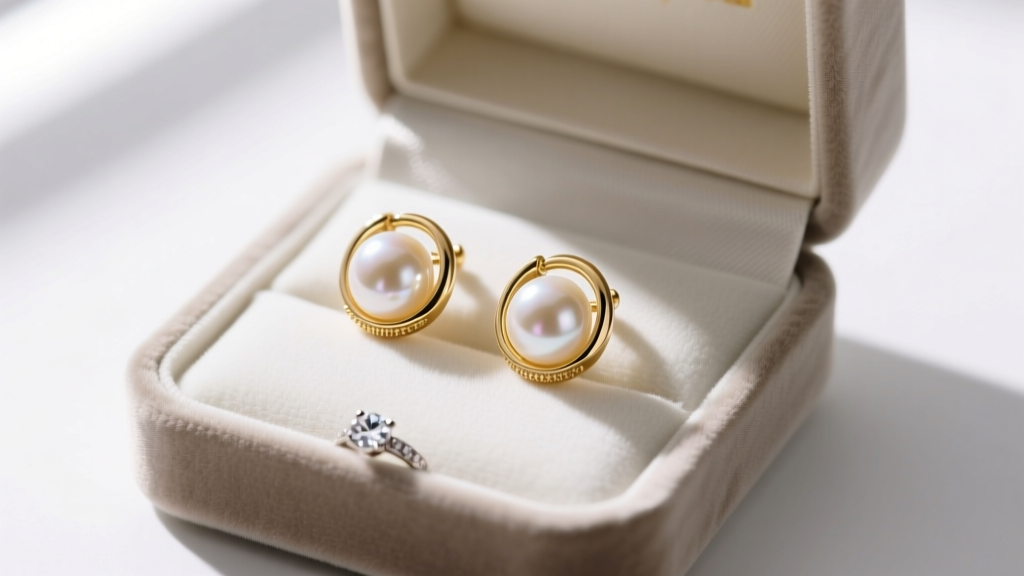
When to Seek Professional Restoration
Even with meticulous care, pearl earrings may require professional intervention over their lifespan. If you notice the pearl spinning freely on its metal post, the adhesive bond has failed. Do not attempt to fix this with standard household super glue (cyanoacrylate), as the fumes can cause a permanent white "frosting" effect on the nacre surface. A professional jeweler will clean the drill hole and re-seat the pearl using a flexible, jewelry-grade two-part epoxy that accommodates the different thermal expansion rates of the metal and the organic gem.
Additionally, if your pearl earrings feature diamond or sapphire melee accents set in prongs, have a jeweler inspect the prongs annually. Because pearls are so soft, a loose diamond prong rubbing against the pearl will act like a saw blade, cutting a permanent groove into the nacre. By treating your pearl earrings with the specialized care they demand, you ensure that their luminous, Vermeer-inspired beauty will endure for generations.


