Recreate the Girl with Pearl Earring DTI Look IRL
Master the viral Girl with Pearl Earring DTI aesthetic in real life. Learn pearl grading, earring weight limits, and historical styling tips for 2026.

The "Girl with Pearl Earring" DTI Phenomenon: From Screen to Jewelry Box
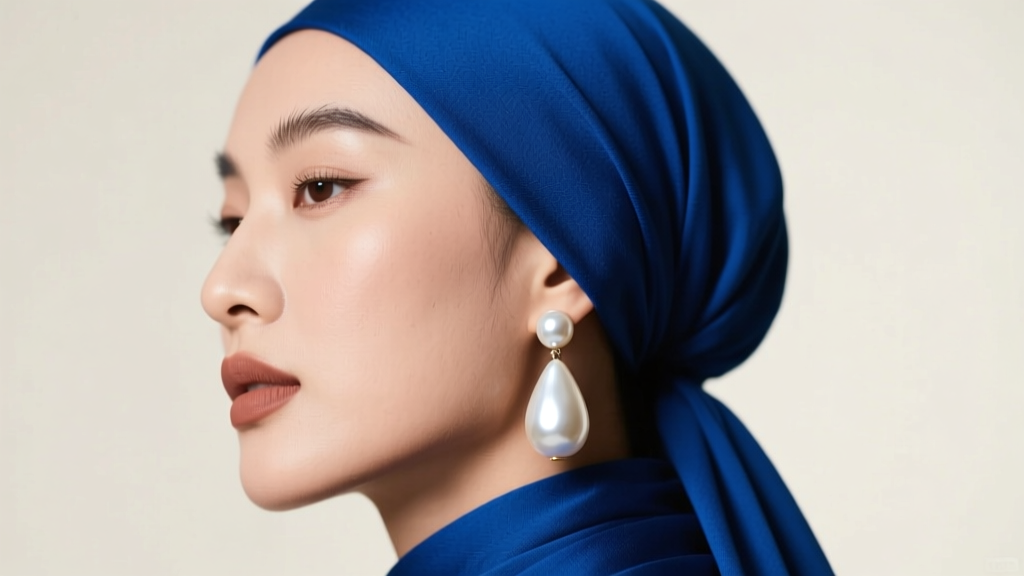
When the "girl with pearl earring dti" challenge took over Roblox's Dress To Impress universe, it sparked a massive cultural crossover between digital fashion gaming and real-world jewelry styling. Players spent hours layering teardrop accessories, adjusting virtual lighting, and color-matching ultramarine turbans to perfectly recreate Johannes Vermeer’s 1665 masterpiece. But as we move through 2026, the trend has spilled out of the server and into the jewelry box. Bespoke designers and vintage collectors are seeing a massive spike in requests for Vermeer-inspired drop earrings. Translating a digital polygon or a 17th-century oil painting into a physical, wearable piece of jewelry requires a deep understanding of pearl grading, structural wire gauges, and lobe weight management. Here is your ultimate step-by-step guide to achieving the iconic DTI aesthetic in real life, without sacrificing ear health or historical accuracy.
Historical Accuracy: Was Vermeer’s Pearl Even Real?
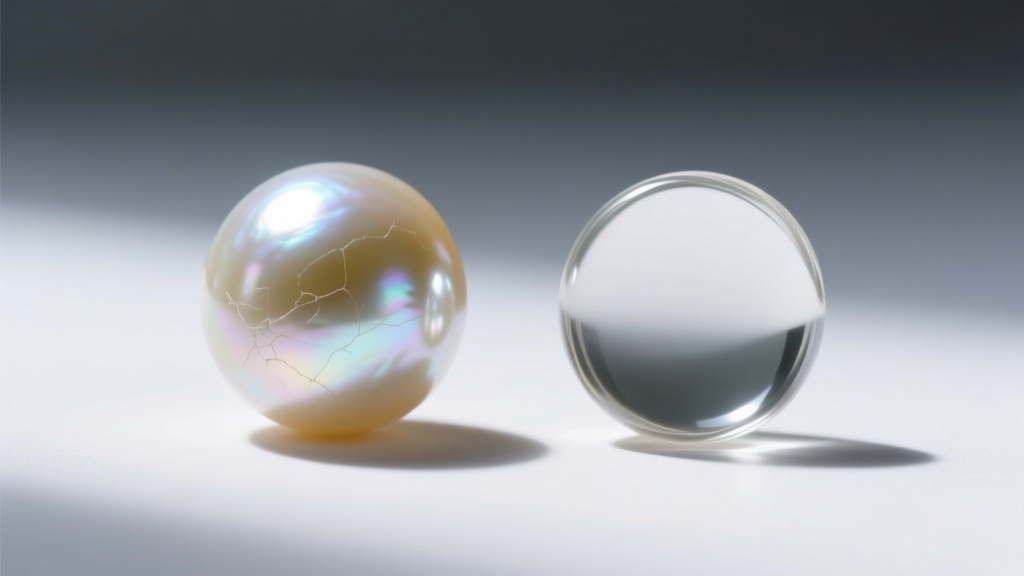
Before sourcing your materials, it is crucial to understand the subject matter. According to the Mauritshuis museum, the official home of the painting in The Hague, art historians have long debated the true nature of the earring. The pearl depicted is massive—easily 18mm to 20mm in diameter. In the 17th century, a natural saltwater pearl of that size, possessing a perfect teardrop shape and flawless luster, would have been astronomically expensive, far beyond the means of the painting's likely subject. Many experts believe Vermeer actually painted a glass or tin drop, varnished to simulate the translucent depth of nacre. This historical footnote is excellent news for modern recreators: you do not necessarily need to spend tens of thousands of dollars on a natural South Sea pearl to achieve historical and visual accuracy.
Material & Sizing Comparison Chart
To match the exaggerated, striking scale seen in both the painting and the DTI game, you must prioritize diameter over all else. Here is how different materials stack up for the Vermeer look:
| Size (mm) | Material Type | Approx. Weight | Visual Accuracy | Estimated Price Range |
|---|---|---|---|---|
| 8-10mm | Akoya Pearl | 0.8g - 1.2g | Low (Too small) | $300 - $800 |
| 12-14mm | Freshwater Pearl | 1.5g - 2.5g | Moderate | $150 - $400 |
| 16-18mm | White South Sea | 3.5g - 5.0g | High (Realistic) | $2,500 - $12,000+ |
| 18-20mm | Lead-Glass Replica | 2.0g - 3.0g | Exact (Vermeer style) | $30 - $90 |
Step-by-Step: Sourcing and Assembling Your Vermeer Drop
Recreating the "girl with pearl earring dti" look IRL is not as simple as buying any large pearl and attaching it to a hook. The pendulum effect of a heavy drop earring requires specific engineering to ensure it hangs correctly and catches the light exactly as Vermeer painted it.
Step 1: Selecting the Pearl and Drill Type
If you opt for a genuine pearl (like a 16mm White South Sea), you must decide between a fully-drilled or half-drilled stone. For large, heavy drops, half-drilled pearls are vastly superior. A half-drilled pearl features a small hole drilled only halfway through the nacre, allowing it to be glued onto a metal peg or post using a two-part jeweler's epoxy. This prevents the pearl from cracking under its own weight and allows the stone to sit flush against the finding, eliminating the unsightly wire gap that occurs with fully-drilled pearls. If you choose a glass replica, a fully-drilled bead strung on a wrapped wire loop is perfectly acceptable and much easier to assemble at home.
Step 2: Choosing the Right Finding and Wire Gauge
This is where most amateur jewelry makers fail. Standard drop earrings use 22-gauge (0.64mm) or 20-gauge (0.81mm) wire. However, a heavy 18mm pearl creates significant downward leverage when the wearer walks or turns their head. A thin wire will quickly bend, warp, or snap. For any drop earring exceeding 3 grams, you must use an 18-gauge (1.02mm) or 19-gauge leverback finding. Leverbacks provide a secure, closed loop that prevents the earring from slipping out of the lobe when the heavy pearl swings forward. Sterling silver or 14k gold-filled leverbacks offer the necessary rigidity while maintaining the vintage, luminous aesthetic required for the DTI look.
Step 3: Managing Heavy Drop Earrings Safely
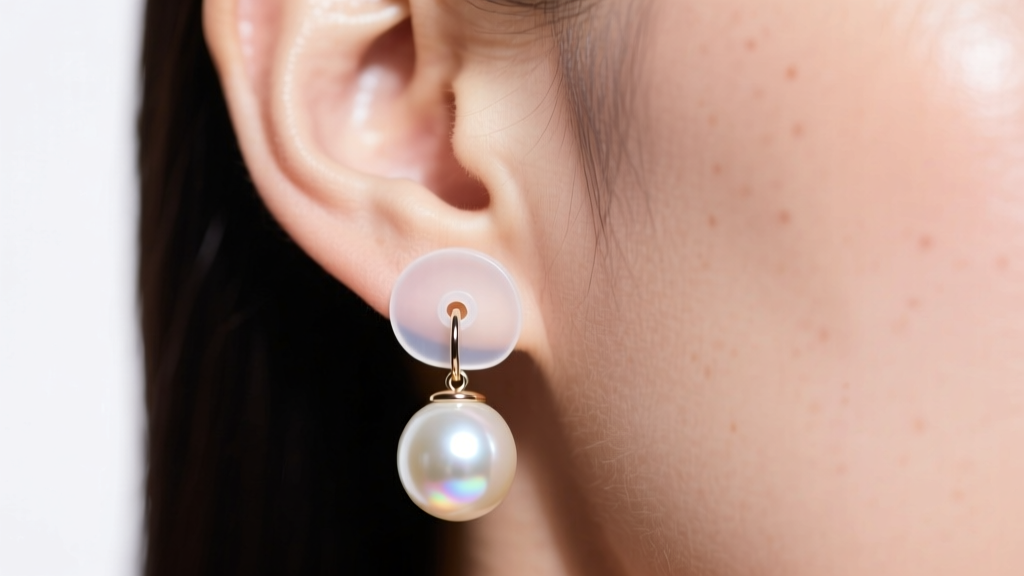
Even with an 18-gauge wire, a large South Sea pearl will pull on the earlobe, causing discomfort and potential tissue tearing over time. To wear the Vermeer aesthetic comfortably for hours, you must use lobe support patches. Products like silicone ear lift patches or invisible adhesive support dots distribute the weight of the earring across a wider surface area of the ear cartilage and skin. Simply apply the patch behind the earlobe, pierce through the designated hole, and insert your earring. This completely neutralizes the dragging sensation and keeps the pearl perfectly positioned to catch the light.
Mastering the Luster: Achieving the "Vermeer Highlight"
The most defining feature of the painting is the stark, bright white reflection on the lower half of the pearl. According to the Gemological Institute of America (GIA), a pearl's luster is dictated by the thickness and translucency of its nacre layers. Freshwater pearls, while beautiful and affordable, often possess a softer, satiny luster that diffuses light. This will not give you the sharp, mirror-like "Vermeer highlight." To achieve that specific optical effect, you need either a high-grade White South Sea pearl with thick, crisp nacre, or a polished glass/crystal replica. Glass naturally mimics the sharp light refraction that Vermeer painted, making it an incredibly authentic choice for the DTI cosplay community, despite not being a biological gemstone.
Completing the DTI Aesthetic IRL
The earring does not exist in a vacuum; its brilliance in the painting is a direct result of the contrasting shadows and the vibrant ultramarine and yellow turban. When styling your Vermeer drop for a 2026 photoshoot, convention, or DTI-inspired fashion event, pay close attention to your wardrobe's color palette. Deep ochres, mustard yellows, and rich lapis blues will provide the necessary contrast to make the white pearl pop. Furthermore, the painting utilizes chiaroscuro—a strong contrast between light and dark. When photographing your earring, use a single, directional key light placed slightly above and to the side of your face. This mimics the window light Vermeer used in his Delft studio, ensuring your pearl casts the exact same enchanting, luminous glow that has captivated audiences for over three centuries.