Complete Glinda Earrings Care, Cleaning, and Storage Guide
Discover expert care, cleaning, and storage tips for your Glinda earrings. Learn how to maintain crystal clarity and prevent chain tangling.

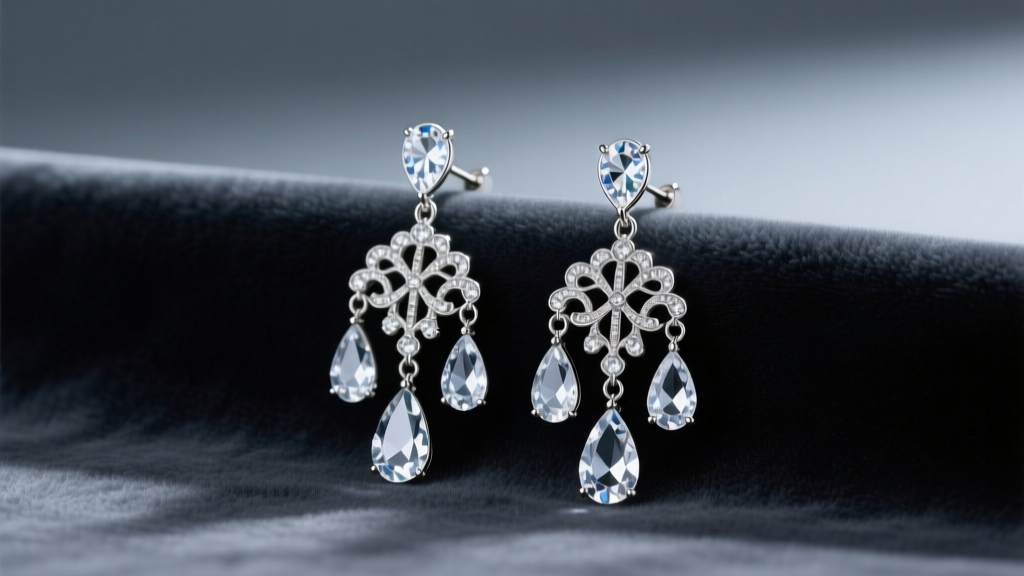
Ethereal, intricate, and undeniably captivating, Glinda earrings have become a staple for those who favor statement jewelry with a touch of theatrical magic. Characterized by their cascading teardrop crystals, delicate articulation chains, and intricate sterling silver or white gold filigree, these earrings mimic the celestial elegance of their namesake. However, the very features that make Glinda earrings so stunning—articulated micro-chains, tension-set cubic zirconia (CZ), and high-polish rhodium plating—also make them highly susceptible to environmental damage, tangling, and cosmetic buildup.
As of 2026, advancements in crystal cutting and PVD (Physical Vapor Deposition) coatings have improved the baseline durability of these pieces, but improper maintenance remains the leading cause of premature degradation. According to the Jewelers of America, over 70% of gemstone clouding and metal tarnishing in drop earrings is caused by everyday exposure to sebum, aerosol hairsprays, and hard water minerals. This comprehensive guide provides domain-level expertise on how to clean, maintain, and store your Glinda earrings to preserve their optical brilliance and structural integrity.
The Anatomy and Material Vulnerabilities of Glinda Earrings
Before applying any cleaning solution, it is critical to understand the material science behind your earrings. Authentic Glinda-style chandelier drops typically rely on three core components:
- The Base Metal: Usually 925 sterling silver plated with a microscopically thin layer of rhodium (0.75 to 1.0 microns) to prevent tarnish and provide a white-gold appearance. Friction and harsh chemicals will strip this plating, exposing the copper alloy beneath, which oxidizes and causes the dreaded 'green skin' effect.
- The Gemstones: High-grade AAA cubic zirconia or precision-cut lead-free crystal. While CZ ranks at 8.5 on the Mohs hardness scale, its high refractive index is easily compromised by a microscopic layer of lotion or dead skin cells, reducing light return by up to 60%.
- The Articulation Chains: Often ranging from 0.8mm to 1.2mm in thickness, these delicate links are prone to micro-kinking and catching on lace or silk fabrics.
The Daily Wear Protocol: Preventing Chemical Degradation
Maintenance begins before you even put the earrings on. The golden rule for intricate crystal drops is 'Last On, First Off.'
The Cosmetic Barrier Rule
Aerosol hairsprays, dry shampoos, and setting sprays contain polymers and alcohols that create an opaque, sticky film over crystal facets. Once this film cures, it requires aggressive scrubbing to remove, which risks loosening the prongs. Always apply all cosmetics, perfumes, and hair products at least 15 minutes before putting on your Glinda earrings.
Friction and Snag Mitigation
The delicate jump rings connecting the crystal drops are structural weak points. When dressing, avoid pulling high-collared knits or lace garments over your head while wearing these earrings. The tensile strength of a 1mm silver jump ring is surprisingly low; a single firm snag on a thread can pull the ring open, resulting in a lost crystal teardrop.
The Distilled Water Wet-Cleaning Method
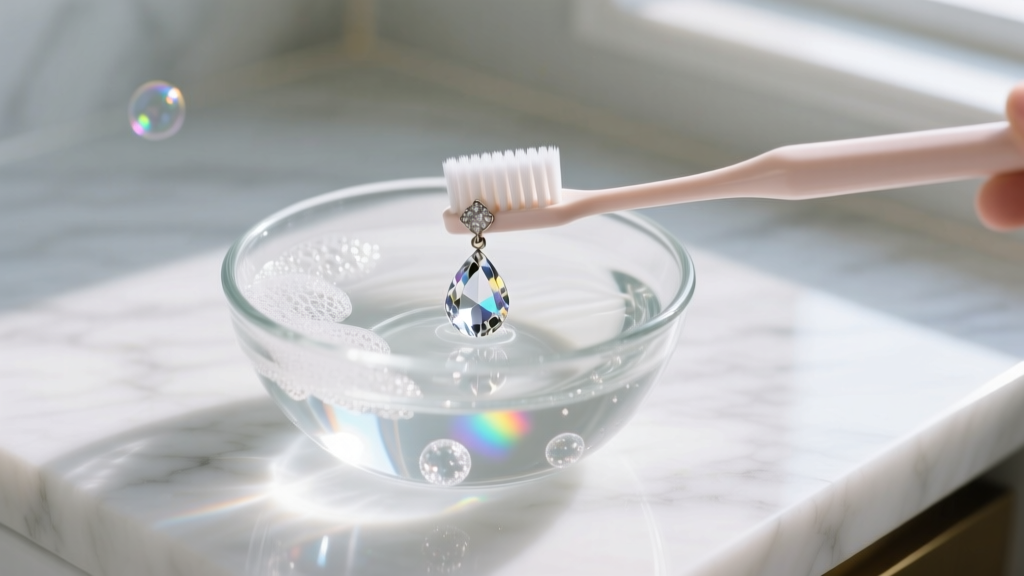
When your earrings lose their sparkle, it is almost always due to a buildup of cosmetic oils and environmental dust. Do not use commercial silver dips or ammonia-based jewelry cleaners, as these will strip the rhodium plating and potentially damage the foil-backing on certain crystals. Instead, use this safe, pH-neutral wet-cleaning method endorsed by gemological experts.
- Prepare the Solution: In a small glass bowl, mix one cup of distilled water (never tap water, as calcium and magnesium leave permanent hard-water spots) with three drops of a pH-neutral, lotion-free dish soap (such as original blue Dawn).
- The Soak: Submerge the earrings for exactly 3 to 5 minutes. This allows the surfactants to break down the lipid bonds of skin oils without compromising the metal.
- Agitation: Using an extra-soft baby toothbrush (look for 0.1mm ultra-fine bristles), gently brush the backs of the crystals and the intricate filigree. Never scrub the front facets aggressively, as trapped dust particles can act as micro-abrasives.
- The Rinse: Rinse thoroughly under a gentle stream of lukewarm distilled water.
- Drying: Pat dry with a lint-free microfiber cloth. Avoid paper towels or cotton balls, as their loose fibers will inevitably snag on the micro-chains and prongs.
The Ultrasonic and Steam Cleaner Trap
Many jewelry owners mistakenly believe that ultrasonic cleaners are a universal solution. For Glinda earrings, ultrasonic and steam cleaners are strictly prohibited.
Ultrasonic cleaners work via acoustic cavitation—creating microscopic vacuum bubbles that implode with intense localized heat and shockwaves. While safe for solid diamonds set in heavy gold, these shockwaves will easily shatter tension-set crystals, fracture internal inclusions in lower-grade CZ, and completely strip the rhodium plating from sterling silver. Furthermore, if your crystals are foil-backed to enhance their iridescence, the moisture and vibrations will cause the foil to peel and oxidize, permanently ruining the stone's optical properties. Always stick to manual, gentle cleaning methods.
Advanced Storage Solutions for Articulated Chains
Storing Glinda earrings in a standard communal jewelry box is a guarantee for severe chain tangling and accelerated silver tarnishing due to ambient humidity and sulfur exposure. Because of their articulated nature, these earrings require specialized storage.
| Storage Method | Tangle Prevention | Tarnish Protection | Verdict for Glinda Styles |
|---|---|---|---|
| Standard Felt Jewelry Box | Poor | Low | Avoid; chains will knot within days |
| Hanging Acrylic Organizer | Excellent | Moderate | Ideal for daily access and display |
| Sealed Pouch with 3M Strips | Good | Excellent | Best for long-term or travel storage |
| Pacific Silvercloth Bags | Moderate | Superior | Premium choice for heirloom pieces |
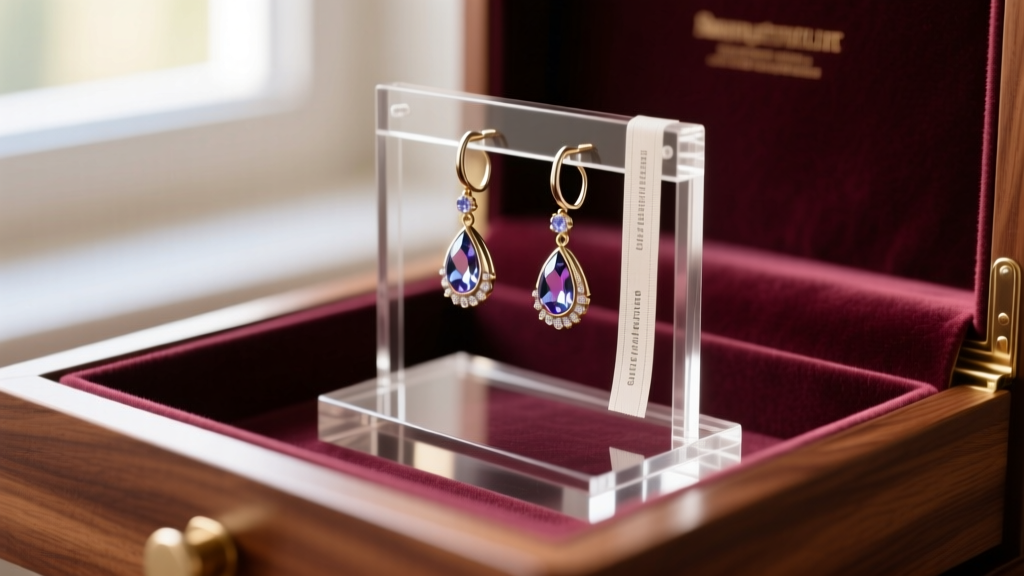
For daily wear, a hanging acrylic organizer with individual slots is optimal. Gravity keeps the articulation chains perfectly straight, preventing the micro-kinks that lead to metal fatigue and snapping. For long-term storage, place the earrings in an airtight ziplock bag alongside a 3M Anti-Tarnish Tab. These tabs absorb sulfur and hydrogen sulfide from the air, effectively halting the oxidation process of the underlying sterling silver.
Troubleshooting Common Glinda Earring Issues
Severe Chain Tangling
If your micro-chains have formed a tight knot, do not pull them. Place the earring on a flat, hard surface. Apply a single drop of mineral oil or baby oil to the knot to lubricate the metal. Using two 0.5mm beading needles (or fine sewing pins), gently work the center of the knot outward. The oil reduces friction, allowing the 1mm links to slide apart without bending.
Cloudy or 'Dead' Crystals
If the wet-cleaning method does not restore brilliance, the buildup may be hardened hairspray resin. Dampen a cotton swab with a tiny amount of 90% isopropyl alcohol and carefully swab the back of the crystal (the pavilion). Avoid getting alcohol on the metal settings, as it can degrade the jeweler's epoxy used in some pave settings.
Loose Prongs or Stones
According to the Gemological Institute of America (GIA), prong wear is a natural consequence of friction against hair and clothing. If a crystal rattles or sits crookedly, stop wearing the earring immediately. Do not attempt to squeeze the prongs with standard pliers, as this will mar the rhodium finish and likely crack the CZ. Take the piece to a professional jeweler who can use a prong pusher and a polishing cloth to secure and refinish the setting.
Professional Maintenance Schedule
Even with meticulous home care, Glinda earrings benefit from professional attention. Every 18 to 24 months, have a jeweler inspect the jump rings and ear wire clasps for metal fatigue. If the rhodium plating has worn thin on the high-contact areas (like the ear post or the main chandelier loop), a professional can polish out micro-scratches and re-plate the piece with a fresh 1.0-micron layer of rhodium, completely restoring its factory-new luster. For more information on metal plating standards and consumer protections, refer to the Federal Trade Commission Jewelry Guides.
By respecting the delicate anatomy of Glinda earrings and adhering to these precise cleaning and storage protocols, you ensure that their ethereal sparkle and structural elegance will endure for years of wear.


