Gold Art Deco Earrings: The Ultimate 2026 Gift Guide
Discover the perfect gold art deco earrings for every occasion in our 2026 gift guide. Expert tips on milgrain, filigree, karats, and styling.

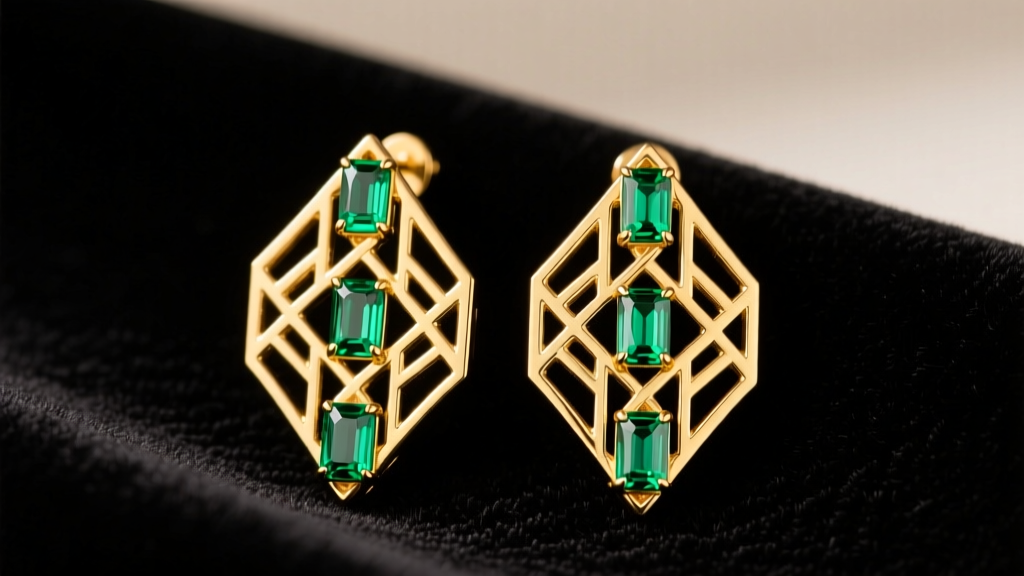
The Enduring Allure of Art Deco Jewelry in 2026
As we navigate the jewelry landscape of 2026, the fascination with the 1920s and 1930s remains as potent as ever. The Art Deco movement, born from the 1925 Paris Exposition Internationale des Arts Décoratifs et Industriels Modernes, revolutionized jewelry design by abandoning the flowing, organic lines of the Art Nouveau era in favor of bold geometry, stark symmetry, and high-contrast color palettes. For gift-givers, gold art deco earrings represent the pinnacle of sophisticated gifting. They are not merely accessories; they are wearable architecture. Whether you are shopping for a milestone anniversary, a gala-ready statement piece, or a subtle nod to vintage glamour for daily wear, understanding the nuanced details of this era is crucial for making an informed, impressive purchase.
Decoding the Details: What Makes Authentic Art Deco Design?
To truly appreciate and accurately select gold art deco earrings, one must look beyond the basic shapes and examine the micro-engineering and gemstone techniques that define the period. According to the Gemological Institute of America (GIA), the era was defined by a marriage of industrial progress and exquisite hand-craftsmanship.
Filigree and Milgrain Edging
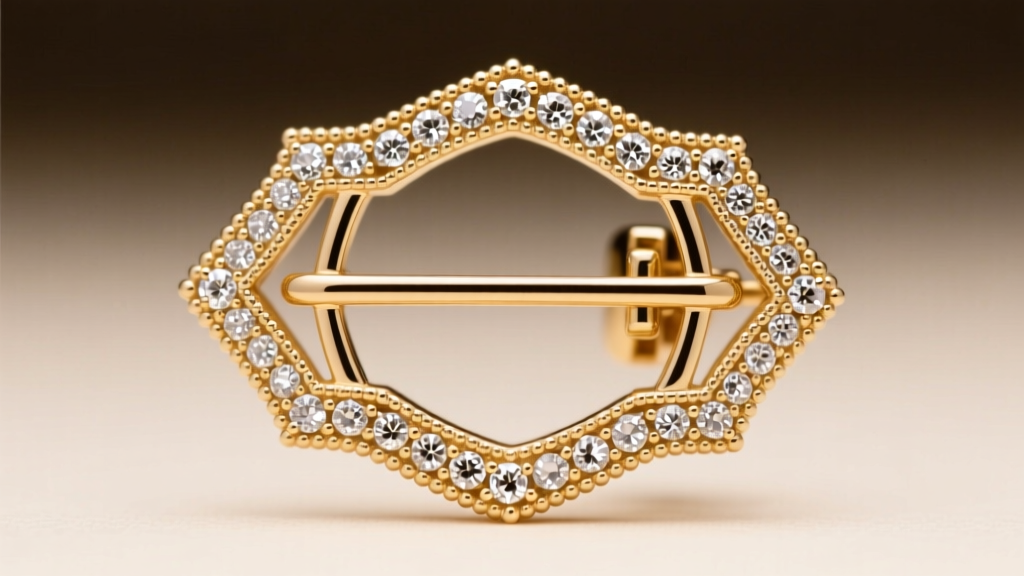
Authentic vintage pieces, and high-quality modern reproductions, rely heavily on filigree and milgrain. Filigree involves twisting and curling fine threads of gold into intricate, lace-like openwork patterns. This technique not only reduces the weight of the metal—making large chandelier earrings comfortable to wear—but also creates a striking visual lightness. Milgrain, derived from the French for "thousand grains," refers to the tiny beaded edges applied to the borders of the metal. When inspecting gold art deco earrings, look for milgrain that is crisp and evenly spaced; worn or mushy milgrain on a vintage piece indicates heavy polishing, which can degrade the metal's integrity over decades of wear.
Gemstone Cuts: Emerald, Baguette, and Calibré
The Art Deco era popularized linear gemstone cuts that complemented its geometric motifs. Emerald cuts and baguette cuts were staples, often arranged in sunburst or stepped patterns. More exclusive to high-end antique pieces are calibré-cut stones. These are custom-faceted gemstones (often rubies, sapphires, or emeralds) cut precisely to fit seamlessly into a specific geometric channel or mosaic within the gold setting, leaving no visible metal gaps. As noted by vintage jewelry experts at Lang Antiques, the presence of calibré-cut stones is a hallmark of master-level Art Deco craftsmanship and significantly elevates both the historical value and the price point of the earrings.
Occasion Matching: Which Gold Art Deco Earrings to Gift?
Matching the earring style to the recipient's lifestyle and the specific occasion is the cornerstone of a successful jewelry gift. Below is a strategic framework for selecting the right gold art deco earrings based on event formality and wearability.
| Occasion | Recommended Style | Ideal Metal | Estimated Price Range |
|---|---|---|---|
| Milestone Anniversary | Chandelier Drops with Diamonds | 18k Yellow Gold | $1,500 - $4,000 |
| Cocktail Party / Gala | Geometric Onyx & Diamond Studs | 14k White Gold | $400 - $900 |
| Bridal / Wedding | Filigree Dangles with Pearls | 18k White Gold / Platinum | $2,000 - $6,000 |
| Everyday Vintage | Small Huggies with Jade or Coral | 14k Rose Gold | $300 - $750 |
Material Matters: Choosing the Right Gold Karat and Alloys
The color and durability of the gold play a massive role in the aesthetic of Art Deco jewelry. While the 1920s heavily favored the stark, icy contrast of platinum and white gold against black onyx and bright diamonds, yellow gold has seen a massive resurgence in the 2020s for its warm, romantic pairing with carved coral, jade, and lapis lazuli.
- 14k Gold (58.5% pure gold): The workhorse of vintage American jewelry. It offers superior durability and scratch resistance, making it ideal for intricate filigree work that needs to withstand daily friction. It is also the most budget-friendly option for reproduction pieces.
- 18k Gold (75% pure gold): Preferred in European Art Deco pieces and modern luxury reproductions. It boasts a richer, deeper yellow hue and a heavier, more luxurious feel on the earlobe. However, the higher gold content makes the metal slightly softer, requiring more careful storage to prevent the prongs from bending.
- White Gold Alloys: Remember that white gold is naturally yellowish and is plated with rhodium to achieve its bright white finish. If gifting antique 14k white gold earrings, factor in the potential cost of having a jeweler re-plate the rhodium to restore their original 1920s brilliance.
Sizing, Weight, and Comfort: The Engineering of Vintage Glamour
One of the most common pitfalls when gifting drop earrings is ignoring the structural engineering required to keep them comfortable. Art Deco designs can be top-heavy due to the dense clustering of gemstones at the top of the geometric motifs.
Post Gauge and Backings: Standard earring posts are typically 20-gauge (0.81mm thick). However, for heavy Art Deco chandelier drops, a thicker 18-gauge (1.02mm) post is necessary to prevent the metal from bending under the weight of the swing. Furthermore, never gift heavy vintage drops with standard friction backs (butterfly clutches). They will cause the earring to droop forward, stretching the earlobe. Instead, look for pieces equipped with leverback closures or omega backs, which distribute the weight across a wider surface area of the ear and provide a secure, locking mechanism.
Antique vs. Art Deco-Inspired: What Are You Actually Buying?
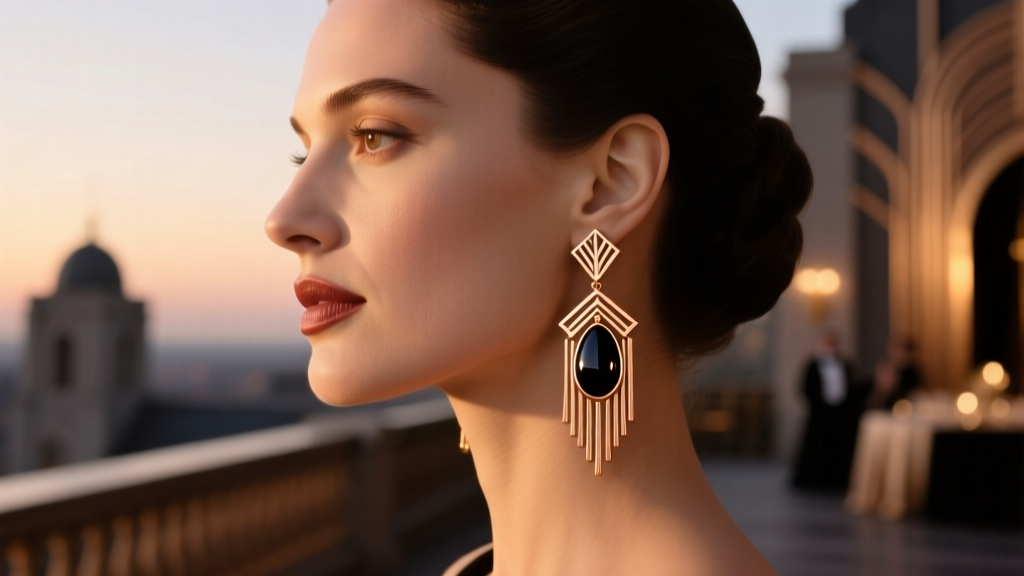
When shopping for gold art deco earrings, transparency is key. True antique Art Deco pieces were manufactured between roughly 1920 and 1939. These carry historical provenance, unique hand-forged imperfections, and old European or mine-cut diamonds that exhibit a chunky, romantic sparkle distinct from modern brilliant cuts. Prices for genuine antique gold and diamond earrings generally start around $1,200 and can easily exceed $15,000 for signed pieces by houses like Cartier, Van Cleef & Arpels, or Boucheron.
Conversely, Art Deco-inspired or reproduction earrings are newly manufactured using modern casting techniques and contemporary gemstone cuts (like precision laser-cut baguettes). While they lack historical provenance, high-end reproductions offer the benefit of brand-new structural integrity, modern secure clasps, and the ethical sourcing of lab-grown diamonds or traceable colored gemstones, often at a 40% to 60% lower price point than their antique counterparts.
Final Gifting Tips for the Vintage Lover
If you are presenting gold art deco earrings as a gift, the unboxing experience should match the era's emphasis on luxury. Avoid modern, minimalist cardboard boxes. Instead, present the earrings in a velvet-lined, leather snap-case, preferably in deep jewel tones like sapphire blue, emerald green, or burgundy. Include a small, printed card detailing the specific design elements of the earrings—mentioning the milgrain, the specific gemstone cuts, and the karat weight. By demonstrating that you understand the rich history and meticulous craftsmanship behind the geometric glamour of the 1920s, you elevate the gift from a simple accessory to a deeply considered, educational, and breathtaking token of affection.


