Gold Bird Earrings: 14k, 18k, Vermeil & Filled Compared
Compare 14k, 18k, vermeil, and gold-filled materials for gold bird earrings. Discover which alloy best preserves intricate avian details.

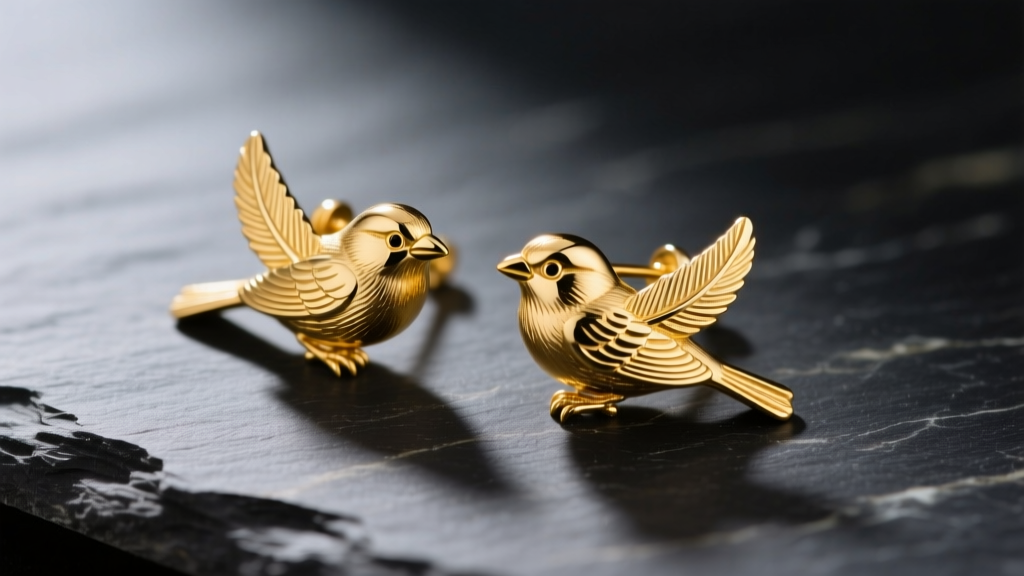
Avian motifs have held a revered place in jewelry design for centuries, symbolizing freedom, grace, and a connection to the natural world. When it comes to gold bird earrings, the artistic execution of feathers, beaks, and talons requires exceptional craftsmanship. However, the longevity and visual fidelity of these intricate designs depend entirely on the metallurgical properties of the gold alloy used. Whether you are investing in heirloom-quality solid gold or exploring budget-friendly alternatives, understanding how different gold compositions behave during the casting and finishing processes is critical.
In this comprehensive material guide, we break down the structural realities of 14k solid gold, 18k solid gold, gold vermeil, and gold-filled constructions. We will explore why certain alloys are better suited for delicate wingtips, how base metals impact the weight of dangle earrings, and what you need to know about preserving micro-details in figurative jewelry.
The Metallurgy of Avian Details: Why Alloy Matters
Creating three-dimensional bird earrings typically involves lost-wax casting, a process where molten metal is poured into a mold created from a wax carving. Avian designs present unique structural challenges: wingtips, beaks, and tail feathers are exceptionally thin and protrude from the main body of the earring. The Vickers hardness (HV) of the chosen gold alloy dictates how well these fragile elements survive daily wear.
Pure 24k gold is far too soft (approx. 25 HV) for jewelry, which is why it is alloyed with metals like copper, silver, and zinc. The ratio of these alloys not only determines the color but also the tensile strength. A delicate 18k gold hummingbird beak may bend if caught on a knit sweater, whereas a 14k gold equivalent will possess the structural rigidity to spring back or resist deformation entirely. Furthermore, the fluidity of the molten alloy affects how sharply the microscopic feather barbs are captured in the final cast.
Solid Gold (14k vs. 18k) for Heirloom Bird Earrings
Solid gold is the premier choice for intricate, cast figurative earrings. It is homogeneous throughout, meaning that scratches or polishing over decades of wear will never reveal a different base metal underneath.
14k Solid Gold: The Pragmatic Choice for Detail
Composed of 58.3% pure gold, 14k gold is the workhorse of fine jewelry. With a Vickers hardness ranging from 140 to 160 depending on the specific copper-silver mix, 14k gold is exceptionally resilient. For gold bird earrings featuring sharp, defined talons or elongated tail feathers, 14k provides the necessary structural integrity. Additionally, 14k gold is typically 20% to 30% more affordable than 18k, making it an accessible entry point for solid gold artisan pieces. Expect to pay between $150 and $450 for a pair of well-crafted 14k gold cast bird studs or small dangles.
18k Solid Gold: The Collector's Standard
Containing 75% pure gold, 18k gold offers a richer, deeper yellow hue that many collectors prefer for luxury jewelry. However, its lower hardness (approx. 125 HV) makes it more susceptible to scratching and bending. If you are purchasing 18k gold bird earrings, opt for designs where the wings are folded flush against the body or where the silhouette is compact. Large, sweeping 18k gold wing dangles are highly prone to warping. Pricing for 18k avian motifs generally starts around $350 and can easily exceed $1,200 for designer pieces featuring gemstone accents.
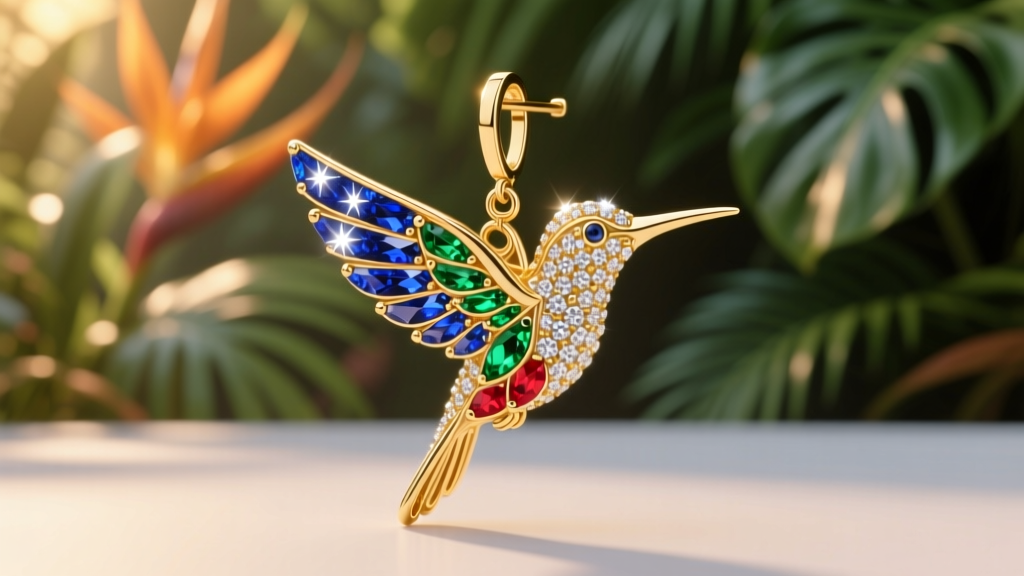
The Gold-Filled Misconception in 3D Casting
A frequent point of confusion in the jewelry market is the availability of "gold-filled" figurative earrings. According to FTC Jewelry Guides, gold-filled material is created by mechanically bonding a thick sheet of karat gold (usually 12k or 14k) to a brass or copper core using heat and pressure. The gold layer must constitute at least 1/20th of the total weight of the item.
The Critical Limitation: Gold-filled material is a sheet metal product. It cannot be melted down and used in lost-wax casting. Therefore, you will almost never find a true, fully three-dimensional, cast gold-filled bird earring. Instead, gold-filled bird earrings are typically die-struck or stamped from flat sheets and soldered together into hollow, two-dimensional halves. While this makes them lightweight and affordable ($30–$80), it results in visible seam lines along the edges of the bird and a lack of organic, sculptural depth. If you want a fully rounded, sculptural bird, gold-filled is not the correct material.
Gold Vermeil: The Best Budget Alternative for Sculptural Birds
Gold vermeil (pronounced ver-may) is the ideal solution for buyers who want intricate, 3D cast bird earrings without the solid gold price tag. By definition, vermeil consists of a sterling silver (.925) base that has been heavily plated with gold (usually 14k or 18k) to a minimum thickness of 2.5 microns.
Because the base is sterling silver, vermeil can be cast using the exact same lost-wax techniques as solid gold. This means artisans can create highly detailed, fully three-dimensional gold bird earrings with crisp feather texturing and seamless construction. The sterling silver core also provides excellent structural strength, far superior to brass or copper bases. The primary drawback is that over years of friction and exposure to skin oils, the gold layer on high-contact areas (like the ear wire or the back of the bird) may eventually wear down, revealing the silver beneath. Expect to pay between $60 and $180 for high-quality vermeil avian earrings.
Material Comparison Matrix: Gold Bird Earrings
| Material | Base Metal | Manufacturing Method | Detail Retention | Avg. Price Range |
|---|---|---|---|---|
| 14k Solid Gold | None (Homogeneous) | Lost-Wax Casting | Exceptional (High Hardness) | $150 - $450 |
| 18k Solid Gold | None (Homogeneous) | Lost-Wax Casting | High (Softer, prone to bending) | $350 - $1,200+ |
| Gold Vermeil | Sterling Silver | Lost-Wax Casting + Plating | Exceptional (Silver core is strong) | $60 - $180 |
| Gold-Filled | Brass / Copper | Die-Struck / Stamped Sheet | Moderate (2D, visible seams) | $30 - $80 |
| Gold-Plated (Standard) | Brass / Alloy | Lost-Wax Casting + Flash Plating | High initially, degrades fast | $20 - $50 |
Enamel and Gemstone Settings in Avian Designs
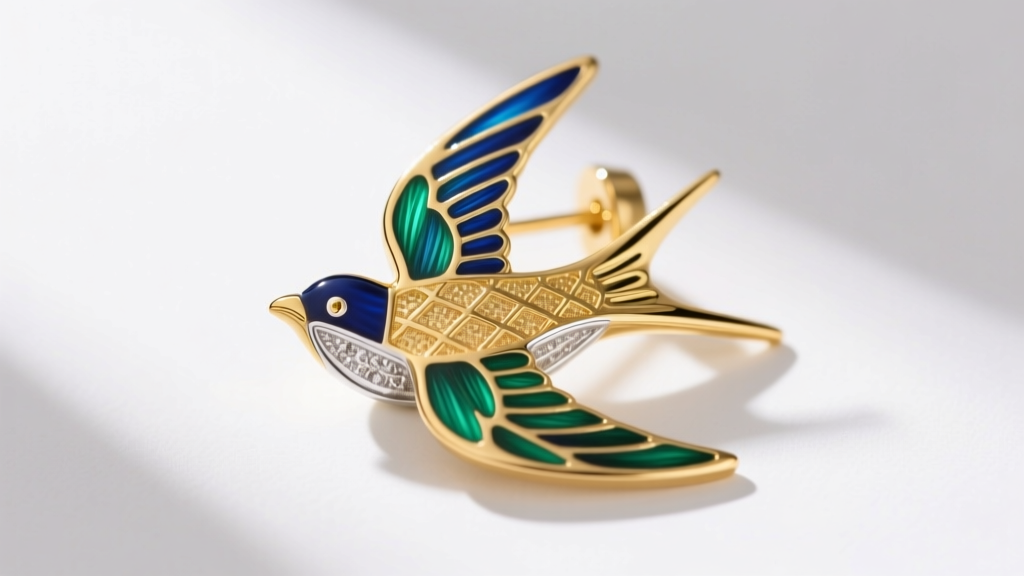
Bird earrings frequently incorporate color to mimic plumage, utilizing techniques like champlevé enamel, guilloché, or plique-à-jour. The choice of gold directly impacts the success of these secondary materials.
- Enamel Adhesion: Enamel (fused glass powder) bonds exceptionally well to the copper and silver alloys present in 14k and 18k gold. However, standard gold-plated brass is a poor substrate for kiln-fired enamel due to differing thermal expansion rates, which can cause the glass to craze or pop off.
- Micro-Pavé Settings: If your gold bird earrings feature diamond or sapphire micro-pavé wings, 14k gold is vastly superior. The prongs holding these sub-1mm stones must be incredibly strong; 18k gold prongs are more likely to snag and pull open, risking stone loss.
Ear Wire Gauges and Wearability
The material of the bird itself must be matched with an appropriate ear wire. For solid gold bird dangles, the weight of the motif dictates the wire gauge. A heavy, solid 14k gold owl earring requires a sturdy 20-gauge or even 18-gauge French wire to prevent the hook from pulling through the earlobe or bending out of shape. Conversely, delicate gold vermeil sparrows are lightweight enough to be suspended on standard 22-gauge wires, which are more comfortable for sensitive piercings. Always check that the ear wire material matches the body of the earring to prevent galvanic reactions or uneven tarnishing.
Care and Tarnish Prevention for Intricate Motifs
The very details that make gold bird earrings beautiful—the overlapping feathers, the textured bark they might perch on, the tiny talons—are also dirt traps. Sebum, lotions, and environmental dust accumulate rapidly in these crevices.
Expert Cleaning Tip: Never use ultrasonic cleaners on gold bird earrings that feature enamel, turquoise, opals, or glued-in gemstone eyes. The high-frequency vibrations can shatter enamel and dissolve jewelry adhesives. Instead, use a soft-bristled baby toothbrush dipped in a solution of warm water and a single drop of mild dish soap to gently agitate the crevices, rinsing thoroughly and patting dry with a microfiber cloth.
For gold vermeil bird earrings, avoid silver dip solutions at all costs. The harsh chemicals used to strip tarnish from sterling silver will simultaneously strip the gold vermeil plating, ruining the piece instantly. Stick to gentle, manual cleaning to preserve both the metallic finish and the intricate artistry of the avian form.


