Gold Costume Earrings: Base Metals and Plating Guide
Discover the material science behind gold costume earrings. Compare base metals, plating thickness, and PVD coatings to avoid skin irritation and fading.

The Anatomy of Gold Costume Earrings
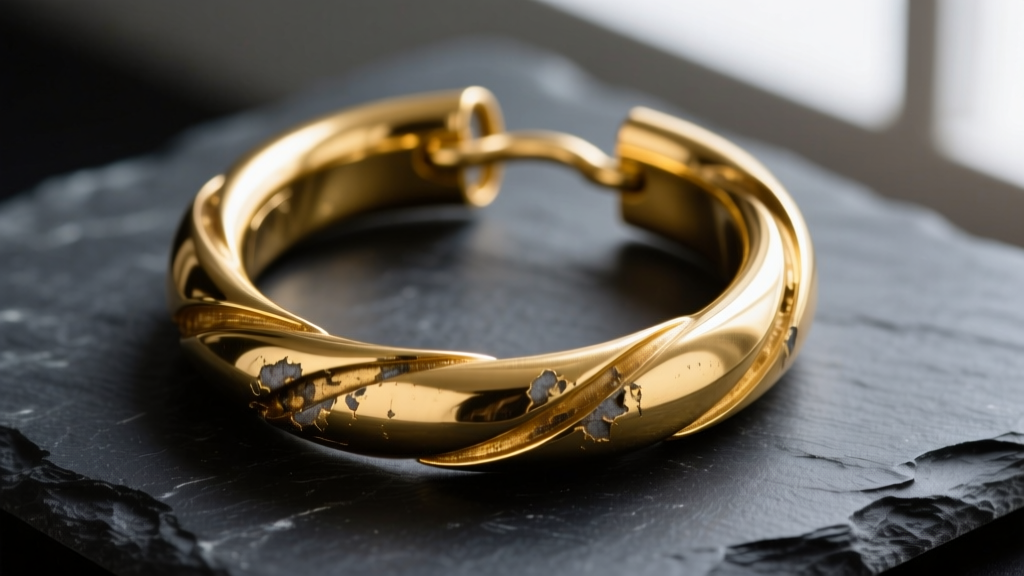
When navigating the jewelry market, understanding the material composition of gold costume earrings is critical for both longevity and skin health. Unlike solid 14k or 18k gold pieces, costume earrings rely on a base metal core that is subsequently coated with a microscopic layer of gold or gold-colored alloy. In 2026, the manufacturing landscape has evolved significantly, introducing advanced vacuum-coating techniques that blur the line between traditional costume jewelry and demi-fine alternatives. However, the fundamental rule remains: the durability, weight, and allergen profile of your earrings are dictated not by the surface color, but by the substrate beneath it.
According to the Federal Trade Commission Jewelry Guides, the terminology used to describe these surface treatments is strictly regulated. Yet, marketing jargon often obscures the actual metallurgical properties. To make informed purchasing decisions, we must deconstruct the base metals used in mass-market and boutique costume jewelry, analyze the plating technologies applied to them, and address the pervasive issue of contact dermatitis.
Base Metal Breakdown: What Lies Beneath the Gold
The structural integrity and weight of gold costume earrings depend entirely on the core alloy. Manufacturers select base metals based on cost, malleability, and how well they accept electroplating.
- Brass (Copper-Zinc Alloy): The industry standard for mid-tier costume earrings. Brass is relatively heavy, easily cast into intricate vintage-inspired designs, and accepts gold plating beautifully. However, when the plating wears away, the exposed copper reacts with sweat and oxygen to create copper chloride (verdigris), which leaves a harmless but unsightly green residue on the earlobe.
- Zinc Alloy (Pot Metal): Predominantly used in ultra-budget, fast-fashion earrings. Zinc alloy is brittle, prone to snapping under pressure, and difficult to plate evenly. More concerningly, unregulated zinc alloys frequently contain trace amounts of nickel, cadmium, or lead, posing severe allergy and toxicity risks.
- 316L Surgical Stainless Steel: Increasingly popular for modern, minimalist costume hoops and huggies. Steel is highly durable, hypoallergenic, and resistant to tarnish. Its primary drawback is that traditional electroplating adheres poorly to steel, requiring specialized strike layers or advanced PVD coating.
- Aluminum: The go-to metal for massive, oversized statement dangles and shoulder-dusters. Aluminum is featherlight, preventing earlobe stretching, but it is exceptionally soft. Earring posts made of aluminum are rare; instead, aluminum bodies are usually fitted with standard 20-gauge (0.8mm) or 18-gauge (1.0mm) brass or steel hooks.
Plating Technologies: Flash vs. Micron vs. PVD
The lifespan of gold costume earrings is measured in microns (µm). A single micron is one-thousandth of a millimeter. The Gemological Institute of America (GIA) and FTC outline specific thresholds for gold plating, but modern manufacturing has introduced new methodologies that vastly outperform traditional electroplating.
| Plating Type | Thickness | Base Metal Compatibility | Estimated Lifespan | Avg. Price Range |
|---|---|---|---|---|
| Flash / Wash Plating | < 0.175 µm | Zinc Alloy, Brass | 1 - 3 Months | $5 - $18 |
| Standard Gold Plated | 0.175 - 0.5 µm | Brass, Copper | 6 - 12 Months | $20 - $45 |
| Heavy Gold Electroplate | 1.0 - 2.5 µm | Brass, Sterling Silver | 1 - 3 Years | $40 - $85 |
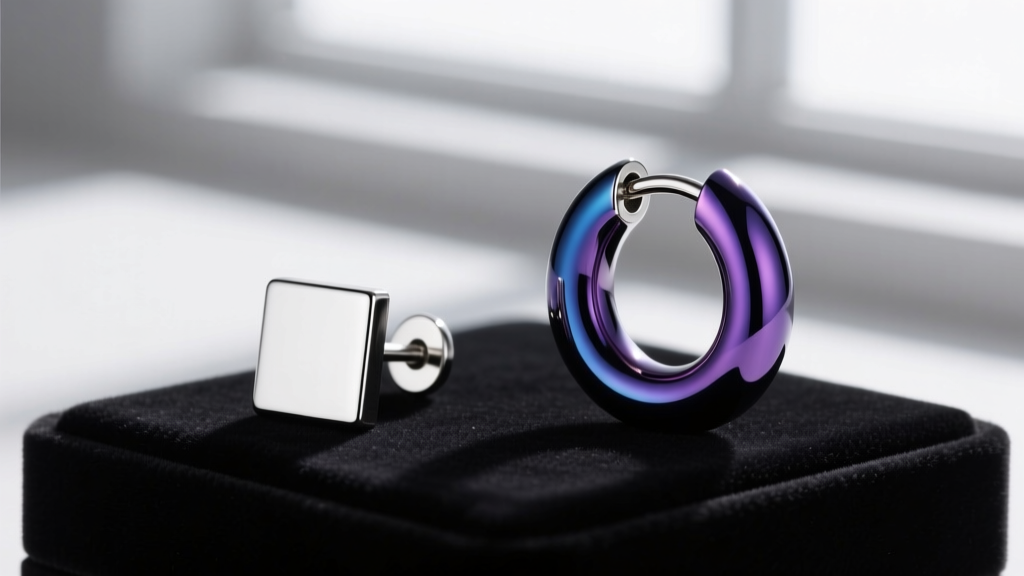
| PVD Coating (18k Color) | 0.5 - 1.5 µm (TiN) | 316L Steel, Titanium | 5+ Years | $35 - $75 |
The Rise of PVD Coating in Modern Costume Jewelry
Physical Vapor Deposition (PVD) has revolutionized the gold costume earrings market. Instead of using an electrical current to bond gold ions to a base metal (electroplating), PVD vaporizes titanium nitride in a vacuum chamber, allowing it to condense onto the jewelry at a molecular level. The result is a surface that is up to 10 times more resistant to friction, sweat, and UV degradation than traditional electroplated gold. While PVD coatings do not contain actual karat gold, they perfectly mimic the warm hue of 18k gold and are virtually impervious to the acidic pH levels found in human perspiration.
The Nickel Threat: Navigating Contact Dermatitis
The most significant risk associated with substandard gold costume earrings is nickel-induced contact dermatitis. Approximately 10% to 20% of the global population suffers from nickel sensitization, a condition extensively documented in Mayo Clinic's dermatological reports. When sweat penetrates micro-fractures in cheap flash plating, it leaches nickel salts from the underlying zinc or brass alloy directly into the skin, causing severe itching, blistering, and hyperpigmentation.
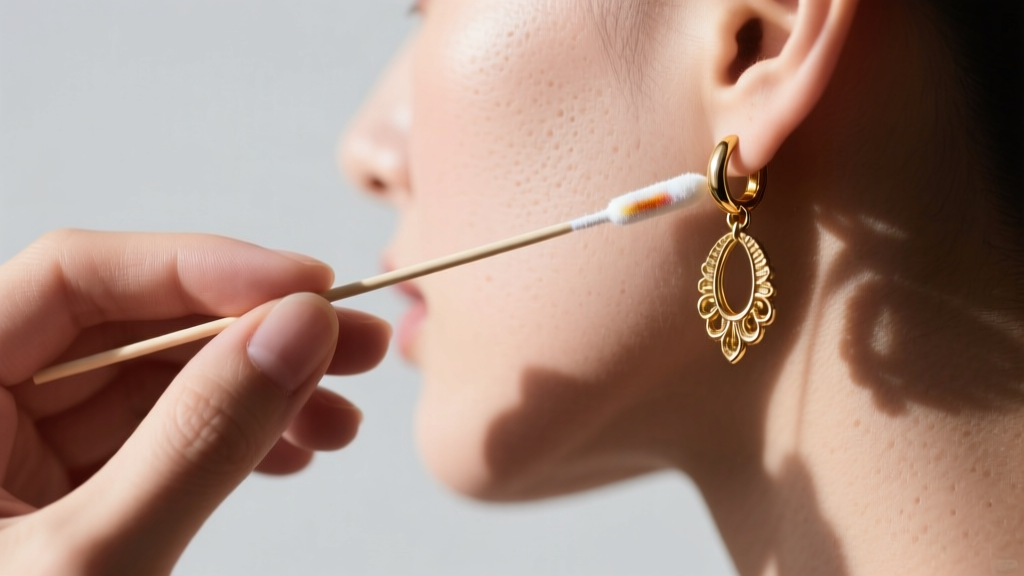
Actionable Troubleshooting: If you are purchasing vintage or unbranded costume earrings, never assume the gold surface is a reliable barrier. Invest in a Dimethylglyoxime (DMG) spot test kit. By swabbing the earring post and backing with the DMG solution, you can instantly detect free nickel. If the cotton swab turns pink within 60 seconds, the earring contains exposed nickel and should be avoided or coated with a medical-grade barrier resin before wear.
Care and Maintenance Protocol
Because the gold layer on costume earrings is finite, aggressive cleaning methods will strip the finish entirely. To maximize the lifespan of your pieces, adhere to the following maintenance framework:
- Avoid Ultrasonic Cleaners: The high-frequency cavitation bubbles generated by ultrasonic machines will physically blast microscopic gold particles off the base metal.
- Bypass Alcohol and Chlorine: Isopropyl alcohol and swimming pool chlorine degrade the binding agents used in standard electroplating. Always remove earrings before swimming or sanitizing.
- The Mild Soap Method: Use a few drops of pH-neutral dish soap and lukewarm water. Gently agitate with a baby-hair brush to remove sebum and dead skin cells from the earring backing and post crevices.
- Frictionless Storage: Store gold costume earrings individually in anti-tarnish cloth pouches. Tossing them into a communal jewelry box causes micro-scratches that accelerate plating wear.
Final Verdict: When to Buy Costume vs. Demi-Fine
Gold costume earrings are an excellent vehicle for experimenting with high-fashion silhouettes, oversized architectural shapes, and seasonal trends without the financial commitment of solid gold. If you are purchasing intricate, heavy statement pieces that will be worn sporadically, brass-based, heavy-electroplated costume jewelry offers the best aesthetic return on investment. However, for everyday wear—such as simple huggies, sleepers, or standard studs that endure constant friction and moisture—investing in PVD-coated stainless steel or transitioning to gold vermeil (demi-fine) is a vastly superior choice for both material longevity and dermatological safety.


