Gold Long Earrings in 2026: Karat & Material Guide
Compare 14k, 18k, and 22k gold long earrings. Learn about alloy properties, weight distribution, and durability for drop and dangle styles.

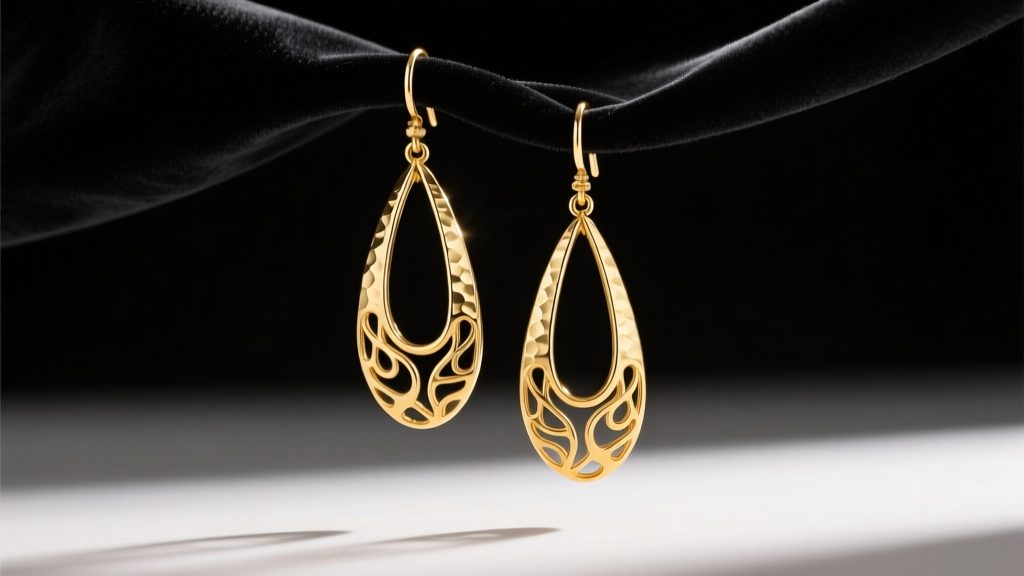
The Physics of Drape: Why Karat Matters for Long Silhouettes
When selecting gold long earrings, most buyers focus exclusively on the aesthetic drape, the face-framing qualities, or the carat weight of any inset gemstones. However, as a senior jewelry analyst, I can tell you that the metallurgical composition of the gold itself dictates not only the piece's longevity but also its structural viability. Unlike studs or huggies that sit flush against the earlobe, long earrings—encompassing drops, dangles, and chandeliers—act as physical levers. Every time you turn your head or walk, kinetic energy transfers down the shaft of the earring, placing disproportionate torque on the post, the clasp, and ultimately, your earlobe fistula.
In 2026, the trend toward elongated, shoulder-grazing silhouettes means that understanding the tensile strength and Vickers hardness of different gold alloys is no longer just for bench jewelers; it is essential for the informed consumer. Choosing the wrong karat for a specific structural design can result in bent wires, lost earrings, and even permanent lobe stretching.
14K vs. 18K vs. 22K: A Metallurgical Breakdown
Pure 24-karat gold is far too malleable for functional jewelry. To create durable gold long earrings, metallurgists alloy pure gold with metals like copper, silver, zinc, and palladium. This alters the color, but more importantly, it dramatically increases the tensile strength. Below is a comparative analysis of the most common karats used in elongated earring designs.
| Karat | Gold Purity | Primary Alloy Mix | Vickers Hardness (HV) | Structural Best Use | Avg. Price Premium |
|---|---|---|---|---|---|
| 10K | 41.7% | Copper, Zinc, Nickel | ~160 HV | Ultra-thin wire-wrapping, rigid geometric cages | Base |
| 14K | 58.3% | Silver, Copper, Zinc | ~140 HV | Standard 20g posts, french wires, medium-weight drops | +45% |
| 18K | 75.0% | Silver, Copper, Palladium | ~125 HV | Thicker 18g hooks, luxury statement dangles, cast pieces | +110% |
| 22K | 91.6% | Silver, Copper, Zinc | ~90 HV | Short, solid drops, hammered discs (requires reinforcement) | +180% |
14K Gold: The Structural Workhorse
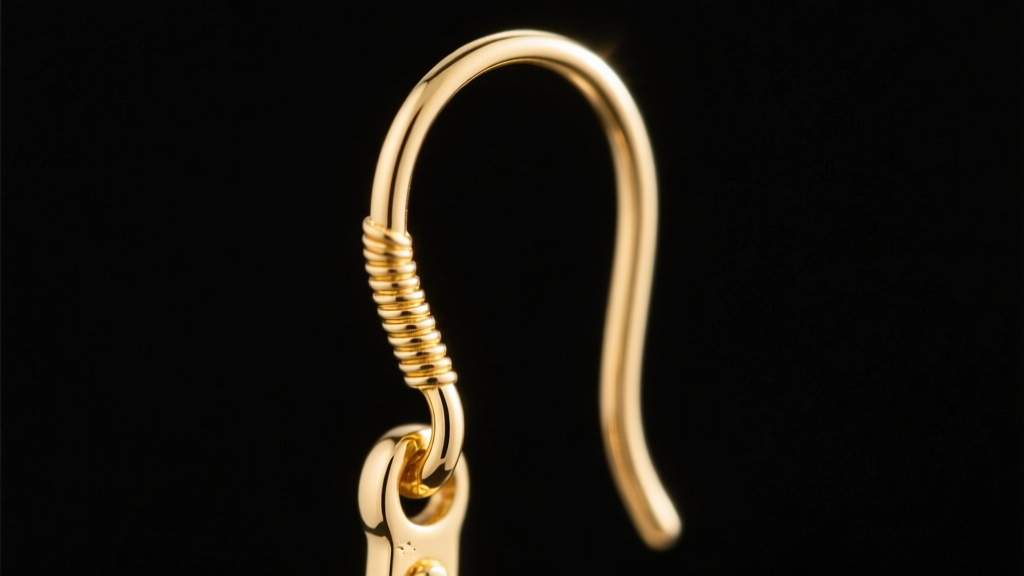
For gold long earrings that feature delicate chains, intricate filigree, or thin french wire hooks, 14-karat gold is the undisputed champion. Its higher alloy content provides a Vickers hardness that resists the slow, cumulative bending caused by daily wear. A 2.5-inch 14K gold drop earring suspended from a 20-gauge french wire will maintain its structural integrity for decades. According to the Gemological Institute of America (GIA), the specific ratio of copper to silver in 14K yellow gold not only dictates its slightly paler hue compared to 18K but also grants it superior resistance to stress-fracturing at solder joints, which are common failure points in multi-part dangle earrings.
18K Gold: The Luxury Standard
18-karat gold offers that rich, buttery yellow hue that high jewelry collectors covet. However, because it is softer, jewelers must compensate for the lower tensile strength when designing long silhouettes. If you are purchasing 18K gold long earrings, inspect the post or wire gauge. A reputable jeweler will use an 18-gauge or even 16-gauge wire for the ear-wire to prevent bending. Furthermore, 18K gold is highly susceptible to scratching at friction points, meaning the post of an 18K drop earring will show wear marks much faster than its 14K counterpart.
22K Gold: The High-Karat Challenge
22-karat gold is exceptionally soft and heavy. While it possesses a magnificent, deep orange-yellow glow, it is generally unsuitable for long, dangling earrings unless the design is heavily reinforced or features a rigid, short-drop architecture. If a designer uses 22K gold for a 3-inch chandelier earring, the sheer weight of the high-density metal combined with its low hardness will almost guarantee that the ear wire warps within weeks of wear.
Weight Distribution & Ear Lobe Health
The physics of long earrings introduce a significant variable: leverage. An earring that extends two inches below the earlobe acts as a second-class lever. The fulcrum is the bottom of your earlobe piercing, and the force is the weight of the earring pulling downward and forward.
"Prolonged wear of heavy, elongated earrings without proper support accelerates earlobe ptosis (sagging) and can permanently elongate the fistula, requiring surgical correction."
To mitigate the "cheese-cutter" effect—where a thin wire slowly slices through the earlobe tissue under the weight of a long drop—adhere to these actionable weight and gauge guidelines:
- Under 8 Grams: Safe for all-day wear on standard 20-gauge or 22-gauge wires. No additional support required.
- 8 to 14 Grams: Requires an 18-gauge post or thicker. For all-day wear, utilize silicone earring support discs (like Bling Guards) to distribute the weight across a wider surface area of the lobe.
- Over 15 Grams: These are statement pieces meant for limited wear (under 4 hours). Opt for omega-backs or lever-back closures that feature a wide, curved surface resting against the back of the ear, rather than a standard post and butterfly clutch.
Plated vs. Solid: The Vermeil and Gold-Filled Trap
As the demand for oversized, dramatic gold long earrings surges in 2026, the market is flooded with gold vermeil (sterling silver base) and gold-filled (brass base) alternatives. While these offer an accessible entry point, they present specific structural and dermatological risks for long styles.
The primary failure point for any earring is the friction zone where the post or wire passes through the earlobe. The natural oils, slight acidity, and constant micro-movements of the earlobe act as a mild abrasive. On gold long earrings, the pendulum motion amplifies this friction. Plated layers—often only 2.5 microns thick in standard vermeil—will wear away at the post within months, exposing the base metal. If the base is brass or copper-heavy, this exposure frequently triggers contact dermatitis or localized allergic reactions. For elongated silhouettes that you intend to wear regularly, investing in solid 14K or 18K gold is non-negotiable to ensure both structural longevity and skin health. The Federal Trade Commission Jewelry Guides strictly regulate these terms, so always verify the exact plating thickness and base metal before purchasing.

2026 Trend Spotlight: Textured and Kinetic Drops
This year, the World Gold Council has noted a massive shift toward "liquid metal" and kinetic articulation in high jewelry. Designers are creating gold long earrings featuring dozens of micro-hinges, allowing the metal to drape and flow like fabric. From a material science perspective, this is incredibly complex. The hinges must be hard enough to resist fusing or snapping under tension, yet the connecting links must remain supple. This has led to a resurgence of 14K gold for the structural "skeleton" of these kinetic pieces, sometimes plated with a microscopic layer of 24K gold to achieve the rich color of high-karat gold without sacrificing the mechanical integrity required for articulated movement.
Additionally, hammered and bark-textured finishes are dominating the long drop category. These textures are not merely aesthetic; the process of hammering work-hardens the gold, slightly increasing its surface durability and making it more resistant to the micro-scratches that plague high-polish, elongated surfaces.
Expert Buying Checklist for Gold Long Earrings
Before finalizing your purchase of gold long earrings, run through this metallurgical and structural checklist to ensure you are acquiring a piece built to last:
- Verify the Gauge: Ensure the ear wire or post is at least 18-gauge (1.0mm) for 18K gold, or 20-gauge (0.8mm) for 14K gold if the earring exceeds 1.5 inches in length.
- Check the Solder Joints: Inspect where the drop element connects to the ear wire. The solder should be smooth, flush, and free of pitting. Laser-welded joints are preferable for delicate 18K chains.
- Assess the Clasp Mechanism: For heavy drops, avoid standard friction backs (butterfly clutches). Look for screw-backs, secure lever-backs, or french wires with integrated silicone stoppers.
- Demand Hallmark Transparency: Ensure the piece is stamped (e.g., 585 for 14K, 750 for 18K) and that the retailer provides a clear breakdown of any alloying metals, especially if you have known nickel or copper sensitivities.
By prioritizing material properties alongside aesthetic design, you ensure that your gold long earrings remain a stunning, structurally sound staple in your jewelry wardrobe for years to come.


