The Green Earrings Song: Ultimate Green Gemstone Buying Guide
Inspired by the classic green earrings song? Discover our 2026 gemological buying guide for emerald, tsavorite, and peridot ear jewelry.

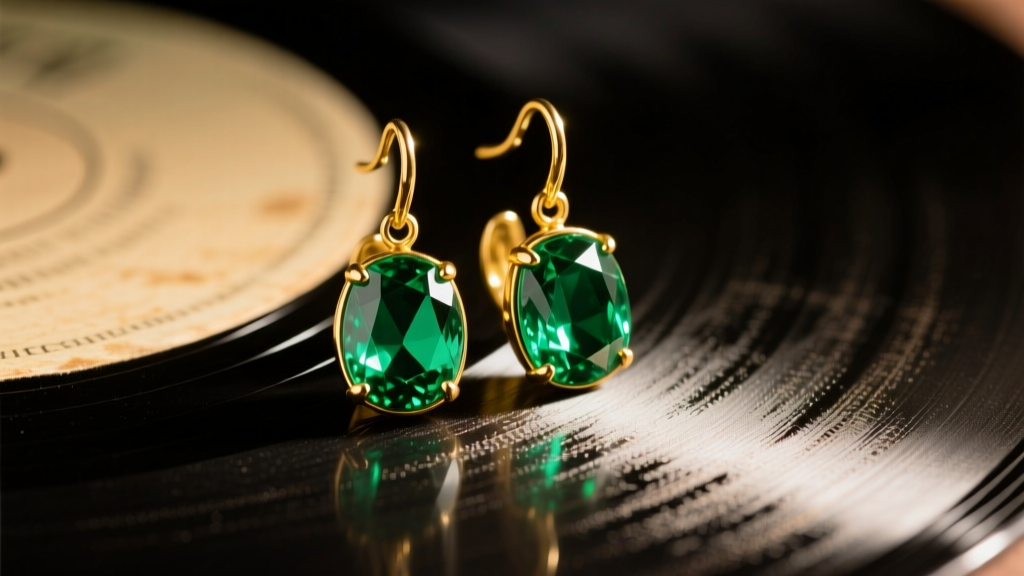
The Legacy of the Green Earrings Song
When Steely Dan released The Royal Scam in 1976, the track "Green Earrings" cemented a specific piece of jewelry into the cultural zeitgeist. The narrative of gifting green gemstone earrings as a romantic, albeit complicated, gesture has endured for decades. Today, the "green earrings song" remains a popular audio trend and a nostalgic touchstone for jewelry lovers seeking meaningful, vibrant ear adornments. However, buying green gemstone earrings in 2026 requires far more than just a romantic impulse; it demands a solid understanding of gemology, durability, and setting mechanics.
Green is one of the most diverse colors in the gemological spectrum, ranging from the deep, velvety forests of Colombian emeralds to the electric, neon limes of East African tsavorites. Whether you are buying a gift inspired by classic rock or simply investing in high-quality ear jewelry, this guide will break down exactly what to look for when navigating the market for green gemstone earrings.
Decoding Green Gemstones: A Comparative Guide
Not all green stones are created equal. Their hardness, refractive index, and treatment histories dictate how they should be cut, set, and worn. Below is a comparative breakdown of the four most popular green gemstones used in fine earrings today.
| Gemstone | Mohs Hardness | Refractive Index | Typical Treatments | 2026 Price Range (per ct) |
|---|---|---|---|---|
| Emerald | 7.5 - 8.0 | 1.577 - 1.583 | Cedar Oiling / Resin | $800 - $10,000+ |
| Tsavorite | 7.0 - 7.5 | 1.740 | None | $1,000 - $4,000 |
| Peridot | 6.5 - 7.0 | 1.654 - 1.690 | None | $50 - $300 |
| Chrysoprase | 6.5 - 7.0 | 1.530 - 1.540 | None (Dye is rare) | $20 - $100 |
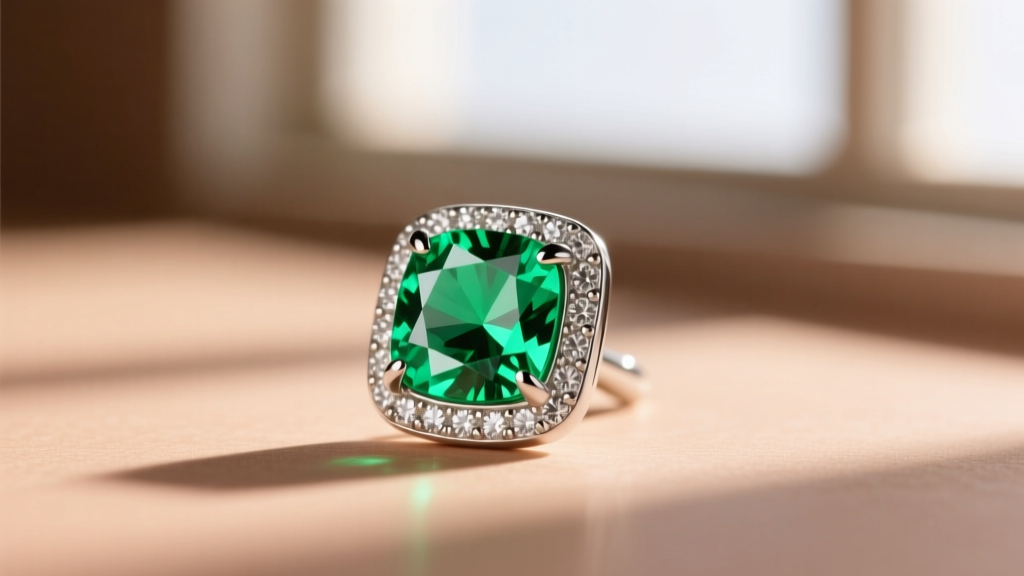
What to Look For: Clarity, Cut, and Treatments
Emeralds and the "Jardin"
According to the Gemological Institute of America (GIA), emeralds are classified as Type III gemstones, meaning they are almost always expected to have visible inclusions. These internal fractures and mineral deposits are affectionately called the jardin (French for garden). When buying emerald earrings, do not seek flawless stones; instead, look for inclusions that do not reach the surface or threaten the structural integrity of the stone. Because emeralds are brittle, they are routinely treated with cedar oil or synthetic resins to mask fractures. Always ask the jeweler for the level of enhancement (minor, moderate, or significant) as this drastically impacts the resale value and cleaning requirements. Never put oiled emerald earrings in an ultrasonic cleaner, as the vibrations and heat will strip the oil and leave the stone looking cloudy and fractured.
Tsavorite: The Untreated Marvel
If you want the deep green of an emerald without the maintenance, tsavorite garnet is the ultimate 2026 alternative. Tsavorite is a vanadium- and chromium-bearing grossular garnet that requires absolutely zero heat or chemical treatments to achieve its vivid, neon-green saturation. With a higher refractive index (1.74) than emerald, tsavorite exhibits superior brilliance and light return. When evaluating tsavorite studs or drops, prioritize color saturation over sheer carat weight. Stones over 2 carats are exceptionally rare and command premium prices, so many jewelers opt for precision-cut 1-carat stones that face up larger due to ideal pavilion angles.
Peridot: Double Refraction and Lily Pads
Peridot is one of the few gemstones that occurs in only one color: a distinct olive to yellow-green. Its defining gemological feature is strong double refraction (birefringence). If you look closely at the facet junctions of a peridot earring, you will see a "doubling" effect. High-quality peridot should be eye-clean, though you may spot characteristic "lily pad" inclusions—small, disc-like fractures that resemble lily pads. Because peridot is highly affordable, buyers should insist on excellent, symmetrical cuts that maximize its unique yellow-green sparkle.
Metal Pairings and Setting Security
The metal you choose will fundamentally alter the perception of the green gemstone. Furthermore, the setting style must accommodate the specific durability of the stone.
- 18k Yellow Gold: Enhances the warm, grassy tones of peridot and chrysoprase. It also provides a vintage, nostalgic contrast to emeralds, leaning heavily into the aesthetic of the classic green earrings song era.
- Platinum / 18k White Gold: The cool, icy tones of white metals amplify the electric, neon qualities of tsavorite and the cool, blue-green undertones of high-grade Colombian emeralds.
- Bezel Settings: Mandatory for emerald drops or dangles. Emeralds have distinct cleavage planes and brittle corners; a full or half-bezel of metal protects the girdle from chipping against doorframes or desks.
- Prong Settings: Ideal for tsavorite and peridot. A classic four-prong or six-prong setting allows maximum light entry, showcasing the high refractive index of these durable stones.
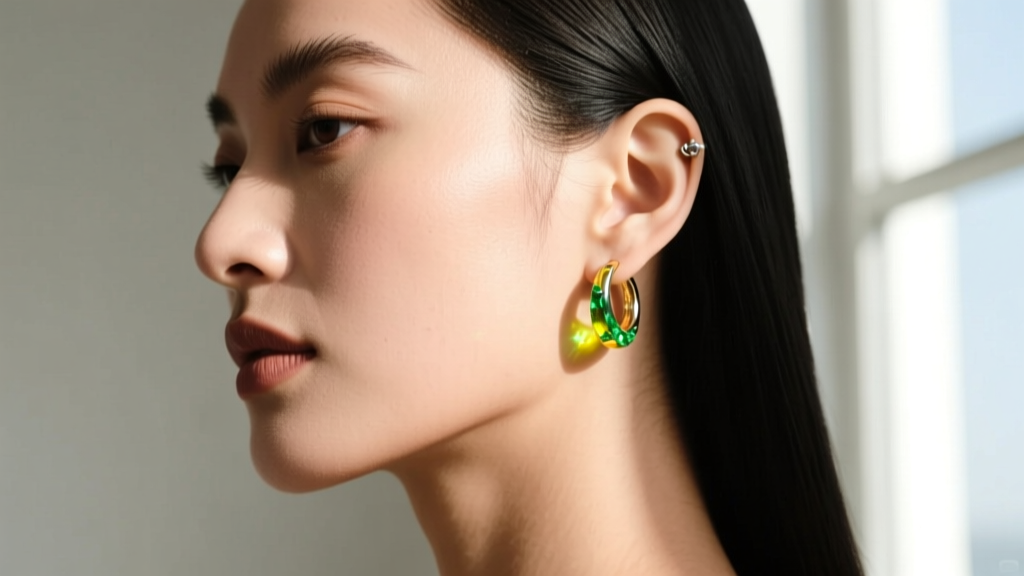
Earring Mechanics: Gauges, Weight, and Backs
A common mistake when buying fine gemstone earrings is ignoring the structural mechanics of the ear piercing. A pair of 3-carat emerald drops set in solid 18k gold can easily weigh over 8 grams. Standard ear piercings are done at 20-gauge (0.81mm) or 18-gauge (1.02mm). If you hang heavy stones on a thin 20-gauge wire, the earring will droop, the post will bend, and over time, it can cause permanent lobe tearing or migration.
For heavy green gemstone drops, insist on an 18-gauge or even 16-gauge (1.29mm) post. Additionally, upgrade the earring backs. Standard friction backs (butterfly backs) are insufficient for heavy jewelry. Look for la pousette backs (which feature a secure, spring-loaded locking mechanism), screw-backs, or omega-backs that clip onto the ear lobe to distribute the weight across a wider surface area. For cartilage piercings (like the helix or conch), keep green gemstone studs under 2 grams to prevent irritation and rejection during the healing process.
Face Shape Pairings for Green Gems
The cut of your green gemstone should complement your facial geometry:
- Round Faces: Opt for angular cuts like emerald-cut tsavorites or pear-shaped peridot drops. The sharp lines elongate the face and draw the eye downward.
- Square Faces: Soften a strong jawline with curved silhouettes. Chrysoprase cabochon hoops or oval-shaped emerald studs provide a beautiful, softening contrast.
- Heart-Shaped Faces: Balance a narrower chin with bottom-heavy designs, such as chandelier earrings featuring cascading green garnets.
Final Verdict: Gifting the "Green Earrings"
Whether you are motivated by the romantic narrative of the green earrings song or simply have a penchant for verdant gemstones, buying green ear jewelry is an investment in both geology and artistry. Always demand a gemological report for emeralds and tsavorites over 1 carat, verify the treatment disclosures, and ensure the earring mechanics are built to support the weight of the stones. By prioritizing structural integrity and optical brilliance, your green earrings will remain a timeless, wearable legacy for decades to come.
"The key to buying colored gemstones is to prioritize color saturation and cut quality over sheer carat weight. A well-cut 1-carat tsavorite will outshine a poorly cut 2-carat stone every time." — 2026 Jewel Style Radar Gemological Report


