How to Choose and Clean Amethyst Earrings Gold Settings
Learn how to select, authenticate, and safely clean amethyst earrings gold settings with our expert step-by-step gemological guide.

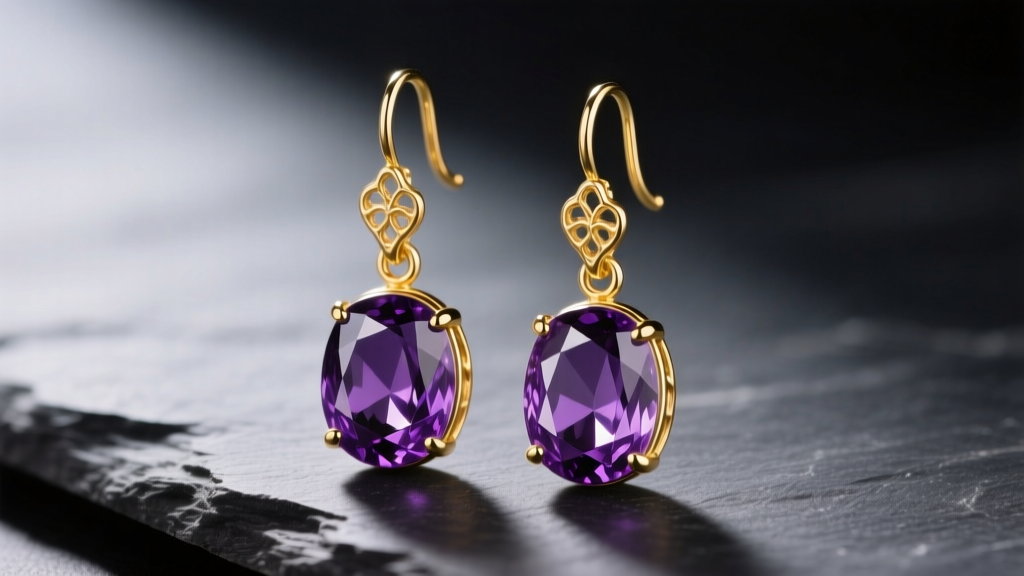
Pairing the regal, violet hues of amethyst with the warm luster of gold creates a timeless jewelry staple. However, navigating the market for amethyst earrings gold settings requires more than just an eye for aesthetics. As a macrocrystalline quartz variety, amethyst possesses unique gemological properties, and gold alloys behave differently depending on their karat weight and alloy composition. Whether you are investing in heirloom-quality 18k gold drops or everyday 14k gold huggies, understanding the intersection of gemstone durability and metallurgical science is crucial. This comprehensive, step-by-step guide will walk you through evaluating, authenticating, and maintaining your precious ear adornments to ensure they last a lifetime.
Step 1: Evaluate the Amethyst Gemstone Quality
The first step in selecting high-quality amethyst earrings is understanding how the gemstone is graded. Amethyst ranks at a 7 on the Mohs scale of hardness. While this makes it durable enough for daily wear in earrings (which suffer fewer impacts than rings), it is still susceptible to scratching if stored improperly alongside diamonds or sapphires.
Color Grading and Saturation
Color is the single most important value factor for amethyst. The market generally categorizes amethyst into three distinct color tiers:
- Siberian Purple: The most coveted and expensive grade. These stones feature a deep, vivid purple primary color with secondary flashes of red and blue under incandescent lighting.
- Uruguayan / Deep Purple: Highly saturated, dark purple stones that lack the distinct red/blue secondary flashes of Siberian stones but offer excellent depth and richness.
- Rose de France: A pale, pastel lilac or lavender shade. While beautiful and highly fashionable, these are significantly more abundant and therefore command a much lower price per carat.
When inspecting amethyst earrings, look for 'eye-clean' clarity. Amethyst typically forms with high transparency, so visible inclusions (like tiger stripe fractures or liquid veils) will drastically reduce the stone's structural integrity and value. According to the Gemological Institute of America (GIA), top-tier amethyst should have strong color saturation without being so dark that it appears black in low light.
Step 2: Choose the Ideal Gold Karat and Setting
Gold in its purest form (24k) is far too malleable to securely hold a gemstone. Therefore, jewelers alloy pure gold with metals like copper, silver, and zinc to increase tensile strength. The karat weight you choose for your amethyst earrings dictates both the aesthetic warmth of the metal and the security of the setting.
| Gold Karat | Gold Purity | Best Setting Type | Durability Profile |
|---|---|---|---|
| 18k Yellow Gold | 75.0% | Bezel or Flush | Softer; rich color but prone to scratching. Prongs may bend over time. |
| 14k Yellow Gold | 58.5% | Prong or Channel | Excellent tensile strength. Ideal for securing amethyst in high-impact designs. |
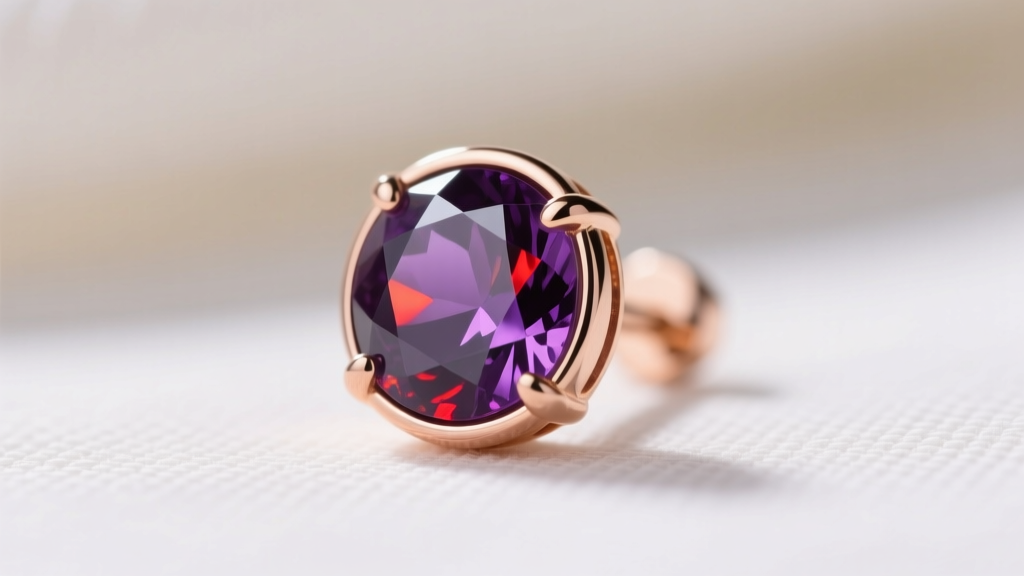
| 14k Rose Gold | 58.5% | Prong or Bezel | High copper content increases durability and complements lighter 'Rose de France' amethyst. |
| Gold Vermeil | N/A (Plated) | Bezel Only | Sterling silver base with 2.5+ microns of gold. Avoid for prong settings due to wear risks. |
Expert Tip: If you are purchasing amethyst dangle earrings that will swing and catch on clothing, insist on 14k gold prongs. The higher alloy content provides the 'spring' needed to keep the prongs tight against the gemstone's girdle, preventing accidental loss.
Step 3: Verify Hallmarks and Authenticity
Counterfeit jewelry is a persistent issue in the online marketplace. Authenticating the gold setting is just as critical as verifying the gemstone. The Federal Trade Commission (FTC) strictly regulates gold hallmarking in the United States, requiring accurate stamps that reflect the karat purity.
What to Look For Under a Jeweler's Loupe
- The Karat Stamp: Look for '14K', '585', '18K', or '750' stamped on the earring post or the inside of a huggie hoop.
- The Maker's Mark: Authentic fine jewelry will also feature a registered maker's mark or trademark alongside the karat stamp.
- Magnetic Testing: Pure gold and standard gold alloys are diamagnetic (non-magnetic). If your 'gold' earrings are attracted to a strong neodymium magnet, the base metal is likely steel or iron, indicating heavy gold plating or a complete fake.
Be highly skeptical of listings that use terms like 'gold tone,' 'gold filled,' or 'gold electroplate' if you are seeking solid gold longevity. While gold vermeil is acceptable for occasional wear, the friction of earring backs and posts will quickly wear away thin plating, exposing the base metal and potentially causing contact dermatitis.
Step 4: Proper Cleaning and Heat Avoidance
Amethyst requires specific care protocols that differ vastly from diamonds or sapphires. The most critical vulnerability of amethyst is its heat sensitivity. Prolonged exposure to high temperatures or intense, direct UV light can alter the crystal lattice's color centers, causing the vibrant purple to fade or permanently shift to a dull yellowish-brown.
The Safe Cleaning Protocol
Follow this exact step-by-step process to clean your amethyst and gold earrings without risking structural or cosmetic damage:
- Prepare a Lukewarm Bath: Mix a few drops of mild, phosphate-free dish soap into a bowl of lukewarm (never hot) distilled water.
- Soak Briefly: Submerge the earrings for 5 to 10 minutes to loosen skin oils, hairspray, and cosmetic residue.
- Agitate Gently: Use a brand-new, ultra-soft baby toothbrush to gently sweep behind the amethyst pavilion (the bottom of the stone) where grime accumulates and blocks light return.
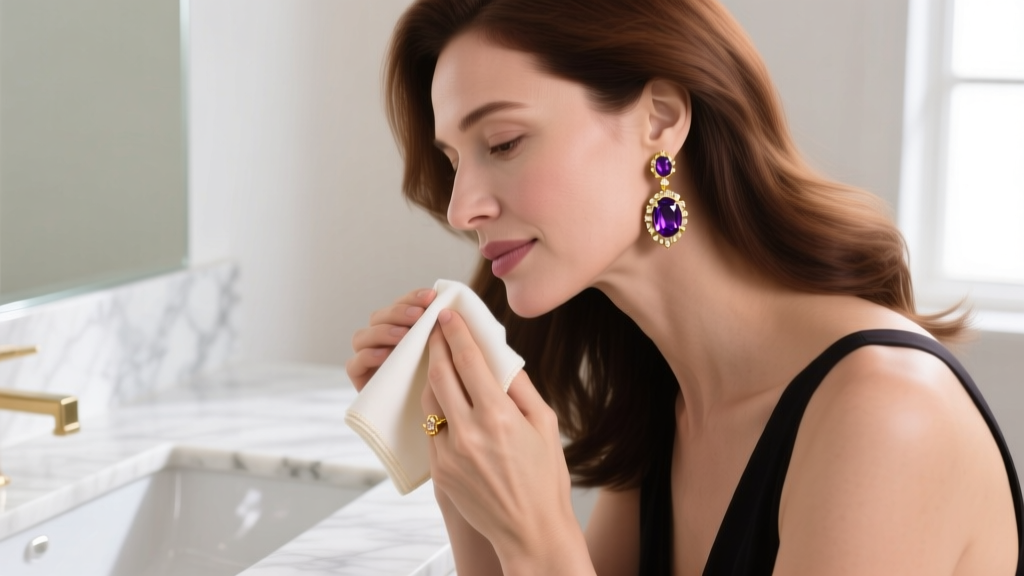
- Rinse and Dry: Rinse under a gentle stream of cool water. Pat dry with a lint-free microfiber cloth. Never use paper towels, as the wood fibers can cause micro-scratches on the gold alloy.
Critical Failure Modes to Avoid
- NO Steam Cleaners: The sudden thermal shock and high heat of a jewelry steam cleaner can instantly fracture an amethyst or bleach its color.
- NO Ultrasonic Cleaners (with caveats): While solid, untreated amethyst can usually survive ultrasonic vibrations, many commercial amethysts are fracture-filled with clear resin to improve clarity. Ultrasonic waves will shatter resin-filled stones.
- Improper Storage: Never toss amethyst earrings into a communal jewelry box. Diamonds (Mohs 10) and corundum (Mohs 9) will easily scratch the amethyst's polished surface and the gold setting.
Amethyst Grade and Pricing Guide (2026 Market Estimates)
Understanding current market valuations helps you avoid overpaying for lower-grade stones. The table below outlines estimated retail pricing for standard 14k gold amethyst stud earrings based on gemstone quality.
| Amethyst Grade | Color Profile | Avg. Price per Carat (Loose) | Est. Retail for 4ct Total Weight (14k Gold Studs) |
|---|---|---|---|
| Commercial | Light, uneven lavender | $2 - $5 | $150 - $250 |
| Medium / Uruguayan | Medium-dark, even purple | $8 - $15 | $300 - $450 |
| Fine / Siberian | Deep purple, red/blue flash | $20 - $40+ | $600 - $1,200+ |
By systematically evaluating the gemstone's color saturation, matching it with the correct gold karat and setting style, and adhering to strict, heat-free cleaning protocols, you can ensure your amethyst earrings remain a vibrant, secure, and elegant fixture in your jewelry collection for decades to come.


