Sadie Green Earrings: The Ultimate Beginner Guide
Discover how to style, wear, and care for Sadie Green earrings. Our beginner guide covers clay materials, hypoallergenic hardware, and face shapes.

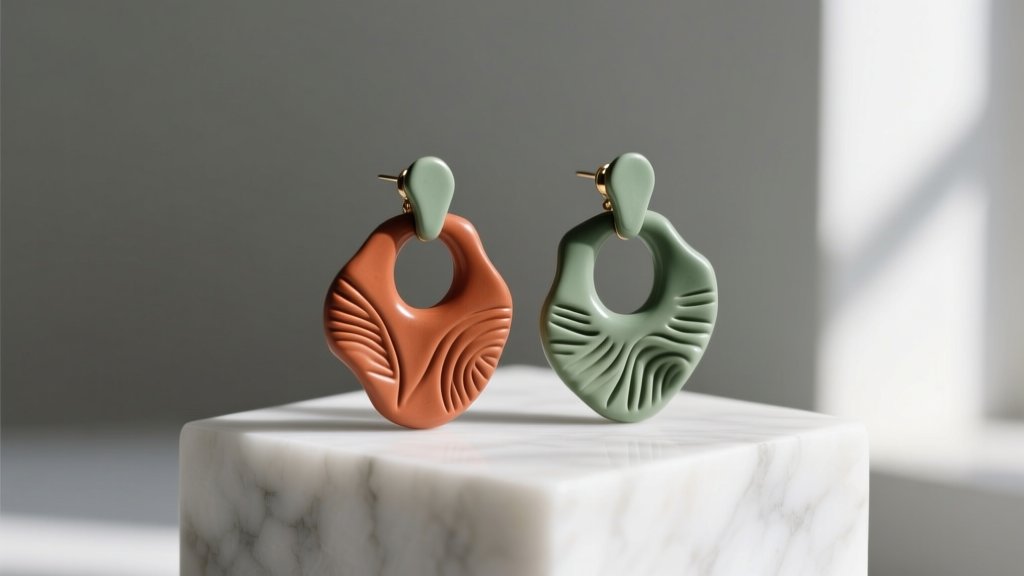
Welcome to the vibrant world of handmade statement jewelry. If you have been browsing boutique markets or curating your social media feeds, you have likely encountered the bold, lightweight appeal of Sadie Green earrings. Known for their intricate polymer clay designs, mixed-media textures, and eye-catching geometric silhouettes, these pieces represent a massive shift away from heavy, mass-produced metal jewelry. However, transitioning from simple metal studs to oversized, handmade clay statement pieces requires a basic understanding of material science, hardware specifications, and facial proportions. This beginner-friendly explainer will decode everything you need to know about selecting, styling, and maintaining your favorite handmade ear aesthetics.
The Anatomy of Handmade Statement Jewelry
Unlike traditional fine jewelry that relies on the intrinsic value of precious metals and gemstones, the Sadie Green earring aesthetic is rooted in architectural design and material manipulation. The primary medium is professional-grade polymer clay—a PVC-based modeling material that cures into a durable, lightweight plastic. High-end makers utilize premium brands like Sculpey Premo or Fimo Professional, which require precise temperature curing (typically around 275°F or 135°C) to ensure the plasticizers remain intact. When cured correctly, the clay is slightly flexible, making it highly resistant to the shattering that plagues ceramic or glass earrings.
According to expert guidelines from Sculpey, the baking process is critical; under-baked clay will be brittle and snap under the weight of its own hardware, while over-baked clay can scorch and lose its structural integrity. When you invest in quality handmade earrings, you are paying for this meticulous curing process and the artisan's ability to layer, carve, and sand the clay into seamless, lightweight geometric forms.
Material Breakdown: Clay vs. Resin vs. Acetate
While polymer clay is the star of the Sadie Green style, beginners should understand how it compares to other popular statement earring materials. Below is a structural comparison to help you choose the right weight and finish for your lifestyle.
| Material | Weight Profile | Durability & Failure Modes | Finish & Texture |
|---|---|---|---|
| Polymer Clay | Ultra-Light (2-5g per pair) | Flexible; snaps if bent repeatedly at the post joint | Matte, satin, or hand-painted |
| UV Resin | Medium-Heavy (8-15g per pair) | Highly durable, shatter-resistant; can yellow over time | Glossy, glass-like, transparent |
| Cellulose Acetate | Light-Medium (5-8g per pair) | Stiff and strong; prone to surface scratching | High-gloss, marbled patterns |
Hardware Specifications and Lobe Health
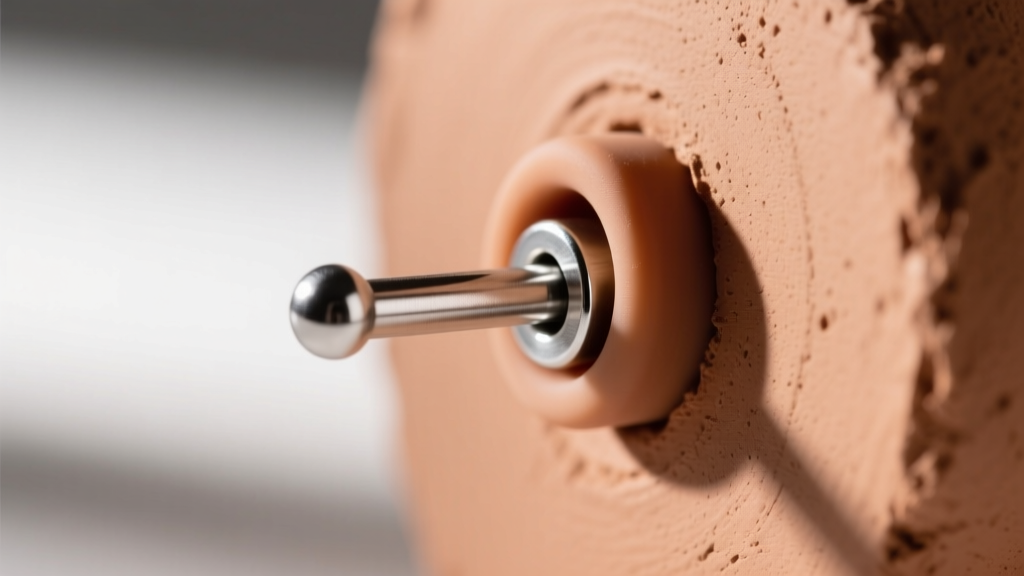
The most critical, yet frequently overlooked, component of any statement earring is the hardware. Because Sadie Green earrings feature larger surface areas, the post and backing must distribute weight evenly to prevent lobe fatigue and stretching. Standard earlobe piercings are typically 20-gauge (0.81mm) or 18-gauge (1.02mm). Handmade clay earrings almost exclusively use 20-gauge wire to keep the overall weight down, but this thinner wire requires careful handling to avoid bending.
Navigating Metal Allergies
If you have sensitive ears, the metal composition of the earring post is non-negotiable. Many mass-produced fashion earrings use "surgical steel," which often contains nickel and can trigger severe contact dermatitis. The American Academy of Dermatology notes that nickel allergy is one of the most common causes of allergic contact dermatitis. Premium handmade makers bypass this by using ASTM F-136 implant-grade titanium or pure niobium posts. Titanium is biologically inert, meaning your body will not react to it, while niobium is a highly unreactive transition metal that can be anodized into various colors without using irritating plating chemicals. Always verify the post material before purchasing, especially for heavier statement pieces that will sit flush against your skin for hours.
Styling Sadie Green Earrings for Your Face Shape
Statement earrings are not just accessories; they are architectural extensions of your face. The bold, oversized silhouettes typical of the Sadie Green aesthetic can dramatically alter your perceived facial proportions. Here is a practical decision framework for matching clay earring shapes to your specific bone structure:
- Round Faces: Your goal is to create vertical length and introduce sharp angles. Avoid circular hoops or wide, short clay studs. Instead, opt for elongated geometric drops, angular terrazzo arches, or long, linear clay tassels that draw the eye downward and elongate the jawline.
- Square Faces: Characterized by a strong, angular jawline and a broad forehead. To soften these features, choose earrings with curved edges, organic teardrop shapes, or fluid, asymmetrical resin and clay combinations. Avoid boxy or harsh geometric squares that mimic your jawline.
- Oval Faces: The universal donor of face shapes. Your balanced proportions mean you can pull off almost any silhouette, from oversized, earlobe-hugging clay shields to dramatic, shoulder-grazing chandeliers. Experiment with extreme asymmetry and bold, avant-garde shapes.
- Heart Faces: With a wider forehead and a narrow, pointed chin, you want to add visual weight to the lower half of your face. Bottom-heavy designs, wide geometric bases, and inverted triangle silhouettes will beautifully balance your natural proportions.
A Beginner's Maintenance and Storage Routine
Polymer clay is remarkably durable, but it is not invincible. Because it is essentially a cured plastic, it is susceptible to chemical degradation and physical warping if stored improperly. Adopting a strict maintenance routine will ensure your statement pieces remain vibrant and structurally sound for years.
Cleaning Protocols
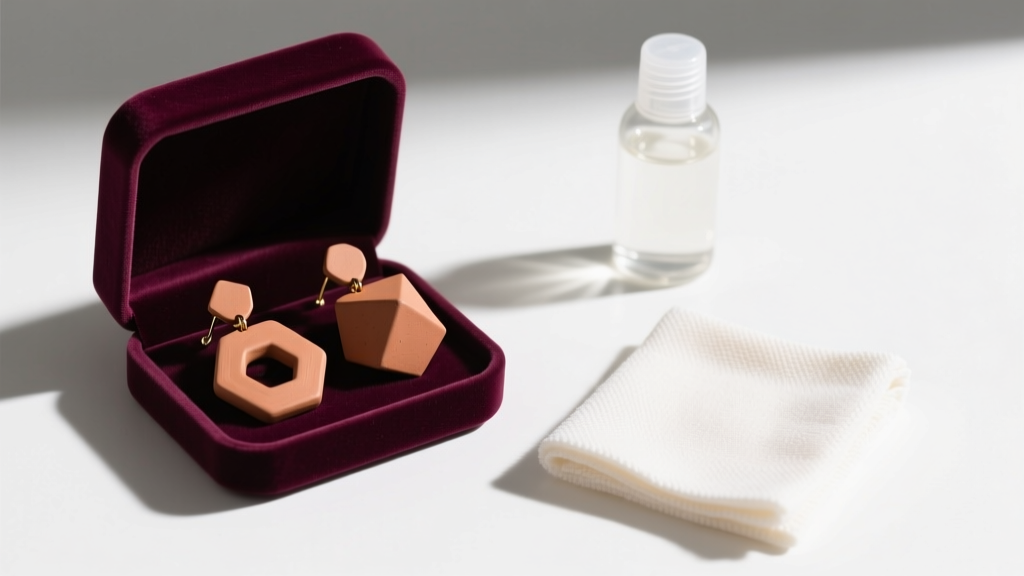
Never use rubbing alcohol, hand sanitizer, acetone, or harsh jewelry dips on polymer clay. These solvents strip the plasticizers from the PVC, leaving the clay chalky, brittle, and prone to micro-fractures. Instead, clean your earrings using a slightly damp microfiber cloth with a tiny drop of mild, unscented Castile soap. Gently wipe the surface to remove skin oils and makeup residue, then dry immediately with a soft towel. For textured or carved clay where dust accumulates, use a clean, dry makeup brush to gently sweep out the crevices.
Proper Storage to Prevent Warping
Gravity is the enemy of 20-gauge earring posts. If you hang heavy clay statement earrings on a standard wire jewelry tree, the constant downward pull will slowly bend the thin metal post over a few months, eventually causing it to snap or sit crookedly in your ear. Always store your Sadie Green earrings flat in a velvet-lined jewelry box with individual compartments. Furthermore, keep them out of direct, prolonged sunlight; while high-quality pigments are relatively stable, months of intense UV exposure can cause certain organic reds and yellows to fade or shift in tone. Finally, apply your hairspray, perfumes, and makeup before putting your earrings on to prevent chemical buildup on the clay's porous surface.
Final Thoughts on the Handmade Transition
Transitioning to handmade statement jewelry is an exciting way to elevate your personal style and support independent artisans. By understanding the material science of polymer clay, insisting on hypoallergenic titanium or niobium hardware, and styling with intention, you can confidently wear bold, oversized designs without sacrificing comfort or lobe health. Treat your pieces with the care they deserve, and they will remain a vibrant staple in your wardrobe for years to come.


