A Beginner's Guide to Earring Settings for Loose Stones
Learn how to choose the best earring settings for loose stones. Our beginner guide covers prong, bezel, and cup options for secure custom jewelry.

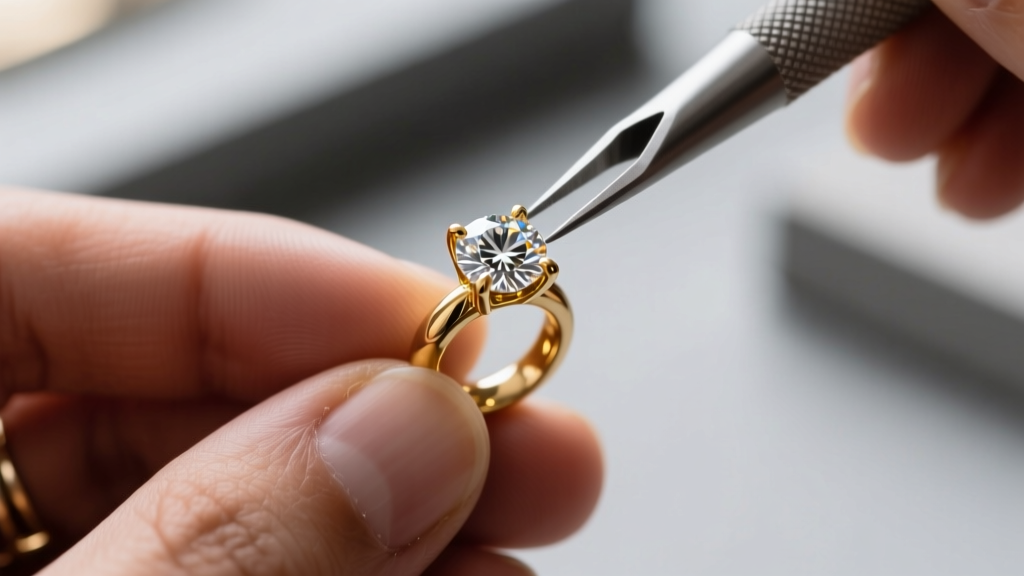
Entering the world of custom jewelry is one of the most rewarding hobbies you can pursue, and starting with earrings is the perfect entry point. Whether you have inherited a pair of loose gemstones, purchased lab-grown diamonds to save on retail markups, or simply want to design a piece that reflects your personal style, understanding earring settings for loose stones is essential. In 2026, the rise of direct-to-consumer gemstone markets has made it easier than ever to source high-quality loose stones and pair them with semi-mount findings. However, selecting the wrong setting can lead to lost stones, bent posts, or aesthetic mismatches.
This beginner-friendly explainer will demystify the technical aspects of earring findings, from metal grades and gauge sizes to the structural differences between prong, bezel, and cup settings. By the end of this guide, you will have the practical knowledge needed to securely set your stones and create professional-grade custom earrings.
Why Choose Custom Earring Settings for Loose Stones?
Buying pre-set earrings from a retail jeweler often includes a 100% to 300% markup on the metal and labor. By sourcing loose stones and purchasing earring settings separately, you gain total control over the final product. This approach is particularly advantageous for:
- Upcycling and Repurposing: Removing stones from outdated, damaged, or single broken earrings and giving them new life in modern settings.
- Cost Efficiency: Pairing affordable lab-grown sapphires or moissanite with high-quality 14k or 18k gold settings without paying luxury brand premiums.
- Exact Customization: Matching the exact millimeter dimensions of your stone to a precision-cast setting, ensuring a flush, secure fit.
The Big Three: Prong, Bezel, and Cup Settings
The architecture of your setting dictates both the security of the stone and the amount of light that can enter it. According to the Gemological Institute of America (GIA), the setting style must complement the stone's cut, hardness, and intended wear environment.
Prong Settings: Maximum Light, Classic Appeal
Prong settings use small metal claws to grip the girdle (the widest edge) of a faceted stone. They are the most popular choice for diamonds and transparent gemstones because they allow maximum light return.
- Martini Settings: Feature a V-shaped profile with three or four prongs that taper down to the post. They are lightweight and sit low on the earlobe, making them ideal for everyday wear. However, the narrow base can cause heavier stones to droop.
- Basket Settings: Incorporate a horizontal gallery (a metal ring connecting the prongs near the base). This adds significant structural integrity and prevents the prongs from spreading apart under pressure, making them the best choice for stones over 1.00 carat.
Bezel Settings: Ultimate Security for Active Lifestyles
A bezel setting surrounds the entire circumference of the stone with a thin rim of metal. This is the most secure setting type, protecting the girdle from chipping and preventing the stone from snagging on clothing.
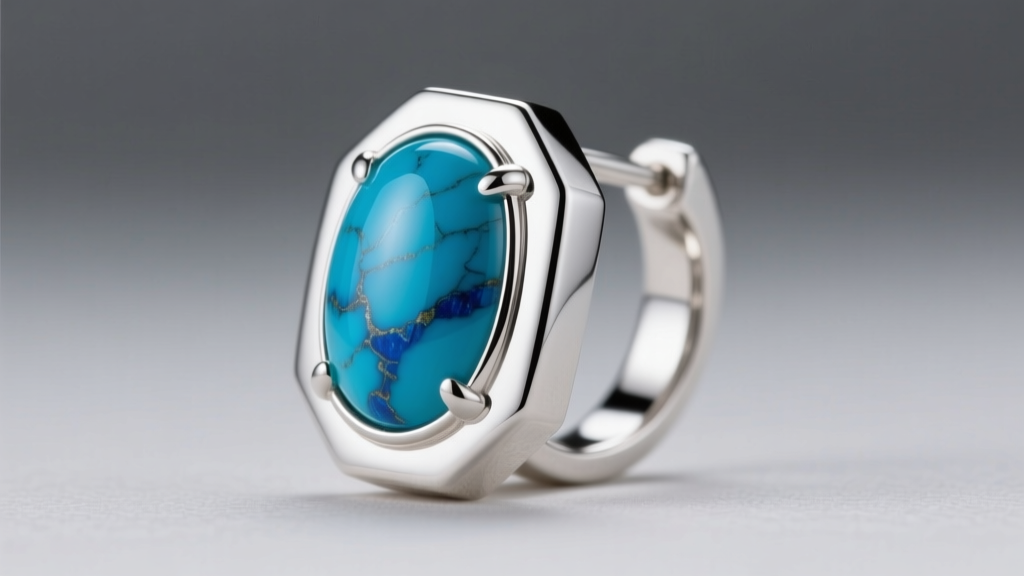
For beginners, snap-in bezels (also known as tension bezels) are a revelation. These findings have a slightly flexible metal wall with an interior groove. You simply press the stone into the setting, and the metal snaps over the girdle, requiring no specialized pushing or burnishing tools. Traditional push bezels, on the other hand, require a jeweler's pusher tool and a burnisher to fold the metal over the stone, which carries a steeper learning curve.
Cup and Pad Settings: For Cabochons and Pearls
Not all stones are faceted. Cabochons (smooth, domed stones like turquoise or opal) and pearls require entirely different findings.
- Cup Settings: Feature a shallow metal bowl that perfectly matches the millimeter diameter of a calibrated cabochon. The stone is secured using a jeweler's two-part epoxy.
- Peg Settings: Designed exclusively for pearls. The setting features a metal post (the peg) that is glued into a hole drilled into the bottom of the pearl. Standard peg diameters are 0.7mm to 0.9mm, requiring your pearl to be drilled to match.
Matching Stone Shapes to Setting Types
Using the correct prong count and setting shape is critical for both aesthetics and security. A square stone placed in a round setting will leave visible gaps, while a round stone in a square setting will only be held at the corners, risking rotation and eventual loss. Below is a decision framework for pairing stones with findings.
| Stone Shape | Recommended Setting | Prong Count | Security Level |
|---|---|---|---|
| Round Brilliant | Martini or Basket | 3, 4, or 6 | High (6-prong is highest) |
| Princess / Square | Square Basket | 4 (V-prongs at corners) | Medium-High (Corners are vulnerable) |
| Oval / Marquise | Custom Head or Basket | 4 or 6 | Medium (Requires precise alignment) |
| Emerald Cut | Rectangular Bezel | N/A | Very High |
| Pearl (Round) | Cup with Peg | N/A (Epoxy) | High (If drilled and glued properly) |
Material Grades and Post Gauges: The Technical Details
The metal you choose for your earring settings for loose stones dictates the longevity of the prongs and the comfort of the wearer. When browsing catalogs like the Rio Grande jewelry supply catalog, you will encounter several metal options.
Metal Hardness and Prong Durability
14k Gold (58.5% pure gold): This is the industry standard for prong settings. The alloy metals (copper, zinc, silver) provide excellent tensile strength, meaning the prongs will hold their shape and resist bending when snagged.
18k Gold (75% pure gold): Offers a richer, warmer color but is noticeably softer. Prongs made of 18k gold require more frequent maintenance and tightening, as they are prone to lifting away from the stone over time.
Sterling Silver (92.5% pure silver): Highly affordable but generally too soft for valuable faceted stones. Silver prongs can easily bend open, leading to stone loss. Reserve silver settings for semi-precious stones or costume jewelry.
Platinum: The ultimate choice for security. Platinum is dense and malleable; rather than snapping or wearing away, it displaces. It holds diamonds more securely than any other metal, though it comes at a premium price point.
Understanding Earring Post Gauges
The 'gauge' refers to the thickness of the metal post that passes through the earlobe. Choosing the wrong gauge can cause discomfort or fail to support the weight of the setting.
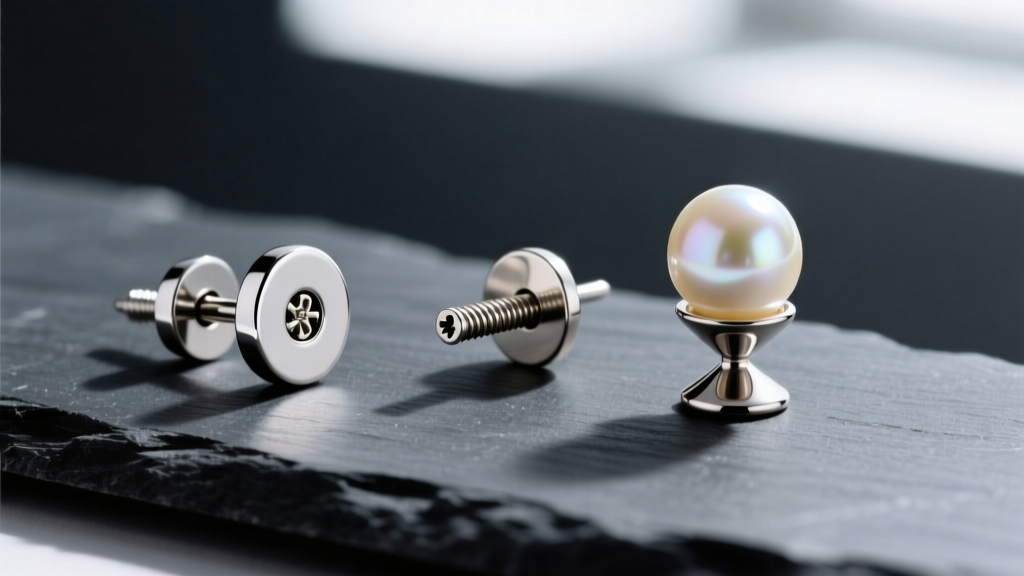
- 22-Gauge (0.64mm): Very thin. Rarely used for loose stone settings as it will bend under the weight of anything larger than a 3mm stone.
- 20-Gauge (0.81mm): The universal standard for standard lobe piercings and lightweight stud settings (up to 0.50 carats).
- 18-Gauge (1.02mm): Thicker and more rigid. Essential for heavy stones (1.00 carat and above) or large basket settings to prevent the earring from drooping forward on the earlobe.
Common Beginner Mistakes and Failure Modes
Setting stones at home requires patience and the right chemistry. Avoid these common pitfalls that lead to ruined stones or lost jewelry:
- Using Cyanoacrylate (Super Glue) for Cup Settings: Super glue dries brittle and degrades when exposed to skin oils and moisture. Always use a flexible, high-strength jeweler's two-part epoxy (such as Devcon 5-Minute Epoxy) for cabochons and pearls. It fills microscopic gaps and cures with a slight shock-absorbing flexibility.
- Metal Fatigue from Over-Manipulation: When closing prongs with a pusher or pliers, never bend the prong back and forth to 'test' it. Precious metals suffer from work-hardening and metal fatigue; bending a prong more than once or twice can cause it to snap off entirely at the base.
- Ignoring the Girdle Thickness: If you buy a calibrated 6mm setting, your stone must be exactly 6mm. If the stone is 5.8mm, the prongs will have to be pushed too far inward, putting excessive lateral pressure on the stone's girdle, which can cause brittle stones like emeralds or tanzanite to fracture.
Sourcing and Pricing: What to Expect
As of 2026, the market for semi-mount earring findings is robust. You do not need a wholesale jewelry license to purchase high-quality settings. Retail-friendly suppliers offer 'findings' (the industry term for pre-made jewelry components) in pairs.
For sterling silver basket or bezel settings, expect to pay between $8 and $25 per pair. 14k gold settings generally range from $60 for lightweight 3mm martini heads to over $250 for heavy, 18-gauge basket settings designed for multi-carat stones. When ordering, always double-check whether the listing includes the friction backs (butterfly clutches) or screw-backs, as premium suppliers often sell the posts and the backs separately to allow for custom gauge matching.
By mastering the fundamentals of earring settings for loose stones, you unlock the ability to create bespoke, heirloom-quality jewelry tailored perfectly to your anatomy and aesthetic preferences. Start with calibrated, easy-to-set stones like round moissanite or standard cabochons, and work your way up to complex, multi-prong heirloom resets.


