The Ultimate Buying Guide to Blue and Silver Earrings
Discover how to choose the perfect blue and silver earrings. Our expert buying guide covers metal grades, gemstone durability, pricing, and styling tips.

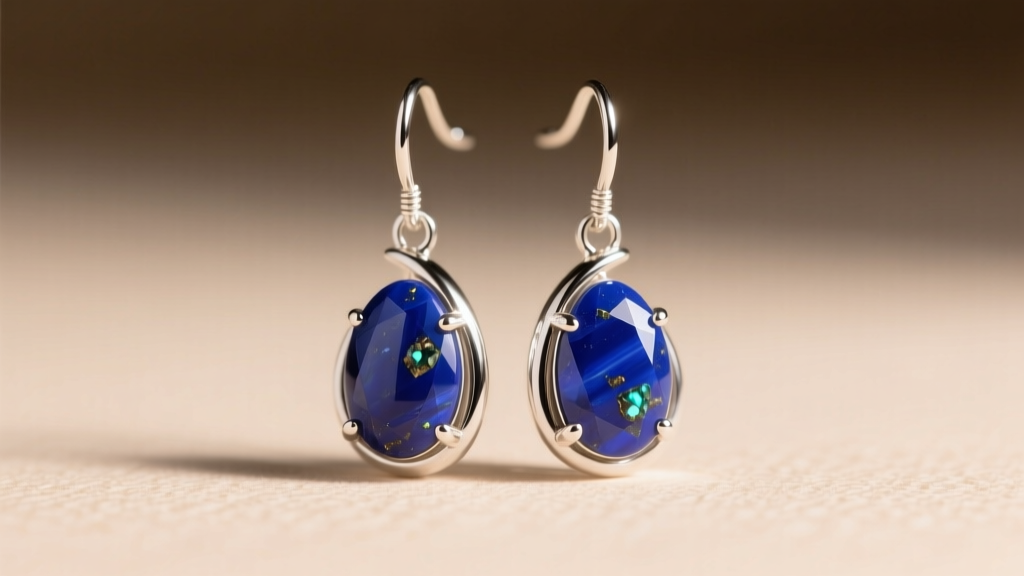
The Enduring Appeal of Blue and Silver Pairings
When navigating the vast landscape of fine and fashion jewelry, blue and silver earrings remain a masterclass in contrast and elegance. The cool, reflective brilliance of silver-tone metals naturally amplifies the depth of blue gemstones, creating a visual synergy that flatters a wide spectrum of skin undertones. However, the market is saturated with misleading terminology, fragile settings, and subpar alloys. As a buyer in 2026, understanding the metallurgical and gemological realities behind these pieces is critical to making an investment that lasts. This guide dissects the exact specifications, material grades, and structural red flags you must evaluate before purchasing your next pair of blue and silver earrings.
Decoding the Metals: Beyond Basic 'Silver'
The term 'silver' is frequently abused in jewelry marketing. To ensure longevity and avoid allergic reactions, you must scrutinize the exact alloy composition. According to The Silver Institute, pure silver is too soft for functional jewelry, necessitating the addition of other metals.
925 Sterling Silver
Composed of 92.5% pure silver and 7.5% copper, standard sterling silver is the industry baseline. The copper provides necessary tensile strength but introduces a significant flaw: oxidation. Copper reacts with sulfur in the air and skin oils, leading to silver sulfide tarnish. If you live in a humid climate or have acidic skin chemistry, 925 sterling silver huggies or studs will require frequent polishing.
Argentium Silver
A superior, albeit more expensive, alternative is Argentium silver (usually 93.5% or 96% silver). By replacing a portion of the copper with germanium, Argentium forms a transparent germanium dioxide layer on the surface that virtually eliminates tarnish. For everyday blue topaz or sapphire studs, paying a 20% premium for Argentium is highly recommended to maintain the metal's bright white luster without rhodium plating.
Rhodium-Plated Silver
Many commercial brands plate 925 silver with rhodium (a platinum-group metal) to mimic the look of white gold and prevent tarnish. While visually stunning initially, this plating is a finite resource. Once the rhodium wears away—typically within 12 to 24 months on high-friction areas like ear cuffs or helix hoops—the underlying sterling silver is exposed and will tarnish rapidly.
The Blue Gemstone Matrix: Durability and Pricing
Not all blue stones are created equal. The GIA Gem Encyclopedia categorizes gemstone durability using the Mohs scale of hardness, which dictates how a stone will survive daily wear, accidental impacts, and chemical exposure. Below is a critical breakdown of the most common blue stones paired with silver.
| Gemstone | Mohs Hardness | Avg. Price Range (Silver Setting) | Best Setting Type | Care & Vulnerabilities |
|---|---|---|---|---|
| Blue Sapphire (Natural) | 9 | $400 - $2,500+ | Prong or Bezel | Highly durable; safe for ultrasonic cleaners. |
| Lab-Created Sapphire | 9 | $80 - $300 | Prong or Bezel | Identical physical properties to natural; excellent value. |
| London Blue Topaz | 8 | $60 - $180 | Bezel or Partial Bezel | Perfect cleavage planes; avoid hard knocks or prong pressure. |
| Aquamarine | 7.5 - 8 | $150 - $600 | Bezel | Pale color can fade in prolonged direct sunlight. |
| Lapis Lazuli | 5 - 6 | $30 - $120 | Full Bezel or Cabochon | Porous; never use ultrasonic cleaners or harsh chemicals. |
| Blue Zircon | 6 - 7.5 | $90 - $250 | Protective Bezel | High dispersion (fire) but brittle edges; prone to chipping. |
For daily-wear lobe studs, sapphire is the undisputed king of durability. However, if you are buying statement dangle earrings that are worn occasionally, softer stones like Lapis Lazuli or Aquamarine offer incredible visual impact at a lower price point, provided they are protected by the right setting.
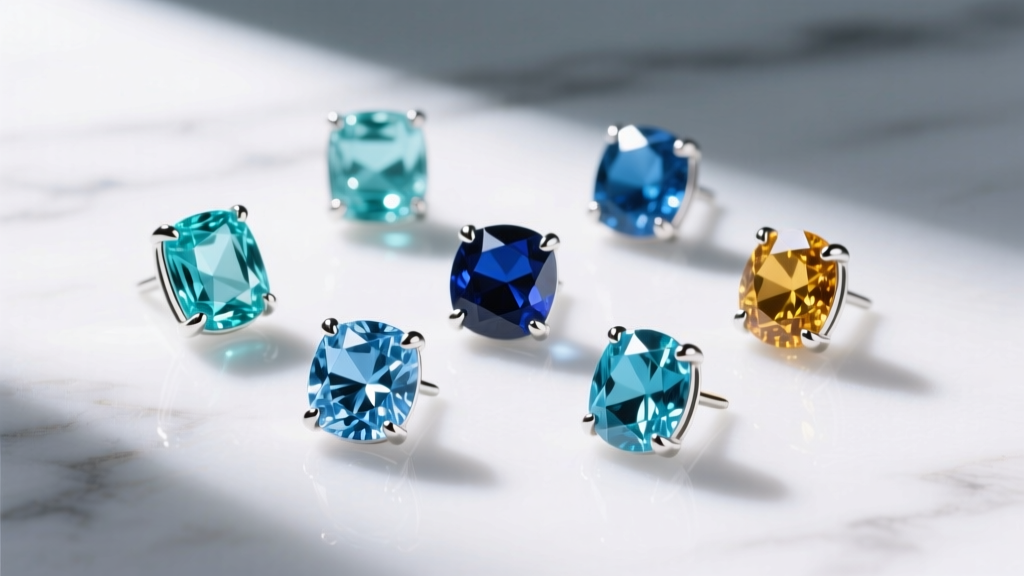
Structural Integrity: Settings, Gauges, and Closures
The most common failure point in blue and silver earrings is not the stone or the metal, but the structural engineering connecting them.
Prong vs. Bezel Settings
Prong settings elevate the stone, allowing maximum light return—ideal for brilliant-cut London Blue Topaz or Lab-Created Sapphires. However, prongs snag on hair and sweaters. If a silver prong bends, the stone can easily pop out. For softer stones (Mohs under 7.5) or active lifestyles, a bezel setting (where a rim of silver completely encircles the stone's girdle) is mandatory. A bezel not only protects the fragile edges of stones like Blue Zircon but also provides a sleek, modern aesthetic that complements silver's cool tone.
Wire Gauge and Piercing Compatibility
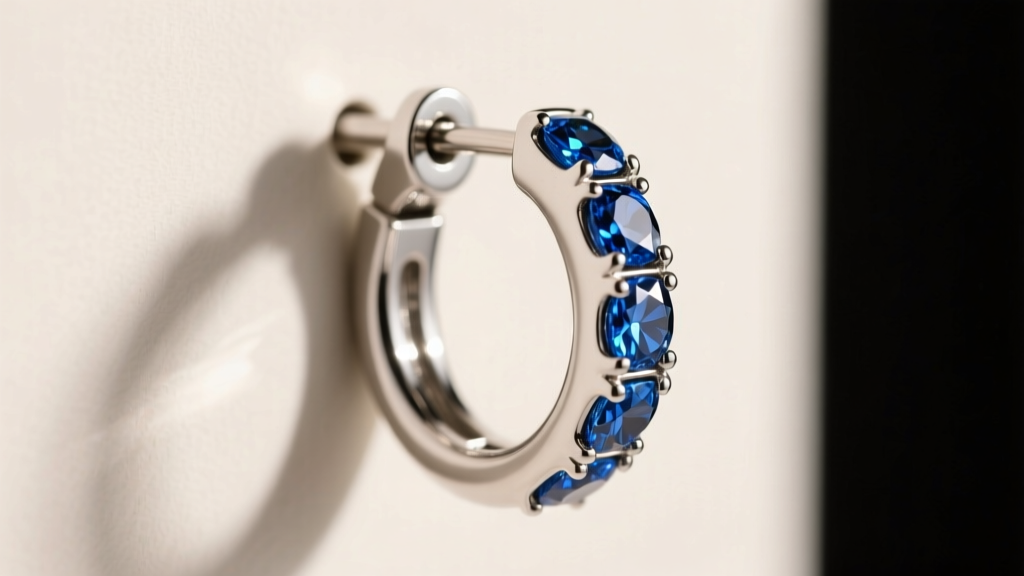
When buying hoops, huggies, or cartilage pieces, wire thickness (gauge) is critical for healing and comfort. Standard earlobe piercings are typically 20-gauge (0.81mm) or 18-gauge (1.02mm). However, if you are shopping for silver and blue stone huggies for a helix, tragus, or conch piercing, you must look for 16-gauge (1.29mm) or 14-gauge (1.63mm) posts. Inserting a standard 20-gauge earring into a cartilage piercing can lead to the 'cheese-cutter effect,' where the thin wire migrates through the tissue under the weight of the jewelry.
Clutch and Closure Mechanics
For heavy silver drop earrings featuring large cabochon stones, standard friction backs (butterfly clutches) are a liability. The tension on the silver post eventually wears out, leading to lost earrings. Always look for screw-backs, locking la-pousette backs, or secure clicker closures on hinged hoops to ensure your investment stays securely in your ear.
Red Flags: What to Avoid When Shopping
The online jewelry market is rife with deceptive practices. Protect your wallet and your skin by avoiding these common traps:
- 'Tibetan Silver' or 'Tibetan Alloy': This is a marketing term for base metals (often zinc, copper, and nickel) with an antiqued finish. It contains zero actual silver and is a primary culprit for severe contact dermatitis and green skin discoloration.
- 'Simulated' vs. 'Lab-Created': A 'lab-created' sapphire has the exact same chemical and optical properties as a mined stone. A 'simulated' blue stone is usually dyed glass, cubic zirconia, or spinel. Simulated stones will scratch easily and lack the depth of color found in genuine corundum or topaz.
- Glued-in Cabochons: In cheap silver earrings, opaque stones like turquoise or lapis are often glued into a shallow cup rather than set with a proper bezel. Sweat and hand sanitizer will dissolve the adhesive over time, causing the stone to fall out.
Curating Your Collection: Face Shape and Style Matching
Blue and silver earrings can be strategically used to balance facial proportions. Because silver reflects light and blue draws the eye, the silhouette of the earring acts as a visual anchor.
Round Faces: Opt for linear, geometric silver drop earrings featuring vertically set marquise or baguette-cut blue sapphires. The elongated silver chains and vertical stones create an illusion of length, drawing the eye downward and slimming the jawline.
Square Faces: Soften strong jawlines with curved silver hoops or circular huggies adorned with pavé-set blue zircon or topaz. The circular geometry contrasts beautifully with angular facial features, while the silver adds a bright, softening highlight near the cheekbones.
Heart-Shaped Faces: Balance a narrower chin with chandelier or teardrop earrings that feature wider clusters of blue stones at the bottom. A silver filigree design holding a cluster of aquamarine briolettes adds necessary visual weight to the lower half of the face.
Long-Term Care and Maintenance Protocol
Proper maintenance ensures the silver remains bright and the blue stones retain their optical fire. Never use commercial silver dip polishes on earrings featuring porous stones like Lapis Lazuli, Turquoise, or Malachite; the harsh chemicals will permanently strip the stone's natural oils and alter its color. Instead, use a dedicated, untreated microfiber cloth to gently buff the silver. For durable stones like sapphire or topaz, a soak in warm water with a drop of mild, phosphate-free dish soap, followed by a gentle scrub with a baby toothbrush, will remove skin oils and lotion buildup from beneath the setting, instantly restoring the stone's brilliance. Store your blue and silver earrings in an anti-tarnish cloth pouch or a sealed box with silica gel packets to control ambient humidity and prevent silver sulfide formation.


