The 2026 Guy Earrings Trend Report: Styles, Gauges & Metals
Discover the top guy earrings trends for 2026. Explore expert analysis on cartilage cuffs, hoop gauges, titanium grades, and masculine styling frameworks.

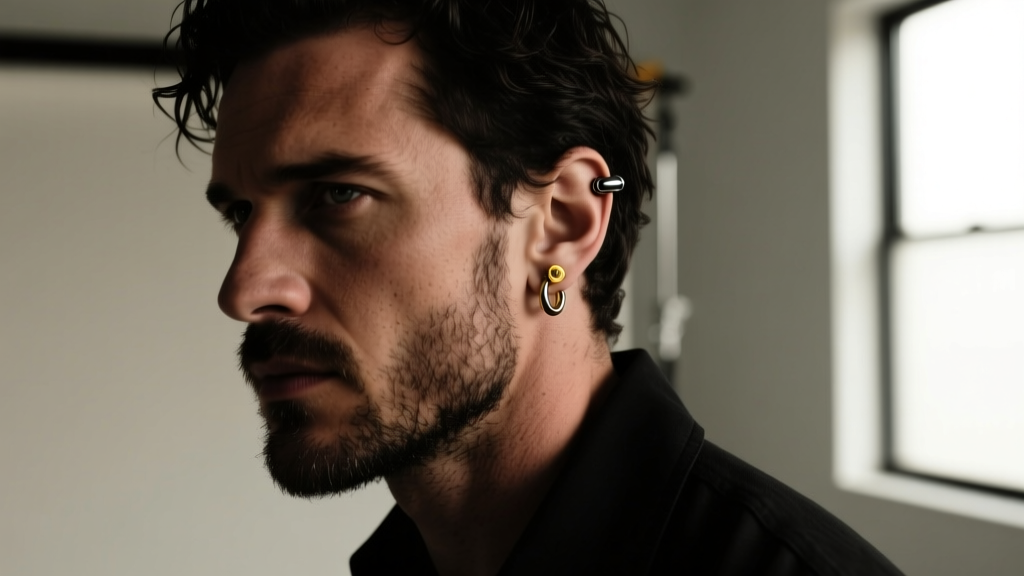
The 2026 Shift: Beyond the Single Stud
The landscape of men's jewelry has undergone a radical transformation over the last decade, but 2026 marks a definitive turning point for guy earrings. We have officially moved past the era of the solitary, generic diamond stud or the oversized novelty hoop. Today, the focus is on curated earscapes, mixed-metal layering, and an obsession with anatomical precision. According to recent menswear market analyses, the men's fine jewelry sector has grown by 22% year-over-year, driven largely by cartilage piercings and high-end, minimalist hardware. Guys are no longer just wearing earrings; they are engineering them, paying close attention to gauge thickness, threading mechanisms, and metallurgical purity.
This guide breaks down the exact specifications, materials, and styling frameworks defining guy earrings in 2026. Whether you are considering your first lobe piercing or looking to curate a multi-point helix arrangement, understanding the technical nuances is critical for both aesthetics and long-term tissue health.
Material Metallurgy: What Guys Should Actually Buy
The biggest mistake men make when buying earrings is ignoring material science. The ear is a highly vascular, sensitive environment, and cheap alloys lead to contact dermatitis, piercing bumps, and fistula rejection. Here is the definitive hierarchy of metals for men's earrings in 2026.
1. ASTM F136 Implant-Grade Titanium (The Gold Standard)
If you are healing a new piercing or have sensitive skin, implant-grade titanium is non-negotiable. The Association of Professional Piercers (APP) strictly recommends ASTM F136 titanium because it is completely nickel-free, highly polished to a mirror finish, and biocompatible. It is lightweight, hypoallergenic, and can be anodized to produce dark, masculine hues like gunmetal, bronze, or deep navy without using surface plating that can chip.
2. 14k and 18k Solid Gold (The Luxury Tier)
For healed piercings, solid gold remains the ultimate flex. However, not all gold is created equal. You must seek out nickel-free, cadmium-free 14k or 18k gold. Avoid gold-plated or gold-filled options for cartilage piercings, as the microscopic friction of daily wear will strip the plating, exposing the brass or steel core to your healing tissue.
3. 316L Surgical Steel (The Budget Compromise)
While widely available and affordable, 316L surgical steel contains trace amounts of nickel (typically 8-12%). For fully healed lobes, it is generally fine, but for fresh cartilage piercings or individuals with metal sensitivities, it is a liability. If you must buy steel, ensure it is high-polish and explicitly labeled as 316L, not generic 'surgical steel'.
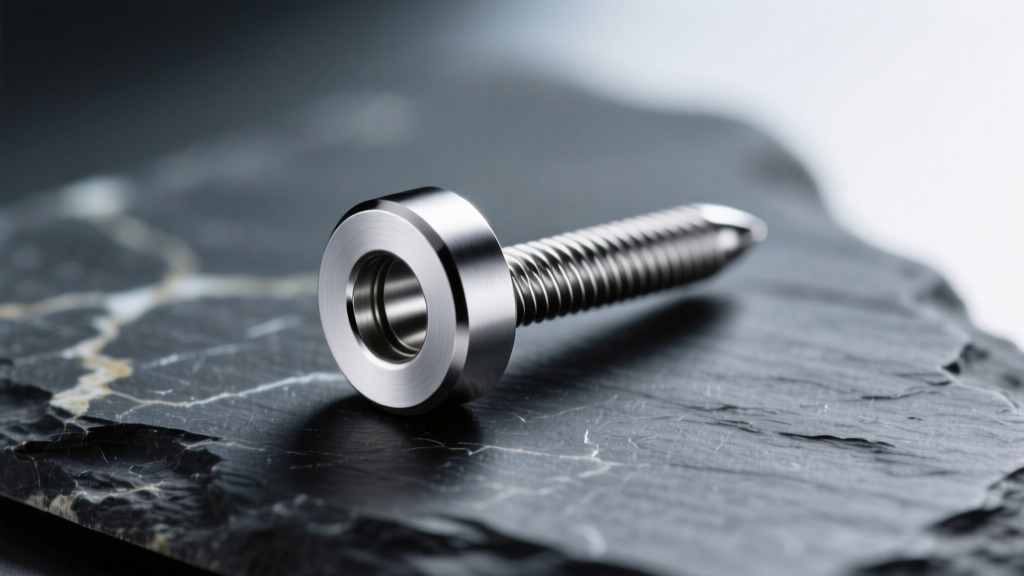
The 2026 Guy Earrings Silhouette Matrix
Choosing the right style depends heavily on your facial structure, the specific anatomy of your ear, and the gauge of your piercing. Below is the 2026 styling matrix for the most popular men's earring silhouettes.
| Silhouette | Best Placement | Standard Gauge | Face Shape Synergy |
|---|---|---|---|
| Flat Back Labret | Conch, Flat, Tragus | 16g (1.2mm) / 14g (1.6mm) | Square & Oval (adds subtle edge without widening) |
| Seamless Hoop | Helix, Lower Lobe | 18g (1.0mm) / 16g (1.2mm) | Heart & Diamond (softens sharp jawlines) |
| Threadless Push-Pin | Standard Lobe, Upper Lobe | 18g (1.0mm) / 16g (1.2mm) | Round (vertical elongation with drop ends) |
| Ear Cuff (Non-Pierced) | Mid-Helix, Taper | N/A (Adjustable tension) | Any (adds volume without commitment) |
Anatomical Strategy: Lobe vs. Cartilage
Understanding ear anatomy is crucial for achieving a masculine, intentional look rather than a haphazard one. In 2026, the 'curated ear' for men relies on negative space just as much as the jewelry itself.
The Helix and Flat Dominance
The upper cartilage (helix and flat) has become the premier zone for men's jewelry. A 16-gauge titanium hoop in the upper helix draws the eye upward, emphasizing the temporal region and complementing structured haircuts like fades or pompadours. However, cartilage is notoriously slow to heal (often taking 6 to 12 months). During this period, you must wear a flat back labret stud to prevent pressure bumps from pillows or headphones.
The Tragus: The Jawline Enhancer
The tragus (the small flap of cartilage covering the ear canal) is an underutilized placement for guy earrings. A small, 14-gauge black titanium bead or a subtle 14k gold disk on the tragus acts as an anchor point for the eye, subtly highlighting the jawline and cheekbones. Because of the thickness of the tragus tissue, barbell lengths must be custom-fitted by a professional piercer, usually starting around 6mm to 8mm.
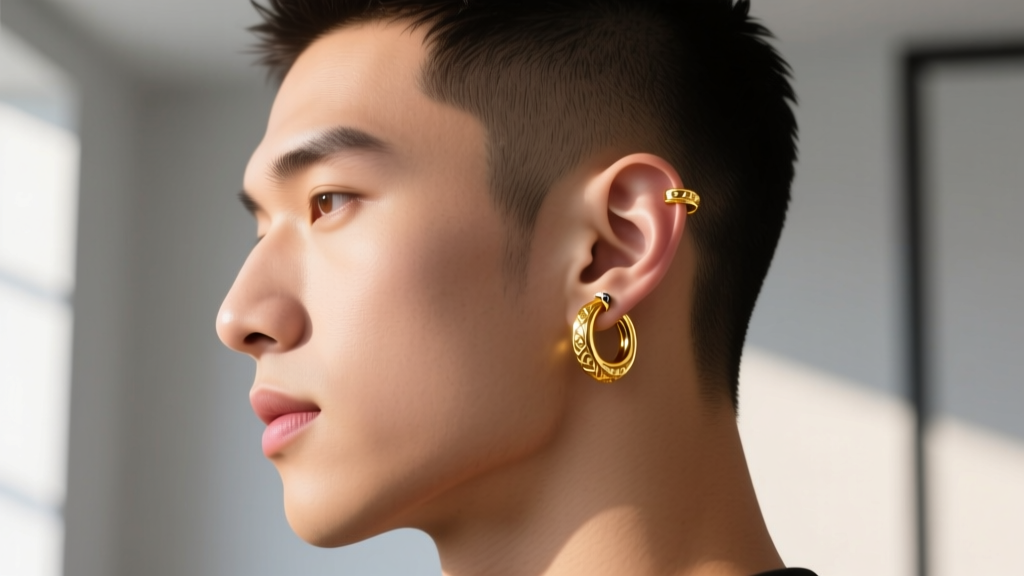
Pricing Tiers & Brand Spotlights
Investing in guy earrings requires understanding the market tiers. Cheap jewelry leads to expensive medical bills and botched piercings. Here is what you should expect to pay in 2026.
- Entry-Level ($30 - $80): Focus on high-quality titanium from reputable online retailers like NeoMetal or BVLA. At this tier, you are paying for the ASTM F136 material and internal threading, but the designs are usually simple beads or plain disks.
- Mid-Tier ($100 - $350): This is the sweet spot for 14k solid gold and intricate designs. Brands like Maria Tada and Anatometal offer exceptional craftsmanship, threadless mechanisms, and masculine gemstone cuts like black onyx, dark sapphire, or matte-brushed finishes.
- High-End ($500 - $2,000+): Bespoke, hand-fabricated pieces from luxury houses or specialized artisan jewelers. Expect 18k gold, custom tension settings, and architectural designs that function as wearable art.
Troubleshooting Men's Piercing Issues
Men often face unique piercing challenges due to lifestyle factors, sports, and grooming habits. Here is how to troubleshoot the most common issues.
- Hypertrophic Bumps: Often mistaken for keloids, these fluid-filled bumps near the piercing site are usually caused by pressure (sleeping on a hoop) or incorrect jewelry angles. Fix: Switch to a titanium flat back labret, apply sterile saline spray twice daily, and avoid sleeping on that side.
- Fistula Tearing: Caused by catching hoops on towels or helmets. Fix: Never wear continuous hoops in fresh piercings. Use internally threaded or threadless jewelry until the piercing is fully mature (12+ months for cartilage).
- Embedded Jewelry: Swelling after a piercing can cause the jewelry to sink into the skin. Fix: Visit your piercer immediately to have the post upsized (e.g., moving from a 6mm post to an 8mm or 10mm post) to accommodate the swelling.
The 2026 Styling Framework
The golden rule for guy earrings this year is restraint and contrast. If you are wearing a bold, textured 14k gold hoop in your lobe, balance it with a minimalist, matte titanium stud in the helix. Mixing metals—such as pairing a yellow gold lobe stud with a white gold or platinum cartilage piece—is no longer a fashion faux pas; it is the hallmark of a highly curated, modern aesthetic. By prioritizing implant-grade materials, respecting anatomical limitations, and choosing silhouettes that complement your facial structure, you can elevate your personal style with precision and confidence.


