Guy Earrings & The 'Gay Ear' Myth: A 2026 Men's Guide
Discover the truth behind the 'gay ear' piercing myth. Our 2026 guide to guy earrings covers gauge sizes, titanium grades, and modern men's styles.

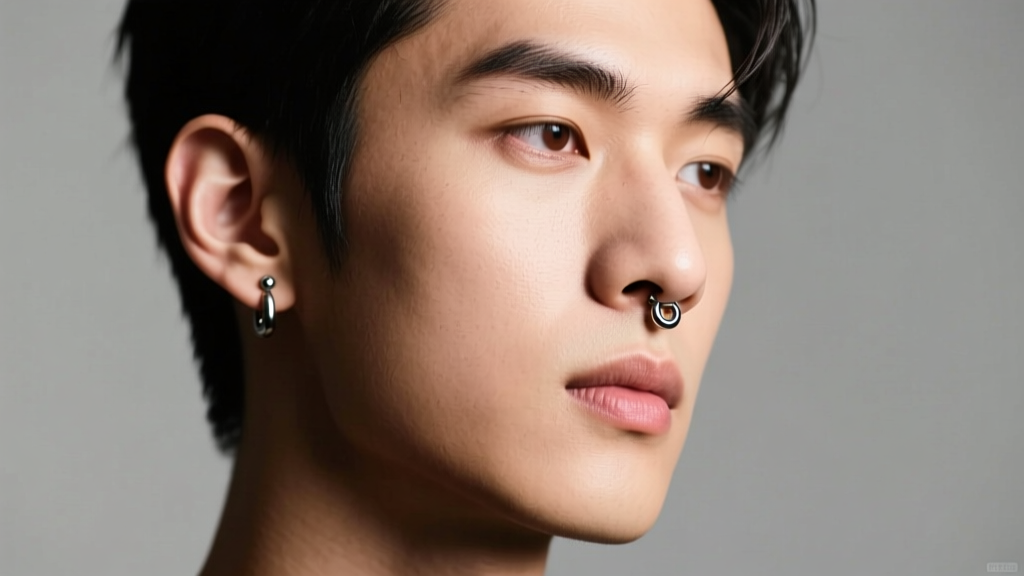
If you have recently found yourself searching for "guy earrings gay" or wondering about the old "left vs. right" ear piercing rules, you are not alone. For decades, a pervasive cultural myth dictated that the placement of a single earring on a man's ear served as a secret code for sexual orientation. But as we navigate the fashion landscape of 2026, the rules of men's jewelry have been entirely rewritten. Today, men's earrings are a staple of mainstream fashion, hip-hop culture, high fashion runways, and everyday streetwear, completely detached from outdated stereotypes.
This comprehensive, beginner-friendly explainer will debunk the historical myths surrounding men's piercings and provide you with a highly technical, actionable guide to getting your ears pierced safely. We will cover exact gauge sizes, implant-grade material standards, and the best earring styles for modern men.
The History of the "Gay Ear" Code
To understand the myth, we have to look back at the underground subcultures of the 1970s and 1980s. During an era when LGBTQ+ individuals faced severe discrimination and lacked mainstream representation, subtle visual codes were used to identify one another safely. The "hankie code" (wearing a colored bandana in a specific back pocket) was one such system, and this eventually bled into piercing culture.
The urban legend famously coined the phrase: "Left is right, and right is wrong." According to this outdated 1980s schoolyard rule, a piercing on the left earlobe indicated a heterosexual man, while a piercing on the right earlobe was a covert signal that a man was gay. By the time the 1990s rolled around, this "code" had permeated mainstream pop culture, causing immense anxiety for young men who simply wanted to wear a hoop or stud but were terrified of being mislabeled by their peers.
Why the Stereotype is Dead in 2026
In 2026, the concept of a "gay ear" is entirely obsolete. The democratization of men's jewelry has been driven by several massive cultural shifts over the last decade. Global K-pop supergroups like BTS and Stray Kids normalized multiple ear piercings, cartilage stacks, and pearl earrings for male idols. In the West, hip-hop icons like A$AP Rocky and Travis Scott, alongside actors like Paul Mescal and Bad Bunny, have completely shattered gendered jewelry norms.
Today, professional athletes in the NBA and NFL sport diamond studs and hoops in both ears without a second thought. Piercings are now viewed purely as a form of personal aesthetic expression, facial symmetry balancing, and style curation. Whether you choose to pierce your left ear, your right ear, or both, the only statement you are making is that you appreciate jewelry.
The Technical Beginner's Guide to Men's Piercings
If you are ready to get pierced, you must approach the process with a focus on anatomy, hygiene, and professional standards. The biggest mistake beginners make is walking into a mall kiosk. Here is what you actually need to know.
Never Use a Piercing Gun
Piercing guns use blunt force trauma to push a sharpened earring post through the tissue, which causes massive cellular damage, excessive scarring, and a high risk of infection. Furthermore, guns cannot be properly sterilized in an autoclave. Always visit a licensed, professional body piercer who uses a single-use, hollow bevel needle. A hollow needle cleanly removes a tiny crescent of tissue, allowing for a smoother, faster healing fistula (the tunnel of skin that forms around the jewelry).
Gauge Sizes Explained
Jewelry thickness is measured in "gauges" (G). The higher the gauge number, the thinner the metal. Many commercial jewelry brands sell flimsy 20-gauge or 22-gauge wire, which can cause the "cheese-cutter effect"—where thin metal slowly slices through the earlobe under its own weight. Professional piercers typically recommend thicker jewelry for structural integrity.
| Gauge Size | Millimeter (mm) | Standard Placement | Expert Recommendation |
|---|---|---|---|
| 20G | 0.81mm | Standard commercial lobes | Avoid for fresh piercings; too thin. |
| 18G | 1.02mm | Standard lobe piercings | Acceptable, but 16G is preferred. |
| 16G | 1.29mm | Lobes, Helix, Tragus | Ideal standard. Great stability. |
| 14G | 1.63mm | Lobes, Industrial, Daith | Excellent for heavy hoops or stretching. |
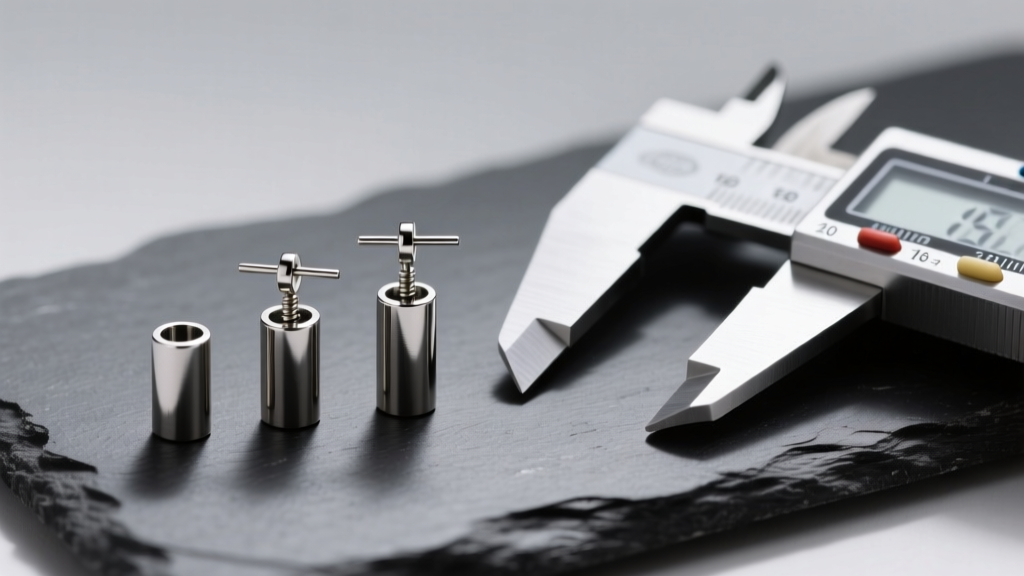
Material Grades: Avoiding the "Green Ear"
The metal touching your fresh wound dictates how well you heal. Many beginners buy "surgical steel" (often 316L stainless steel) thinking it is hypoallergenic. It is not. Surgical steel contains nickel, and a significant percentage of the population has a nickel allergy that results in itchy, red, and swollen earlobes. According to the Association of Professional Piercers (APP), you should only use specific, biocompatible materials for initial piercings.
- Implant-Grade Titanium (ASTM F-136): The absolute gold standard for fresh piercings. It is completely nickel-free, lightweight, and highly biocompatible. Brands like Anatometal and Industrial Strength use this grade.
- Niobium: A highly reactive metal that is safe for sensitive skin, though it cannot be mirror-polished like titanium.
- 14k or 18k Solid Gold: Must be alloyed for biocompatibility (avoid white gold, which often contains nickel). Brands like BVLA and Maria Tash craft exceptional solid gold options.
Top Earring Styles for Men (With Pricing)
Once your piercing is healed, the world of men's earrings opens up. Here is a breakdown of the most popular styles for men in 2026, along with expected pricing for high-quality, solid materials.
| Style | Best Placement | Vibe / Aesthetic | Estimated Price Range |
|---|---|---|---|
| Threadless Labret Stud | Lobe, Helix, Tragus | Minimalist, subtle, everyday wear | $40 - $120 |
| Clicker Huggie | Lobe, Mid-Helix | Edgy, modern, streetwear-friendly | $80 - $250 |
| Seamless Hoop | Lobe, Daith, Cartilage | Classic, versatile, rock-inspired | $50 - $150 |
| Ear Cuff (Non-Pierced) | Outer Helix Ridge | Experimental, high-fashion | $60 - $300 |
For a beginner, a threadless labret stud with a simple black onyx or matte titanium end is the perfect starting point. The threadless mechanism uses tension to hold the jewelry together, meaning you won't accidentally unscrew the back while sleeping or washing your hair.
Professional Aftercare Protocol
Healing a piercing is an exercise in patience and restraint. Lobe piercings typically take 8 to 12 weeks to heal, while cartilage piercings (like the helix or tragus) can take 6 to 12 months. The APP's official aftercare guidelines emphasize a "less is more" approach.
- Sterile Saline Only: Spray the piercing twice a day with a sterile, 0.9% sodium chloride wound wash. Do not use rubbing alcohol, hydrogen peroxide, tea tree oil, or homemade salt soaks, as these will dry out and damage the healing cells.
- Leave It Alone: Do not twist, turn, or play with the jewelry. Twisting tears the fragile fistula tissue and introduces bacteria from your hands.
- Sleeping Precautions: Sleep on your back or use a travel neck pillow to keep your ear suspended in the center hole, preventing pressure and friction against your pillowcase.
- Downsizing: If you get a flat-back labret stud, you must return to your piercer after 3-4 weeks to "downsize" the post length. Initial jewelry is long to accommodate swelling; leaving it in too long risks the jewelry catching on shirts and tearing the piercing angle.
Final Verdict: Wear What You Want
The antiquated "guy earrings gay" stereotype belongs in a museum of 20th-century pop culture myths, not in your decision-making process. In 2026, a man wearing a sleek titanium huggie or a minimalist diamond stud is simply a man with good taste in accessories. Focus on finding a reputable APP-certified piercer, invest in implant-grade titanium, choose a gauge size that respects your anatomy, and wear your jewelry with absolute confidence.


