Hammer Earrings: The Textured Metal Trend Redefining 2026 Style
Discover how hammer earrings are evolving in 2026. Explore metallurgy, face-shape styling matrices, and pricing tiers for textured metal jewelry.

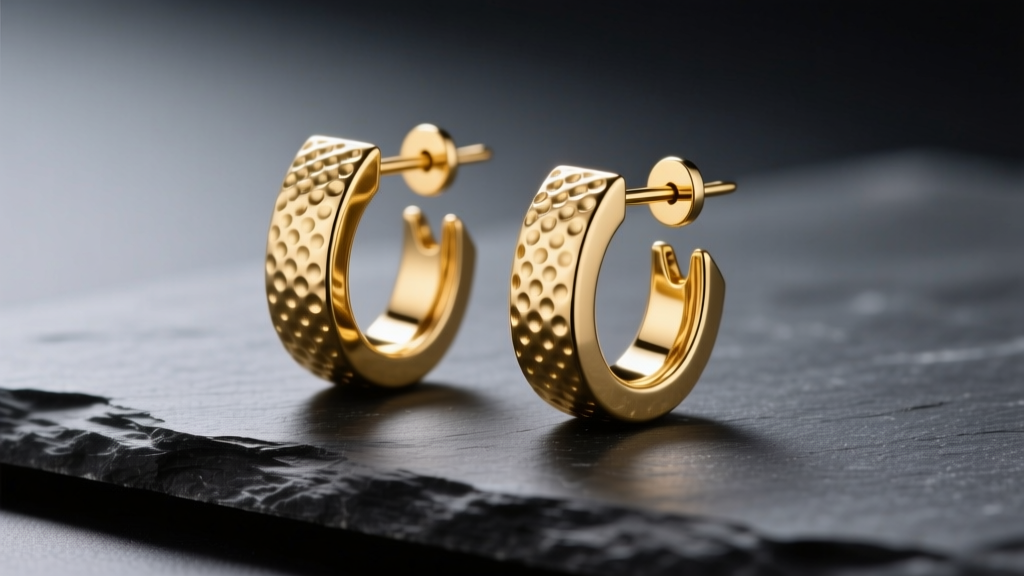
The jewelry landscape of 2026 has decisively pivoted away from hyper-polished, mass-produced perfection, embracing the raw, tactile beauty of artisanal craftsmanship. At the forefront of this movement are hammer earrings—a category that bridges the gap between ancient metalsmithing techniques and contemporary architectural styling. Once relegated to bohemian festivals and craft fairs, hammered textures have been elevated by luxury houses and independent jewelers alike, becoming a staple for those who view their accessories as wearable sculpture.
But what exactly defines the modern hammer earring, and how do you navigate the varying qualities, gauge sizes, and metallurgical realities of textured metals? This comprehensive guide breaks down the science, style, and investment value of the textured metal trend.
The Metallurgy of Texture: Work Hardening and Gauge Integrity
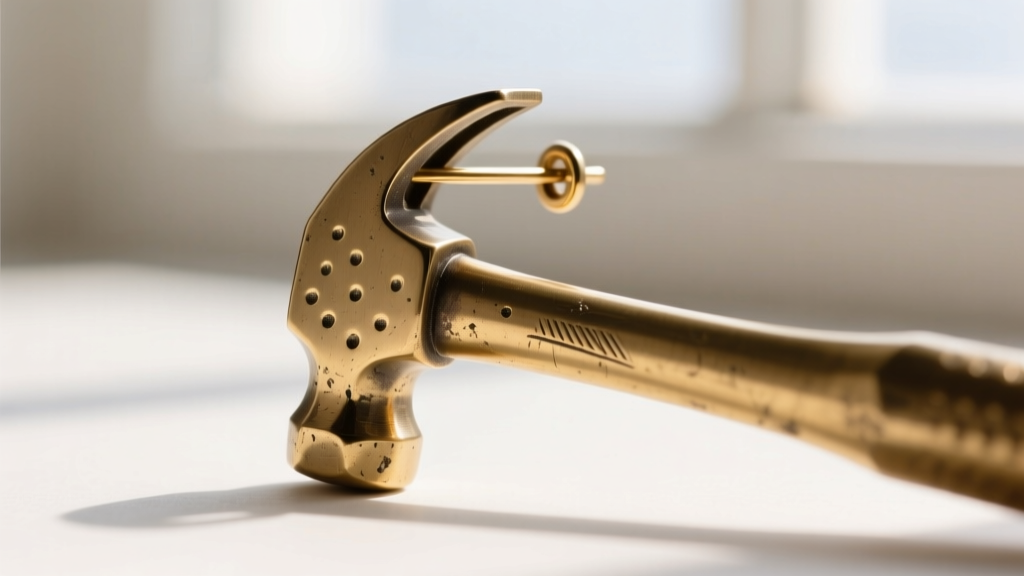
To understand the value of high-quality hammer earrings, one must understand the physical transformation the metal undergoes during creation. Hammering is not merely an aesthetic choice; it is a structural process known as work hardening or strain hardening. When a jeweler strikes a piece of gold or silver with a planishing or ball-peen hammer, the crystalline structure of the metal is compressed and deformed. This increases the metal's tensile strength and durability, making it more resistant to bending and scratching.
According to metallurgical guidelines from Rio Grande, a leading authority in jewelry fabrication, work hardening is essential for items that endure daily mechanical stress, such as ear wires and clasps. However, there is a delicate balance. If the metal is hammered too much without annealing (heating the metal to relieve internal stress), it becomes brittle and can crack.
The 18-Gauge Sweet Spot
For hammered drop earrings and dangles, the starting gauge of the metal sheet or wire is critical. Most mass-market earrings are stamped from 22-gauge (0.64mm) or 24-gauge (0.51mm) sheets, which are far too thin to withstand heavy hammering without tearing. Artisan hammer earrings typically begin with 16-gauge (1.29mm) or 18-gauge (1.02mm) stock. The hammering process thins the metal slightly while expanding its surface area, resulting in a final piece that possesses the visual lightness of a delicate wafer but the structural rigidity of a much thicker gauge.

2026 Trend Forecast: Architectural Asymmetry and Mixed Media
While previous years favored uniform, highly polished dimpled hoops, the 2026 trend cycle, as observed on recent runways and documented by Vogue, champions intentional asymmetry and mixed-media integration. The modern hammer earring is no longer just a simple disc; it is an exploration of negative space and contrasting finishes.
- The Matte-and-Polish Contrast: Jewelers are leaving the deep crevices of the hammer marks with a raw, matte, or even oxidized finish, while polishing only the raised ridges. This creates a high-contrast, three-dimensional effect that catches the light dynamically.
- Asymmetrical Pairings: Mismatched sets are dominating the market. A common configuration features a heavily hammered, organic-shaped drop on one ear, paired with a sleek, geometric, lightly textured huggie on the other.
- Stone Integration: Rather than traditional prong settings, hammer earrings in 2026 frequently feature raw, uncut gemstones (like tourmaline or sapphire) bezel-set directly into the textured metal, allowing the tool marks to frame the natural inclusions of the stone.
"The appeal of the hammer finish in 2026 lies in its imperfection. In an era of AI-generated design and flawless 3D printing, the human strike of a hammer against gold is a testament to tangible reality." — Contemporary Metalsmithing Journal
Face Shape and Styling Matrix for Hammered Textures
The light-reflecting properties of hammered metal make it uniquely forgiving and highly versatile for different face shapes. The dimples scatter light rather than reflecting it in a single, harsh beam, which softens the overall look. Below is a strategic framework for selecting the right hammer earring silhouette based on facial geometry.
| Face Shape | Recommended Hammer Style | Why It Works | Gauge & Weight Advice |
|---|---|---|---|
| Round | Linear Hammered Drops | Elongates the face; vertical lines counteract width. | Stick to 20g wires to keep long drops lightweight. |
| Square | Organic Hammered Hoops | Softens strong jawlines with irregular, curved textures. | 18g hollow-tube hammered hoops prevent lobe stretching. |
| Oval | Geometric Hammered Studs | Maintains natural balance; adds architectural interest. | 16g sheet metal studs provide a substantial, premium feel. |
| Heart | Teardrop Hammered Dangles | Adds visual weight to the lower half of the face. | Ensure the ear wire is 18g to support the wider base. |
Material Durability and the Tarnish Factor
One of the most common failure modes of textured jewelry is the accumulation of oils, lotions, and environmental pollutants within the microscopic valleys of the hammer marks. This is particularly problematic for porous or reactive metals. When shopping for hammer earrings, understanding material grades is essential for long-term wearability.
Material Breakdown
- 14k and 18k Gold: The premier choice for hammer earrings. Gold does not tarnish, meaning the dimples will remain clean with minimal effort. 14k gold is slightly harder than 18k, making it ideal for pieces that require sharp, deep hammer marks without warping over time.
- 925 Sterling Silver: A beautiful, accessible option, but silver sulfide (tarnish) will rapidly build up in the textured crevices, turning them black. While some collectors appreciate this as an "antique" patina, those who prefer bright silver must commit to regular maintenance.
- Brass and Bronze: Frequently used in entry-level artisan pieces. While they develop a beautiful patina, the Gemological Institute of America (GIA) notes that base metals like brass can cause contact dermatitis in sensitive ears. Always ensure brass hammer earrings feature a surgical steel or niobium ear wire to prevent allergic reactions.
Maintenance Protocol for Textured Metals
Do not use standard liquid silver dips on hammer earrings. These chemicals can strip the intentional oxidation from the crevices, flattening the visual depth of the piece. Instead, use a soft-bristled toothbrush with a mild, phosphate-free dish soap and warm water. For polished ridges, a dedicated jewelry polishing cloth can be rubbed gently over the high points, leaving the matte dimples untouched.
Investment Tiers: What to Expect When Shopping
The price of hammer earrings is dictated not just by the raw material cost, but by the labor intensity of the technique. Hand-hammering a single pair of earrings can take an artisan anywhere from 45 minutes to several hours, depending on the complexity of the overlapping dimple patterns. Here is what you should expect to pay in the current market:
- Entry-Level ($35 - $85): Typically crafted from brass, copper, or silver-plated base metals. Often feature machine-stamped textures designed to mimic hand-hammering. Look closely at the edges; stamped pieces will have uniform, repetitive dimples and perfectly smooth, machine-cut borders.
- Mid-Tier Artisan ($90 - $250): Solid 925 sterling silver or 14k gold-filled. These are genuinely hand-struck. You will notice slight variations in the depth and spacing of the hammer marks, which is the hallmark of authentic craftsmanship. Ear wires are usually integrated and work-hardened for durability.
- Fine Jewelry Investment ($300 - $1,200+): Solid 14k or 18k gold, often incorporating ethically sourced raw diamonds or custom alloy colors (like peach gold or deep rose gold). At this tier, the hammering is often done with specialized, custom-faced hammers to create specific light-scattering geometries, and the finishing involves hours of meticulous hand-polishing.
As we move deeper into 2026, the hammer earring stands as a testament to the enduring human desire for objects that bear the mark of their maker. Whether you opt for a pair of heavy, architectural 14k gold drops or lightweight, asymmetrical sterling silver hoops, understanding the metallurgy and styling nuances ensures your investment is both structurally sound and sartorially impeccable.


