Beads Earrings Handmade: 2026 Budget & Value Guide
Discover the true value of beads earrings handmade by artisans in 2026. Compare pricing, materials, and quality markers to make smart investments.

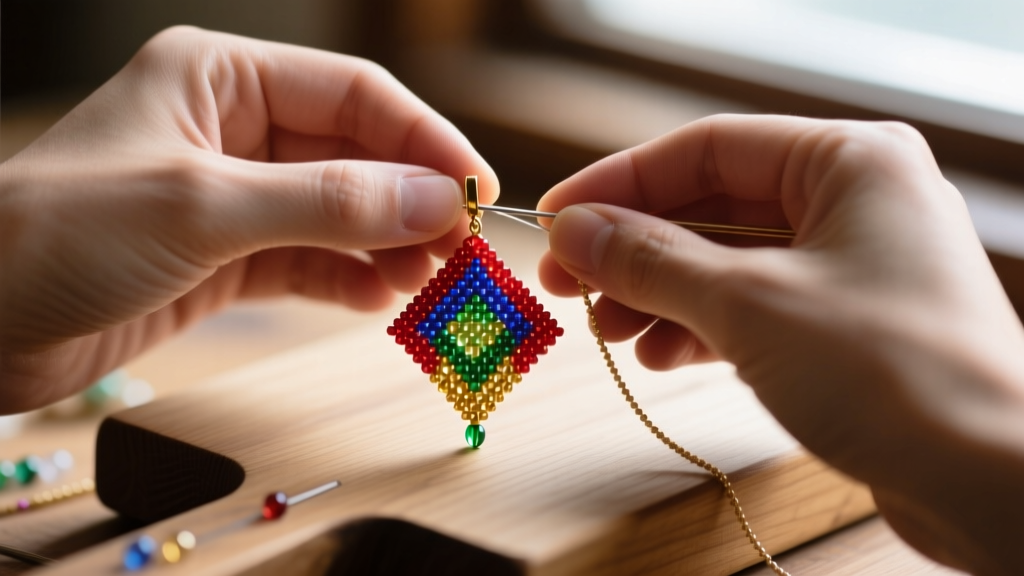
The True Cost of Artisan Beadwork in 2026
When searching for beads earrings handmade by independent artisans, buyers often experience a wide spectrum of pricing. A quick scroll through online marketplaces reveals beaded dangles ranging from $12 to over $150. For the untrained eye, this discrepancy seems arbitrary. However, as a jewelry appraiser and trend analyst, I can tell you that the true value of handmade beadwork lies in the microscopic details: the uniformity of the seed beads, the structural integrity of the wire wraps, and the labor hours invested in complex weaving stitches. In 2026, with the market heavily saturated by drop-shipped, factory-made 'artisan-style' jewelry, understanding how to assess the budget and value of genuine handmade bead earrings is an essential skill for any serious collector or casual buyer.
Material Grade Matrix: What You Are Actually Paying For
The foundation of any beaded earring is, naturally, the bead itself. Mass-produced earrings frequently rely on dyed howlite, low-grade glass, or plastic acrylics that degrade, yellow, or chip within months. Genuine artisans invest in premium materials that ensure longevity and optical brilliance. Below is a breakdown of common bead materials used in high-quality handmade earrings and their impact on the final retail price.
| Material Type | Grade / Brand Standard | Durability & Traits | Expected Price Range |
|---|---|---|---|
| Seed Beads | Miyuki Delica (11/0) | Perfectly uniform, cylindrical, high tensile strength | $35 - $75 |
| Crystal | Preciosa (Lead-Free) | Superior light refraction, machine-cut facets, eco-friendly | $45 - $95 |
| Freshwater Pearl | AAA Grade (Near Round) | Thick natural nacre, high luster, requires careful wear | $60 - $140 |
| Gemstone | Natural Turquoise (Stabilized) | Porous but stabilized for wear, unique matrix patterns | $55 - $120 |
| Glass (Mass) | Generic Lampwork | Prone to cracking, inconsistent sizing, heavy | $12 - $25 |
According to the Gemological Institute of America (GIA), the luster and nacre thickness of a pearl are the primary drivers of its value. When an artisan uses genuine AAA freshwater pearls rather than glass pearls coated in pearlescent paint, the material cost alone triples, justifying a higher retail price.
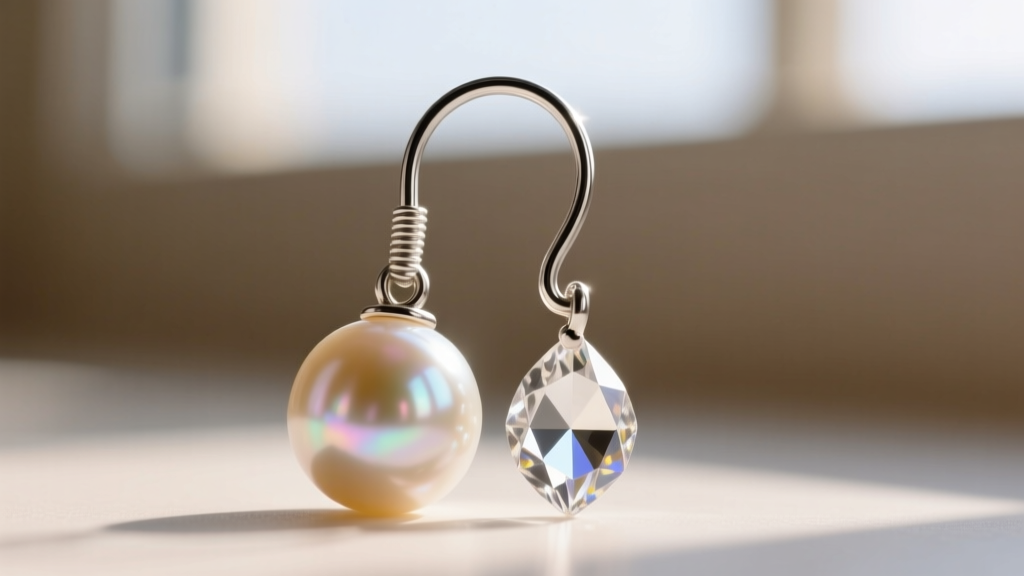
Hardware & Findings: The Hidden Failure Points
A common mistake buyers make when evaluating handmade jewelry is focusing entirely on the decorative elements while ignoring the hardware. The findings (ear wires, jump rings, and headpins) dictate the lifespan of the earring. In 2026, the best artisans have moved away from cheap surgical steel, which can contain nickel and cause contact dermatitis, opting instead for specialized hypoallergenic metals.
Wire Gauge and Hardness Standards
Wire selection is a science. The thickness (gauge) and temper (hardness) of the wire determine whether an earring will hold its shape or bend out of form after a single wear. The Fire Mountain Gems Wire Gauge Chart outlines standard jewelry practices, which master beaders strictly adhere to:
- 20-Gauge (0.81mm) Half-Hard: The gold standard for ear wires. It is thick enough to pass through a standard ear piercing (which is typically 20g or 18g) without bending, yet malleable enough to be shaped into a perfect French hook.
- 22-Gauge (0.64mm) Half-Hard: Used for structural jump rings and linking components. It provides enough tensile strength to prevent the earring from pulling apart if snagged on clothing.
- 24-Gauge to 28-Gauge (0.51mm - 0.32mm) Dead-Soft: Reserved exclusively for intricate wire-wrapping and weaving around the beads. Dead-soft wire conforms easily to shapes without springing back.
Furthermore, the metal composition matters. Look for artisans using Niobium (an anodized, highly hypoallergenic reactive metal) or 14k Gold-Filled (which contains 1/20th solid 14k gold by weight, bonded to a brass core). Avoid 'gold-plated' findings, as the microscopic layer of gold will wear off within weeks of friction against the skin, exposing the base metal beneath. For a deep dive into metal tempers, the Rio Grande Wire Hardness Guide is an invaluable resource for understanding why half-hard wire is crucial for ear hooks.
Evaluating Craftsmanship: Red Flags vs. Green Lights
How do you differentiate a master weaver from a beginner hobbyist when shopping online? The answer lies in tension and finishing techniques.
Thread Tension and Stitch Uniformity
In techniques like the peyote stitch, brick stitch, or herringbone weave, thread tension is everything. If the tension is too loose, the beads will gap, exposing the underlying thread (usually Fireline or Nymo) and making the earring look flimsy. If the tension is too tight, the beadwork will pucker and warp. High-value handmade earrings will lay perfectly flat or curve with intentional, mathematical symmetry.
The Crimp Bead Test
When beads are strung on flexible beading wire (like Soft Flex), the ends must be secured with crimp beads. A professional uses specialized crimping pliers to fold the metal crimp into a neat, rounded bead shape, and often adds a 'crimp cover' to hide it entirely. A red flag is seeing a flattened, sharp-edged crimp bead that looks like a crushed piece of metal. Worse yet, if you can see sharp, snipped wire ends protruding near the clasp or ear wire, the artisan has failed to tuck the tail, posing a scratching hazard to your skin.
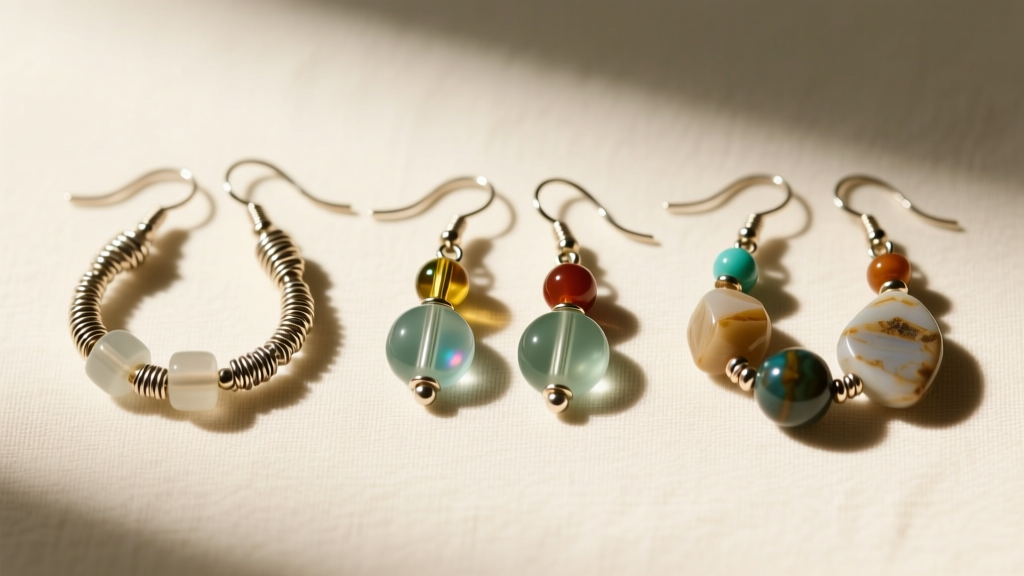
2026 Market Pricing Tiers for Handmade Bead Earrings
To accurately assess value, we must segment the market into three distinct pricing tiers based on labor complexity and material sourcing.
Tier 1: The Assembler / Hobbyist ($15 - $35)
At this price point, you are generally paying for materials with minimal labor. These earrings usually feature simple stringing techniques, pre-made findings, and basic glass or semi-precious stone beads. While they can be pretty, they lack structural engineering and often use gold-plated hardware that will tarnish quickly.
Tier 2: The Professional Artisan ($45 - $95)
This is the sweet spot for value. Here, you find original designs utilizing complex loom work or off-loom weaving (like right-angle weave or tubular peyote). The artisan sources premium Miyuki or Toho beads, uses 14k gold-filled or sterling silver findings, and finishes every piece with professional-grade thread conditioning and hidden knots. These earrings are built to last a decade.
Tier 3: The Master Weaver & Heirloom ($110 - $250+)
At the apex of the market, you are paying for museum-quality art. These pieces may incorporate rare trade beads, antique Venetian glass, or high-carat gemstone briolettes. The labor time can exceed 15 to 20 hours per pair, involving microscopic bead embroidery or complex 3D geometric bead weaving. You are investing in wearable sculpture.
'True value in handmade jewelry isn't just about the cost of the raw gems; it is the physical manifestation of the artisan's time, ergonomic strain, and years of mastered technique woven into every single millimeter of the piece.' — Contemporary Jewelry Appraisal Journal, 2025
Identifying Drop-Shipped 'Handmade' Fakes
A critical part of budget assessment in 2026 is avoiding the 'handmade illusion.' Many overseas factories produce intricate-looking beaded earrings using automated looms and cheap labor, then list them on Western marketplaces under the guise of artisan craft. Green flags for genuine handmade work include: slight, microscopic variations between the left and right earring (proving they weren't cast from a single mold), detailed photos of the back of the beadwork, and a transparent artist biography detailing their specific weaving techniques. If a seller has 5,000 units in stock of a highly complex, 4-inch beaded fringe earring for $18, you are looking at a factory-made import, not an artisan creation.
Final Verdict: Calculating Cost-Per-Wear
When evaluating beads earrings handmade by skilled artisans, shift your mindset from 'initial cost' to 'cost-per-wear.' A $20 pair of factory-made, gold-plated bead earrings that tarnishes, breaks, or causes an allergic reaction after three wears costs you $6.66 per wear. Conversely, a $75 pair of handmade earrings crafted with 14k gold-filled wire, AAA freshwater pearls, and UV-resistant Miyuki seed beads that you wear twice a week for five years costs you less than $0.15 per wear. In the realm of jewelry, true budget-friendliness is found in longevity, structural integrity, and timeless artisan craftsmanship.


