Hardware Earrings: Material & Biocompatibility Guide
Discover the metallurgy behind hardware earrings. Compare titanium, niobium, and gold alloys for posts, hooks, and clasps to prevent allergies and breakage.

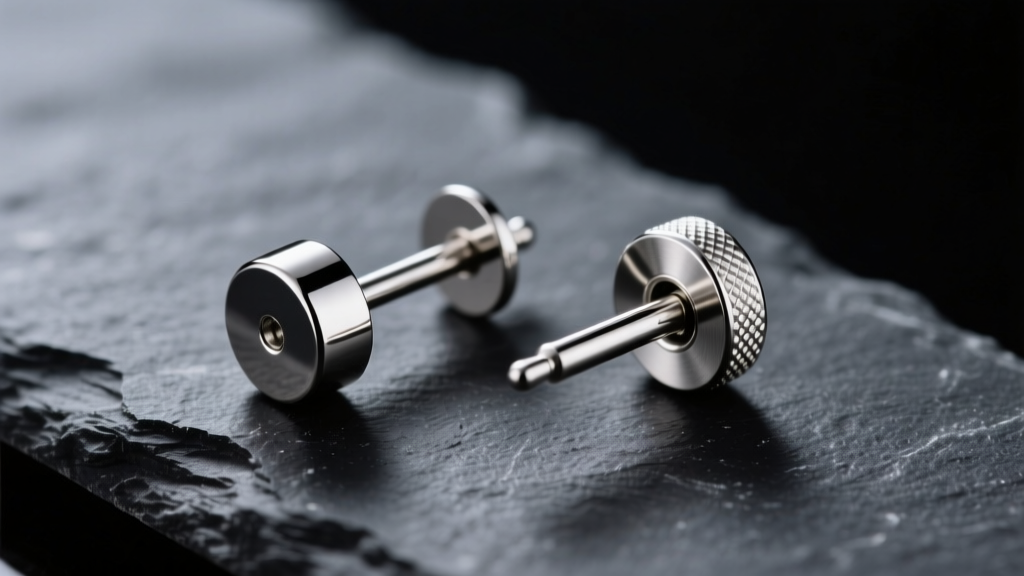
Decoding the Anatomy of Hardware Earrings
When curating a jewelry collection, consumers overwhelmingly focus on the decorative face of an earring—the gemstone cut, the enamel work, or the sculptural silhouette. However, the structural integrity, comfort, and biocompatibility of your jewelry are entirely dictated by its hardware. In the context of fine and fashion jewelry, 'hardware earrings' refers to the functional metal components: the posts, ear wires, hinges, jump rings, friction clutches, and screw-back mechanisms.
As we navigate the 2026 jewelry market, the demand for hypoallergenic and high-tensile findings has never been higher. A beautifully crafted 18k gold drop earring is rendered unwearable if its structural ear wire is forged from a high-nickel base alloy. Understanding the metallurgy behind earring hardware is essential for anyone managing contact dermatitis, investing in fine jewelry, or simply tired of bending soft metal posts.
The Metallurgy of Earring Posts and Wires
The post or wire is the primary point of contact with the fistula (the piercing channel). The elemental composition of this hardware determines its corrosion resistance, tensile strength, and allergen profile.
Implant-Grade Titanium (ASTM F136) vs. Commercial Steel
The gold standard for sensitive ears and fresh piercings is Implant-Grade Titanium, specifically the Ti-6Al-4V ELI alloy defined by ASTM F136 standards. Unlike commercial 'titanium-colored' steel, genuine F136 titanium contains zero nickel. It boasts a Vickers hardness (HV) of approximately 350, making it highly resistant to bending and scratching. Furthermore, titanium naturally forms a passive oxide layer when exposed to air, rendering it completely impervious to the saline and acidic environment of the human body.
Conversely, 'Surgical Steel' is a largely unregulated marketing term. Most commercial steel hardware is 316L stainless steel, which contains 10-14% nickel. While the molybdenum in 316L provides excellent corrosion resistance, the nickel can still leach through microscopic pores in the metal, triggering reactions in highly sensitive individuals. For premium steel hardware, look for 316LVM (Vacuum Melted), which traps nickel impurities more effectively than standard cast steel.
Niobium: The Malleable Hypoallergenic Alternative
Niobium is an unalloyed, elemental metal that shares titanium's biocompatibility but offers distinct mechanical advantages. It is significantly softer and more malleable, making it the preferred hardware choice for intricate ear wires, seamless segment rings, and clickers that require bending to secure. Because it is elemental, it cannot contain nickel impurities. Niobium is also highly reactive to anodization, allowing manufacturers to create vibrant, permanent colors on the hardware without using toxic paints or platings.
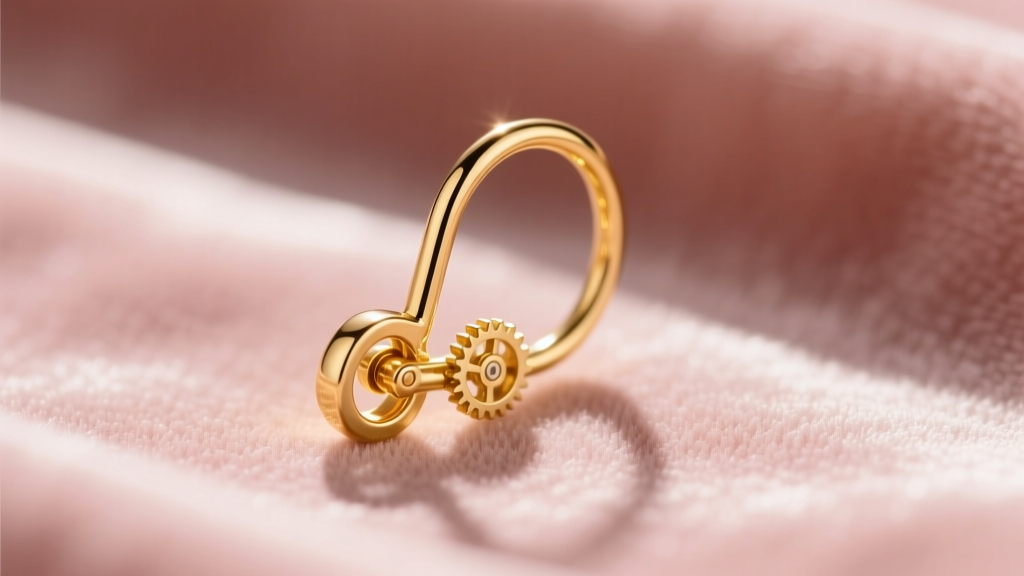
Precious Metals: Karat Gold and Platinum Alloys
Pure 24k gold is too soft for earring hardware; a 24k post will bend under the slight pressure of a friction backing. Therefore, hardware is typically forged from 14k or 18k gold alloys. The biocompatibility of gold hardware depends entirely on the alloying metals. Yellow gold is usually alloyed with copper and silver, which are generally well-tolerated. White gold, however, is traditionally alloyed with nickel to achieve a silvery hue. According to the American Academy of Dermatology, nickel remains the leading cause of contact dermatitis. When purchasing white gold hardware earrings, always verify that the alloy uses palladium instead of nickel, or ensure it is heavily rhodium-plated (though plating eventually wears off inside the piercing channel).
Platinum (usually 95% Pt, 5% Ruthenium or Iridium) is the ultimate luxury hardware. It is incredibly dense, naturally white, hypoallergenic, and possesses a tensile strength that ensures clasps and hinges will outlast the wearer. However, its high density makes it heavy, which can cause stretching in delicate earlobes if used for large, unsupported drop earrings.
Material Comparison Matrix: Hardness, Weight, and Biocompatibility
To make informed purchasing decisions, refer to this technical comparison of common earring hardware materials. Data reflects standard 2026 commercial jewelry manufacturing specifications.
| Material Grade | Nickel Content | Vickers Hardness (HV) | Tensile Strength | Best Hardware Application |
|---|---|---|---|---|
| ASTM F136 Titanium | 0% | ~350 HV | High | Labret posts, barbells, primary healing |
| Niobium (Unalloyed) | 0% | ~125 HV | Medium | Seamless rings, ear wires, clickers |
| 316LVM Steel | 10-14% (Trapped) | ~220 HV | High | Hinges, heavy-duty clasps, fashion backs |
| 14k Palladium White Gold | 0% | ~130 HV | Medium | Fine jewelry posts, premium screw-backs |
| 950 Platinum | 0% | ~140 HV | Very High | Heirloom clasps, secure ear nuts |
Backings and Clasps: The Unsung Heroes of Earring Hardware
The most secure post in the world is useless if the backing mechanism fails. Hardware fatigue is a primary cause of lost fine jewelry. Understanding the mechanical stress points of different backings is crucial.
- Friction Backings (Butterfly Clutches): The most common and least secure. They rely on the tension of the metal scroll against the post's groove. Over time, base-metal scrolls lose their spring tension due to metal fatigue. Upgrade to silicone O-rings or specialized locking clutches for security.
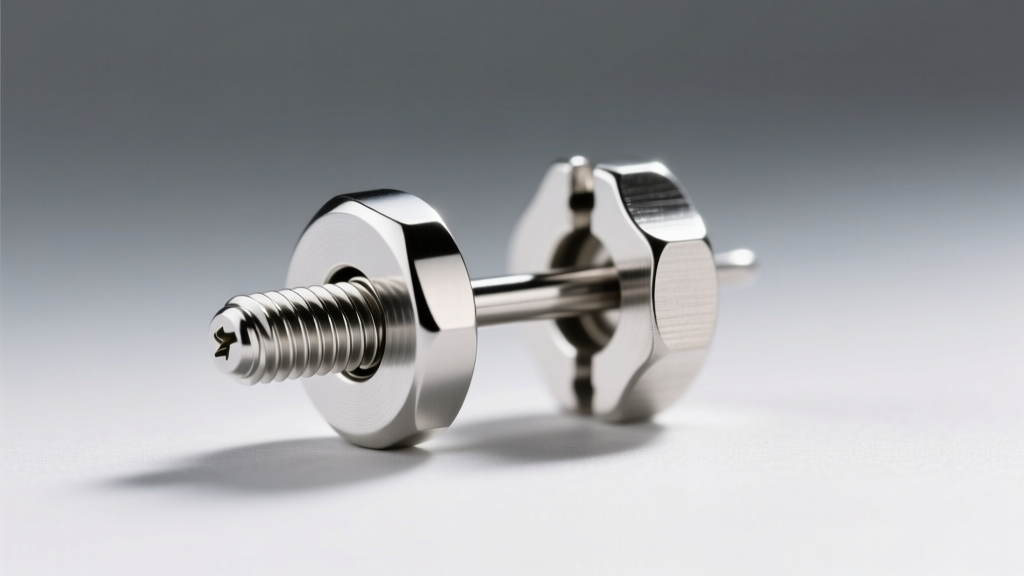
- Screw-Back Hardware: Features a threaded post and a nut that screws into place. This is the gold standard for security, especially for diamond studs. However, the threads must be precision-machined; poorly cut threads will strip the metal, rendering the earring useless. Look for hardware with a 0.8mm or 0.9mm thread pitch.
- La-Backs (Locking Ear Nuts): These feature a patented internal silicone or metal locking mechanism that grips the post securely but releases easily when squeezed. They are highly recommended for active lifestyles and travel.
- Hinged Snap Closures (Clickers): Common in hoops and huggies. The hinge pin is a major failure point if made from soft metals. High-end manufacturers use steel or titanium hinge pins, even if the hoop itself is gold, to prevent the hinge from warping and failing to 'click' shut.
How to Test and Verify Your Earring Hardware
Greenwashing is rampant in the jewelry industry. Terms like 'hypoallergenic' and 'nickel-free' are not strictly regulated in many global markets. If you suffer from contact dermatitis—as detailed by the Mayo Clinic's guidelines on metal allergies—you must verify your hardware independently.
The DMG Spot Test
Purchase a Dimethylglyoxime (DMG) nickel testing kit. By swabbing a cotton bud with the DMG solution and ammonia, then rubbing it against the earring post or clasp for 30 seconds, you can detect free nickel release. If the swab turns pink, the hardware contains leachable nickel and is unsafe for sensitive piercings, regardless of the manufacturer's claims.
Magnetic Verification
While not foolproof, a strong neodymium magnet can help identify fraudulent titanium or pure gold claims. Genuine titanium, gold, platinum, and niobium are entirely non-magnetic. If your supposedly 'pure titanium' hardware earrings exhibit a magnetic pull, they are likely a ferritic stainless steel alloy masquerading as a premium metal.
Final Verdict: Investing in Quality Findings
The hardware of an earring is its foundation. When evaluating hardware earrings, prioritize the material grade of the post and backing over the decorative elements. For everyday wear and sensitive lobes, ASTM F136 titanium and unalloyed niobium offer unmatched biocompatibility and structural resilience. For fine jewelry investments, insist on nickel-free gold alloys and precision-machined screw-back or locking mechanisms. By shifting your focus to the metallurgy of the findings, you ensure your jewelry remains comfortable, secure, and beautiful for a lifetime.


