How Long to Wait Before Changing Earrings: A Cost & Healing Guide
Discover how long to wait before changing earrings. We break down healing times, the hidden costs of infections, and the ROI of implant-grade jewelry.

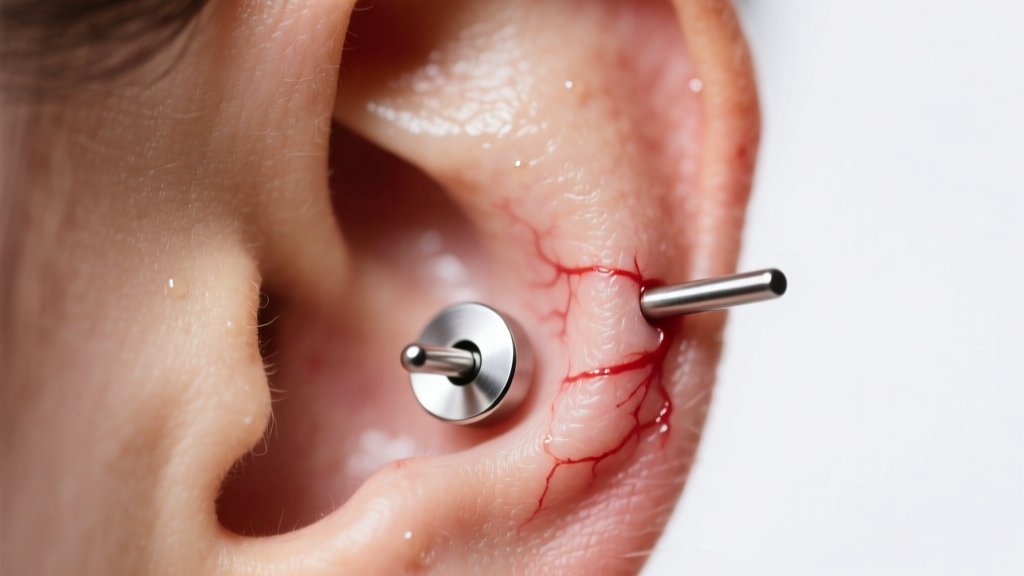
The True Financial Cost of Changing Earrings Too Early
When you get a new piercing, the excitement to swap out the initial stud for a decorative piece is overwhelming. However, from a budget and value assessment perspective, asking how long to wait before changing earrings is fundamentally a financial question. Changing your jewelry before the fistula (the piercing tunnel) has fully matured is one of the most expensive mistakes you can make in body modification.
Premature jewelry changes introduce bacteria, cause micro-tears in the healing tissue, and frequently lead to contact dermatitis or severe infections. Let us break down the actual out-of-pocket costs of impatience:
- Urgent Care or Dermatologist Visit: $150 to $350+ (without insurance) for infected cartilage or severe lobe blowouts.
- Prescription Antibiotics or Steroids: $20 to $80 out-of-pocket.
- Lost Jewelry Investment: $30 to $150 if the piece becomes embedded or must be cut out by a medical professional.
- Re-piercing Fees: $40 to $120 to pierce the same spot again after the tissue has rejected the jewelry or scarred over.
According to the Association of Professional Piercers (APP), the healing process is a biological timeline that cannot be rushed by willpower or expensive aftercare products. The value of waiting is measured in the hundreds of dollars you save by avoiding medical intervention.
Exact Healing Timelines: Lobe vs. Cartilage
To accurately assess when your piercing is financially and biologically safe to change, you must understand the specific tissue type. Earlobes are primarily vascular, soft tissue, which heals relatively quickly. Cartilage, however, is avascular—meaning it lacks direct blood supply and relies on surrounding tissue for nutrients, drastically extending the healing window.
| Piercing Type | Standard Gauge | Minimum Wait Time (Initial Change) | Full Stabilization (Safe for Heavy Dangles) |
|---|---|---|---|
| Standard Earlobe | 20G - 18G | 6 - 8 Weeks | 4 - 6 Months |
| Helix / Forward Helix | 16G | 6 - 9 Months | 9 - 12 Months |
| Conch / Tragus | 16G - 14G | 6 - 12 Months | 12+ Months |
| Industrial (Scaffold) | 14G | 9 - 12 Months | 12 - 18 Months |
| Rook / Daith | 16G | 6 - 9 Months | 12 Months |
Note that the 'Minimum Wait Time' refers only to swapping to another high-quality, internally threaded or threadless post. It does not mean the piercing is ready for heavy statement hoops or dangling earrings, which introduce leverage and torque that can cause migration and permanent angle distortion.
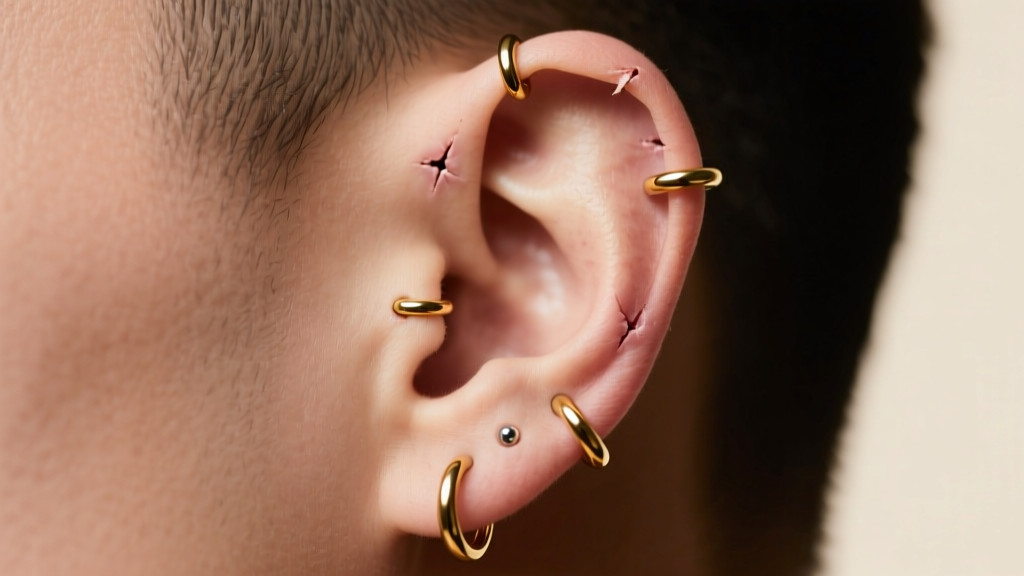
The ROI of Implant-Grade Jewelry During the Wait
A common budget trap is getting pierced with cheap 'surgical steel' and immediately swapping to low-grade fashion jewelry. To maximize the value of your piercing, your initial and first-change jewelry must be biocompatible. The gold standard for healing piercings is ASTM F-136 implant-grade titanium or solid 14k/18k gold (nickel-free, alloyed with palladium or silver).
Why Cheap Metals Cost You More
Many budget-friendly jewelry brands use 316L 'surgical steel.' While fine for fully healed piercings, 316L contains up to 10-14% nickel. When worn in an open wound (which a healing piercing is), nickel ions leach into the tissue, triggering allergic contact dermatitis. The resulting swelling, itching, and weeping fluid are often mistaken for infections, leading to unnecessary antibiotic use and prolonged healing times.
Investing $60 to $120 in a single, high-quality titanium or solid gold flat-back labret from reputable brands like BVLA, Maria Tash, or Junipurr Jewelry yields a massive long-term ROI. These pieces can be sterilized in an autoclave, reused indefinitely across different piercings, and virtually eliminate metal-allergy complications.
Budget-Friendly Aftercare vs. Expensive Mistakes
While you are waiting out the 6-to-12-month healing window, your aftercare routine should be as economical as it is effective. The Cleveland Clinic and professional piercers universally recommend a minimalist approach to cleaning.
- The Budget Winner (Sterile Saline): A can of 0.9% sterile wound wash (without additives) costs about $5 to $8 and lasts the entire healing period. Spray twice daily and let air dry.
- The Expensive Mistakes: Tea tree oil, rubbing alcohol, hydrogen peroxide, and DIY sea salt soaks. These harsh chemicals destroy new cellular growth, cause chemical burns, and lead to hypertrophic scarring (piercing bumps). Treating these bumps often requires purchasing specialized compresses, steroid creams, or professional piercer consultations ($30-$50 per session).
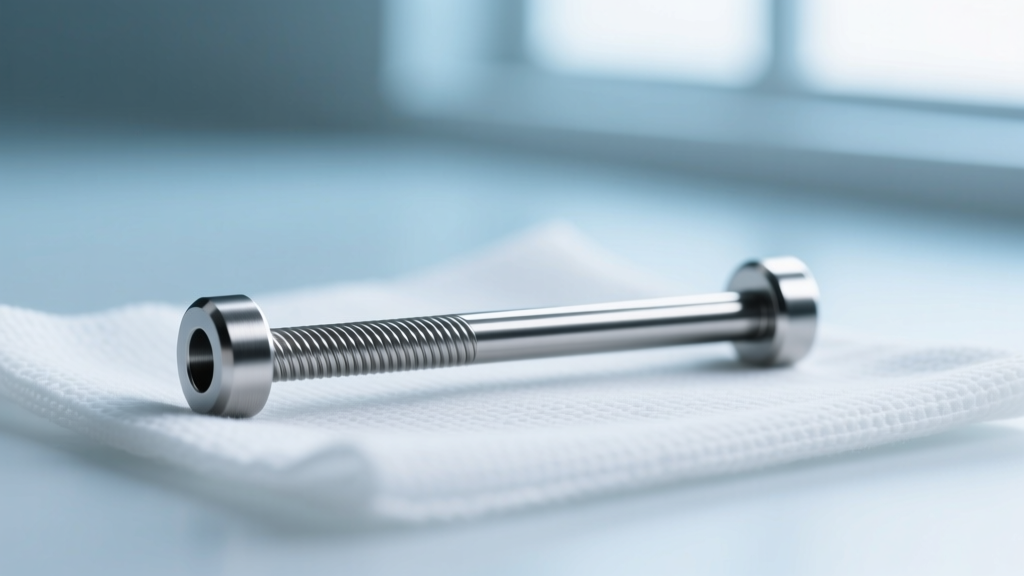
The Hidden Cost of Downsizing
When evaluating how long to wait before changing earrings, many beginners forget the crucial 'downsize' appointment. When you are initially pierced with a flat-back labret (especially in the helix, conch, or tragus), the piercer uses an extra-long post (usually 5/16' or 3/8') to accommodate swelling.
Once the swelling subsides (typically around the 2-to-4-week mark), that long post becomes a liability. It can snag on hair and clothing, introducing bacteria and altering the piercing angle. Returning to your piercer for a downsize to a snugger post (usually 1/4' or 3/16') usually costs between $15 and $30. Skipping this step to save twenty dollars frequently results in crooked healing, meaning the piercing will eventually need to be retired and repierced—a total loss of your initial investment.
How to Safely Test if Your Piercing is Ready
Before rushing to change your earrings, perform a physical assessment. The fistula should feel like a smooth, flexible tube of skin. If you experience any of the following, your biological clock has not finished its work, regardless of what the calendar says:
- Pain or sharp stinging when gently rotating the jewelry.
- Presence of lymphatic crusties (yellowish or white secretions) on the entry or exit holes.
- Tenderness, heat, or localized redness when pressing the surrounding tissue.
For a comprehensive medical perspective on wound healing timelines, the Mayo Clinic emphasizes that cartilage infections can rapidly escalate to perichondritis, a severe condition requiring aggressive medical treatment. Patience is not just a virtue in body jewelry; it is a strict financial and medical necessity.
Summary: Patience as a Financial Strategy
Ultimately, knowing how long to wait before changing earrings is about protecting your financial and physical investment. By adhering to the 6-8 week minimum for lobes and the 6-12 month minimum for cartilage, utilizing ASTM F-136 titanium, and sticking to a $5 sterile saline aftercare routine, you ensure your piercings heal flawlessly. Do not let a momentary desire for a new aesthetic cost you hundreds of dollars in medical and correction fees. True style value is built on a foundation of healthy, well-healed tissue.


