Earrings Too Heavy? Style Hacks for the 2026 Maximalist Trend
Are your earrings too heavy? Discover 2026 maximalist trend hacks, material swaps, and structural supports to wear statement pieces pain-free.

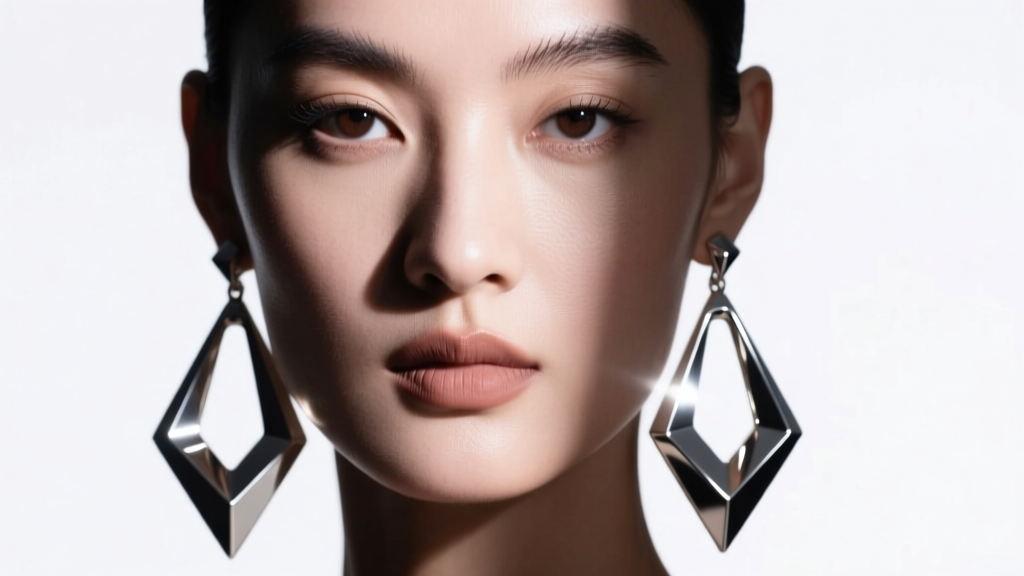
The 2026 Maximalist Revival: Why Statement Pieces Are Dominating
The 2026 jewelry landscape has fully embraced structural maximalism. Runways and street style alike are saturated with cascading chain drops, oversized sculptural resins, and architectural metalwork that pushes the boundaries of traditional ear adornment. While these pieces are undeniably striking, they introduce a universal problem for jewelry lovers: what happens when your earrings are simply too heavy to wear comfortably for more than an hour? The desire to participate in this bold trend often clashes with the anatomical realities of the human earlobe. Fortunately, the intersection of modern material science and clever styling hacks has provided a roadmap for wearing heavy statement pieces without sacrificing comfort or compromising your piercing health.
The Anatomy of Lobe Strain: The Physics of Heavy Jewelry
To understand why certain earrings cause pain, we must examine the anatomy of the earlobe and the physics of suspended weight. The standard lobe piercing creates a fistula—a tube of healed scar tissue. This tissue is resilient but lacks the structural rigidity of cartilage. When an earring is too heavy, gravity pulls the decorative element downward, creating a fulcrum effect at the point where the wire rests against the bottom of the fistula.
This leads to the dreaded "cheese-cutter effect." If the earring utilizes a thin wire, such as a 22-gauge (0.64mm) or 24-gauge hook, the surface area pressing against the tissue is minuscule. The resulting high pressure can slowly slice through the bottom of the fistula, leading to irreversible lobe elongation or tearing. Conversely, a thicker 16-gauge (1.29mm) or 14-gauge (1.63mm) wire distributes the weight over a wider surface area, reducing localized pressure but potentially causing friction if the fistula was originally pierced at a standard 20-gauge (0.81mm) or 18-gauge (1.02mm). Understanding this dynamic is the first step in curating a heavy earring wardrobe that respects your anatomy.
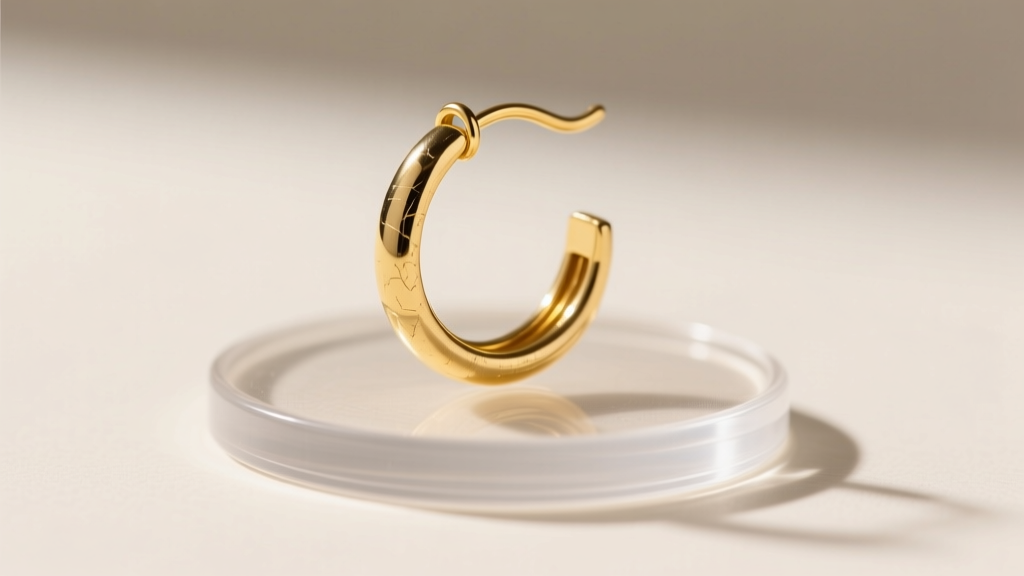
Material Science: Swapping Dense Metals for Aerospace Alternatives
One of the most effective ways to combat the issue of earrings being too heavy is to manipulate the material density. Many affordable statement earrings are cast in solid brass or bronze, which are incredibly dense metals. By swapping these for advanced alloys or hollow-formed designs, you can maintain the visual volume of a maximalist piece while slashing its physical weight.
| Material | Density (g/cm³) | Weight Profile | Best For |
|---|---|---|---|
| Solid Brass / Bronze | 8.4 - 8.8 | Very Heavy | Small studs, ear cuffs |
| Sterling Silver (925) | 10.4 | Heavy | Medium hoops, huggies |
| 14k Yellow Gold | 12.9 - 14.6 | Extremely Heavy | Small solid casts, fine chains |
| Acrylic / Resin | 1.1 - 1.3 | Ultra-Lightweight | Oversized geometric drops |
| Ti-6Al-4V (Grade 5 Titanium) | 4.4 | Lightweight & Strong | Large sculptural metals, sensitive ears |
As the table illustrates, aerospace-grade titanium (specifically Ti-6Al-4V) offers a remarkable strength-to-weight ratio. It is nearly three times lighter than 14k gold and significantly lighter than brass, yet it possesses the rigidity required to hold complex, oversized shapes without bending. Furthermore, titanium is highly biocompatible, eliminating the risk of nickel-induced contact dermatitis, a common issue with heavy, cheaply plated statement pieces.
Structural Hacks: How to Support the Weight
When you already own a pair of beautiful statement earrings but find they are too heavy for extended wear, structural modifications and support accessories become essential. Here are the most effective, piercer-approved methods for redistributing weight:
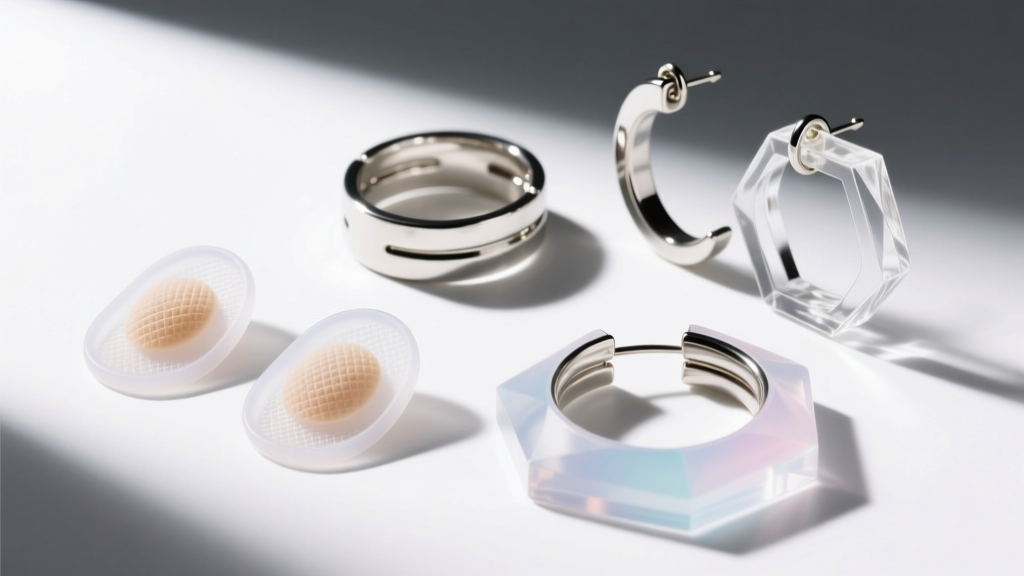
1. Silicone Disc Backers and O-Rings
Standard butterfly backs concentrate the earring's pulling force onto a tiny point behind the lobe. Replacing these with wide, medical-grade silicone disc backers (often 10mm to 14mm in diameter) creates a broad shelf that supports the earring post. For french wire hooks, threading a small silicone O-ring onto the wire before inserting it into the ear prevents the heavy drop from pulling the wire forward and stretching the front of the fistula.
2. Invisible Lobe Patches
Adhesive lobe support patches are a game-changer for heavy dangles. These thin, transparent, medical-grade tape stickers adhere to the back of the earlobe and feature a reinforced slit for the earring post. The adhesive bonds to your skin, effectively transferring the weight of the earring from the fragile fistula to the broader, more resilient surface area of the lobe's skin.
3. Cartilage Transfer via Ear Cuffs
For excessively heavy drop earrings, consider a stylistic modification: attach a delicate, lightweight chain from the top of the earring to a secure ear cuff positioned on the helix or conch. This bypasses the lobe entirely, allowing the stronger, cartilage-rich upper ear to bear the brunt of the weight while creating an edgy, interconnected aesthetic that perfectly aligns with 2026 styling trends.
Styling the Heavy Drop: Balancing Proportions
Wearing heavy earrings is not just a physical challenge; it is a visual one. Because these pieces command attention, balancing them with your face shape and overall styling is crucial to avoid looking overwhelmed by the jewelry.
- Round Face Shapes: Opt for heavy, elongated drop earrings with sharp, angular lines (like geometric titanium or faceted resin). The vertical weight draws the eye downward, creating an illusion of length. Avoid heavy, oversized hoops, which will only emphasize facial width.
- Square Face Shapes: Soften a strong jawline with heavy earrings that feature curved, organic silhouettes. Think oversized, fluid metal pours or large, smooth acrylic spheres. The weight should sit just below the jawline to elongate the neck.
- Heart Face Shapes: Balance a wider forehead and narrower chin with heavy chandelier or teardrop styles that add visual volume to the lower half of the face. Ensure the widest part of the earring sits below the earlobe.
- Oval Face Shapes: The most versatile canvas. You can experiment with heavy, asymmetrical statement pieces or oversized sculptural studs that sit flush against the lobe, utilizing silicone backers to prevent the heavy front from drooping forward.
Recognizing Tissue Damage: When to Downsize
While styling hacks can mitigate discomfort, it is vital to recognize the physiological warning signs that your earrings are too heavy and causing active damage. According to guidelines from the Association of Professional Piercers (APP), persistent redness, a feeling of "heat" in the earlobe, or a visible thinning of the tissue between the piercing hole and the edge of the ear are immediate red flags.
If you notice the fistula migrating downward, you must remove the heavy jewelry immediately to prevent a complete blowout or lobe split. The American Academy of Dermatology (AAD) also warns that chronic tension on the earlobe can lead to localized ischemia (restricted blood flow), which delays healing and increases susceptibility to bacterial infections. If you experience these symptoms, downsize to lightweight titanium or hollow acrylic pieces, and allow the tissue to recover. For severe elongation, consult a board-certified dermatologist or a specialized cosmetic surgeon regarding lobe reconstruction or the strategic use of dermal fillers to temporarily plump and support stretched tissue.
Final Thoughts on the Maximalist Ear
The 2026 maximalist trend proves that bigger can indeed be better, provided you respect the biomechanics of your piercings. By prioritizing low-density materials like Grade 5 titanium, utilizing wide silicone backers, and employing adhesive lobe patches, you can confidently wear the season's heaviest, most avant-garde designs. Style should never require suffering; with the right structural interventions, your earlobes can carry the weight of high fashion effortlessly.


