Hello Kitty Dangle Earrings: Authenticity, Metals & Lobe Ergonomics
Master the technical details of Hello Kitty dangle earrings. Learn authentication markers, metal grades, gauge sizes, and lobe weight limits.

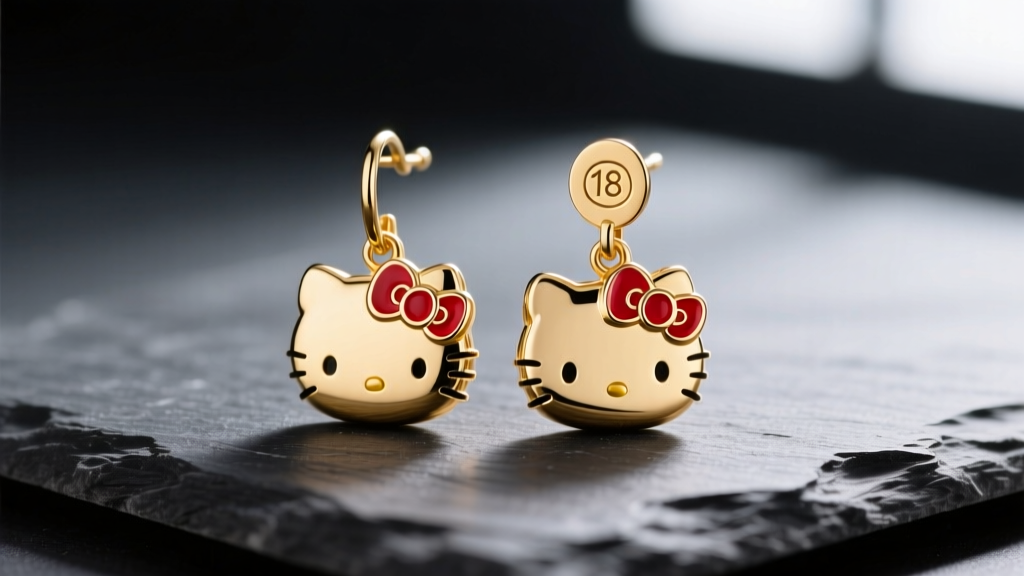
The secondary market for vintage and limited-edition Hello Kitty dangle earrings has experienced a massive surge leading into 2026. As Sanrio continues to collaborate with high-end jewelers and streetwear brands, the demand for these iconic pieces has outpaced supply, inevitably flooding the market with sophisticated counterfeits. However, beyond the aesthetics and collectibility, Hello Kitty dangle earrings present specific biomechanical and metallurgical challenges that every serious collector and wearer must understand.
This expert deep dive bypasses generic styling advice to focus on the technical realities of dangle earrings: the physics of lobe stress, the precise metallurgy of licensed Sanrio jewelry, and the microscopic authentication markers that separate genuine artifacts from mass-produced fakes.
The Biomechanics of Dangles: Weight, Gauge, and Fistula Stress
Unlike studs or huggies that sit flush against the ear, dangle earrings operate on a pendulum effect. Every time you turn your head, the kinetic energy of the swinging mass transfers directly to the fistula (the piercing channel). Understanding this biomechanical stress is critical when selecting Hello Kitty dangles, which often feature heavy enamel heads, solid metal bows, and occasionally inset cubic zirconia.
Gauge Thickness and Shear Strength
Standard lobe piercings are typically done at 20-gauge (0.81mm) or 18-gauge (1.02mm). However, heavy dangles require thicker posts to prevent bending and the dreaded 'cheese-cutter effect,' where a thin wire slowly migrates through the earlobe tissue under sustained tension. According to guidelines referenced by the Association of Professional Piercers, jewelry intended for long-term wear in stressed fistulas should ideally be 16-gauge (1.29mm) or 14-gauge (1.63mm) to distribute the load safely.
- 20-Gauge (0.81mm): Suitable only for lightweight, hollow-metal Hello Kitty dangles under 4 grams.
- 18-Gauge (1.02mm): The standard for most authentic mid-weight Sanrio dangles (5-8 grams).
- 16-Gauge (1.29mm): Required for heavy, solid-cast enamel dangles exceeding 10 grams to prevent lobe migration and collagen breakdown.
Metallurgy and Material Grades in Licensed Sanrio Jewelry
The base metal and plating thickness dictate both the longevity and the biocompatibility of your earrings. In 2026, licensed Sanrio jewelry partners have largely shifted toward recycled 925 sterling silver and hypoallergenic 316L surgical steel for their premium lines, moving away from the reactive brass bases of the early 2000s.
Gold Vermeil vs. Flash Plating
Authentic gold-toned Hello Kitty dangles utilize gold vermeil, which legally requires a base of 925 sterling silver plated with a minimum of 2.5 microns of 10k, 14k, or 18k gold. Counterfeit manufacturers use 'flash plating' over cheap zinc alloys or brass. Flash plating is typically less than 0.1 microns thick and will wear off within weeks, exposing the reactive base metal.
This exposure is not just a cosmetic issue; it is a medical one. Cheap counterfeit alloys frequently contain high levels of nickel to add hardness and shine. As noted by the American Academy of Dermatology, nickel exposure from jewelry is a leading cause of allergic contact dermatitis, resulting in weeping, itchy, and swollen earlobes. Genuine 316L surgical steel and high-grade vermeil effectively eliminate this risk.
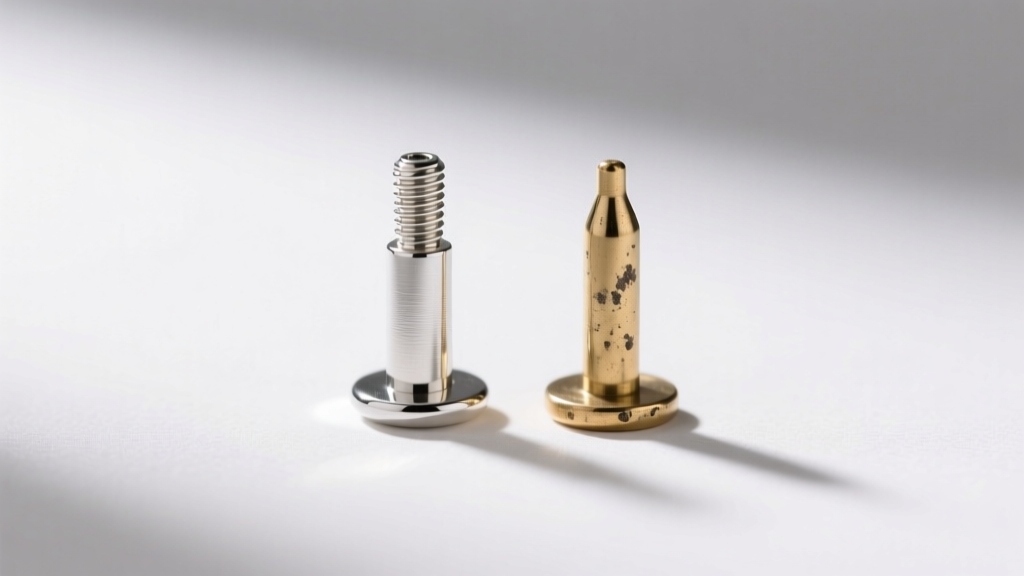
Authentication Deep Dive: Spotting Counterfeit Hello Kitty Dangles
As counterfeit manufacturing has evolved, visual inspection from a distance is no longer sufficient. Authenticating Hello Kitty dangle earrings requires a macro-level examination of the enamel application, the cloisonné lines, and the hallmark stamping.
Enamel Application and Cloisonné Lines
Authentic Sanrio jewelry uses high-grade cold enamel (epoxy resin) or vitreous enamel. The metal lines (cloisons) separating the colors are perfectly flush or slightly domed, and the enamel is cleanly recessed without bleeding. On counterfeits, the 'enamel' is often just thick acrylic paint. Under a 10x jeweler's loupe, you will notice the paint overlapping the metal borders, and the surface will show micro-bubbles or uneven curing.
Hallmarks, Stamping, and Micro-Engraving
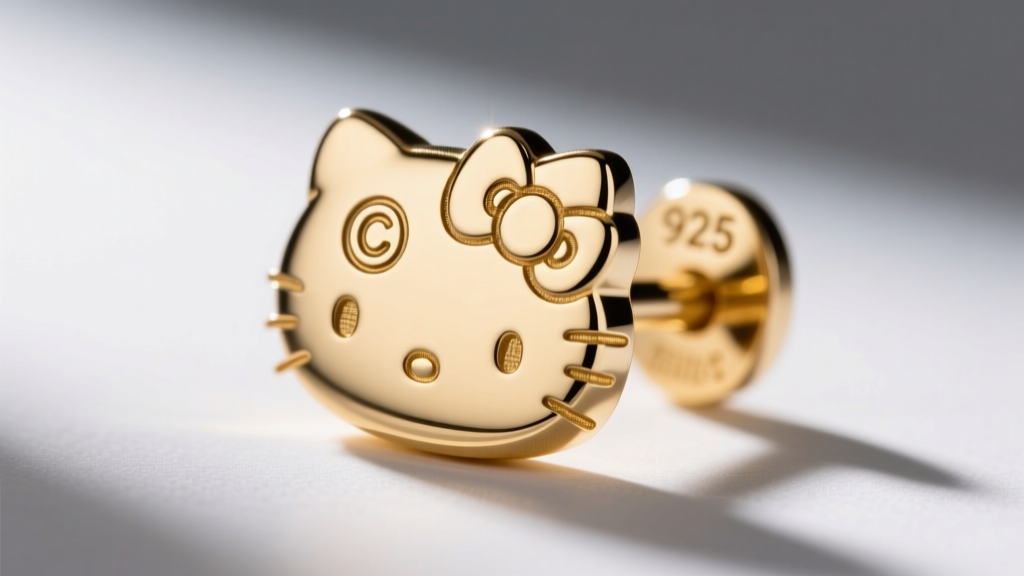
Every authentic piece of licensed jewelry features a copyright stamp. For Hello Kitty, this is typically © SANRIO or © '76 SANRIO (referencing the character's creation era). On fakes, the stamping is often shallow, blurred, or missing the copyright symbol entirely. Furthermore, the font weight on genuine Sanrio stamps is remarkably consistent, whereas counterfeit dies often feature an asymmetrical 'R' or a malformed 'S'.
Expert Tip: Always inspect the butterfly back or clutch of the earring. Authentic 925 silver dangles will feature a stamped '925' on the flat surface of the clutch, not just the post. Fakes often stamp the post but leave the clutch unmarked or stamp it with a generic 'METAL' or 'ALLOY' tag.
Technical Comparison: Authentic vs. Counterfeit Specifications
Use this matrix to evaluate potential purchases, especially when sourcing from secondary markets, vintage resellers, or online auction sites.
| Specification | Authentic Sanrio Dangle | Counterfeit Dangle |
|---|---|---|
| Base Metal | 925 Sterling Silver or 316L Steel | Zinc Alloy, Brass, or Copper |
| Plating Thickness | Vermeil (Min. 2.5 microns) | Flash Plating (< 0.1 microns) |
| Post Gauge | 18g (1.02mm) or 16g (1.29mm) | 22g (0.64mm) - easily bent |
| Enamel Quality | Flush, bubble-free cold enamel | Acrylic paint, bleeds over lines |
| Hallmark | Deep, crisp '© SANRIO' & '925' | Shallow, missing ©, or blank |
| Weight | Accurately balanced (6-12g) | Top-heavy, poor weight distribution |
Ergonomic Solutions for Heavy Dangle Earrings
If you have acquired a pair of heavy, authentic Hello Kitty dangle earrings (such as the solid resin or gemstone-encrusted limited editions), you must mitigate the gravitational pull on your lobes to prevent permanent stretching and ischemia (restricted blood flow) to the fistula tissue.
- Silicone O-Rings: Ditch the standard metal butterfly backs. Use thick silicone o-rings (often sold as earring stabilizers) which grip the post tighter and distribute the backing pressure over a wider surface area of the earlobe.
- Ear Support Patches: Adhesive, invisible support patches stick to the back of the earlobe and provide a rigid barrier that prevents the earring from drooping forward, keeping the Hello Kitty face perfectly upright.
- Wear Time Limits: Restrict heavy dangles to 4-6 hours of wear. Prolonged tension accelerates tissue migration and can cause micro-tears in the fistula lining.
Sourcing and Final Verdict
When building a collection of Hello Kitty dangle earrings, provenance is everything. The safest route is purchasing directly from Sanrio Official or authorized high-end collaborators. If you are navigating the secondary market, demand high-resolution macro photos of the hallmarks, the clutch, and the enamel borders before committing to a purchase. By understanding the metallurgy, gauge requirements, and authentication markers detailed above, you can protect your investment and your earlobe health, ensuring your Sanrio collection remains both pristine and comfortable for years to come.


