Material Guide for Hinged Back Earrings: Metals & Durability
Discover the best metals for hinged back earrings. Compare titanium, gold, and platinum for durability, hinge strength, and hypoallergenic safety.

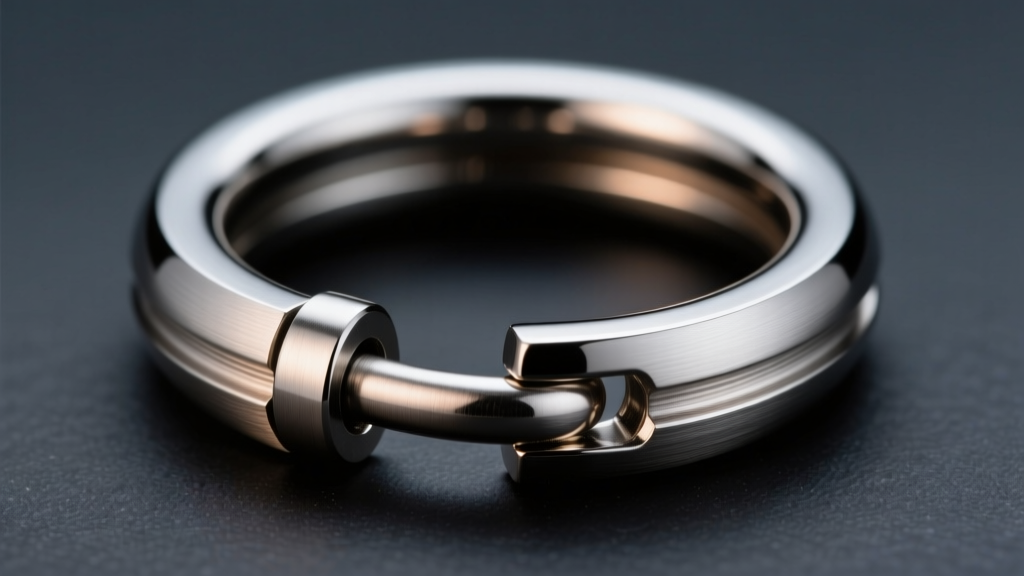
The Micro-Engineering of Hinged Back Earrings
When we evaluate jewelry, we often focus on gemstone clarity or aesthetic design. However, hinged back earrings—commonly known as huggies, clickers, or small seamless hoops—are fundamentally mechanical devices. The success, longevity, and safety of these earrings rely entirely on the metallurgical properties of the materials used. A hinged hoop must endure repetitive sheer stress on a microscopic pin, maintain clasp tension over thousands of open-close cycles, and remain biocompatible against the sensitive skin of the earlobe or cartilage.
Unlike standard post-and-butterfly stud earrings, hinged back earrings feature a barrel or butt hinge joined by a pin typically measuring between 0.6mm and 1.0mm in diameter. The opposite end utilizes a tension-based click clasp or a friction-fit post. If the metal is too soft, the clasp stretches and the earring falls out. If the metal is too brittle, the hinge pin shears under lateral pressure. Understanding the material science behind these mechanisms is critical for both consumers and jewelers.
Material Properties: Why Soft Metals Fail
The fundamental rule of hinged jewelry is that pure, unalloyed precious metals are mechanically unsuitable. Pure 24k gold and fine 999 silver possess high malleability but exceptionally low Vickers hardness. In a hinged mechanism, a pure gold clasp will lose its tension memory within weeks, leading to a compromised closure that constantly pops open during sleep or physical activity.
14k vs. 18k Gold Alloys
Gold must be alloyed with metals like copper, silver, zinc, or palladium to achieve the structural integrity required for a hinge. According to the Gemological Institute of America (GIA), 14k gold (58.5% pure gold) offers a significantly higher Vickers hardness (approx. 140-160 HV) compared to 18k gold (75% pure gold, approx. 120-135 HV). For hinged back earrings, 14k gold is the superior choice for the clasp and hinge components. The higher copper and zinc content provides the necessary "springback" memory required for the click mechanism to snap securely into place and stay there.
While 18k gold offers a richer, warmer color and higher intrinsic value, it is prone to clasp stretching. If you purchase 18k hinged hoops, look for designs where the hinge pin and clasp notch are reinforced with a platinum or white gold sleeve to prevent mechanical fatigue.
ASTM F136 Implant-Grade Titanium
For those with hyper-sensitive ears or fresh cartilage piercings, ASTM F136 implant-grade titanium (Ti6Al4V ELI) is the gold standard. Titanium boasts an exceptional strength-to-weight ratio and a Vickers hardness of around 350 HV, making it virtually immune to the clasp-stretching issues that plague high-karat gold. Furthermore, titanium is entirely nickel-free, eliminating the risk of allergic contact dermatitis, a common issue detailed in Mayo Clinic's dermatological guidelines.
The primary drawback of titanium is its manufacturing difficulty. Because it has a very high melting point and reacts with oxygen when molten, titanium hinged earrings cannot be traditionally cast. They must be CNC-machined from solid billets. This results in incredibly precise, tight-fitting barrel hinges that click with satisfying, mechanical perfection, though it limits the availability of highly ornate or filigree designs.
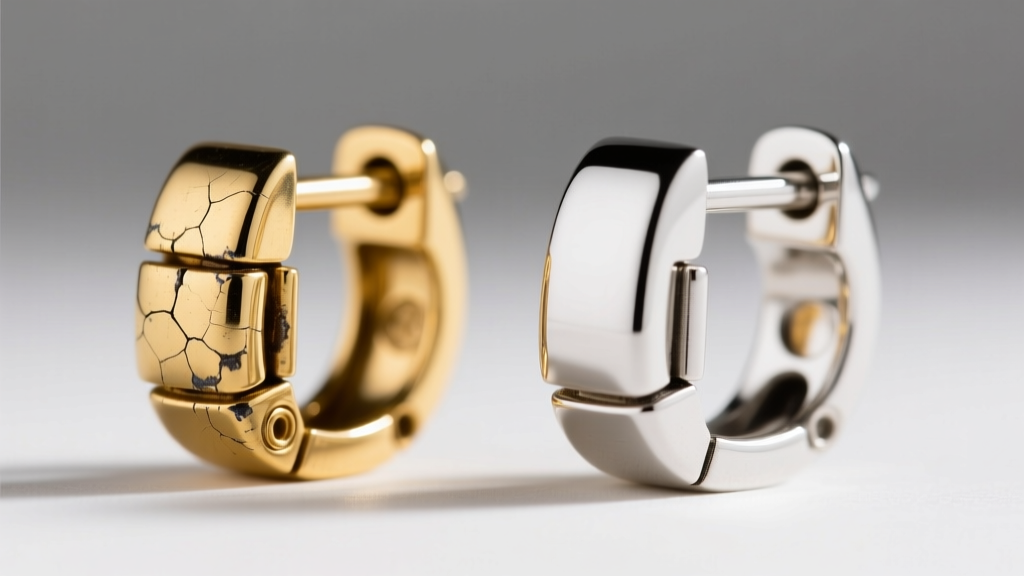
Platinum 950 (Pt950)
Platinum is a dense, heavy, and highly durable precious metal. Alloyed typically with 5% ruthenium or iridium (Pt950), it achieves a hardness of roughly 135-150 HV. While its hardness is similar to 18k gold, platinum's tensile strength and ductility are vastly superior. When a platinum hinge is stressed, it tends to bend rather than snap or fracture. Platinum hinged hoops are incredibly secure and will outlast gold counterparts by decades, though they will develop a soft patina over time due to the metal's tendency to displace rather than wear away.
316L Surgical Stainless Steel
316L steel is a budget-friendly, highly polished option with a high Vickers hardness (approx. 150-190 HV). It machines beautifully, allowing for crisp, sharp hinge mechanisms. However, 316L steel contains trace amounts of nickel (typically 10-14%). While the low-carbon "L" grade minimizes corrosion and nickel leaching in most healed piercings, it remains a risk factor for individuals with severe nickel allergies. It is best reserved for fully healed lobe piercings rather than fresh cartilage projects.
Material Comparison Matrix
When selecting hinged back earrings, balancing biocompatibility with mechanical hardness is essential. The table below outlines the core properties of standard jewelry metals used in hinged mechanisms.
| Material | Alloy Grade | Hardness (HV) | Nickel Content | Hinge Durability | Avg. Price Range |
|---|---|---|---|---|---|
| Titanium | ASTM F136 | ~350 | None | Exceptional | $40 - $120 |
| White Gold | 14k (Nickel-Free) | ~160 | None (if Pd alloyed) | Excellent | $150 - $400 |
| Yellow Gold | 18k | ~125 | None | Moderate (Prone to stretching) | $250 - $800+ |
| Platinum | Pt950 (Ru/Ir) | ~140 | None | Superior (High tensile strength) | $600 - $2,000+ |
| Steel | 316L Surgical | ~170 | 10-14% | Very Good | $15 - $45 |
Hidden Failure Modes in Hinged Mechanisms
Even if the primary metal is high-quality, the engineering of the hinge itself can introduce catastrophic failure points. Be aware of these common manufacturing flaws:
- Galvanic Corrosion: Many budget brands use a 14k gold hoop but insert a stainless steel hinge pin to save on precious metal costs. When exposed to sweat, humidity, and ear sebum, this bi-metallic junction creates a galvanic cell. The steel pin will rapidly corrode, leading to a seized hinge that snaps when forced open.
- Hollow Tubing Hinges: To reduce the gold weight (and price) of huggie earrings, some manufacturers use hollow gold tubing. While the hoop itself may look thick, the hinge pin and the surrounding barrel are incredibly thin. Lateral pressure from sleeping on the earring will easily crush the hollow barrel, permanently jamming the hinge.
- Notch Wear in Soft Alloys: The "click" of a hinged earring relies on a tiny metal dimple snapping into a corresponding groove. In softer metals like 22k gold or high-silver alloys, this groove wears down into a smooth ramp within months, rendering the closure entirely insecure.
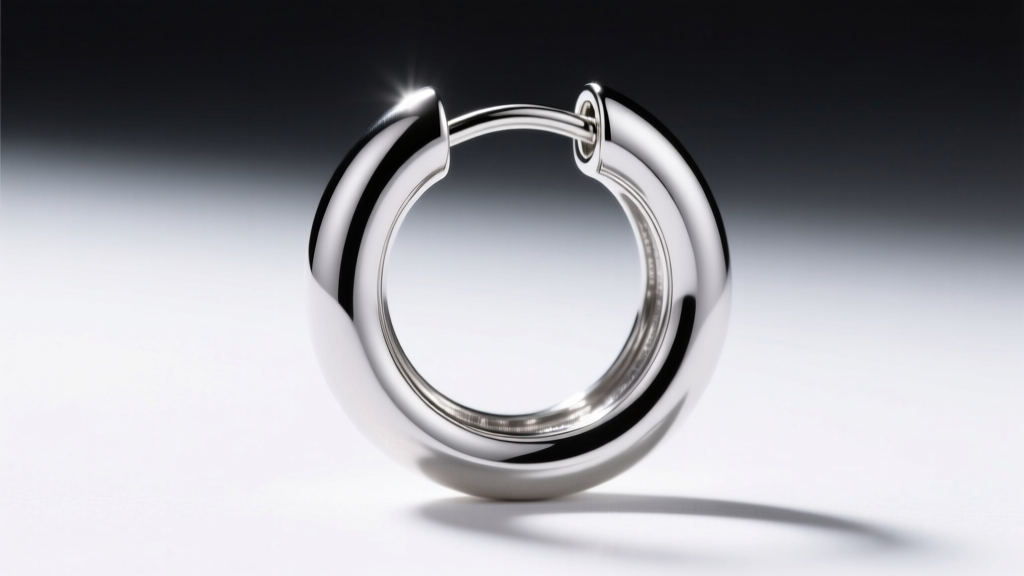
Gauge Thickness and Hinge Proportions
The wire gauge of the earring dictates the maximum possible diameter of the hinge pin, which directly correlates to shear strength. For hinged back earrings, the 16-gauge (1.2mm) and 18-gauge (1.0mm) sizes are the industry standards.
A 16-gauge earring allows for a robust hinge pin (usually around 0.9mm) and thick barrel walls, making it the ideal choice for cartilage placements like the helix or tragus, where the jewelry is subject to snagging and lateral torque. Conversely, 18-gauge and 20-gauge (0.8mm) hinged hoops require micro-hinges. While 20-gauge micro-hinges are perfectly fine for delicate, low-impact earlobe wear, they are highly susceptible to bending if used in active cartilage piercings. Always match the gauge thickness to the physical demands of the specific piercing placement.
Expert Verdict: Selecting Your Metal
Choosing the right material for hinged back earrings requires matching the metal's mechanical properties to your lifestyle and biological needs. If you prioritize absolute security, hypoallergenic safety, and mechanical precision, CNC-machined ASTM F136 Titanium is unmatched. For those seeking the prestige and warmth of precious metals, 14k Gold offers the best balance of luxury and structural hardness for a reliable click clasp. Avoid pure metals and be highly skeptical of mixed-metal hinges that invite galvanic corrosion.
Pro-Tip for Hinge Longevity: Never apply excessive lateral force to open a stuck hinged earring. If a barrel hinge seizes, it is usually due to trapped sebum or microscopic debris, not metal fusion. Soak the earring in warm, distilled water with a drop of mild, fragrance-free soap, and use a soft-bristled brush to clean the joint before attempting to open it again.


