The History of Earrings: Ancient Origins to Modern Piercing Trends
Discover the rich history of earrings, from ancient Sumerian gold hoops to modern implant-grade titanium studs, in this beginner-friendly guide.

The Dawn of Ear Adornment: Sumeria and Ancient Egypt
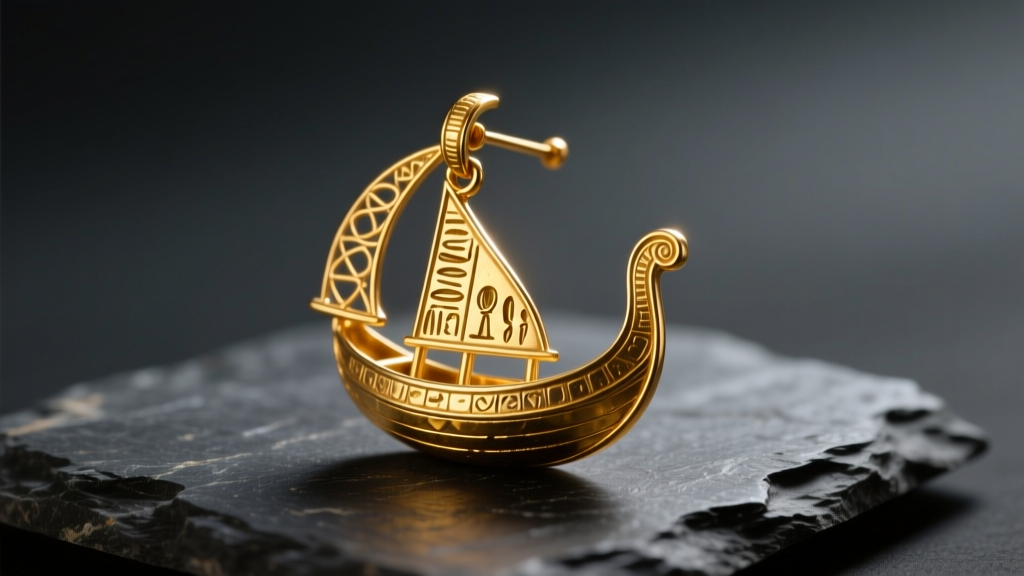
When we think of the history of earrings, we often picture modern diamond studs or minimalist gold hoops. However, the earliest archaeological evidence of ear piercing dates back to roughly 2500 BCE in the ancient Sumerian city of Ur. Excavations of the Royal Cemetery of Ur, notably the tomb of Queen Puabi, revealed elaborate, heavy gold crescent hoops. According to archives from The British Museum, these early adornments were not merely decorative; they were profound indicators of wealth, divine favor, and social hierarchy.
From a structural perspective, ancient Sumerian earrings were incredibly heavy. Crafted from solid gold and sometimes inlaid with lapis lazuli, they required thick wire for the ear hook—often measuring between 2.5mm and 3.2mm in diameter. In modern piercing terms, this equates to an 8-gauge or 10-gauge thickness. Because the human earlobe is highly elastic, wearing such heavy, thick-gauge gold naturally resulted in significant lobe stretching over time, a practice that remains popular in modern body modification circles.
In Ancient Egypt, earrings evolved beyond simple hoops. By the New Kingdom (circa 1550–1070 BCE), ear studs and plug-style earrings became prevalent among both men and women. Pharaohs like Tutankhamun were buried with intricate gold and glass ear ornaments. Interestingly, while the pharaohs wore earrings, the lower classes often utilized simpler materials like carved bone, wood, or semi-precious stones, highlighting how material grades have always dictated the accessibility of ear adornment.
The Classical Era: Greek and Roman Innovations
The Hellenistic period introduced a massive leap in jewelry craftsmanship: the art of granulation and the creation of complex pendant earrings. Greek jewelers began soldering tiny gold spheres onto hoop bases, creating intricate designs that caught the light. They also introduced the use of colored gemstones, such as garnets and emeralds, set into the goldwork.
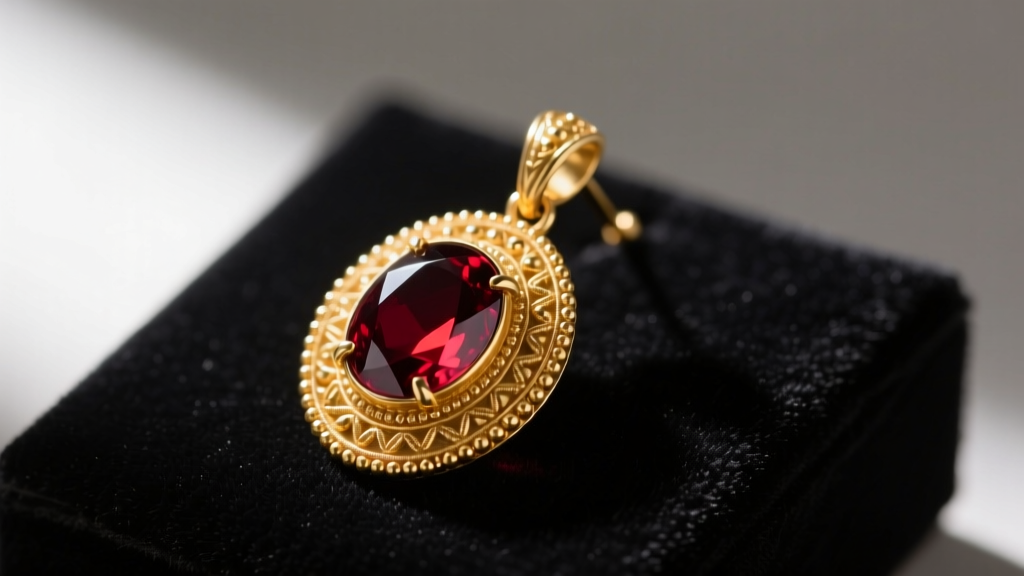
By the time of the Roman Empire, earrings had become a staple of female fashion across the Mediterranean. The Roman naturalist Pliny the Elder famously lamented the exorbitant sums women spent on pearl earrings, noting that some women wore the equivalent of a small fortune dangling from their ears. The Romans also popularized the 'ear wire'—a thinner, curved piece of metal that passed entirely through the piercing and hooked at the back. This was a major ergonomic improvement over the thick, heavy Sumerian hooks, allowing for lighter, more elaborate dangle designs without requiring stretched lobes. Standard Roman ear wires were closer to 16-gauge (1.29mm), a size that remains the standard for modern cartilage piercings today.
The Dark Ages to the Renaissance: Shifting Silhouettes
During the early Middle Ages in Europe, the history of earrings experienced a sudden halt. Women's fashion shifted toward high collars, wimples, and heavy head coverings that completely obscured the ears. Earrings were largely deemed unnecessary and, in some religious contexts, immodest. However, they never truly disappeared; they remained popular in the Byzantine Empire and the Islamic world, where intricate gold filigree and enamel work continued to flourish.
The Renaissance brought earrings back into the European spotlight. As hairstyles swept upward and elaborate ruffs gave way to open necklines, the ears were once again visible. This era also saw the rise of men wearing single earrings. Sailors, in particular, adopted the gold hoop earring for practical and superstitious reasons. A common maritime myth suggested that piercing the earlobe improved long-distance eyesight, while the gold hoop served as a form of portable wealth to pay for a Christian burial if the sailor drowned and washed ashore.
The 20th Century: The Invention of the Modern Piercing
The most dramatic shift in the history of earrings occurred in the 20th century, driven by changing social norms and technological advancements in metallurgy and piercing tools. In the 1930s and 1940s, ear piercing fell out of favor in Western culture, leading to the mass production of clip-on and screw-back earrings. These non-pierced alternatives relied on mechanical tension, which often caused cartilage bruising and lobe discomfort after prolonged wear.
The 1970s marked the commercialization of the piercing gun, a device that used blunt force to push a sharpened earring stud through the tissue. While popular in mall kiosks, modern professional piercers heavily criticize this method. Piercing guns cause blunt force trauma, leading to tissue necrosis and prolonged healing times. Furthermore, the plastic components cannot be properly sterilized in an autoclave. Today, the industry standard is the single-use, tri-bevel hollow needle, which cleanly removes a tiny core of tissue, ensuring a smooth, rapid healing process.
Evolution of Earring Fastenings and Gauge Standards
| Era / Type | Fastening Method | Typical Gauge Size | Modern Equivalent / Use |
|---|---|---|---|
| Ancient Sumerian | Thick Crescent Hook | 10g - 8g (2.5 - 3.2mm) | Stretched lobes / Heavy plugs |
| Roman Ear Wire | Curved Wire Hook | 16g - 14g (1.2 - 1.6mm) | Standard cartilage / Daith piercings |
| Victorian Screw | Threaded Post & Nut | 18g (1.0mm) | Vintage non-pierced adaptors |
| 1970s Piercing Gun | Butterfly Clutch (Friction) | 20g - 18g (0.8 - 1.0mm) | Standard lobe piercings (not recommended) |
| Modern Professional | Internally Threaded / Labret | 16g - 14g (1.2 - 1.6mm) | Flat-back labrets for lobes & cartilage |
Modern Metallurgy: What We Can Learn from Historical Failures
One of the most critical aspects of the history of earrings is the evolution of the metals used against the skin. Ancient and medieval jewelers frequently utilized brass, bronze, and low-karat gold alloys that contained high levels of copper, zinc, and sometimes lead. When exposed to the natural oils, sweat, and microscopic blood present in a healing piercing, these reactive metals oxidize, causing the infamous 'green skin' effect and triggering severe contact dermatitis or localized necrosis.
Today, the benchmark for safe, hypoallergenic earrings is ASTM F136 implant-grade titanium. Unlike commercial 'surgical steel' (which often contains up to 10% nickel, a common allergen), implant-grade titanium is entirely nickel-free and biologically inert. For beginners looking to buy their first pair of high-quality earrings or upgrade from fast-fashion jewelry, verifying that the post or wire is made from ASTM F136 titanium, solid 14k/18k gold, or pure niobium is non-negotiable for preventing allergic reactions and ensuring long-term tissue health.
How to Choose Historically Inspired Earrings Today
If you are captivated by the aesthetics of ancient jewelry, you do not have to sacrifice modern safety standards to wear historically inspired pieces. Here is a practical framework for buying vintage-style earrings:
- Check the Wire Gauge: If you are buying reproduction Roman or Greek ear wires, ensure the wire is no thicker than 18-gauge (1.02mm) or 16-gauge (1.29mm) to avoid irritating a standard 20-gauge lobe piercing.
- Demand Solid Metals: Avoid gold-plated brass replicas. The friction of insertion will quickly wear away the microscopic gold layer, exposing the reactive brass underneath. Opt for solid 14k gold or gold-vermeil over a sterling silver base.
- Upgrade the Backings: Historical friction hooks can easily fall out. Look for modern reproductions that feature a small silicone O-ring stopper or a threaded ball closure on the back of the wire to secure the earring without altering the historical silhouette.

The history of earrings is a testament to human ingenuity, reflecting our evolving understanding of metallurgy, anatomy, and aesthetics. From the heavy, stretched lobes of Sumerian royalty to the precise, internally threaded titanium labrets of the modern era, earrings remain one of our most intimate and enduring forms of self-expression. By understanding the historical context and material science behind these adornments, you can make informed, safe, and stylish choices for your own collection.
For further exploration into ancient jewelry techniques and archaeological findings, consult the extensive online archives of The Metropolitan Museum of Art, which houses one of the world's most comprehensive collections of ancient ear ornaments.


